

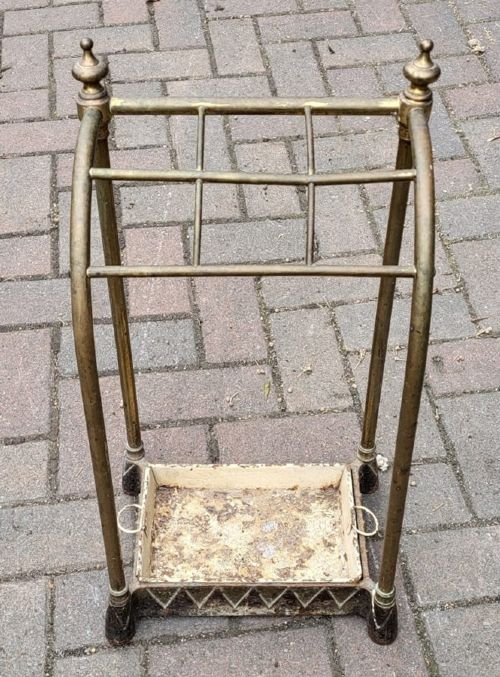
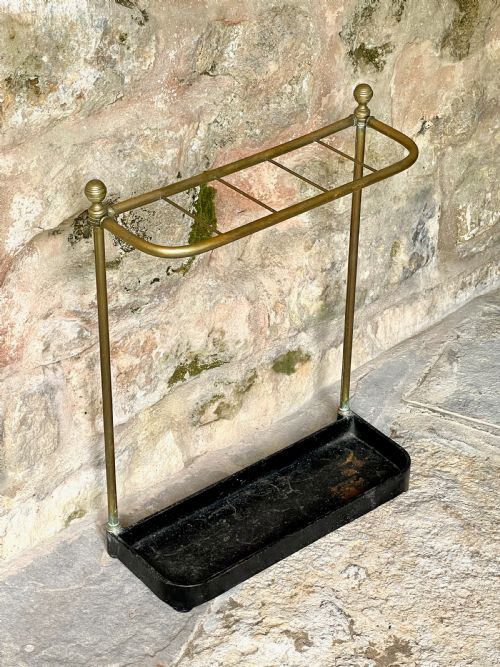

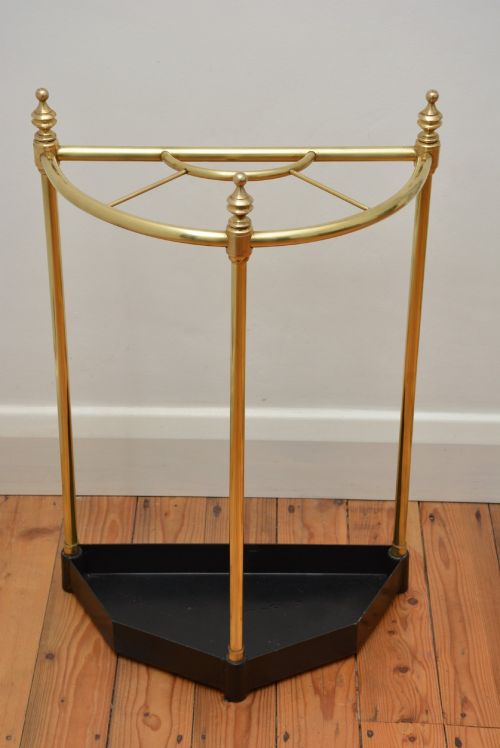
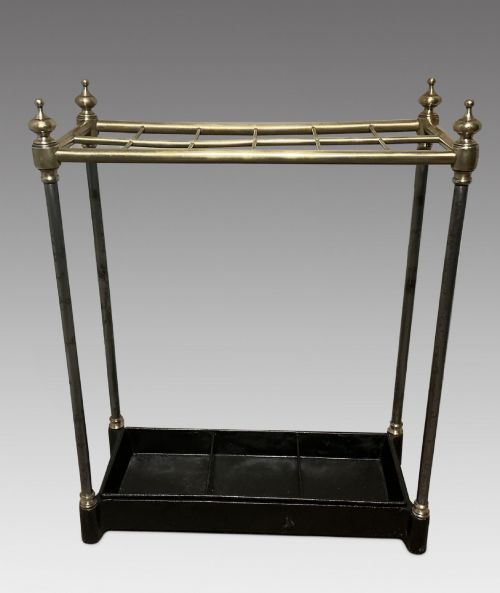
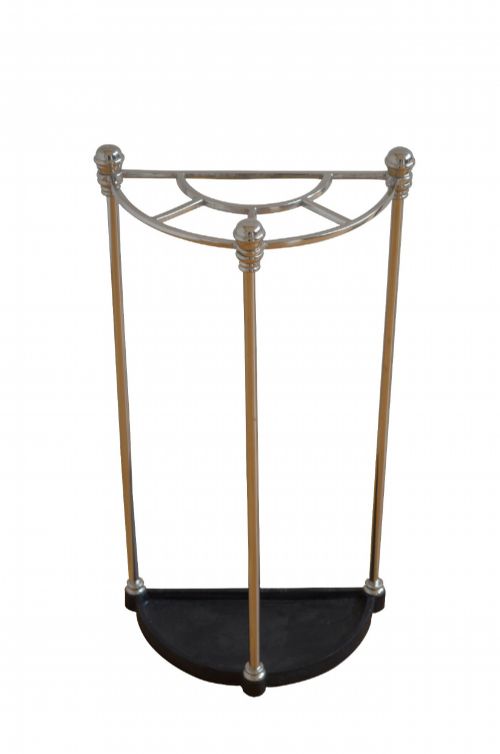


Vintage Metal Umbrella Stand
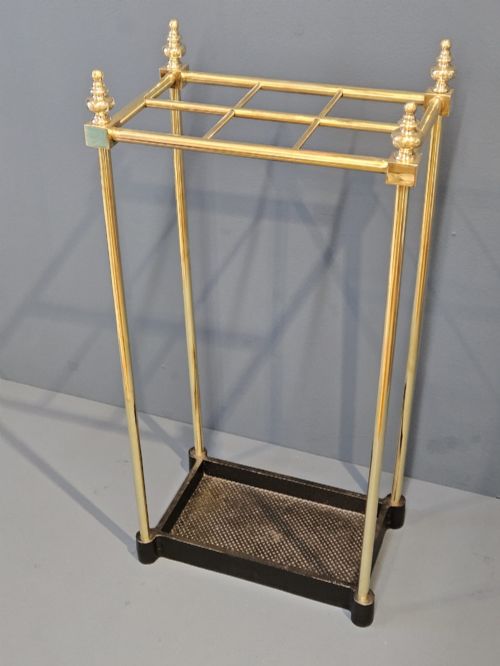
These vintage metal umbrella stand examples keep hallways orderly with robust cast iron, brass, and copper construction.
Vintage Metal Umbrella Stand
A vintage metal umbrella stand provides a dedicated place to store walking sticks and wet umbrellas in hallways and entranceways. When searching for this phrase, a buyer encounters practical hall furnishings designed to manage everyday weather equipment without cluttering floors.
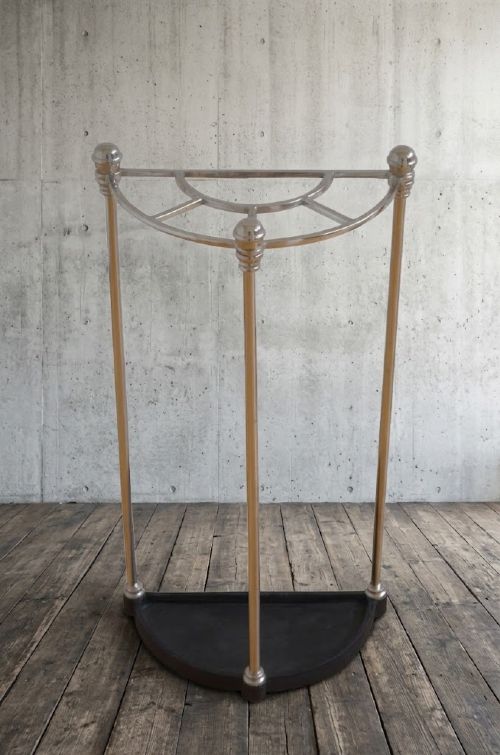
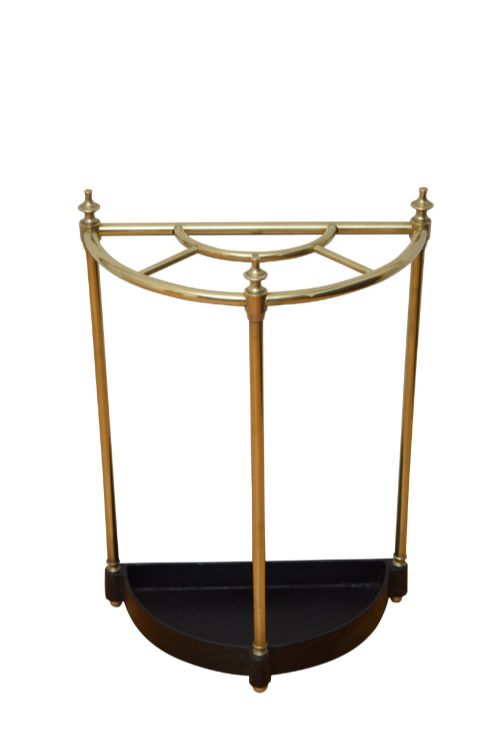
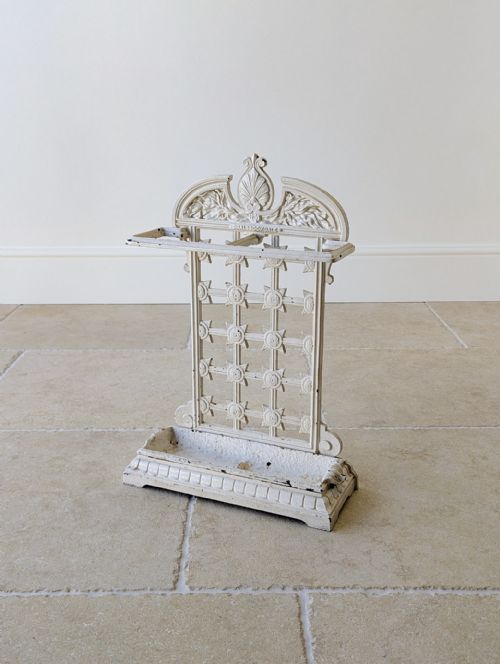
The versions met most frequently on this page combine heavy metals with structured divisions or trays. Nineteenth-century cast iron designs and twentieth-century brass demi-lune shapes appear regularly alongside copper vessels and barrel forms.
These objects range from compact corner pieces to substantial hall stands integrating umbrella storage with other hallway furniture. Makers from the Victorian era onward utilised durable metals to create functional vessels suited for daily country house or urban use.
How they were made
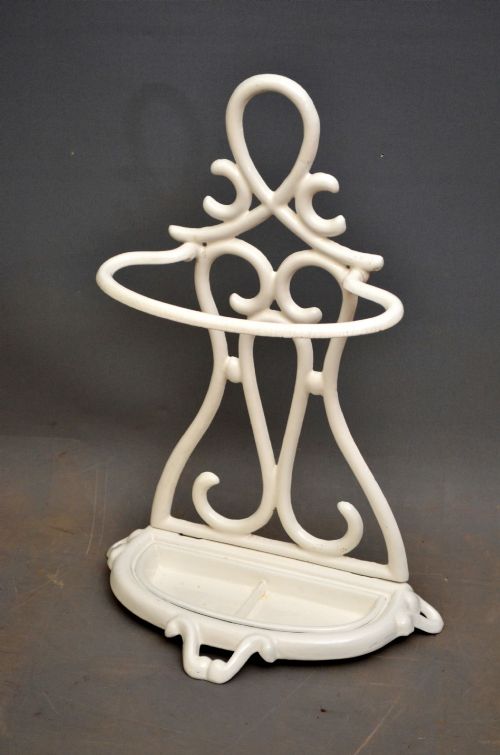
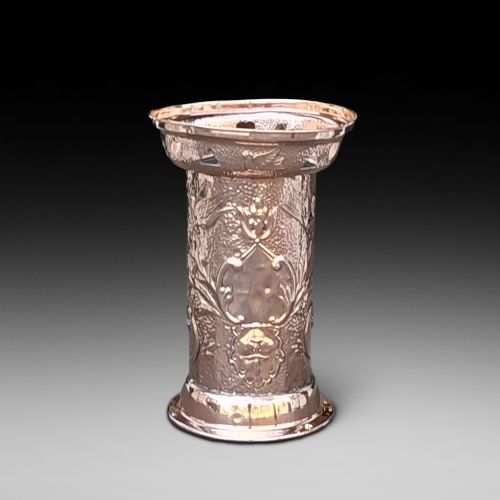
Foundries produced heavy cast iron stands through traditional mould casting, creating intricate pierced patterns or gothic motifs that remained rigid under heavy walking sticks. Workshops also shaped sheet copper and brass into cylindrical bodies, often adding riveted seams and rolled rims for structural strength.
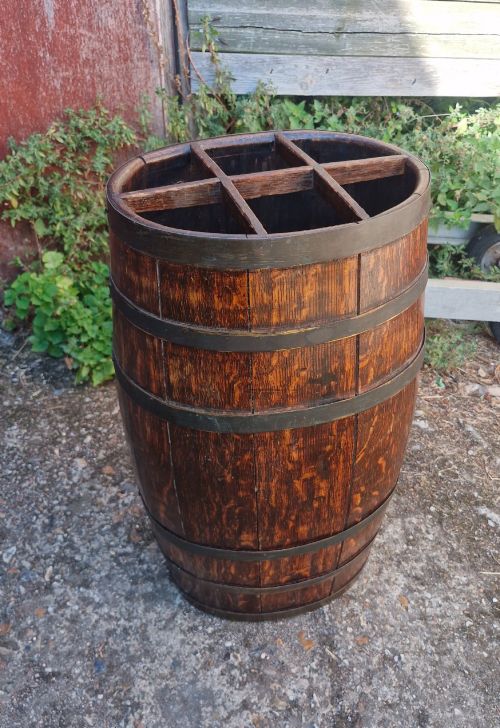
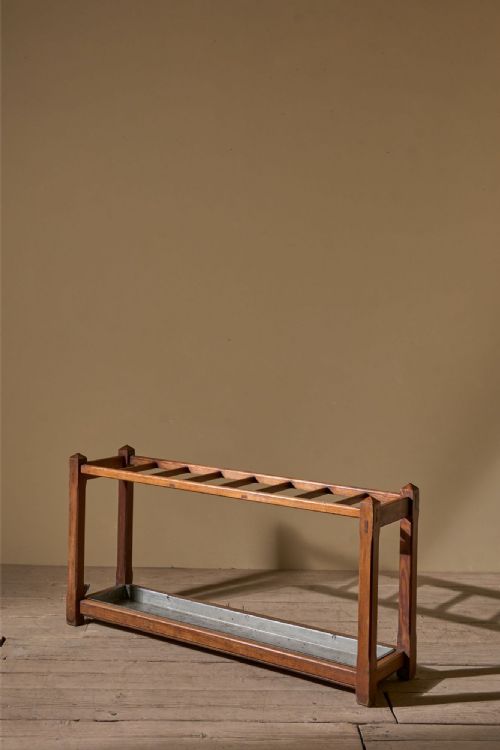
Makers incorporated functional elements such as original metal drip trays to catch rainwater and protect wooden floors below. Oak framing, pine bodies, or iron hoops occasionally supplemented the primary metal construction, particularly on barrel and bucket forms.
Vintage Metal Umbrella Stand Retail Price Guide 2026
Typical asking prices for vintage metal umbrella stand among the pieces listed under this phrase on Sellingantiques today, from the lower quarter to the upper quarter. They describe what is for sale here now, not the wider market.
Listings feature items from the 1880s through the 1930s, showcasing Victorian, Edwardian, and Art Deco design periods.
What varies in quality
Quality rests upon the crispness of casting detail in iron work and the gauge of metal utilised in brass and copper vessels. Finer examples display clean lines, substantial weight, and decorative motifs that remain sharp rather than smoothed by excessive wear or poor manufacturing.
The presence of original components, such as matching removable drip trays and secure internal divisions, separates standard utilitarian items from superior decorative pieces. Structural integrity in joints, handles, and feet dictates how well a stand survives continuous daily use.
Coalbrookdale
The Vintage Metal Umbrella Stand Glossary
- Demi-lune
- Half-moon shape designed to sit flush against a hallway wall. This configuration saves valuable floor space in narrow corridors.
- Drip tray
- Removable metal base plate positioned beneath the stand to catch water from wet umbrellas. It protects flooring from moisture damage.
- Cast iron
- Strong iron alloy poured into moulds to create rigid objects. It provides the heavy weight required to keep tall stands stable.
- Arts and Crafts
- Design movement emphasising handcraftsmanship and simple materials. Copper pieces from this tradition often feature visible hand-beaten textures.
- Hotten
- Traditional carrying vessel utilised in agriculture, sometimes adapted into decorative umbrella pots. These French items bring rustic industrial character to interiors.
Vintage Metal Umbrella Stand: Frequently Asked Questions
Where should I place an umbrella stand?
These stands belong in entrance halls, porches, and boot rooms where household members arrive with wet coats and umbrellas. Positioning them near the main entrance protects interior floors from dripping water.
Because many vintage designs feature an open base or a dedicated tray, they manage moisture effectively when placed on stone or treated wooden flooring.
How do I care for brass and copper stands?
Metal stands require occasional dusting and gentle cleaning to maintain their surfaces. Avoid harsh chemical abrasive polishes that strip away historical patination.
If the metal has a protective lacquer or a dark aged surface, simply wipe it clean with a soft dry cloth to preserve its authentic appearance.
Are vintage stands stable enough for heavy walking sticks?
Cast iron and heavy brass models offer exceptional stability due to their substantial weight. They easily support heavy wooden walking sticks and large golf umbrellas without tipping.
Lighter copper or barrel forms rely on a wide base or internal wooden framing to stay balanced when fully loaded.
How do I identify a Victorian cast iron stand?
Victorian cast iron pieces typically feature dense ornamentation, including gothic arches, scrolling foliage, or naturalistic plant motifs. They carry significant weight and often display maker marks or registry numbers on the underside.
The casting quality on nineteenth-century examples tends to be deep and well-defined, reflecting traditional foundry work.