



Vintage Metal Trophy
A vintage metal trophy captures a distinct competitive moment in solid form, offering a tangible piece of sporting or social history for a desk or shelf.
Vintage Metal Trophy
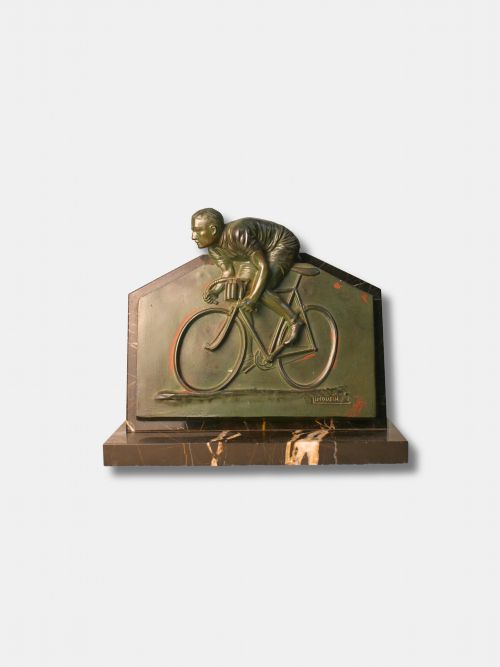
When you search for a vintage metal trophy, you encounter specific commemorative objects spanning the Victorian era through the 1930s. The selection includes equestrian figures, cycling commemoratives, nautical presentation boxes, and detailed aircraft models associated with events like the Brooklands Concours d'Elegance.
Most examples you meet here date from the 1920s and 1930s, reflecting competitive motoring, aviation, and sports, alongside earlier 19th-century interpretations involving classical motifs. Forms range from freestanding spelter figures on plinths to silver-plated lawn bowling plaques and aluminium display framing.
Origins span British and French workshops, utilising diverse metallic mediums to celebrate specific victories, races, and exhibitions. These pieces function primarily as decorative historical objects that record past achievements in sport and industry.
How they were made
Construction relies heavily on casting methods for figural subjects, utilising spelter or gilt bronze to achieve sharp anatomical and mechanical detail. Figures are frequently mounted onto contrasting solid bases made of onyx, marble, or wood.
Surface finishes include silver plating and gilding applied over base metals, alongside polished aluminium and brass construction. Makers also incorporated glass, wire mesh, and specialised mounting hardware depending on whether the object was a freestanding model, a plaque, or a presentation box.
Vintage Metal Trophy Retail Price Guide 2026
Typical asking prices for vintage metal trophy among the pieces listed under this phrase on Sellingantiques today, from the lower quarter to the upper quarter. They describe what is for sale here now, not the wider market.
Aviation enthusiasts can acquire a miniature metal seaplane that once marked a serious triumph at Brooklands.
What varies in quality
Quality depends upon the crispness of the casting and the fidelity of the model to its subject, whether an aircraft, a horse and jockey, or a classical motif. Superior pieces display careful chasing and finishing of the metal surface rather than soft or generalized contours.
The choice of secondary materials marks a clear distinction across the range, with solid marble or onyx plinths and substantial metal gauges elevating the object. Maker attribution and documented links to specific historical events or races further separate standard decorative items from significant archival pieces.
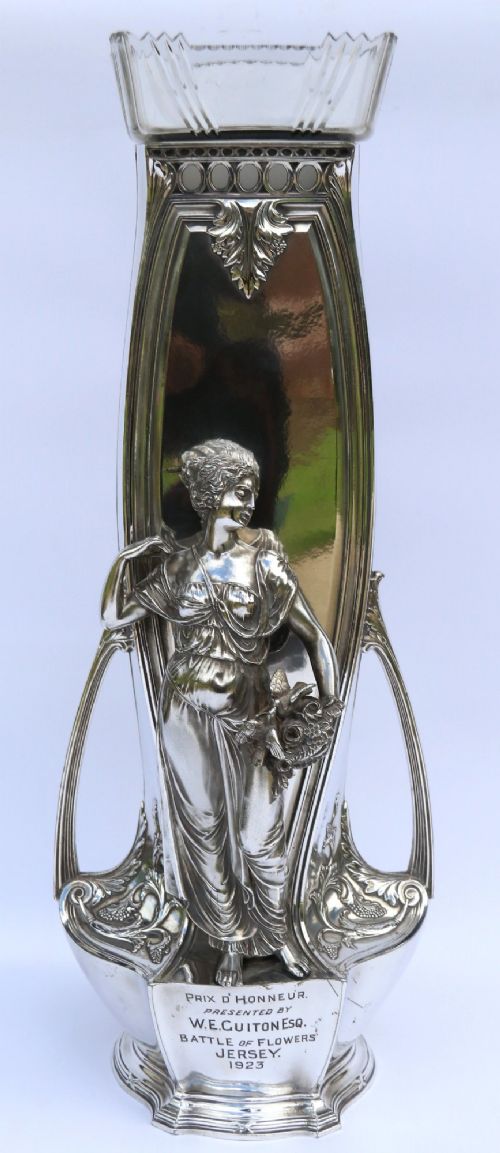
W.M.F.
The Vintage Metal Trophy Glossary
- Spelter
- A zinc alloy commonly used as a base metal for decorative figures and sculptures. It is often painted or electroplated to resemble bronze.
- Gilt bronze
- Bronze that has been treated with a thin layer of gold or gold leaf. This technique provides a durable and rich metallic finish.
- Silver plate
- A thin layer of silver applied to a base metal core such as brass or copper. It creates the appearance of solid silver at a lower weight and cost.
- Onyx
- A banded variety of chalcedony quartz used frequently as a dense, polished base for figural metal sculptures.
- Concours d'Elegance
- An exhibition event showcasing exceptional motor vehicles or aircraft. Trophies from these events often record specific competition history.
Vintage Metal Trophy: Frequently Asked Questions
What metals were used for these?
Makers utilised a variety of metallic compositions depending on the period and the form of the object. Gilt bronze and silver plate appear alongside spelter, brass, and aluminium.
Secondary materials often accompany the metal structure, including marble and onyx plinths, glass components, and wooden presentation boxes.
How do I identify the date?
Dates are typically identified through stylistic markers, engraved inscriptions, or direct documentary evidence associated with the event commemorated. Pieces from the 1920s and 1930s often reflect modern subjects like aviation and motor racing.
Victorian and 19th-century examples tend to feature classical motifs, heavier cast ornamentation, or traditional sporting pursuits such as lawn bowls.
Where were they displayed?
These items were originally commissioned for presentation at sporting events, race meetings, and exhibitions before being displayed in private homes or clubhouses. They served as permanent records of competitive success and organizational pride.
Today, collectors place them on desks, sideboards, or dedicated display shelves where their sculptural form and historical associations can be appreciated.
Are they all sports trophies?
While many items record victories in cycling, horse racing, and sailing, the category also encompasses commemorative plaques and presentation boxes. Some pieces relate to industrial and concourse exhibitions rather than athletic contests.
Each object carries specific details of its origin, whether linked to a specific Derby winner or an early aviation meeting.