




Vintage Metal Toy
These vintage metal toy pieces bring the tangible mechanical craft of past decades straight into your hands, offering a tactile piece of history.
Vintage Metal Toy
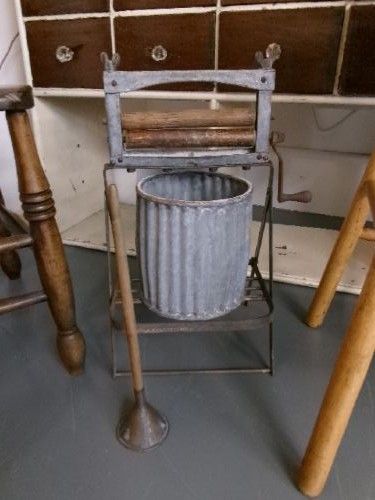
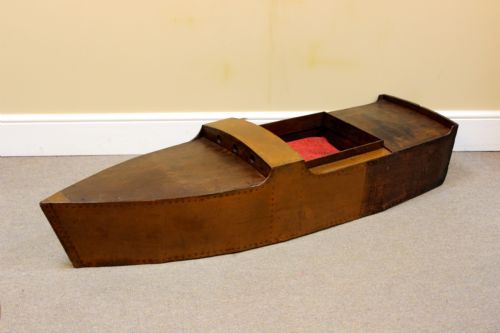
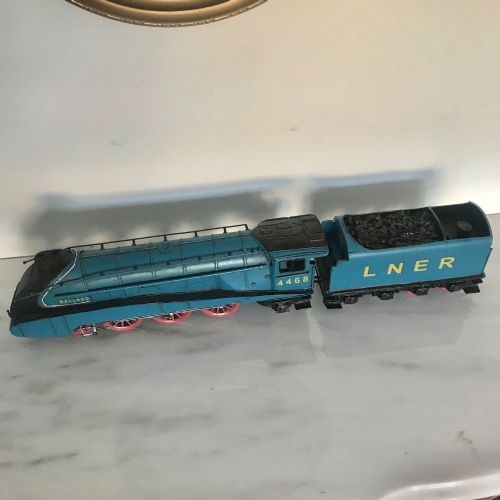
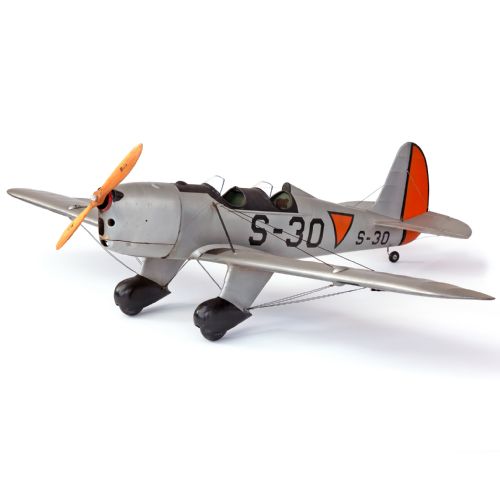
When people search for a vintage metal toy, they seek durable playthings and display models spanning from the nineteenth century through the interwar years. These items encompass everything from utilitarian miniature laundry equipment to intricate scale model locomotives and aeroplanes.
The most common examples on this page hail from the early twentieth century and the 1930s, reflecting an era of industrial expansion and growing toy production. Visitors frequently encounter tinplate vehicles, iron stands, and cast models that capture the design sensibilities of their respective decades.
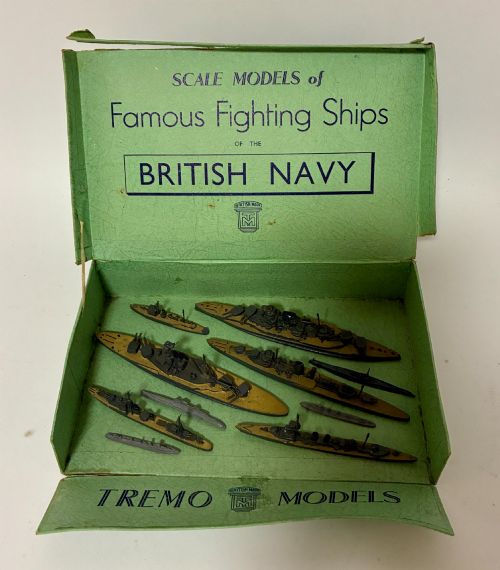
Beyond standard playthings, the category broadens to include folk art balance toys and biscuit tin tractors made by manufacturers like William Crawfords & Son Ltd. These objects blur the line between children's amusements and decorative folk art artefacts.
How they were made
Makers primarily utilised sheet metal, tinplate, iron, and pressed steel, often combining these rigid elements with painted details and rubber components. Metal sheets were stamped, folded, and soldered to shape bodies for model ships, cars, and locomotives.
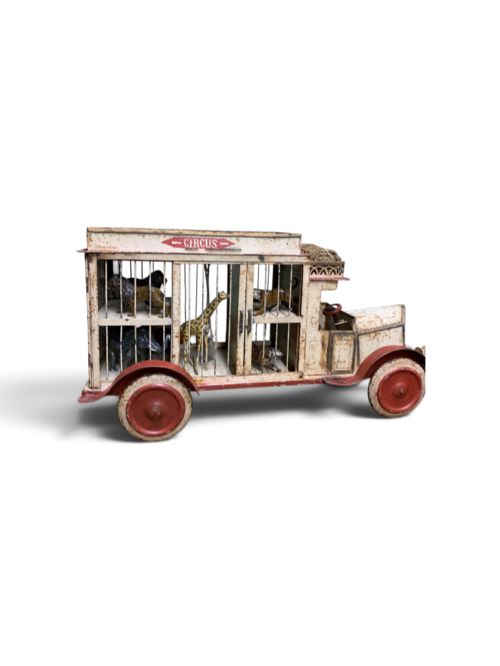
Surface decoration relied heavily on hand painting and lithography directly onto tin, which created colourful finishes for circus lorries and fire chief cars. Iron and wood frequently served as structural foundations or stands for heavier models and miniature functional items.
Vintage Metal Toy Retail Price Guide 2026
Typical asking prices for vintage metal toy among the pieces listed under this phrase on Sellingantiques today, from the lower quarter to the upper quarter. They describe what is for sale here now, not the wider market.
Listings feature items spanning the nineteenth century through the 1940s, utilising materials like tinplate, iron, brass, and rubber.
What varies in quality
Quality rests primarily on the integrity of the original painted surface and the precision of the mechanical parts. Pieces retaining crisp, factory-applied paintwork sit comfortably above examples with heavy flaking or modern repainting.
Construction complexity also dictates distinction, separating simple stamped tin aeroplanes from elaborate exhibition models with working clockwork or detailed scale components. Maker attribution and the survival of original rubber or brass fittings further elevate particular items.
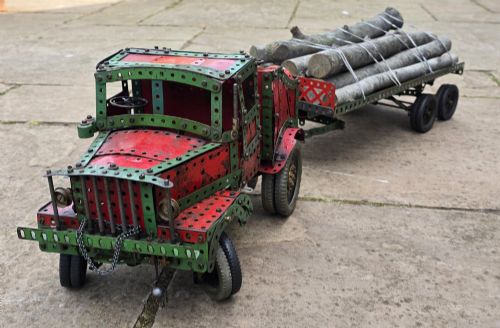
Tremo·Kibri·Meccano·William Crawfords & Son Ltd·Hoge New York·Little Plomb de Nuremberg
The Vintage Metal Toy Glossary
- Tinplate
- Thin sheet steel coated with tin to prevent rusting, used extensively for stamping out toy vehicle bodies and container structures.
- Pressed steel
- Sheet metal shaped under heavy hydraulic pressure, providing robust bodies for interwar toy vehicles and lorries.
- Balance toy
- A kinetic sculpture designed to rock or tilt on a central pivot, often driven by gravity and folk art sensibilities.
- O gauge
- A standard scale for model railroads, popular for larger toy locomotives and track systems during the early twentieth century.
Vintage Metal Toy: Frequently Asked Questions
How do I clean a vintage metal toy safely?
Dust gently with a soft, dry brush to remove surface particles without disturbing fragile paintwork. Avoid using water, solvents, or abrasive cloths that might strip the original lithography or finish.
Store these items in stable environments away from direct sunlight and excessive humidity to prevent rust formation on exposed iron and tin surfaces.
Were these items meant for play?
Many of these objects served as children's playthings, travellers' samples, or display pieces in shop windows. Their sturdy construction in iron and pressed steel allowed them to withstand everyday use by children.
Others, such as exhibition models and precision scale locomotives, were constructed primarily for adult collectors and enthusiasts rather than active juvenile recreation.
How can I tell a 1930s toy from an earlier Victorian piece?
Victorian and Edwardian items often feature heavy cast iron or folk art construction, reflecting slower, more manual manufacturing processes. You will frequently find simpler mechanisms and hand-painted finishes on nineteenth-century pieces.
Items from the 1930s frequently adopt Streamline Moderne influences, pressed steel, and advanced lithography that point towards mass production and modern industrial design trends.
Do these toys still work mechanically?
Some spring-driven or gravity-operated models retain their functional capacity, moving along tracks or rocking on balance pivots. Over time, internal springs and linkages can wear out or become stiff from dried lubricants.
Inspect each piece to understand its mechanical state, keeping in mind that many survive primarily as static display objects rather than working toys.