





Vintage Metal Stool
These vintage metal stool examples offer rugged utility and industrial character for modern interiors.
Vintage Metal Stool
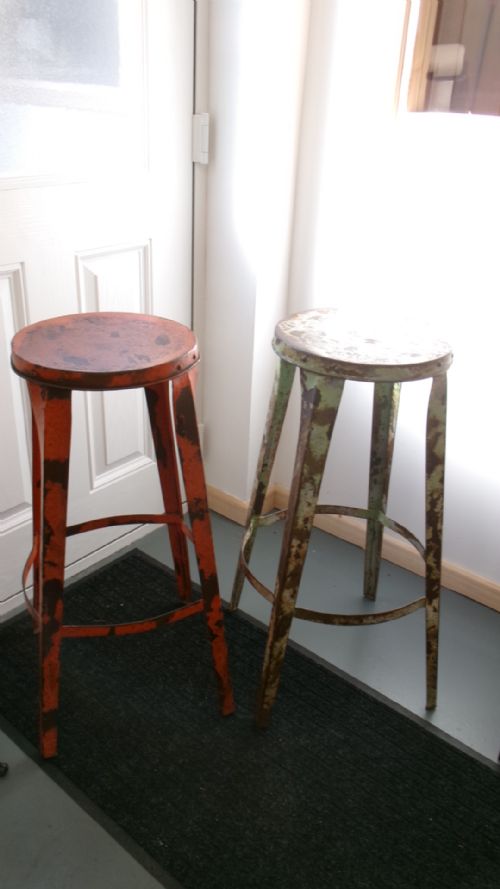
When you search for a vintage metal stool, you are looking at practical seating and workshop furniture that spans from Victorian domestic hearths to mid-twentieth-century industrial spaces. The pieces range from heavy iron workshop seats and revolving factory stools to domestic footmen and bar stools.
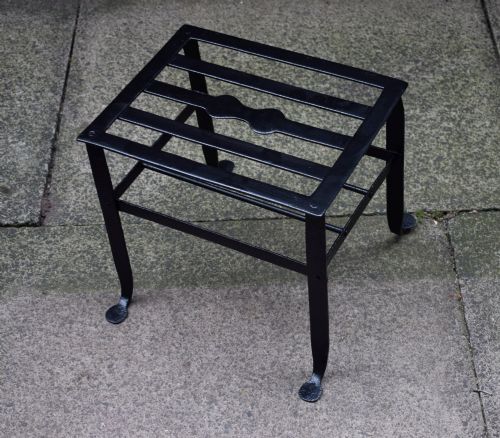
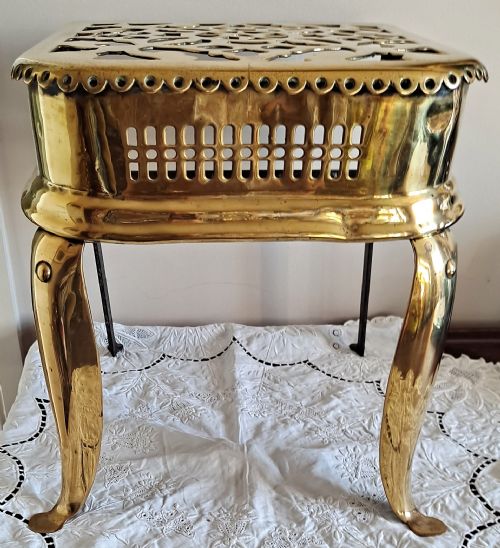
You are most likely to meet mid-twentieth-century industrial workshop examples on this page, often featuring steel bases, cast-iron components, and adjustable mechanisms. Alongside these, nineteenth-century brass and steel hearth accessories and Victorian revolving stools appear frequently.
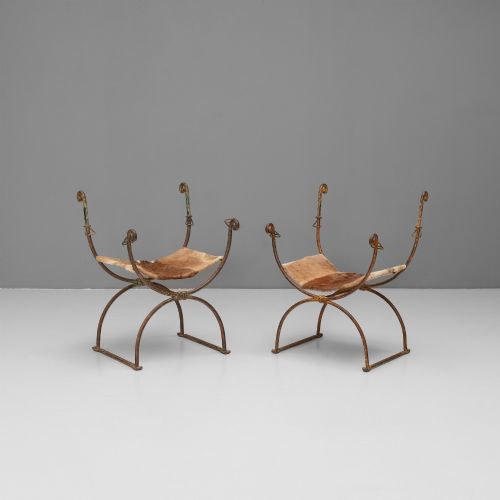
The forms extend from simple tripod stands and workshop seating to bar stools with gear cog bases and riveted metal structures. Walnut, tan leather, timber, and cowhide frequently accompany the metal frames in these listings.
Materials and construction
Makers utilised durable metals such as cast iron, wrought iron, steel, and brass to build frames capable of withstanding heavy daily use in workshops and domestic settings. These metal elements were frequently paired with hardwood, walnut, or timber tops to provide a comfortable seat.
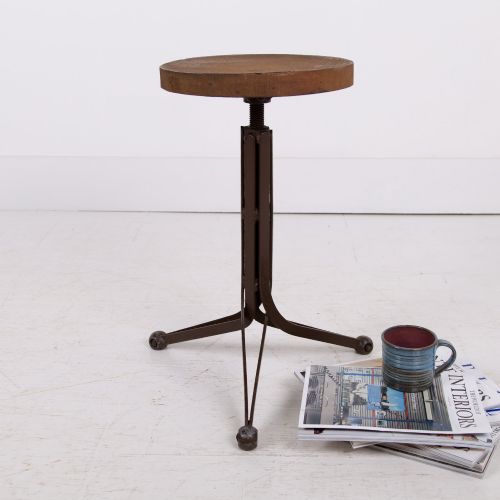
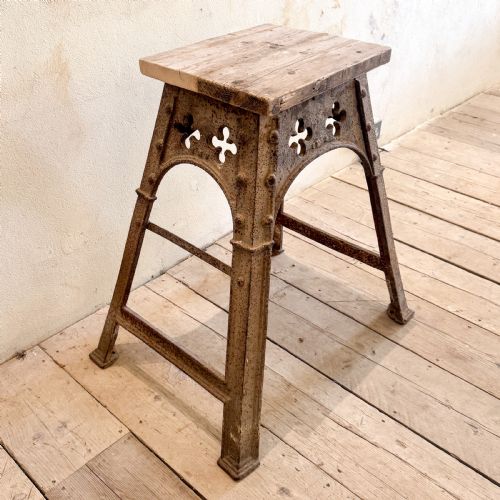
Construction techniques include riveting plates together, casting iron seats with maker details, and forging steel supports. Adjustable screw mechanisms and gear cog bases allowed workshops to alter height according to the task at hand.
Vintage Metal Stool Retail Price Guide 2026
Typical asking prices for vintage metal stool among the pieces listed under this phrase on Sellingantiques today, from the lower quarter to the upper quarter. They describe what is for sale here now, not the wider market.
Some industrial stools incorporate actual machinery gear cogs into their bases, proving that factory engineers appreciated a solid gear mechanism.
Assessing quality and origin
The distinction between ordinary utility items and superior examples often lies in the integrity of the original mechanical parts, such as revolving screw threads and heavy cast-iron gear bases. Pieces retaining legible foundry markings or maker attribution carry greater historical interest.
The combination of materials also dictates the character of a piece, where patinated steel paired with seasoned timber or cast iron demonstrates genuine period wear. Finer domestic examples display polished brass fittings and carefully turned wooden tops alongside robust iron frames.
Blackstone & Co.·Rubery Owen·Evertaut
The Vintage Metal Stool Glossary
- Cast Iron
- A hard, brittle iron-carbon alloy formed by pouring molten metal into a mould. It provides heavy, stable bases for industrial workshop seating.
- Footman
- A metal stand placed in front of a fireplace to keep food warm. These nineteenth-century pieces are typically constructed from brass and steel.
- Revolving Stool
- A seat designed with a threaded spindle or pivot allowing the top to turn. This mechanism permits height adjustment in a workshop setting.
- Gear Cog Base
- A heavy metal base incorporating mechanical cogs or wheels. It gives industrial stools a distinctive structural appearance.
Vintage Metal Stool: Frequently Asked Questions
What is a vintage metal stool?
A vintage metal stool is a sturdy seat or stand constructed primarily from iron, steel, or brass, often originating from factories, workshops, or Victorian households.
These pieces combine functional durability with industrial design, utilising materials built to endure heavy daily use over decades.
How were industrial stools used?
Industrial stools served workers in factories, machine shops, and assembly lines where durable, adjustable seating was essential for daily tasks.
Many featured revolving tops or mechanical screw threads to accommodate different workers and machinery heights.
How do I style a metal stool?
These stools integrate well into contemporary kitchens, home offices, and living spaces as casual seating or accent tables. Their industrial finishes provide a strong contrast against softer domestic furnishings.
Pairing them with wooden surfaces highlights the mix of materials seen across nineteenth and twentieth-century designs.
How do I identify a Victorian metal stool?
Victorian examples often combine cast iron with turned wood tops, utilising heavier construction methods typical of nineteenth-century foundries. Details such as ornate brass fittings or specific casting marks help distinguish these earlier pieces from later twentieth-century workshop furniture.