





Vintage Metal Scuttle
These vintage metal scuttle items bring robust hearth utility and honest craft to a room, offering practical storage disguised as metalwork.
Vintage Metal Scuttle
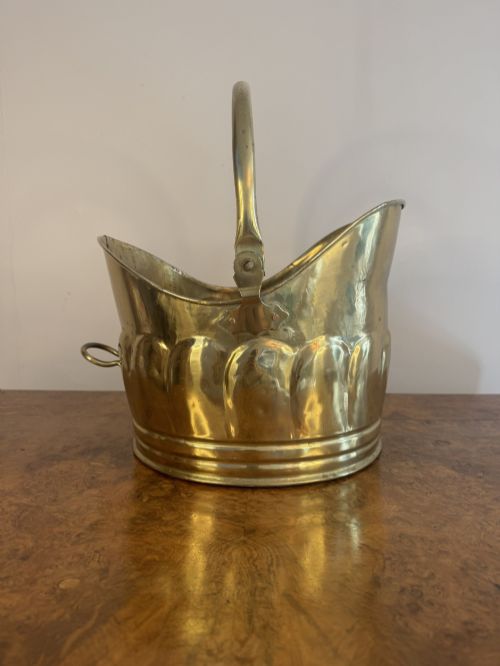
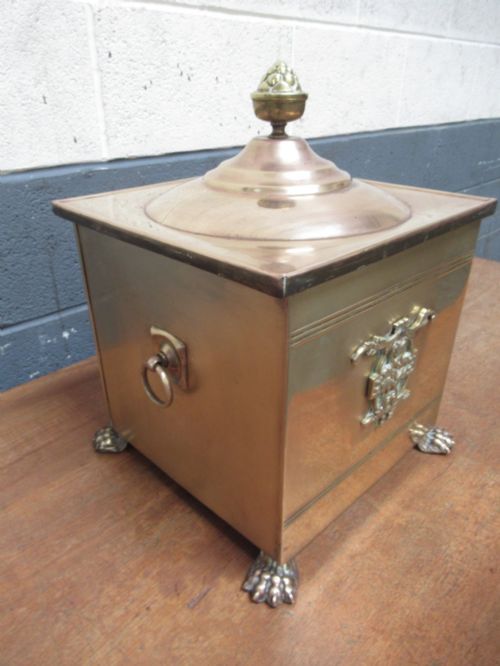
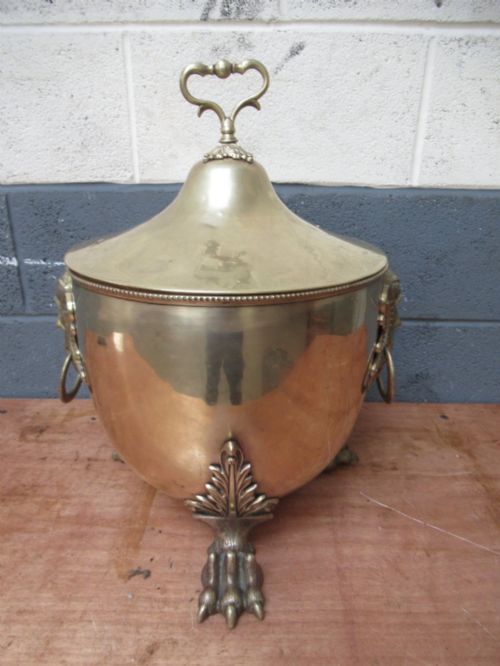
When you search for a vintage metal scuttle, you encounter hearth vessels made to hold coal or logs beside an open fire. Most examples on this page date from the Victorian period through the early twentieth century, spanning styles from Georgian elegance to Arts and Crafts simplicity.
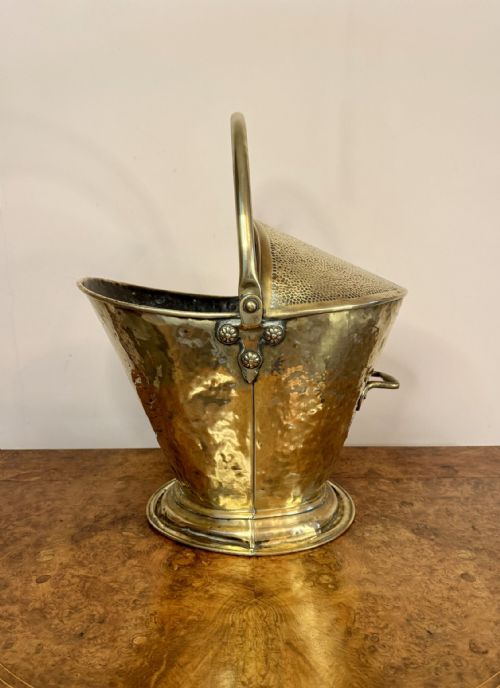
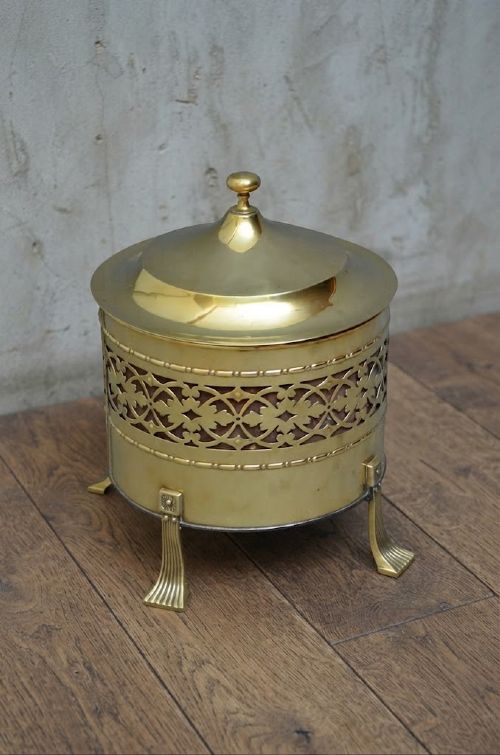
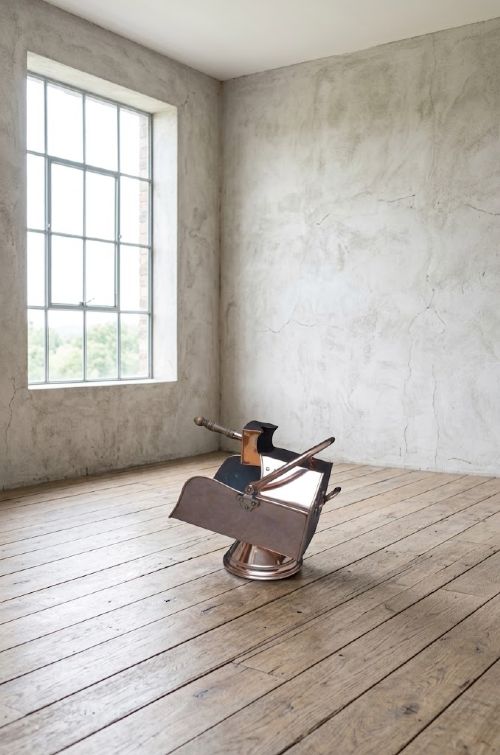
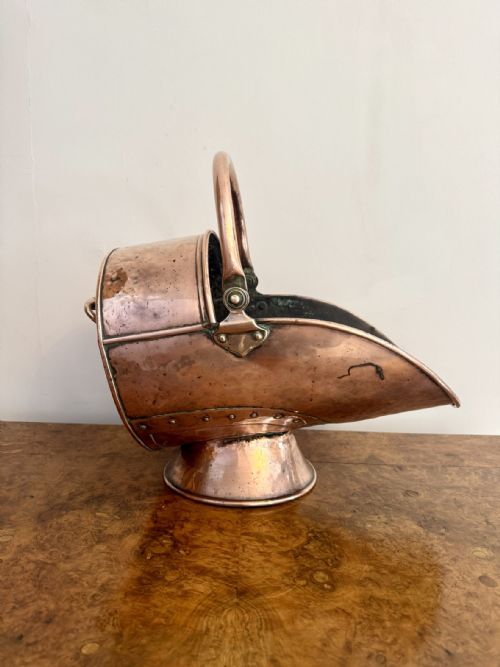
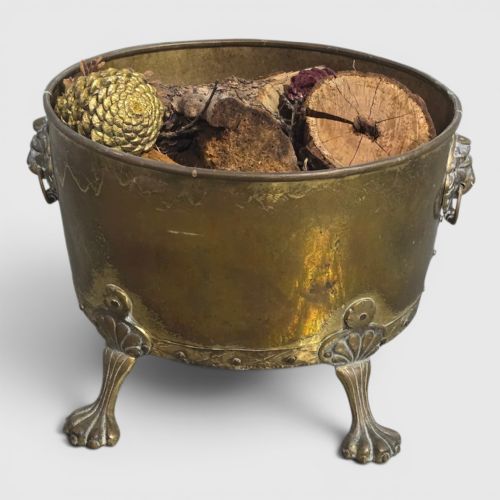
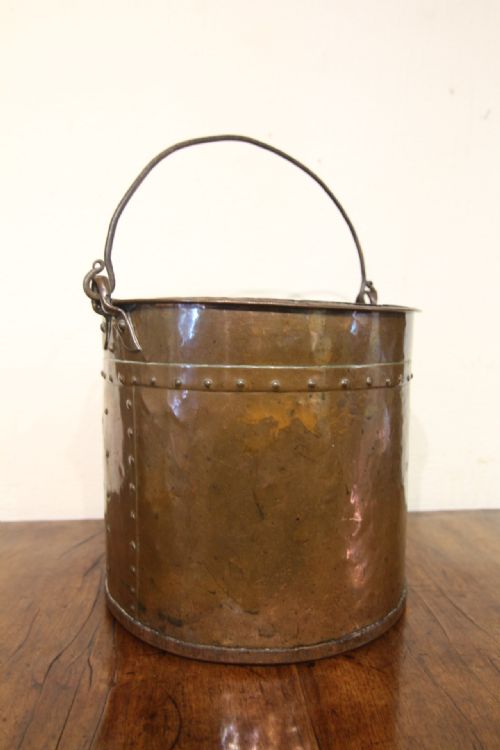
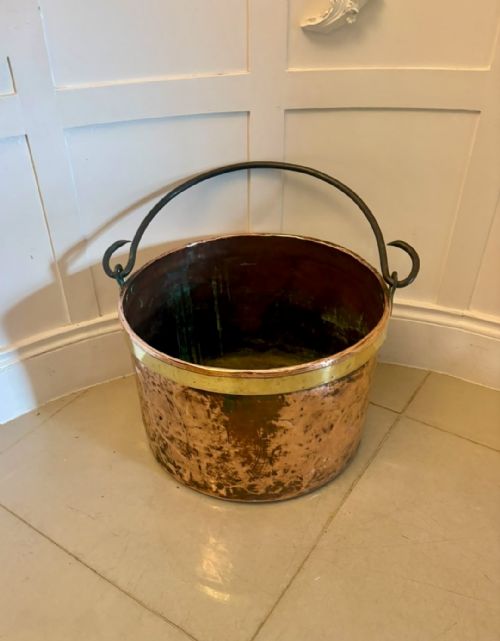
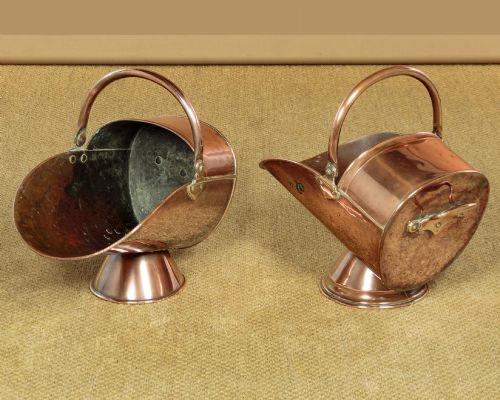
The primary forms include helmet-shaped coal scuttles, cylindrical log bins, and heavy riveted buckets. Makers shaped these objects for daily domestic service near the hearth, often employing sturdy handles for carrying heavy fuel loads.
Materials and construction
The dominant metals found in these pieces are copper and brass, frequently paired with wrought iron handles, frames, and riveted seams. Artisans shaped sheet metal by hand or utilised hammering techniques to build rigid vessels capable of enduring heavy daily use.
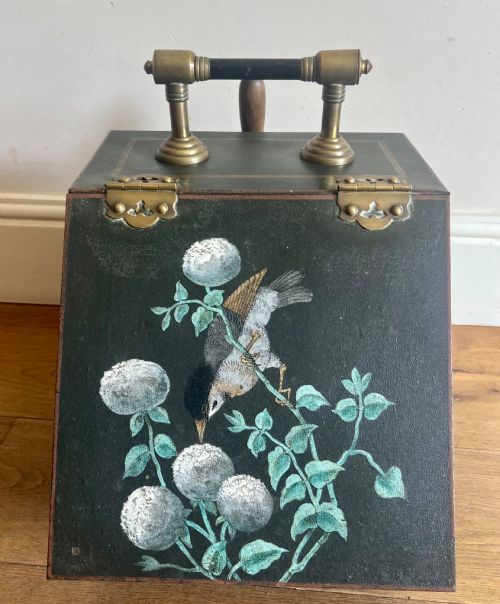
Decorative elements range from plain polished surfaces to embossed tavern scenes, fretwork designs, and toleware paintwork. Structural integrity relies on visible rivets, sturdy iron frames, and reinforced bases that keep the metal stable on stone hearths.
Vintage Metal Scuttle Retail Price Guide 2026
Typical asking prices for vintage metal scuttle among the pieces listed under this phrase on Sellingantiques today, from the lower quarter to the upper quarter. They describe what is for sale here now, not the wider market.
One copper bucket bears the scars of centuries of enthusiastic coal shovelling and still refuses to leak a single pebble.
What separates the best examples
Quality in these pieces rests upon the thickness of the metal sheet, the weight of the iron framing, and the integrity of the riveted joints. Thicker copper and heavy brass resist denting and hold their shape under the strain of logs or coal.
Design execution distinguishes standard utility items from finer workshop pieces. Superior items display deliberate hand-hammering, well-fitted swing handles, and crisp decorative detailing such as Arts and Crafts motifs or balanced helmet proportions.
The Vintage Metal Scuttle Glossary
- Toleware
- Lacquered or enamelled metalware, typically tin or steel, finished with painted decoration. This technique allowed makers to introduce colour and pattern to utilitarian hearth vessels.
- Jardiniere
- An ornamental pot or vessel designed to hold plants or flowers. Many robust metal bins find a second life fulfilling this decorative domestic role.
- Helmet Scuttle
- A coal container featuring a sloping rim and a wider back, resembling a traditional helmet in profile. This shape directed fuel neatly outward when tipping the contents.
- Arts and Crafts
- A design movement prioritising handcraft, honest materials, and visible construction methods over mass-produced ornamentation. Pieces from this tradition often feature hammered copper surfaces and structural riveting.
Vintage Metal Scuttle: Frequently Asked Questions
How were metal scuttles used?
These vessels transported coal or logs from an outdoor store to the indoor fireplace. Servants or homeowners filled them and carried them by the swing handle to replenish the fire.
Beyond fuel storage, many households utilised them as general hearth tidies or ember buckets. Today, their sturdy construction makes them practical for holding kindling or indoor plants.
How do I date a copper scuttle?
Dating relies on observing construction methods, material choices, and stylistic cues present in the metalwork. Georgian and early nineteenth-century pieces often display classic proportions with hand-beaten seams, while Victorian examples frequently introduce heavier brass mounts and decorative embossing.
Later pieces from the Arts and Crafts or Edwardian periods lean towards hammered textures, exposed rivets, and geometric styling. Examining the handle fixings and interior wear helps confirm the production era.
Can I use these by a fireplace?
These metal vessels are designed for hearth utility and handle dry fuel such as logs, briquettes, or coal safely. Their solid brass, copper, and iron construction withstands the incidental knocks of daily fireside maintenance.
Care should be taken if storing damp fuel inside unlined historical vessels to prevent internal corrosion. Regular dusting preserves the exterior polish and metal patina.