

Vintage Metal Sculpture
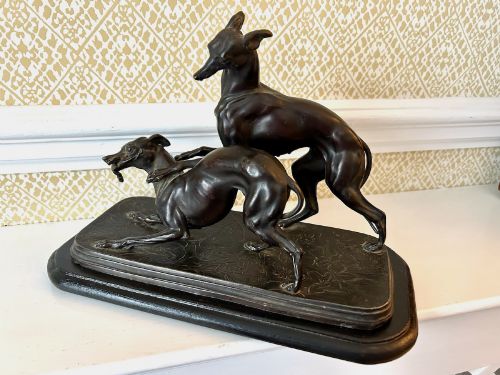
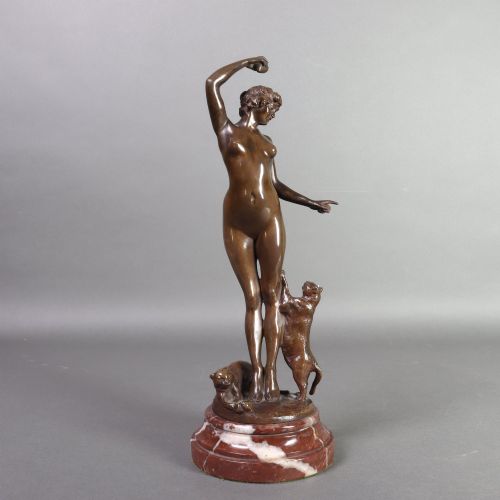
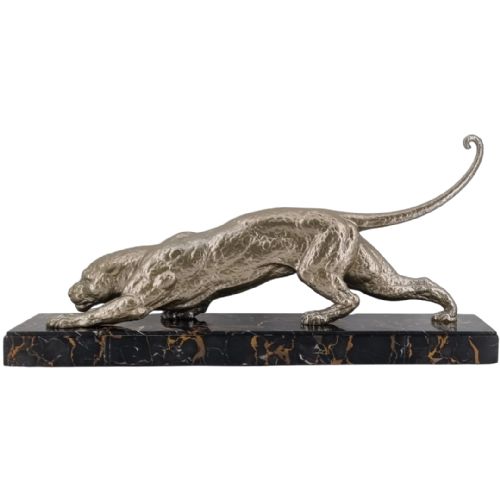
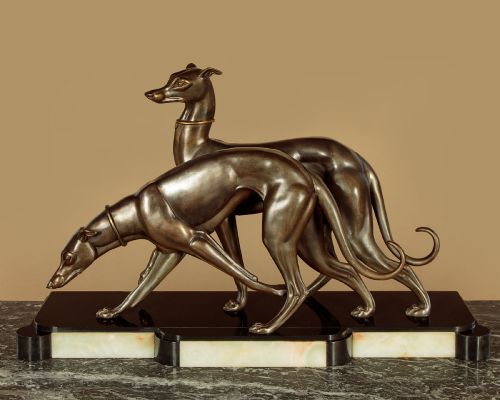
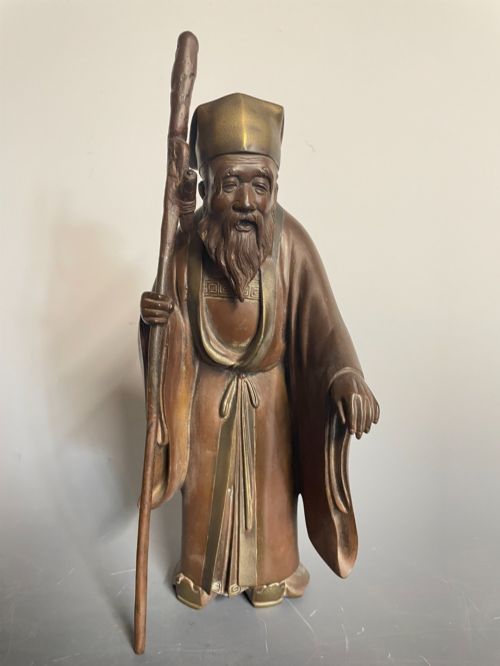
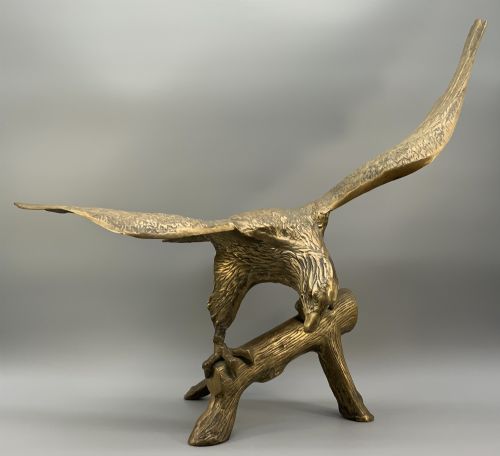
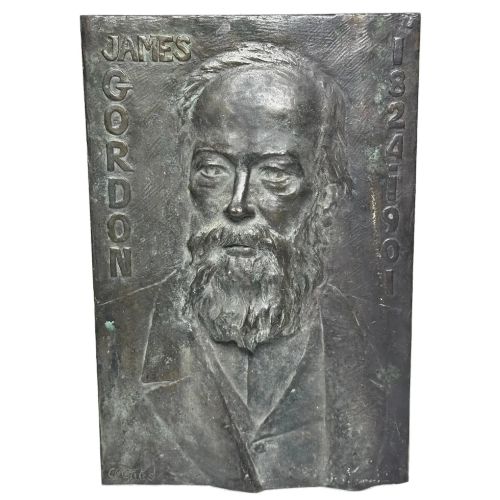
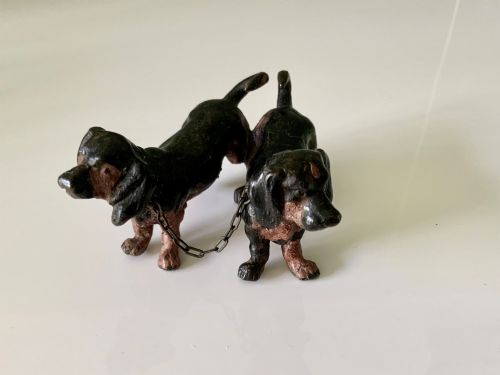
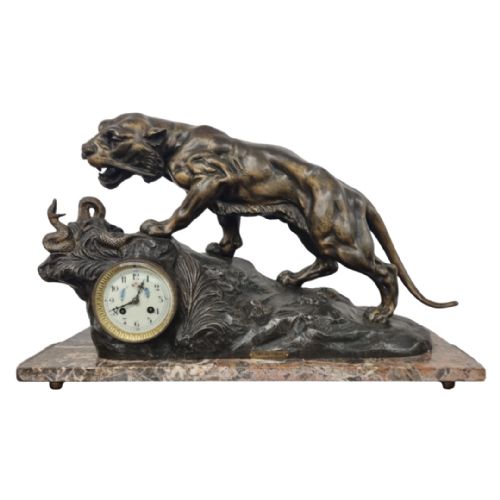
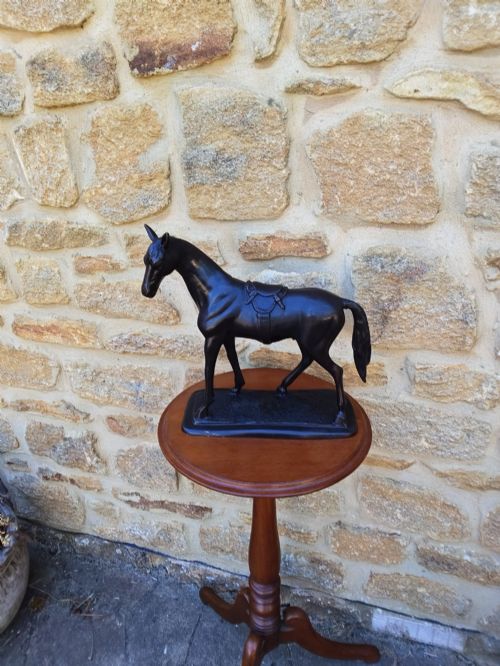
These vintage metal sculpture pieces bring solid presence to a room, spanning animalier subjects, human figures, and utilitarian forms from the nineteenth and twentieth centuries.
Vintage Metal Sculpture
Vintage metal sculpture covers a broad territory, ranging from nineteenth-century animalier studies of hounds and horses to sleek Art Deco dancers and functional bookends. Buyers searching this phrase encounter everything from diminutive cold-painted bronzes to large garden statuary and architectural weather vanes.
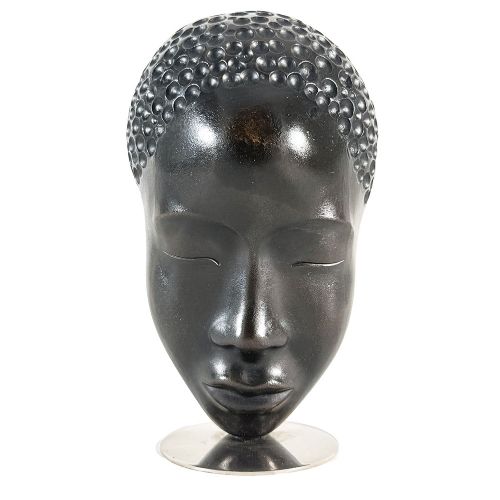
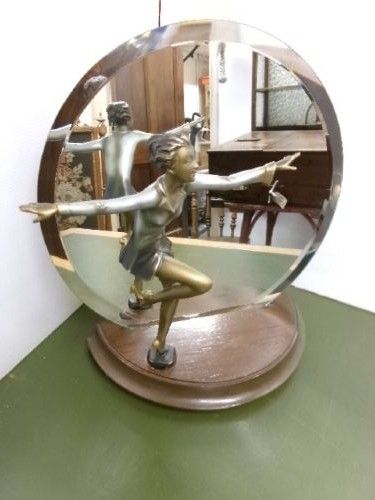
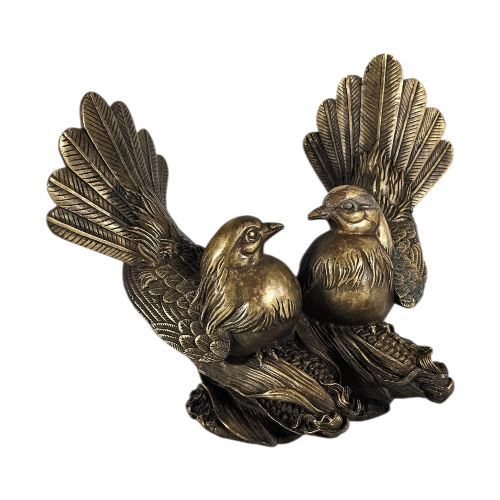
The objects most frequently met on this page belong to the early decades of the twentieth century, particularly the Art Deco era. These often depict stylised animals, domestic birds, and human figures, cast in metals like spelter, bronze, and cast iron.
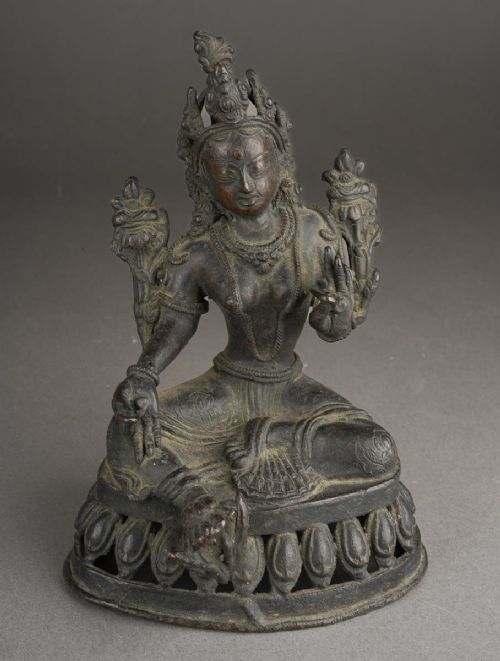
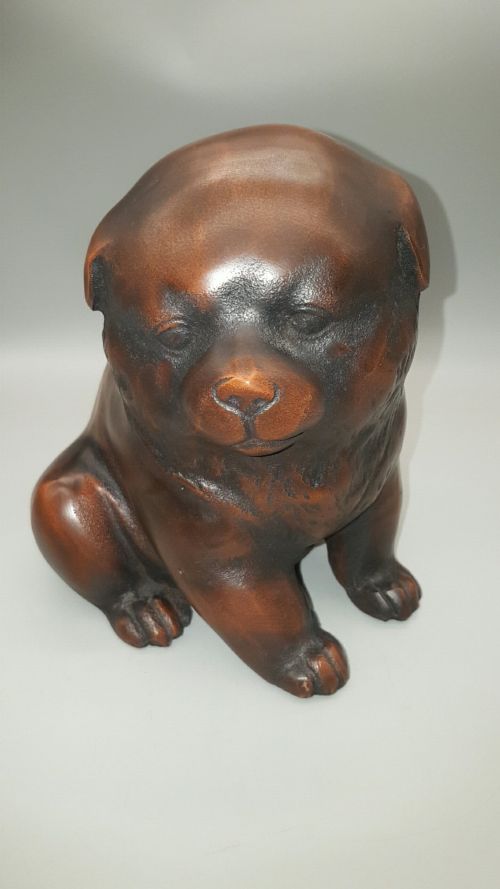
Alongside European decorative figures sit regional items such as Himalayan bronze shrines, Japanese animal bronzes, and vernacular British pieces like farriers' anvils mounted on fruitwood trunks. Each category brings distinct foundry practices and material weights to the interior.
How vintage metal sculpture pieces were made
Foundries utilised the lost-wax method or sand casting to shape molten bronze, brass, and cast iron into detailed figures. Molten metal poured into moulds captured the fine musculature of animalier subjects and the smooth lines of modernist dancers.
Spelter, an alloy based on zinc, served as an accessible alternative to bronze during the Art Deco period, often finished with metallic paints or patination to mimic heavier metals. These figures typically mounted directly onto marble or onyx plinths.
Surface treatments included cold-painting, where pigment applied after casting added colour to bronze birds and figures, alongside chemical patination intended to age the metal surface through controlled oxidation.
The selection includes functional objects such as doorstops, bookends, weather vanes, and trade signs alongside pure sculpture.
What varies in quality in vintage metal sculpture
Material choice dictates the physical substance and weight of the piece, with solid bronze commanding greater durability and heft than hollow spelter or thin plated metal. The integrity of the underlying alloy dictates how well the structure ages over decades.
Base integration affects overall stability and design harmony, whether the metal secures to a fitted marble plinth, a fruitwood trunk, or stands independently. Proper proportion between the figure and its support indicates thoughtful studio design.
Gustave Dussart·D. H. Chiparus·Hagenauer·Josef Lorenzl·Christophe Fratin·Val d’Osne foundry
The Vintage Metal Sculpture Glossary
- Animalier
- A nineteenth-century artistic movement focused on the realistic depiction of animals, particularly predators, horses, and hounds. Sculptors in this tradition studied anatomy closely.
- Spelter
- A zinc alloy used extensively for decorative figures and statuettes during the late nineteenth and early twentieth centuries. It is softer and lighter than bronze.
- Cold-painted bronze
- A technique where colour is applied to the bronze surface using oil-based paints without subsequent firing. This finish appears frequently on Austrian animal figures.
- Patination
- The chemical or natural colouration of a metal surface over time through exposure or deliberate treatment. A stable patina protects the underlying metal.
- Foundry mark
- A stamp, signature, or symbol cast into the metal indicating the workshop or maker responsible for production. These marks assist in identifying origin and period.
Vintage Metal Sculpture: Frequently Asked Questions
What is spelter?
Spelter is a zinc-based alloy commonly utilised for decorative figures, particularly during the Art Deco period. It provides a more affordable alternative to bronze while permitting intricate casting.
Because spelter is softer than bronze, pieces made from it require gentle handling to avoid surface dents. They often feature applied patination or paint to simulate heavier metals.
How do I identify bronze?
Bronze is a heavy copper alloy that feels cold to the touch and does not attract a magnet. Older pieces often display a rich, stable patina developed through age and handling.
Examining the underside can reveal casting seams, threaded bolts, or maker marks that distinguish solid bronze from plated metals or spelter.
Where were animalier sculptures made?
Animalier sculptures gained immense popularity in nineteenth-century France through dedicated foundries and sculptors studying animal anatomy. These works captured predators and prey in dynamic motion.
Production later spread across Europe, with British and Austrian makers adopting similar naturalist themes for domestic ornaments and doorstops.
How should I clean metal sculptures?
Dust metal sculptures gently with a dry, soft brush or microfibre cloth to remove accumulated debris. Avoid abrasive cleaners or harsh chemicals that strip original patination.
Applying a light microcrystalline wax can protect bronze and brass surfaces from atmospheric moisture without altering the historical finish.