




Vintage Metal Samovar
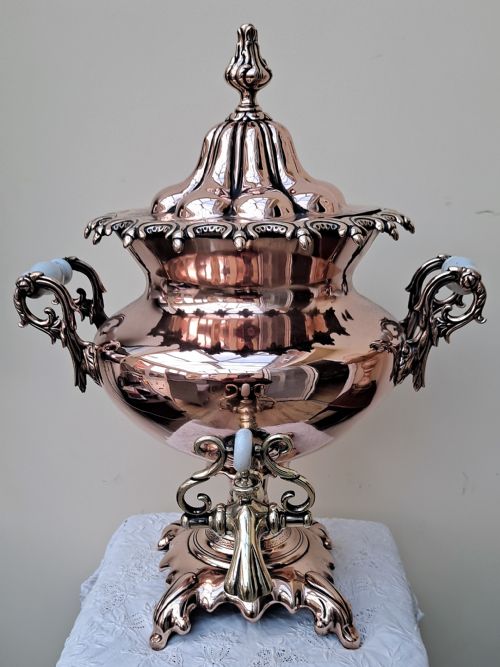
A vintage metal samovar brings serious presence to a room, offering both sculptural weight and centuries of tea-making heritage.
Vintage Metal Samovar
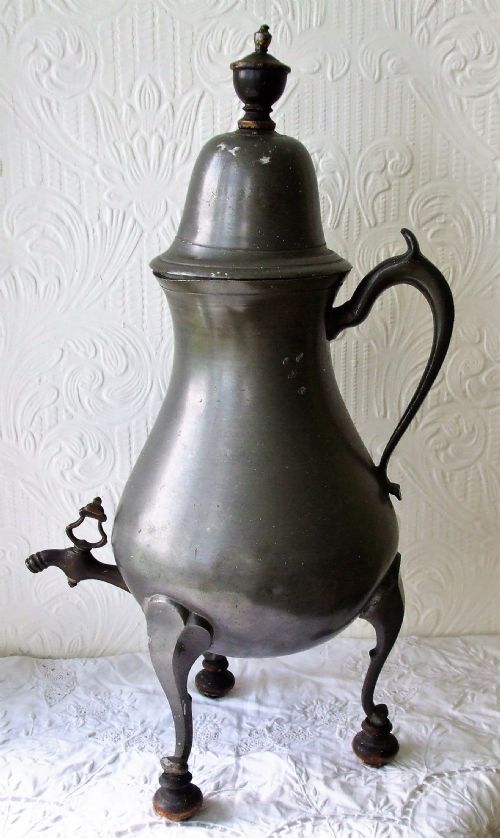
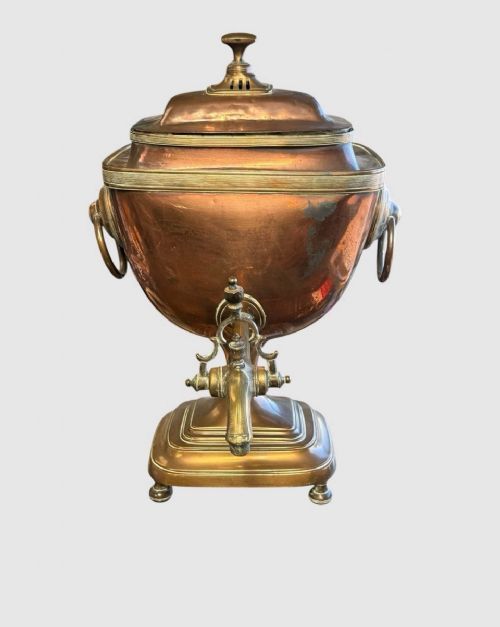
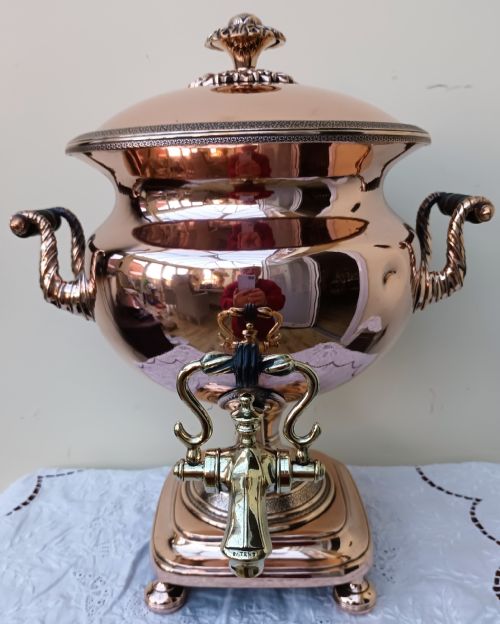
When you search for a vintage metal samovar, you encounter substantial vessels designed primarily for heating water and brewing tea across the eighteenth, nineteenth, and early twentieth centuries. These pieces cross several design movements, ranging from Georgian neoclassical simplicity to ornate Victorian and Regency creations.
These vessels served central roles in domestic hospitality, standing proudly on sideboards or tea tables before being retired to decorative display. Their survival in metal gives them a lasting utility and presence that lighter modern vessels simply cannot match.
Materials and construction methods
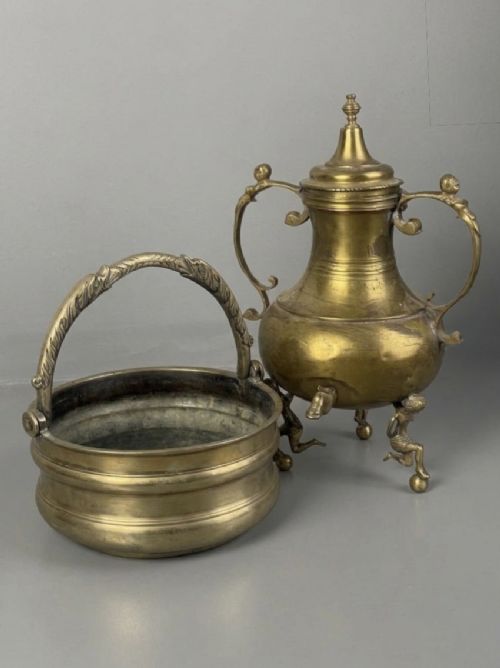
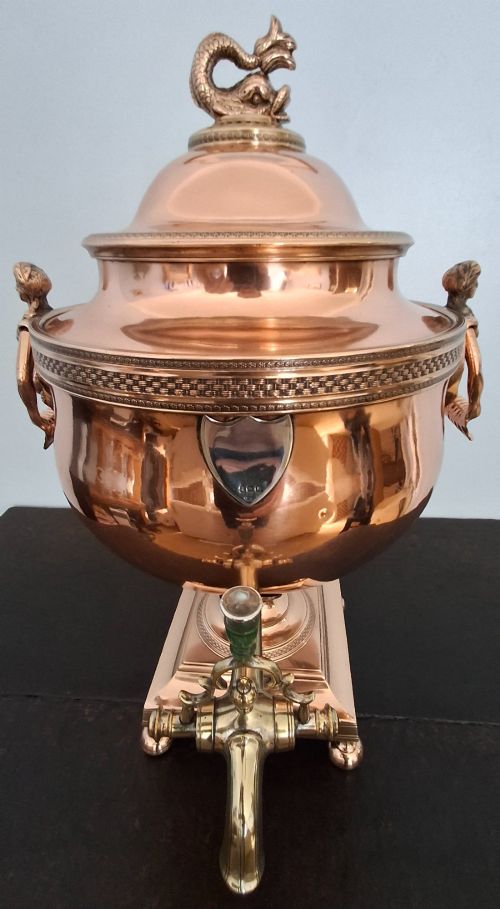
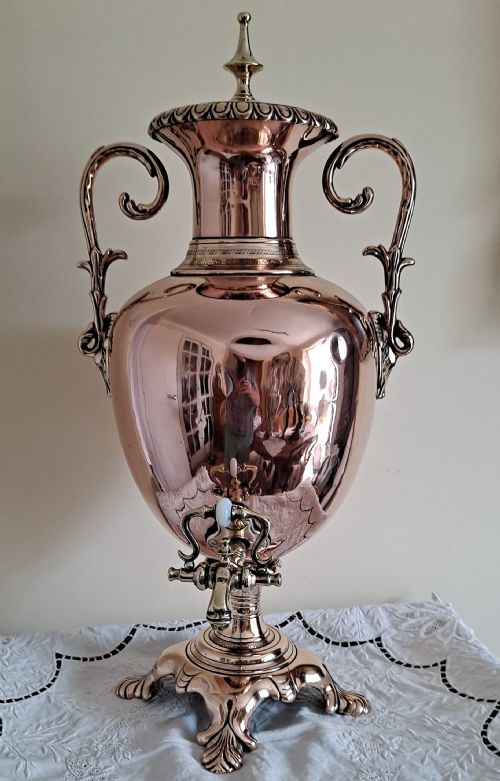
Makers relied heavily on copper and brass sheets, hammering, spinning, and joining the metal to achieve rigid yet graceful vessel walls. Many examples combine these two metals, utilising copper for the main body and contrasting brass for handles, spouts, and feet.
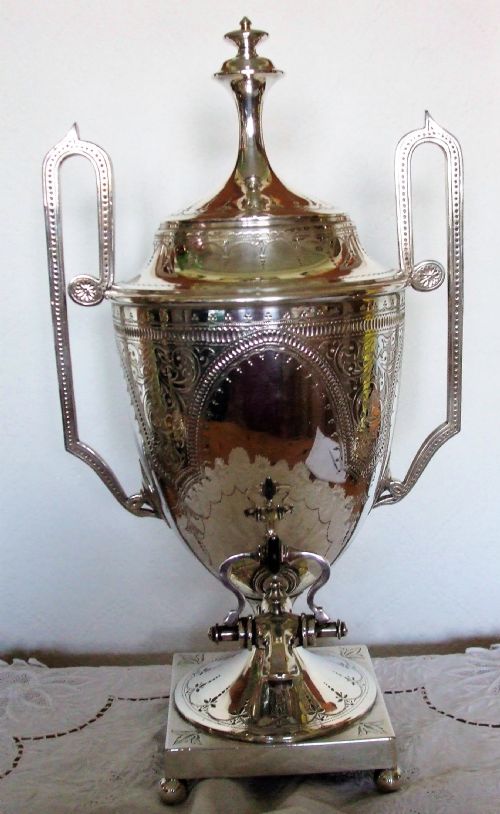
Silver plate over base metals appears in select pieces from firms like Walker & Hall, offering a brighter, reflective finish suited to formal dining rooms. Ebonised wood, bone, and bronze accents frequently appear on handles and spouts to insulate against heat and provide tactile contrast.
Vintage Metal Samovar Retail Price Guide 2026
Typical asking prices for vintage metal samovar among the pieces listed under this phrase on Sellingantiques today, from the lower quarter to the upper quarter. They describe what is for sale here now, not the wider market.
Some nineteenth-century tea urns feature dragon handles that look ready to leap off the sideboard and guard your afternoon brew.
Judging quality and craftsmanship
Quality rests in the crispness of the casting and the proportion of the vessel, particularly how handles and spouts integrate with the main body. Finer pieces demonstrate careful hand-finishing, tight joints, and substantial metal thickness that gives the object a satisfying heft.
Detailing elevates an ordinary vessel into something exceptional, such as sculptural caryatid handles, dragon motifs, or finely chased classical ornamentation. Completeness also dictates value; samovars retaining their internal components, original taps, and matching covers sit firmly at the upper end of the range.
Walker and Hall
The Vintage Metal Samovar Glossary
- Samovar
- A heated metal container traditionally used to boil water for tea in Russia and across European households. These vessels typically feature a central internal tube for burning charcoal or a spigot for dispensing hot water.
- Tea Urn
- A large, footed metal vessel designed for holding and dispensing hot tea or water at social gatherings. They share a similar silhouette to samovars but often lack the internal heating chimney.
- Spirit Kettle
- A small kettle mounted on a metal stand with an integrated spirit burner underneath for keeping water warm at the table. They represent a more intimate scale of tea service compared to large floor or sideboard samovars.
- Caryatid
- A sculpted female figure serving as an architectural support in place of a column. On these vessels, they frequently form the structural handles.
- Toleware
- Tin-plated steel or iron decorated with painted japanned finishes. It provides a dark, glossy surface seen on continental coffee urns.
Vintage Metal Samovar: Frequently Asked Questions
How did people use a samovar?
A samovar was filled with water and heated to boiling, often using an internal metal tube or external spirit burner to maintain the temperature during long gatherings.
Guests would draw hot water from the spigot to dilute strong tea concentrate brewed separately in a smaller teapot placed on top.
Can I still use my metal samovar for tea?
Most vintage samovars are treated as decorative antiques rather than daily kitchen appliances due to age and potential wear on internal seals and joints.
If you intend to use one for heating water, inspect the interior thoroughly and have a professional check the structural integrity of the tap and seams first.
How do I clean a copper and brass samovar?
Gentle dusting with a soft cloth is usually enough to maintain the surface without stripping away desirable historic patination.
Avoid harsh modern abrasive polishes that can damage the underlying metal or remove subtle chasing and hand-tooled details.
How do I tell a Georgian samovar from a Victorian one?
Georgian and Regency samovars generally lean toward restrained neoclassical lines, urn-like proportions, and delicate classical detailing.
Victorian examples tend to be larger, heavier, and more ornate, often embracing revival styles with bolder cast brass mounts and heavier handles.