





Vintage Metal Pan Stand
These vintage metal pan stand pieces are sturdy domestic ironwork and metalware designed to keep hot cookware off tables, and you want one for practical utility and period character.
Vintage Metal Pan Stand
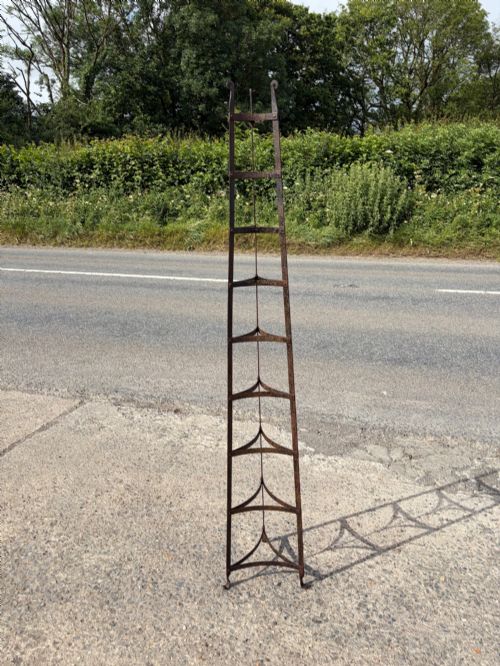
When you search for a vintage metal pan stand, you are looking at utilitarian kitchen and hearth equipment designed to protect surfaces from hot vessels. The selection encompasses multi-tiered wrought iron frameworks built to hold heavy pots alongside lower trivet forms used for kettles and saucepans.
The pieces on this page span several eras, originating predominantly from the Victorian period with occasional nineteenth-century examples and heavier multi-tier racks. Forms range from freestanding tier stands to low table trivets, reflecting the changing demands of domestic kitchens across different decades.
How these metal stands were made
Blacksmiths and metalworkers shaped these objects primarily from wrought iron and brass using traditional forging and casting techniques. Wrought iron components were beaten and joined to create robust load-bearing frames equipped with hooks for hanging cookware.
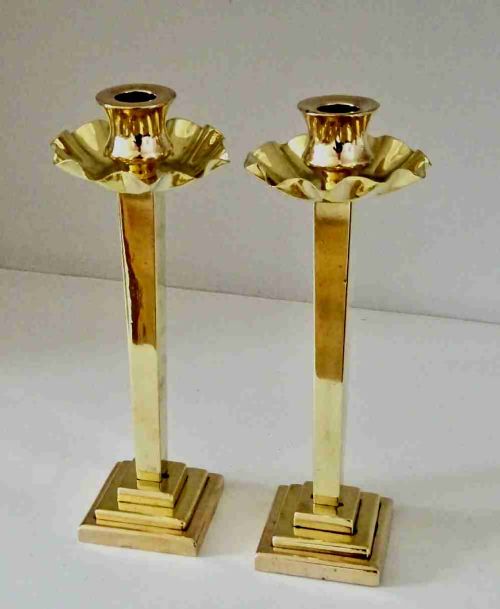
Cast brass and metal alloys appear in smaller table stands and trivets, often featuring fitted bases and decorative pierced surfaces. These construction methods ensured that utilitarian kitchen items could withstand intense heat and heavy daily use.
Vintage Metal Pan Stand Retail Price Guide 2026
Typical asking prices for vintage metal pan stand among the pieces listed under this phrase on Sellingantiques today, from the lower quarter to the upper quarter. They describe what is for sale here now, not the wider market.
Some multi-tier stands spent decades holding heavy stewpots before finding retirement as indoor plant displays.
Judging the quality of metal pan stands
Quality in these utilitarian objects rests on structural integrity and the honesty of the metalwork rather than surface polish. Heavier gauge wrought iron and solid brass construction separate robust kitchen workhorses from lighter decorative reproductions.
The sophistication of the joinery and the survival of original hanging hooks or fitted bases dictate the standing of a piece. Well-forged joints and substantial weight indicate a standard intended for demanding kitchen environments.
The Vintage Metal Pan Stand Glossary
- Wrought iron
- A tough, malleable form of iron that can be heated and forged into strong load-bearing shapes. Blacksmiths utilised this material for heavy domestic racks and frames.
- Trivet
- A small metal stand with feet used to support hot pans or kettles above a table surface. These items protect polished wood from heat damage.
- Bain marie
- A heated container used to keep food warm in a gentle manner. Copper examples feature in related kitchen metalware.
- Tier
- One of a series of rows placed one above another in a rack or stand. Multi-tiered structures allowed kitchens to store multiple pots efficiently.
Vintage Metal Pan Stand: Frequently Asked Questions
What is a vintage metal pan stand used for?
These metal stands were built to hold hot saucepans, pots, and kettles safely away from wooden tables and kitchen surfaces. Multi-tiered versions also provided systematic storage for heavy cookware in busy domestic kitchens.
Today, they serve both their original function and as decorative metal displays in traditional and country-style interiors.
How do I clean a vintage iron pan stand?
Wrought iron and metal stands require gentle cleaning with a soft brush and dry cloth to remove accumulated dust without disturbing the surface. Avoid harsh chemical polishes that strip away the honest character earned through decades of use.
Applying a light coat of neutral wax can help protect iron surfaces from moisture in working kitchen environments.
Are these stands strong enough for heavy pots?
The substantial wrought iron and solid brass pieces on this page were originally engineered to bear the weight of heavy cast iron cookware. Their sturdy construction means they remain fully capable of supporting modern kitchen utensils.
Inspect the joints and overall weight of the frame to ensure it matches the load you intend to place upon it.
How do I date a metal pan stand?
Dating relies on observing the manufacturing techniques, such as hand-forged wrought iron joints versus later machine-made components. Period characteristics align with styles like Victorian utilitarian ironwork or Arts and Crafts metalworking traditions.
Comparing the form against documented kitchen equipment from the nineteenth and early twentieth centuries helps narrow down the era of production.