
Vintage Metal Lighting
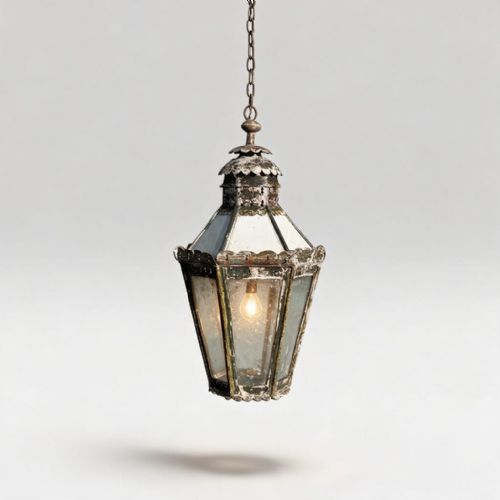
Vintage metal lighting brings together cast bronze, brass, and copper fittings that turn electricity or candlelight into the centrepiece of a room.
Vintage Metal Lighting
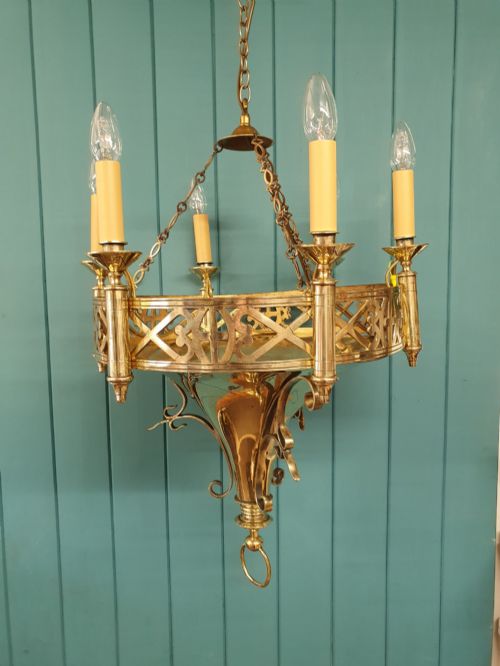
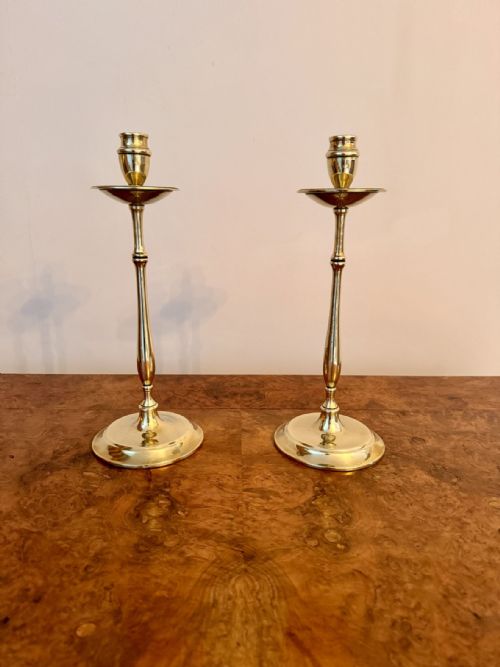
Vintage metal lighting spans chandeliers, wall lights, table lamps, candlesticks, and floor lamps produced across the nineteenth and twentieth centuries. These fixtures utilise durable metal structures in brass, bronze, copper, and gilt metal, often combined with glass and crystal elements.
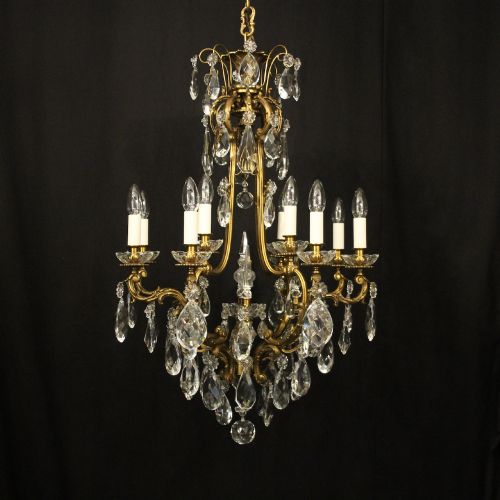
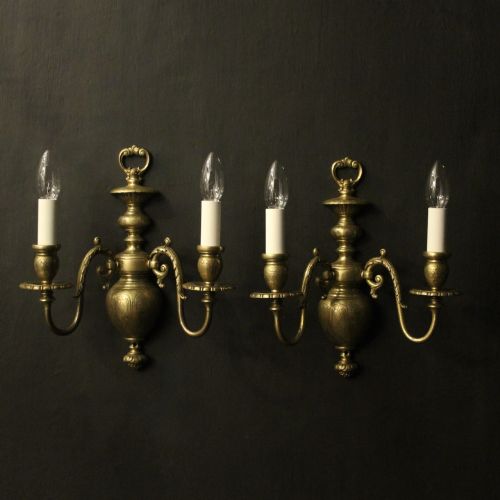
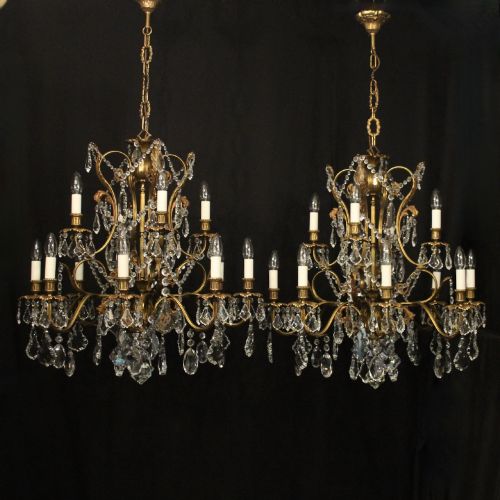
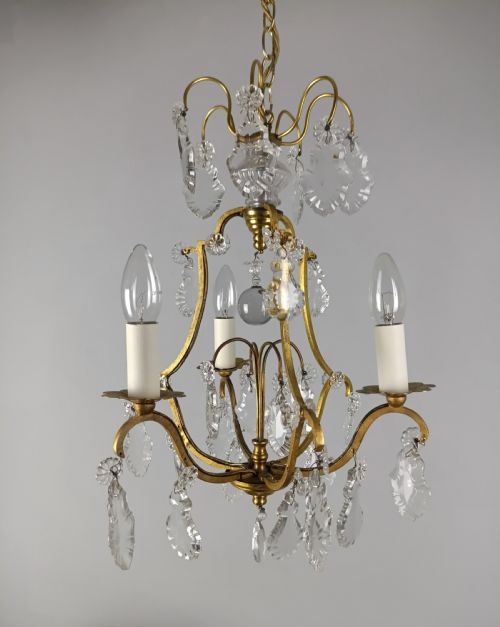
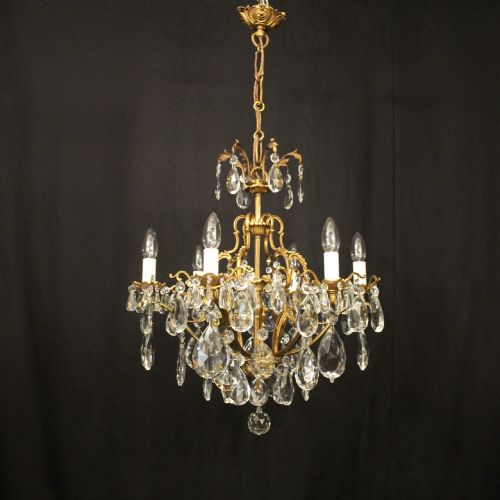
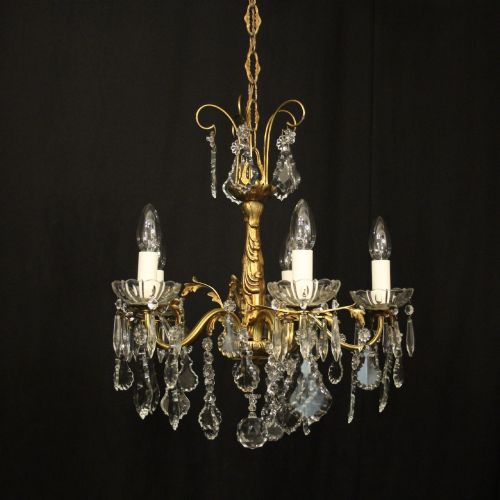
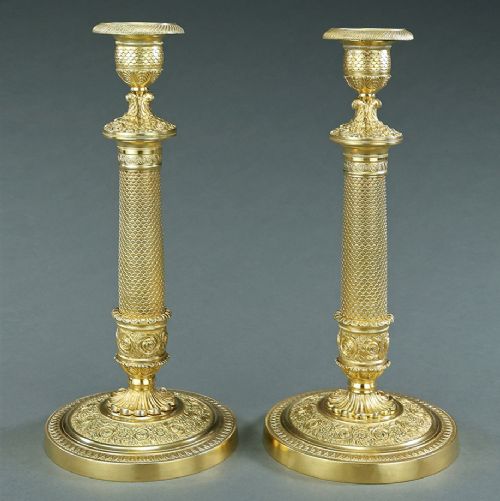
The pieces appearing most frequently take the form of French gilded and crystal chandeliers, alongside brass or bronze candlesticks and wall sconces. Stylistic influences range from French Empire and Rococo to Art Deco and Art Nouveau.
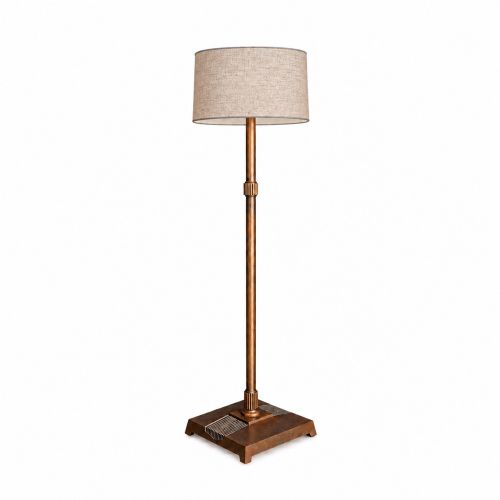
Buyers encounter everything from utilitarian blacksmith-made floor lamps to ornate candelabra and multi-tier birdcage chandeliers. Each item reflects the domestic illumination needs and design tastes of its period, from the Edwardian era through to the nineteen-forties.
Materials and construction methods
Metals such as brass, bronze, and copper form the primary structural framework, shaped through casting, hand-beating, and smithing. Blacksmith-made floor lamps and wall lights display visible hammer marks and wrought iron joints from traditional forging.
Gilding techniques apply gold leaf or metallic finishes to bronze, brass, and spelter frames, while silver plating coats base metals for a polished lustre. Glass and crystal components, including cut spikes, pendeloques, and bowls, attach to the metal armatures with wire or pins.
Wiring and electrical components integrate into older fittings that originally burned candles or gas. Candlesticks and candelabra rely purely on metal casting and turning without electrical fittings, maintaining their original candle-holding function.
The selection includes pieces created across four countries, uniting English, French, Italian, and Scottish metalworking traditions.
Distinctions in manufacture and finish
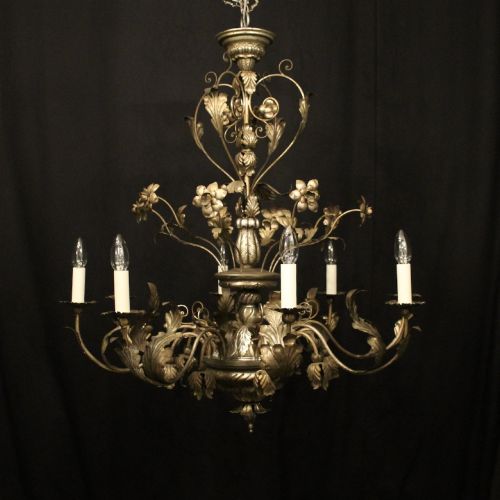
The crispness of cast detail separates superior metalwork from softer reproductions or simpler production pieces. Finely chased bronze and heavily gilded brass retain sharp leaf motifs, crisp foliate scrolls, and clean joinery.
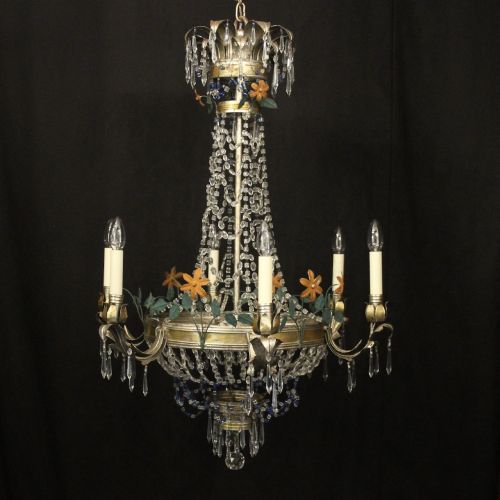
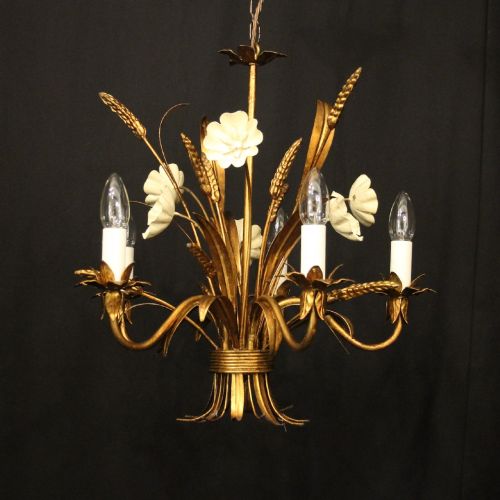
The integration of secondary materials defines the overall standard of a fixture. High-grade pieces use heavy cut crystal drops and robust porcelain flowers rather than pressed glass or moulded plastic substitutes.
Structural integrity and the retention of original surface treatments dictate the standing of an antique light. Untouched patination on bronze and copper demonstrates age, while heavy structural wear or mismatched components alter the integrity of the piece.
Charles Schneider·Eileen Grey·WMF
The Vintage Metal Lighting Glossary
- Plafonnier
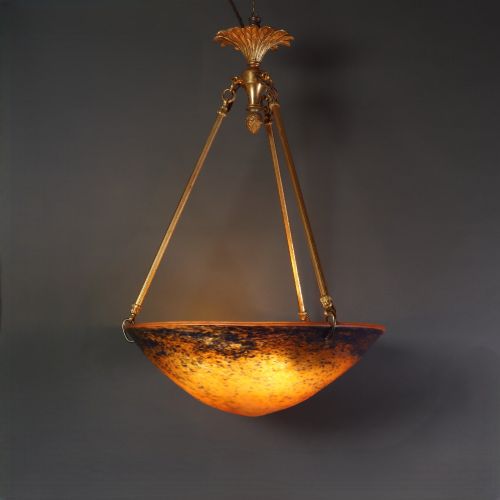
- A ceiling-mounted bowl light or flush fixture, frequently produced in glass and metal during the Art Deco period.
- Ormolu
- Gilded bronze, where a mercury-gilding technique coats the bronze base with a layer of gold. It appears frequently on French Empire candelabra and mounts.
- Spelter
- A zinc alloy used as a cheaper substitute for bronze, often painted or electroplated to resemble brass or bronze in twentieth-century figures.
- Birdcage chandelier
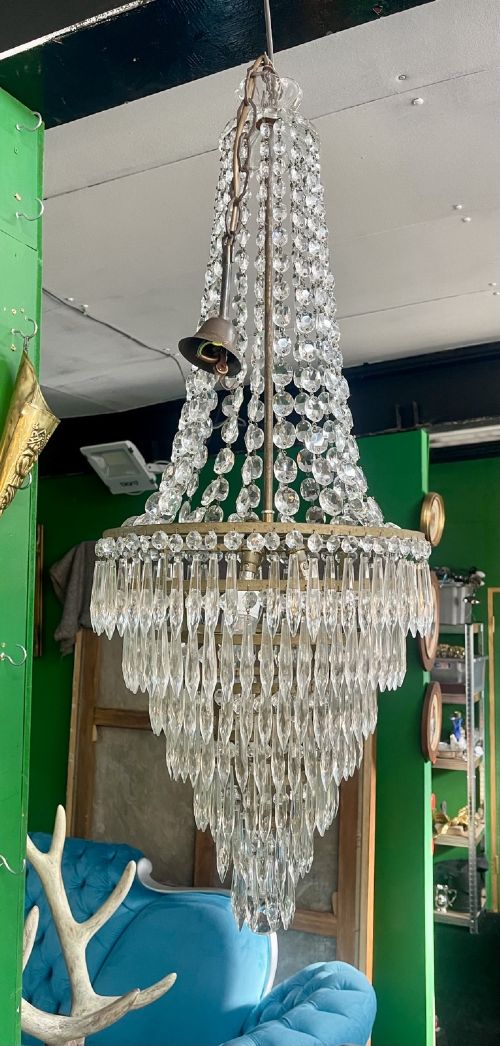
- A multi-tier lighting frame shaped like an avian cage, strung with crystal waterfalls and vertical metal rods holding candle arms.
- Candelabra
- A branched candlestick holding multiple candles or light sources, distinct from a single-stem candlestick.
Vintage Metal Lighting: Frequently Asked Questions
How do I clean antique brass and bronze?
Dust metal surfaces gently with a dry, soft cloth to preserve the natural patination built up over decades. Avoid harsh chemical polishes that strip away the aged finish and diminish the character of the metal.
For glass and crystal drops, remove them carefully if secure, wash them in warm soapy water, and dry them thoroughly before reattachment.
Can vintage chandeliers be rewired for modern ceilings?
Most antique metal chandeliers and wall lights accept modern electrical wiring through their central hollow stems and arms. A qualified electrician should update the internal cabling to meet current safety standards while preserving the original metal sockets where possible.
Weight distribution matters greatly when hanging heavier bronze and crystal chandeliers, so secure ceiling fixings into joists rather than plaster alone.
How do I distinguish Art Deco lighting from Art Nouveau?
Art Deco lighting relies on geometric symmetry, clean lines, and stylised motifs, as seen in copper floor lamps and bakelite desk lamps from the nineteen-twenties. Materials often include chrome, polished brass, and frosted glass.
Art Nouveau pieces favour asymmetrical, flowing organic curves inspired by natural forms, featuring whipped-line brass frames and botanical motifs characteristic of the Edwardian period.
What is the difference between a wall light and a wall sconce?
In practical terms within these listings, both terms describe fixtures mounted to vertical surfaces to provide illumination. Wall sconces historically held candles before conversion to electricity, while wall lights encompass multi-arm brackets designed specifically for electrical bulbs.
Both styles utilise backplates screwed directly to the wall, supporting one or more metal arms extending outward.