



Vintage Metal Hound
A vintage metal hound brings a distinct sculptural presence to a room, offering enduring character through solid metal casting and period design.
Vintage Metal Hound
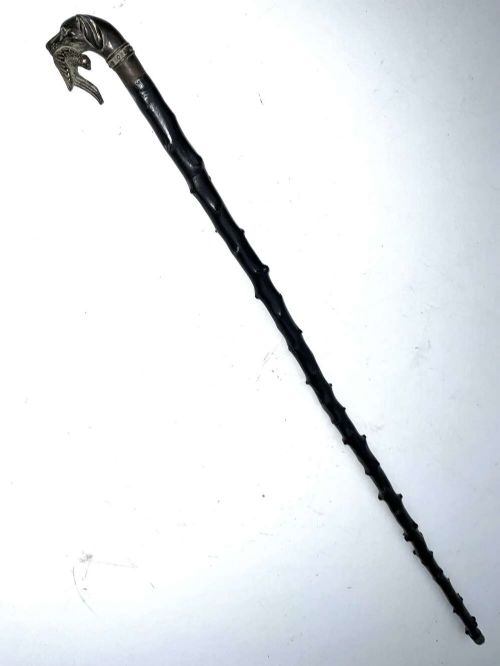
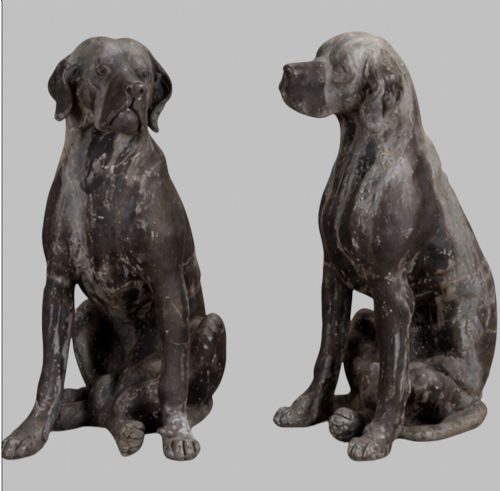
When you search for vintage metal hound, you encounter a varied selection of sculptural figures, functional doorstops, table lamps, and automotive mascots spanning the nineteenth century through the nineteen-thirties. These pieces capture canine forms in diverse settings, from French Animalier groups to English country doorstops.
The selections on this page most frequently showcase Art Deco styling alongside nineteenth-century works. Common forms include large decorative sculptures, heavy door porters, and practical desk or table lighting.
Origins stretch across English and French workshops, utilising traditional foundry methods to render different dog breeds with notable fidelity. You find everything from life-size garden leads to small tabletop ornaments.
How they were made
Foundries utilised bronze, brass, cast iron, spelter, and cast lead to shape these hounds, often mounting figures on marble or onyx bases. Artisans employed traditional casting techniques to capture muscle definition and textural detail in the metal.
Patinated metal finishes and applied patinas create deep surface coloration, while combined materials like brass and cast iron give utilitarian pieces like door stops necessary weight and stability.
Vintage Metal Hound Retail Price Guide 2026
Typical asking prices for vintage metal hound among the pieces listed under this phrase on Sellingantiques today, from the lower quarter to the upper quarter. They describe what is for sale here now, not the wider market.
Cast lead hounds once stood watch over English gardens while smaller metal greyhounds raced permanently atop vintage car radiators.
What varies in quality
The refinement of the casting and the crispness of the surface chasing separate standard utilitarian items from fine sculptural works. Finer examples display meticulous anatomical detail and well-preserved patination on the metal surface.
The integration of secondary materials, such as heavy marble or onyx plinths and matched brass components, distinguishes superior decorative pieces from simpler single-material castings.
C Masson·Louis Lejeune·AL Barye·Barbedienne
The Vintage Metal Hound Glossary
- Animalier
- A nineteenth-century artistic movement dedicated to the realistic portrayal of animals, particularly prominent in French sculpture. Masters of this genre captured wild and domestic creatures in dynamic or resting poses.
- Spelter
- An alloy of zinc and lead used widely as a cost-effective alternative to bronze for decorative figures. It takes patination well to simulate heavier metals.
- Mascot
- A small sculptural ornament mounted on the radiator caps of classic automobiles during the early twentieth century. These figures often depicted stylized animals and racing greyhounds.
- Patinated metal
- Metal treated with chemicals, heat, or acids to produce a specific surface colour and aged finish. This process protects the underlying material while enhancing visual depth.
- Door porter
- A heavy weighted doorstop equipped with a handle, designed to be easily moved and positioned. Victorian examples frequently combine brass and cast iron.
Vintage Metal Hound: Frequently Asked Questions
What periods do these hounds come from?
The pieces span from the nineteenth century through the nineteen-thirties, covering Victorian, Georgian, and Art Deco eras.
Most items reflect the prevailing design aesthetics of their specific decade of production, from French fireside statues to early motor mascots.
How were these metal hounds used originally?
They served multiple purposes ranging from fine art sculptures and mantelpiece decorations to functional doorstops and automobile mascots.
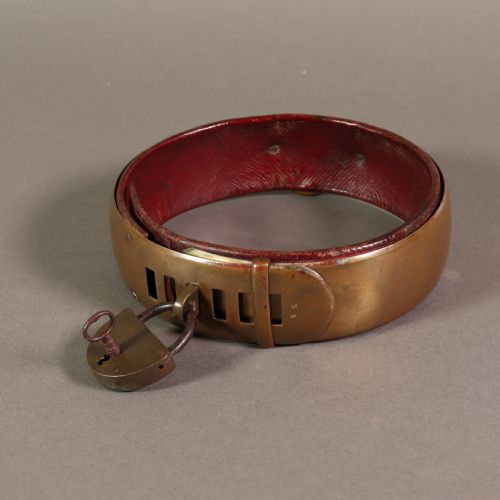
Some items, such as table lamps and dog collars, combined decorative canine motifs with everyday household utility.
How do I identify Art Deco styles?
Art Deco hound sculptures typically feature streamlined forms, geometric bases, and associations with nineteen-twenties and nineteen-thirties design.
These pieces often highlight sleek greyhounds or stylized groupings mounted on polished marble plinths.