


Vintage Metal Holder
These vintage metal holder examples span brass, copper, and iron, serving practical functions from wine storage to hearth organisation with distinct period character.
Vintage Metal Holder
A vintage metal holder encompasses diverse functional household items, ranging from wine bottle holders and umbrella stands to chambersticks and wall sconces. Buyers seeking these objects encounter utilitarian pieces intended for daily use alongside decorative accessories designed for formal interiors.
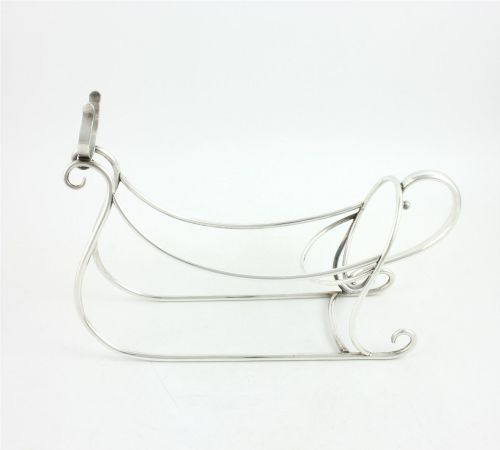
The selections span multiple eras, notably the Victorian, Edwardian, and Art Deco periods, showcasing shifts in domestic habits and interior design tastes. Common forms include brass hearth tidies, copper coal buckets, and silver-plated bottle holders.
Originating from British, French, and Continental workshops, these items utilise materials suited to their functional demands, such as heavy cast iron for stands and ductile copper for vessels. The variety reflects the industrial capabilities and stylistic preferences of their respective decades.
Materials and construction techniques
Makers utilised metals such as brass, copper, steel, and iron, often applying silver plating, nickel plating, or gilt finishes to enhance appearance. Techniques varied from blacksmith-wrought ironwork to industrial casting and fine piercing.
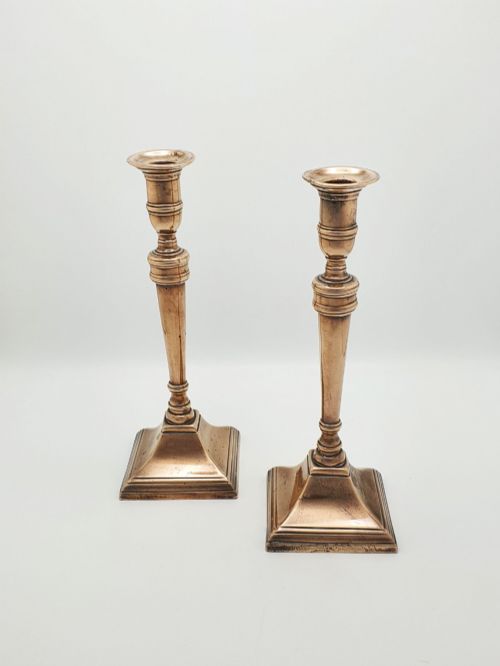
Vessels like planters and coal scuttles frequently display riveted construction and hand-beaten surfaces, particularly in Arts and Crafts examples. Candlesticks and candelabra demonstrate precision casting in brass, bronze, and ormolu.
Vintage Metal Holder Retail Price Guide 2026
Typical asking prices for vintage metal holder among the pieces listed under this phrase on Sellingantiques today, from the lower quarter to the upper quarter. They describe what is for sale here now, not the wider market.
Listings feature items spanning the 1800s through the 1930s, utilising brass, copper, iron, and silver plate.
Markers of distinction and build
Quality rests in the weight of the metal, the crispness of cast decorative details like foliage or geometric motifs, and the integrity of structural joins such as rivets and welds. Thicker gauge copper and solid brass components separate robust utility pieces from lighter decorative items.
The refinement of surface finishes, including hand-chased ornamentation on gilt bronze or precise silver plating, distinguishes standard production items from workshop pieces created by known makers.
Mappin and Webb·Villeroy and Boch
The Vintage Metal Holder Glossary
- Ormolu
- A gilded bronze technique used extensively on decorative mounts and candlesticks during the eighteenth and nineteenth centuries.
- Chamberstick
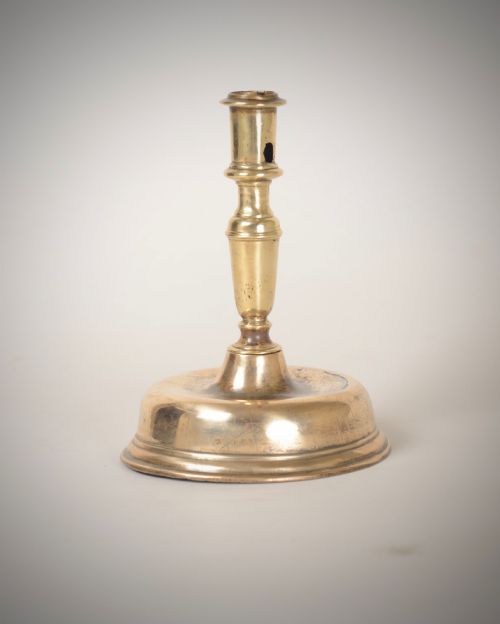
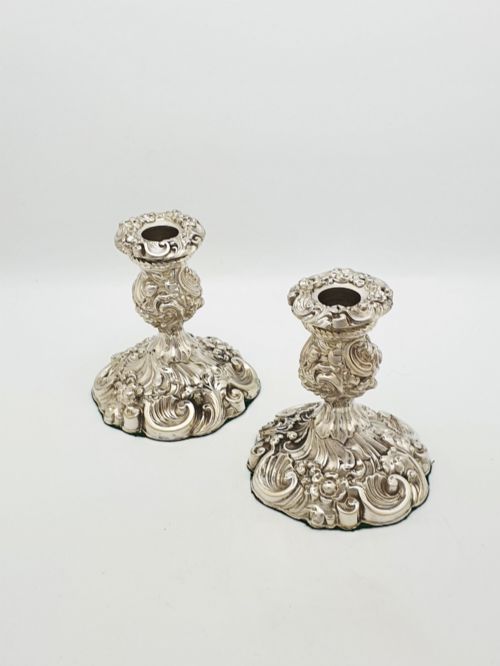
- A short portable candlestick fitted with a pan to catch dripping wax and a handle for carrying through a house.
- Jardiniere
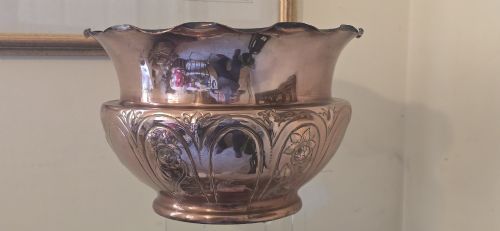
- An ornamental pot or stand designed to hold growing plants or flowers, often made from heavy copper or brass.
- Wrought iron
- Iron shaped by a blacksmith using hammers and heat, resulting in visible texture and robust durability.
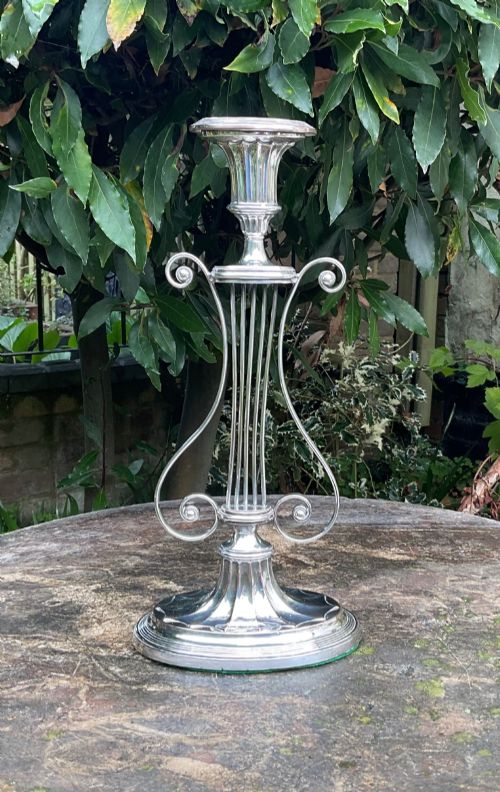
- Silver plate
- A layer of silver bonded to a base metal core such as copper or brass to give the appearance of solid silver.
Vintage Metal Holder: Frequently Asked Questions
How do I clean brass and copper?
Use a gentle metal cleaner suited to the specific alloy, avoiding abrasive pads that can remove historic patina. Wash the surface with mild soapy water afterwards to remove chemical residue.
Dry the metal thoroughly with a soft cloth to prevent water spots and tarnishing from reforming quickly on polished surfaces.
Were umbrella stands used indoors?
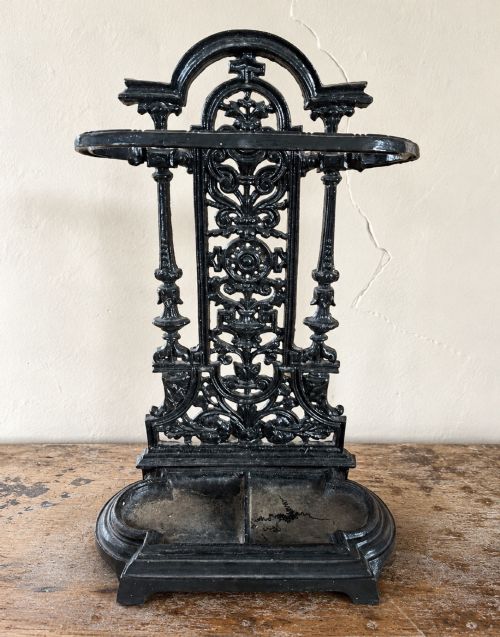
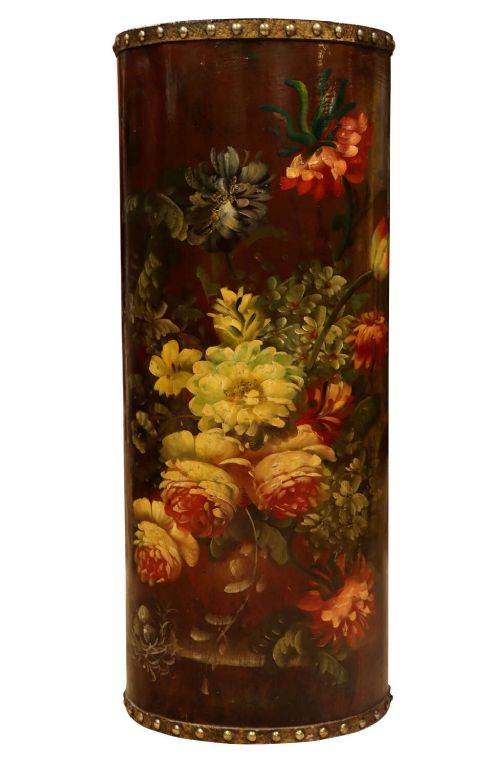
Umbrella and stick stands were placed in hallways and boot rooms to catch water and mud from wet outdoor gear. Metal variants prevented moisture from damaging wooden flooring.
Cast iron bases provided the necessary weight to keep tall stands stable when loaded with heavy walking sticks and umbrellas.
What is an ormolu sconce?
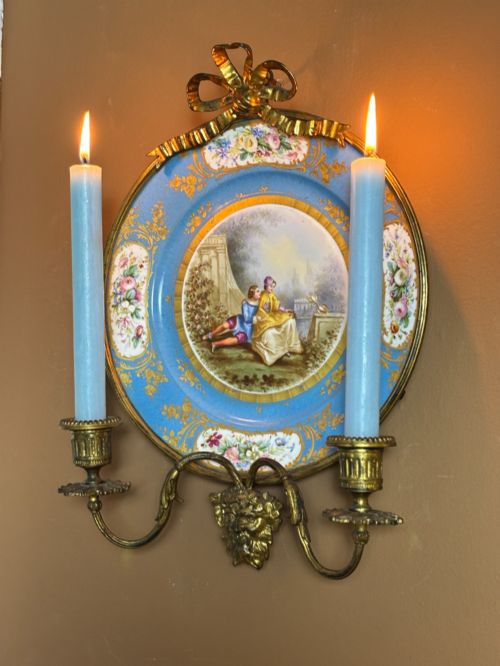
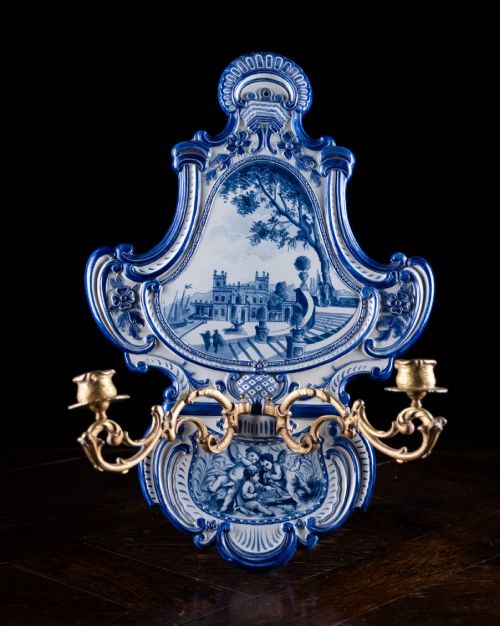
An ormolu sconce is a wall-mounted light fixture featuring gilded bronze ornamentation. These pieces directed candlelight outward to illuminate interior spaces.
They reflect light from polished metal surfaces, enhancing the brightness of candle-lit rooms in period homes.
How do I date a metal piece?
Examine the manufacturing marks, construction methods, and stylistic cues such as Art Nouveau curves or Art Deco geometric lines. Rivets, cast seams, and patination offer clues to the age of the material.
Compare the form with documented examples from periods like the Edwardian era or the nineteenth century to narrow down the decade.