


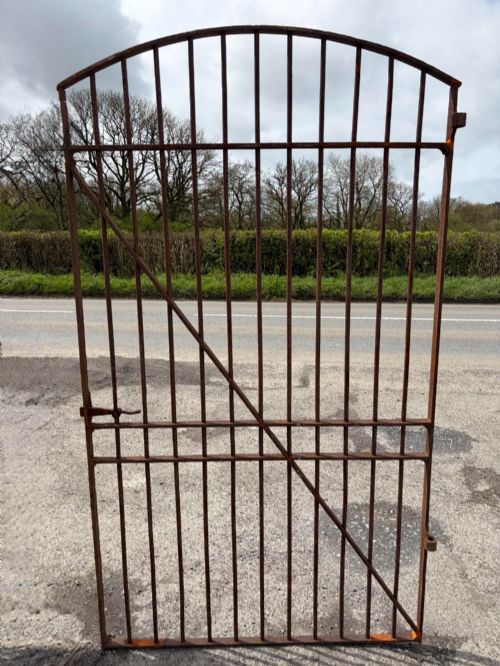


Vintage Metal Gates
These vintage metal gates bring heavy ironwork and striking architectural salvage into gardens and courtyards, offering genuine period structure for modern boundaries.
Vintage Metal Gates
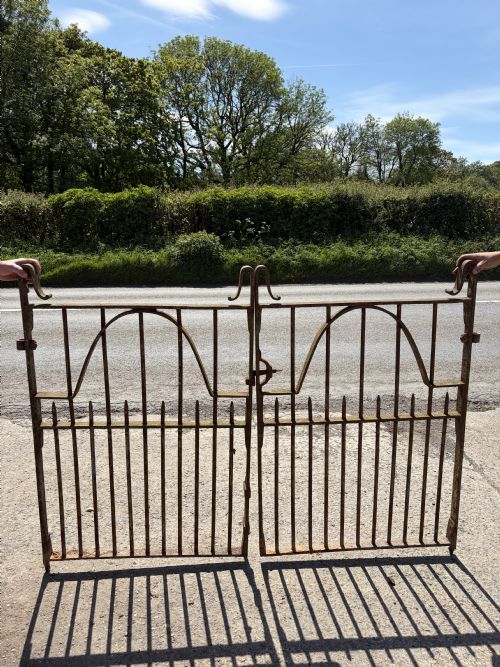
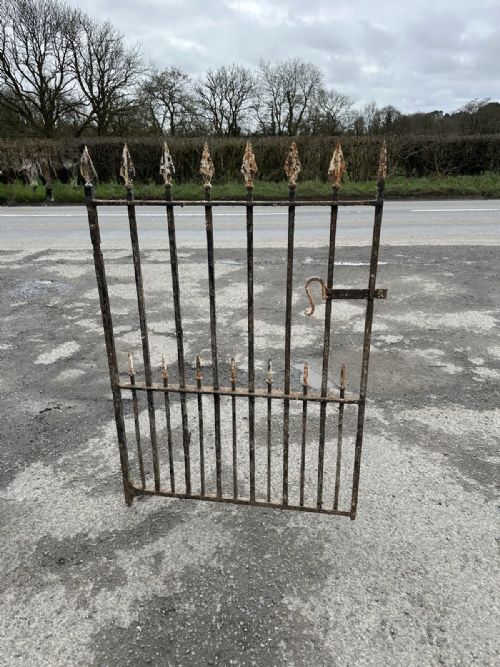
Vintage metal gates primarily encompass utilitarian and estate barriers forged from heavy iron during the 19th and early 20th centuries. Buyers searching for vintage metal gates encounter everything from modest garden entrances to tall arched estate barriers.
The selection ranges across Victorian, Edwardian, and earlier 18th Century origins, reflecting solid blacksmith traditions. Surviving examples frequently combine cast and wrought iron elements to achieve both structural rigidity and decorative strapwork.
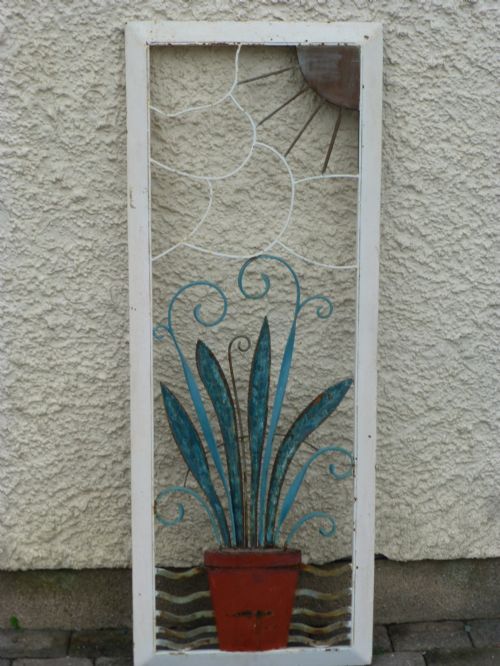
Beyond full-sized garden gates, the category occasionally includes smaller architectural panels or repurposed gate sections. Each piece shows the distinct marks of period construction, making them suitable for both functional restoration and decorative garden design.
Materials and construction methods
Blacksmiths utilised wrought iron and cast iron for these pieces, shaping molten or heated metal by hand and hammer. Traditional construction relied on hot-riveting and secure strapwork joints rather than modern electric welding.
Heavier estate barriers required substantial framing to support wide spans without sagging over time. Smaller garden gates employed simpler forged bars and decorative scrolls, balancing strength with simpler ornamentation.
Vintage Metal Gates Retail Price Guide 2026
Typical asking prices for vintage metal gates among the pieces listed under this phrase on Sellingantiques today, from the lower quarter to the upper quarter. They describe what is for sale here now, not the wider market.
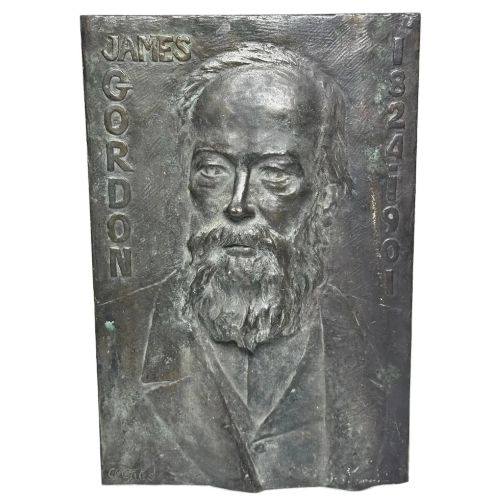
One unexpected item is an early Edwardian bronze portrait attributed to Alice Gates, proving that gates are not the only things bearing that historic surname.
Judging quality in metalwork
Quality rests upon the skill of the blacksmith and the integrity of the original forging. Superior examples display clean rivet work, well-balanced proportions, and thoughtful decorative strapwork that enhances the structural frame.
The balance between cast and wrought components dictates the character and resilience of the gate. Finer items retain crisp details in their ironwork and substantial stock metal that resists twisting.
The Vintage Metal Gates Glossary
- Wrought iron
- A tough, malleable form of iron containing slag inclusions, traditionally shaped by hammering. It resists rust better than modern steel and allows for intricate blacksmith forging.
- Cast iron
- Iron poured into a mould in a molten state to create rigid components with decorative detail. It offers high compressive strength but remains brittle under sudden impact.
- Strapwork
- Flat bands of metal applied across joints or surfaces for reinforcement and decoration. This technique strengthens the frame while adding geometric visual interest.
- Kissing gate
- A small gate that swings within an enclosure, allowing pedestrians to pass while preventing livestock from escaping. These compact structures often feature simple wrought iron latches.
- Architectural salvage
- Building components rescued from older properties for reuse in new settings. This includes garden gates, metal panels, and structural ironwork.
Vintage Metal Gates: Frequently Asked Questions
How do I hang a heavy iron gate?
Hanging these pieces requires sturdy brick piers, stone pillars, or heavy timber posts capable of supporting considerable weight. Professional installation involves securing adjustable hook and band hinges directly into the masonry.
Because many period gates lack standard modern dimensions, checking pivot points and ground clearance carefully before fixing ensures smooth operation.
How do I protect vintage iron from rust?
Preserving vintage metal involves removing loose flakes and applying a protective coating formulated for exterior ironwork. Traditional black paint or specialised metal treatments prevent moisture from reaching the underlying iron.
Maintaining the protective layer annually keeps the metal stable while retaining the historic surface texture of the blacksmith's work.
Can I use old garden gates outdoors?
These gates were originally built for exterior garden and estate use, making them naturally suited to outdoor settings. Placing them on well-drained footings prevents moisture accumulation at the base of the upright bars.
Regular inspection of the pivot points ensures the metal remains functional despite exposure to weather.
How do I date a metal gate?
Dating relies on observing construction details such as hand-forging marks, riveted joints, and the mix of cast and wrought elements. 18th and early 19th-century examples often show distinct blacksmith techniques differing from later industrial production.
Stylistic cues like Victorian scrollwork or Edwardian proportions help place the piece within a specific historical period.