

Vintage Metal Flute
These vintage metal flute examples span nineteenth century brass and silver plate, offering buyers decorative vessels and lighting from various periods.
Vintage Metal Flute
When buyers search for a vintage metal flute, they encounter a range of items encompassing brass, copper, silver plate, and cast iron objects from the nineteenth century onward. The selection spans utilitarian kitchenware such as jelly moulds alongside decorative items like candlesticks, garden urns, and lamps.
The most frequent examples found in this category include Victorian copper jelly moulds and nineteenth century cast iron garden urns. These pieces reflect historical periods from the Victorian era through the Art Deco years, capturing diverse domestic and garden forms in metal.
How they were made
Makers utilised metals such as brass, copper, cast iron, bronze, and silver plate to shape these objects. Copper kitchenware often incorporated tin linings for practical use.
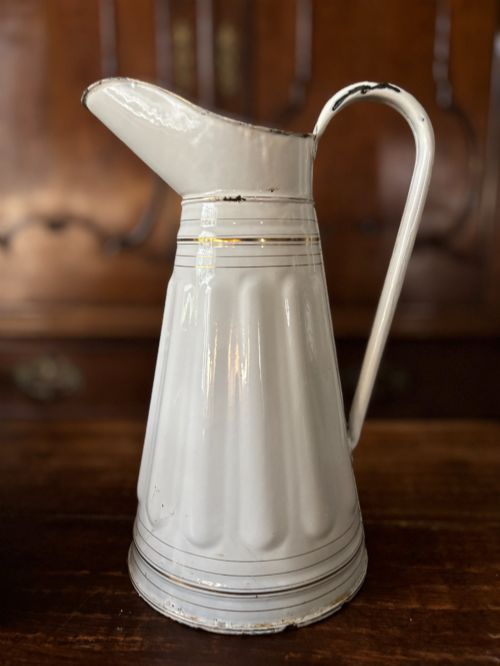
Casting, plating, and hand-painting techniques shaped the cast iron urns, bronze sculptures, and enamelware jugs recorded in the evidence. These methods produced durable domestic vessels and ornamental fixtures.
Vintage Metal Flute Retail Price Guide 2026
Typical asking prices for vintage metal flute among the pieces listed under this phrase on Sellingantiques today, from the lower quarter to the upper quarter. They describe what is for sale here now, not the wider market.
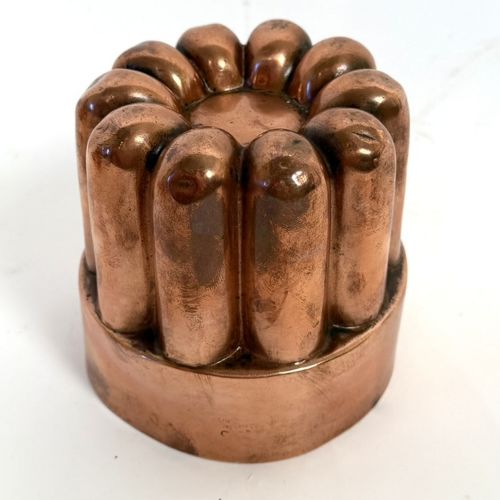
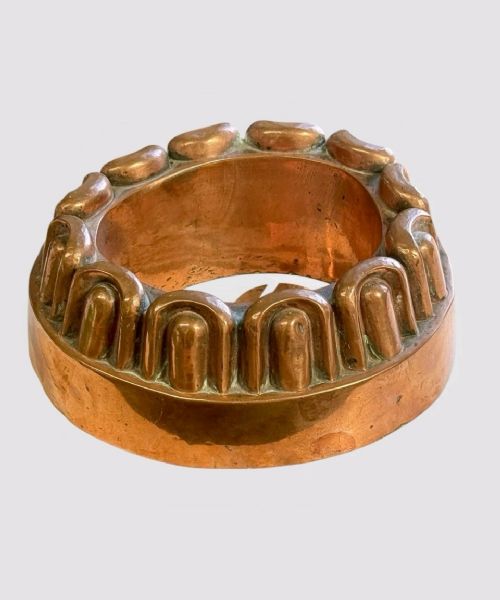
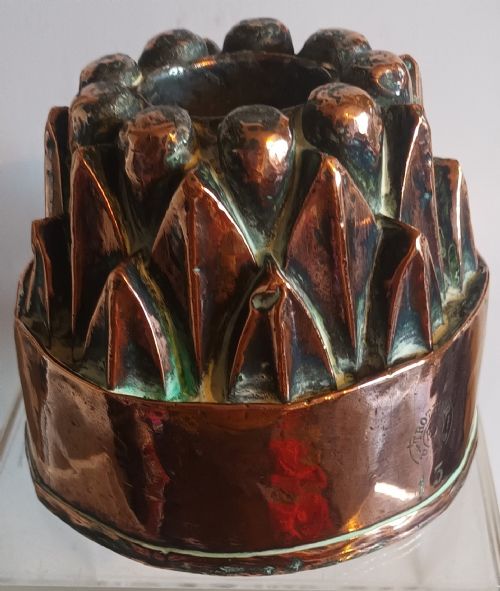
Victorian bakers relied on tin-lined copper moulds to ensure their ornate jellies slipped out intact for the dining table.
What varies in quality
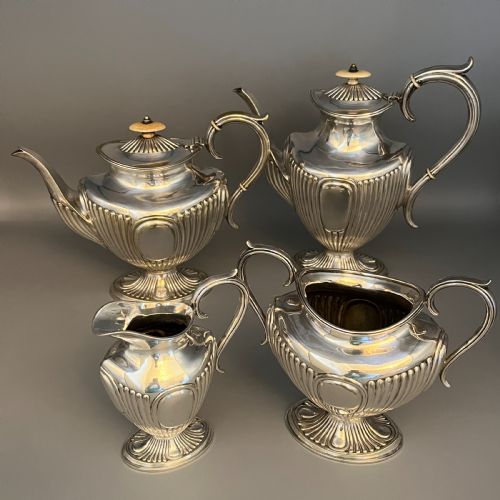
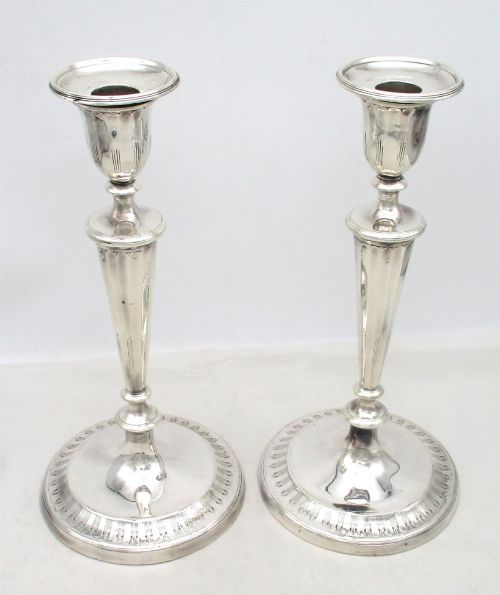
The standard of these pieces depends on the crispness of the casting in iron and bronze items, and the preservation of silver plating on tea sets and candlesticks. Heavier cast iron urns and well-maintained copper moulds represent the higher end of the range.
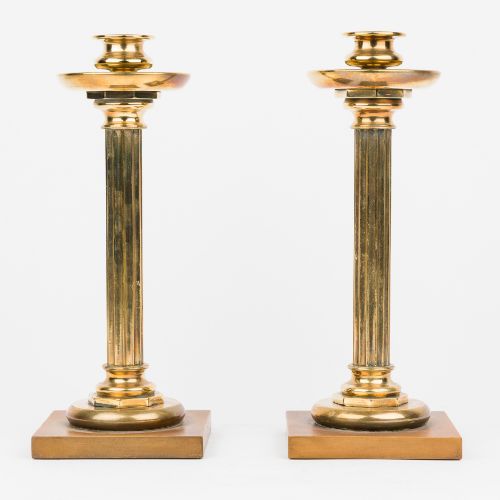
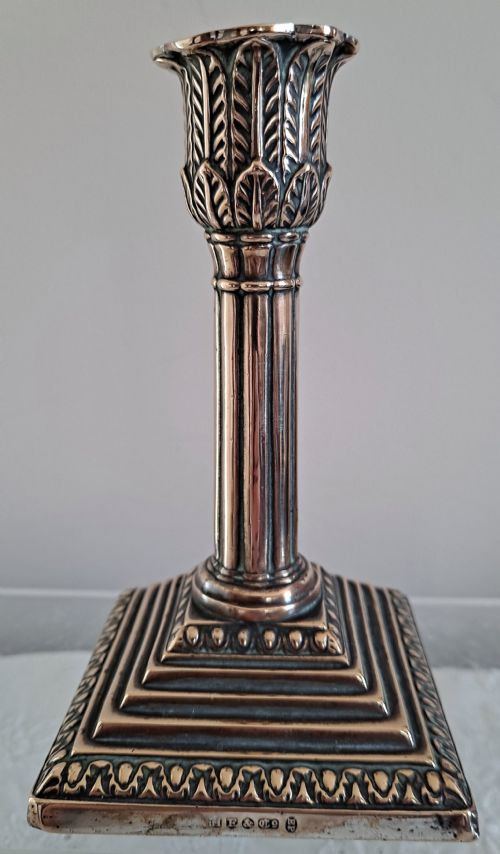
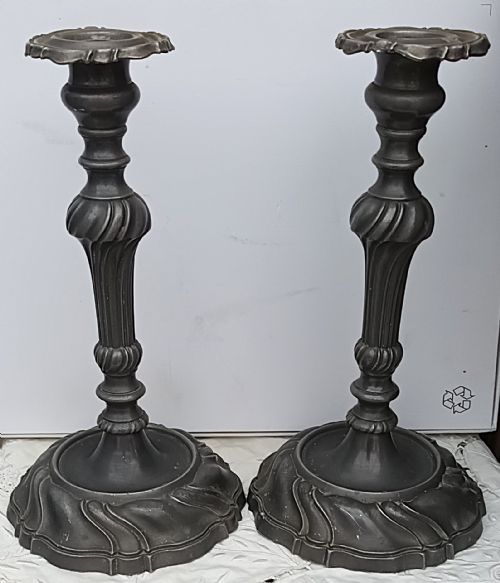
Design detail also separates standard items from superior examples, such as marked foundry details on cast iron or intricate Rococo and Art Nouveau ornamentation on pewter and brass candlesticks.
Mappin & Webb·Val D'Osne Foundry·Andrew Handyside·Cartier
The Vintage Metal Flute Glossary
- Silver plate
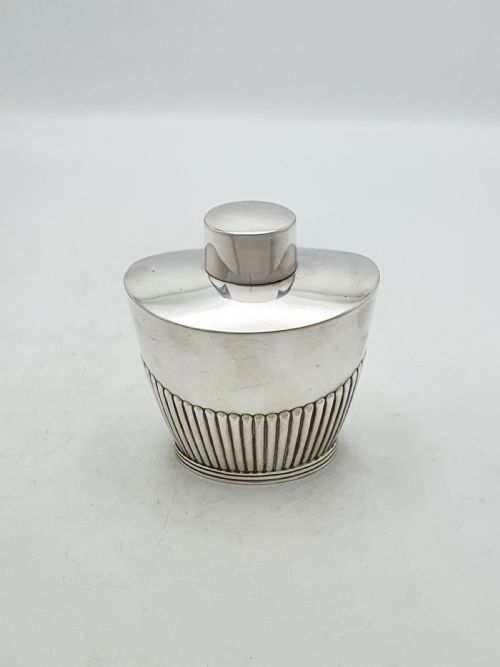
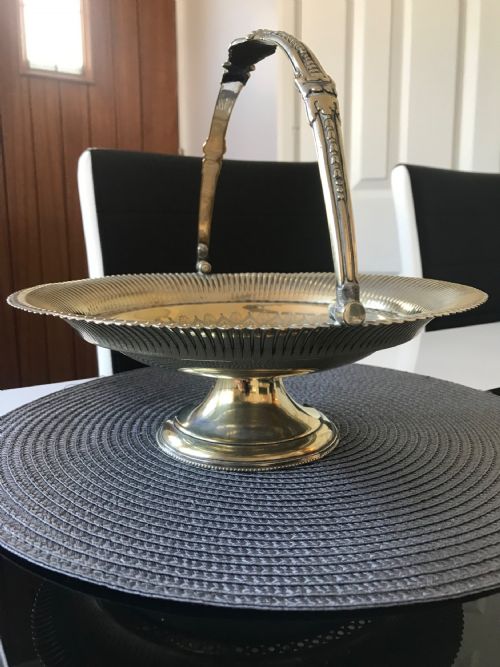
- A layer of silver applied to a base metal such as copper or brass. This technique provides the appearance of solid silver at a different scale of production.
- Campana urn
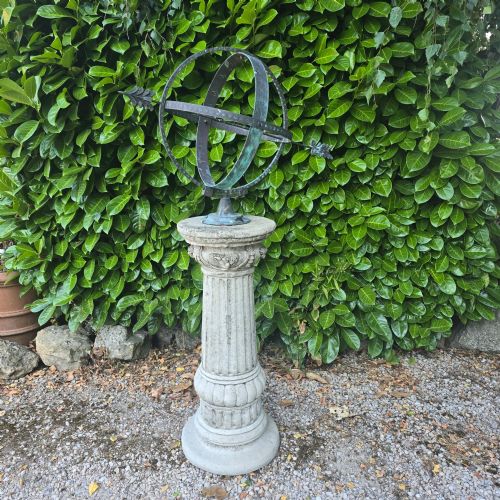
- A bell-shaped garden ornament typically cast in iron during the nineteenth century. These vessels often sit upon stone or iron plinths.
- Jelly mould
- A kitchen container shaped with internal patterns to form jellies and blancmanges. Copper and tin examples were common in Victorian kitchens.
- Jardiniere
- An ornamental pot or stand designed to hold plants or flowers. Solid brass versions appeared frequently during the Edwardian period.
Vintage Metal Flute: Frequently Asked Questions
What periods do these metal pieces represent?
The listings encompass items from the nineteenth century, Victorian era, Edwardian period, and twentieth-century movements like Art Deco.
Dates span from the eighteen hundreds through the nineteen forties, reflecting changing stylistic preferences in domestic and garden objects.
How were copper jelly moulds used?
Victorian households utilised copper moulds for setting jellies, as copper conducts temperature efficiently in food preparation.
Many featured tin linings to prevent food contact with the reactive copper surface.
Where were cast iron urns displayed?
Heavy cast iron urns served as garden ornaments, often mounted on plinths to decorate lawns and terraces.
Foundries produced robust campana shapes designed to withstand outdoor conditions.
How do I identify silver plated items?
Silver plated pieces display a silver exterior over a different base metal, common in nineteenth-century tableware and candlesticks.
Maker marks and manufacturer stamps often assist in dating these domestic objects.