
Vintage Metal Fireplace Bucket
A vintage metal fireplace bucket brings utility and texture to a hearth, holding coal, logs or kindling in solid brass, copper or iron.
Vintage Metal Fireplace Bucket
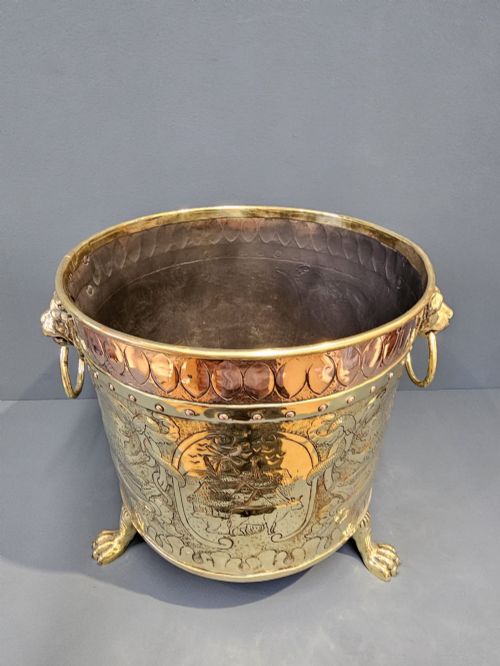
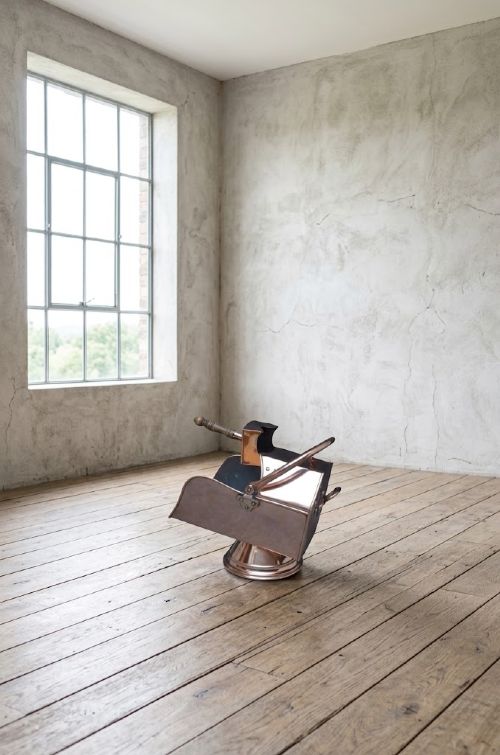
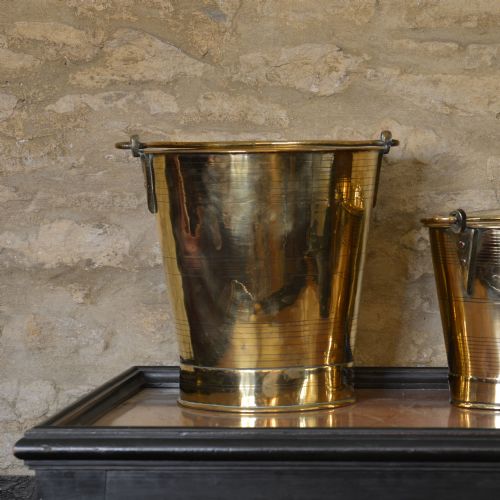
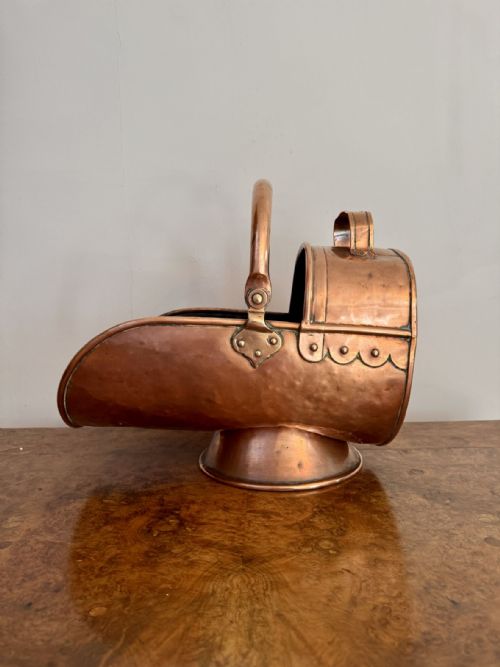
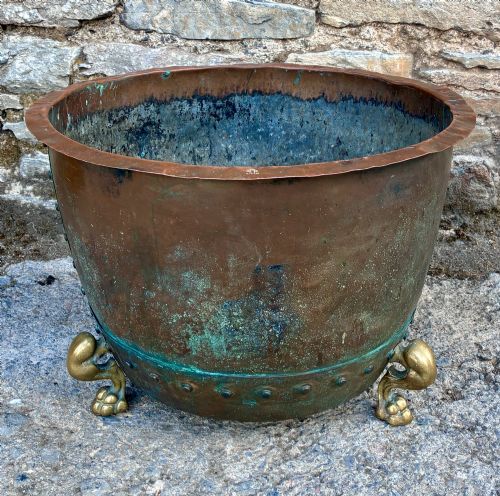
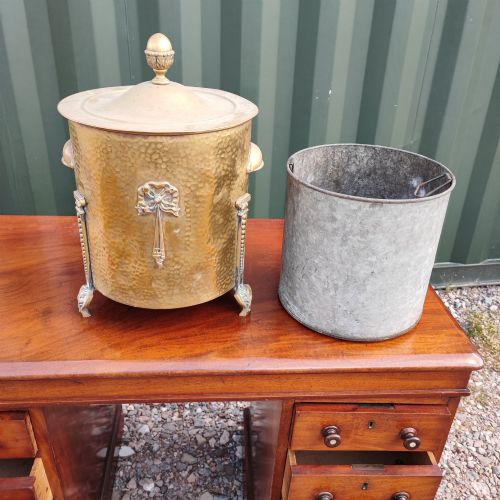
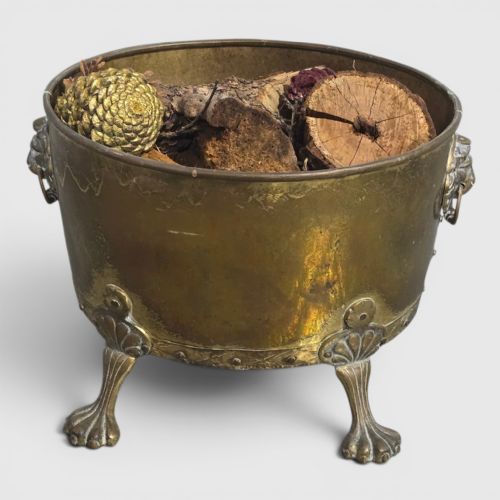
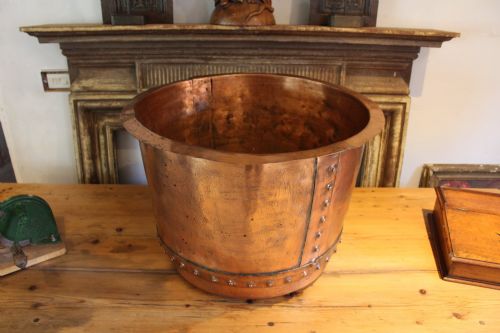
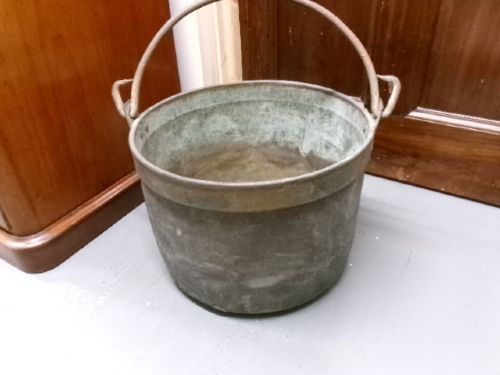
A vintage metal fireplace bucket serves the practical purpose of storing fuel by the hearth while adding metallic warmth to a room. When exploring this selection, buyers encounter various forms designed for solid fuel, including cylindrical log bins, helmet-shaped scuttles and swing-handled cauldrons.
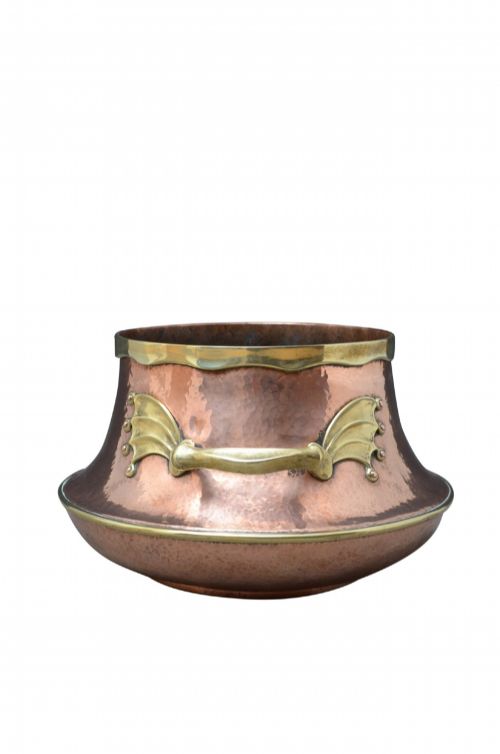
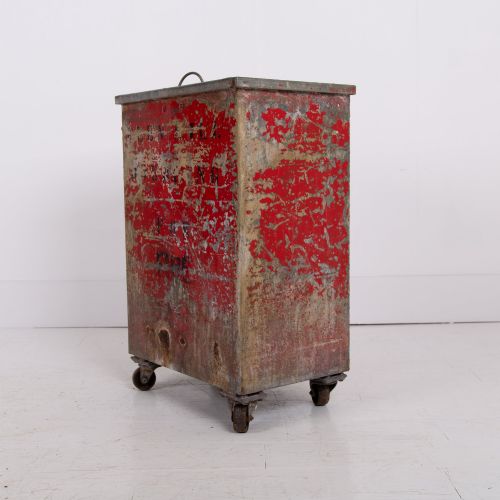
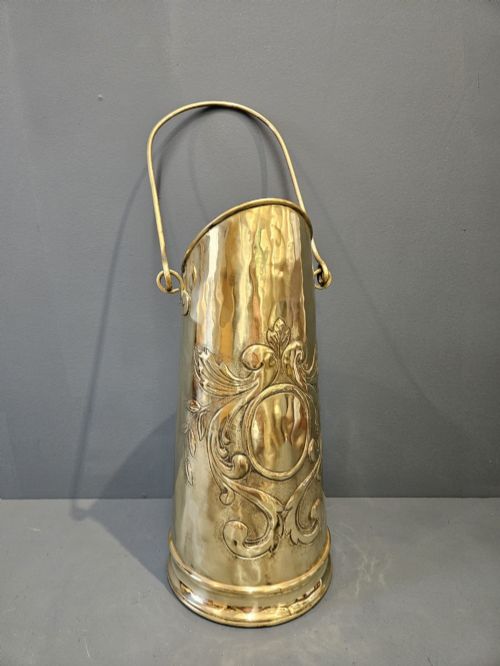
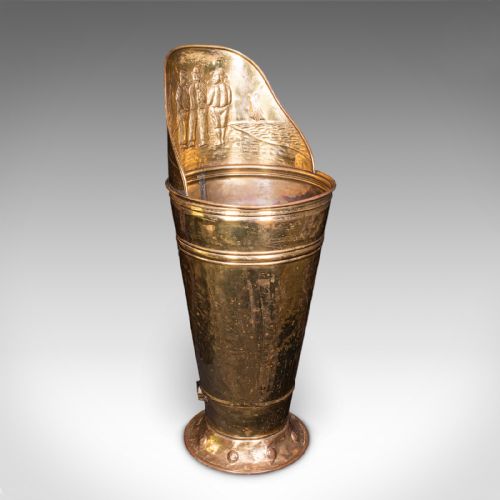
The pieces appearing on this page span the nineteenth century through the early twentieth century, taking in Victorian, Arts and Crafts and Art Nouveau styles. Alongside standard coal buckets, the selection includes related vessels such as planters, jardinières and boilers adapted for fireside use.
Materials and construction methods
Metalworkers shaped these vessels primarily from sheet copper and brass, often combining both metals to create contrasting bands, handles and rims. Wrought iron and cast iron provide sturdy foundations for heavier utility pieces and internal frames.
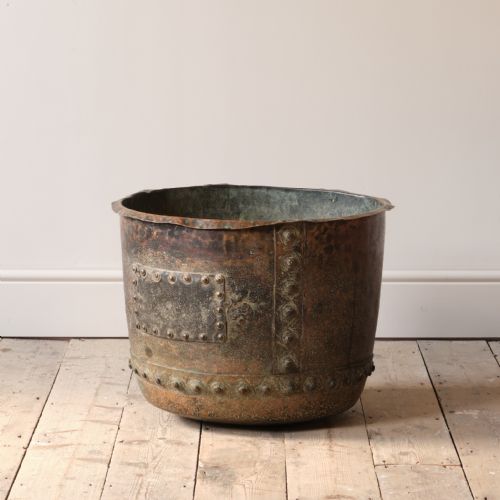
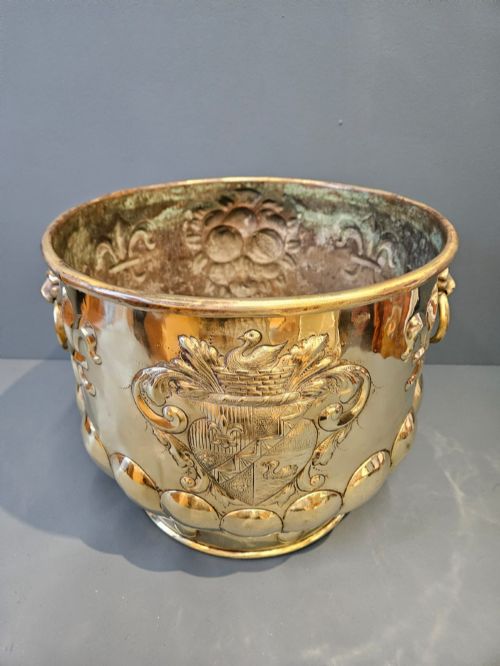
Construction techniques include hand-riveting sheet metal seams, hammering decorative surface textures and embossing panels with figurative or floral motifs. Swing handles typically attach through reinforced ears or brackets riveted directly to the body.
Materials recorded across these hearth accessories include copper, brass, wrought iron, cast iron, wood, and silver plate.
Measures of quality
Substance and gauge of metal dictate the structural integrity of a bucket, separating heavy-walled items capable of holding coal from lighter decorative vessels. The crispness of hand-hammered detailing, sharp embossing and secure riveting indicate skilled workshop production rather than mass output.
Original components such as matching brass shovels, sturdy swing handles and unaltered feet preserve the integrity of a piece. Surface patination achieved through age and use adds depth to copper and brass, distinguishing authentic period examples from modern reproductions.
The Vintage Metal Fireplace Bucket Glossary
- Coal scuttle
- A container designed for carrying and storing coal, often featuring a sloping helmet shape or a hinged lid for controlled pouring.
- Riveted
- Joined with metal pins hammered flat at the ends to secure overlapping sheets of copper or iron.
- Jardiniere
- An ornamental pot or stand for holding plants or flowers, frequently utilised beside a fireplace to hold logs.
- Tole ware
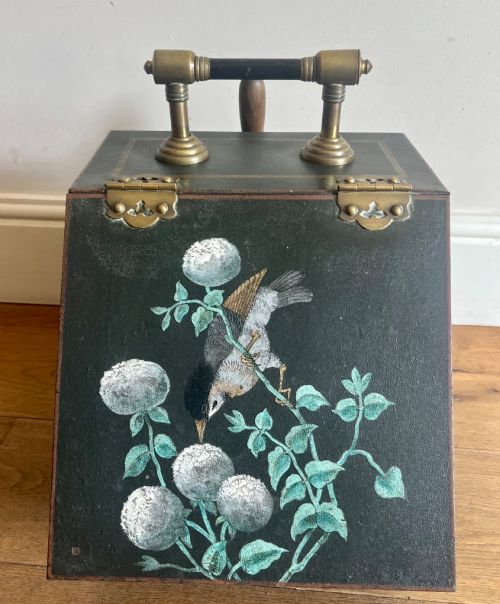
- Lacquered or enamelled metalware, offering a painted surface finish distinct from polished brass or copper.
Vintage Metal Fireplace Bucket: Frequently Asked Questions
How do I clean a copper fireplace bucket?
Dust the surface regularly with a soft cloth to prevent particulate buildup on the metal. Avoid harsh abrasive cleaners that strip away the historic patination accumulated over decades of use.
Gentle cleaning preserves the warm reddish-brown tones of copper and the golden highlights of applied brass trim.
Can these metal buckets hold water for plants?
Many copper and brass vessels were originally manufactured as log bins or coal buckets rather than watertight planters. Metal seams secured with rivets may allow moisture to seep through over time.
Using a modern internal liner protects the historic metal interior from damp soil and standing water.
How do I identify a Victorian piece?
Victorian examples often display heavy gauge copper bodies joined with hand-hammered copper rivets. Decoration commonly includes embossed floral motifs, crests or stylized Art Nouveau elements.
Makers working during this period favoured substantial brass mounts and sturdy swing handles attached with reinforced brackets.