


Vintage Metal Desk Lamp
These vintage metal desk lamp designs bring industrial utility and decorative presence to a workspace, offering solid construction alongside period character.
Vintage Metal Desk Lamp
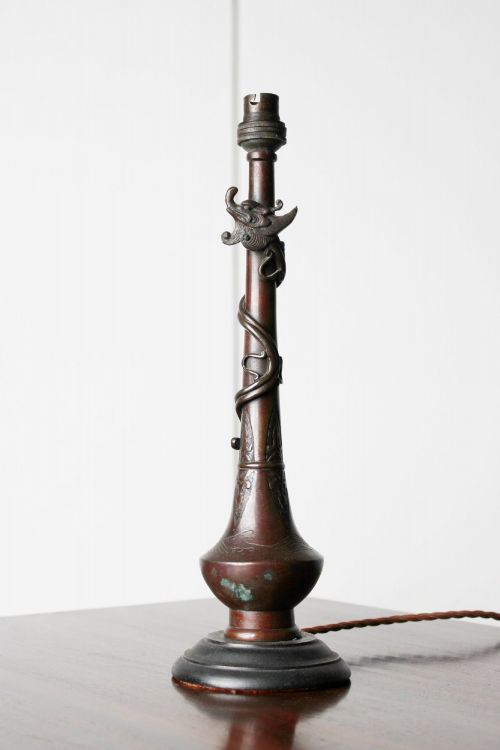
A vintage metal desk lamp serves as a functional workspace light and a decorative object, taking forms from utilitarian reading lights to sculptural novelty pieces. When exploring this selection, buyers frequently encounter designs spanning the Victorian, Edwardian, and 1930s periods.
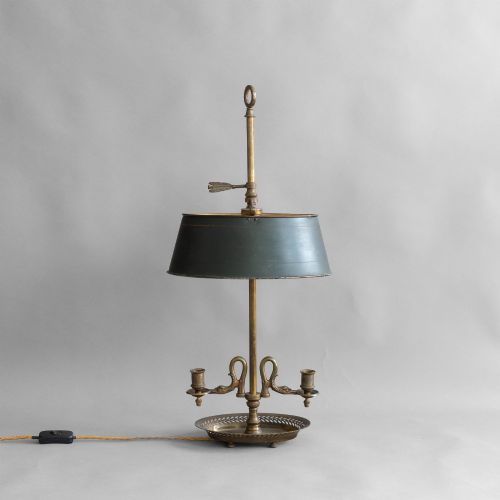
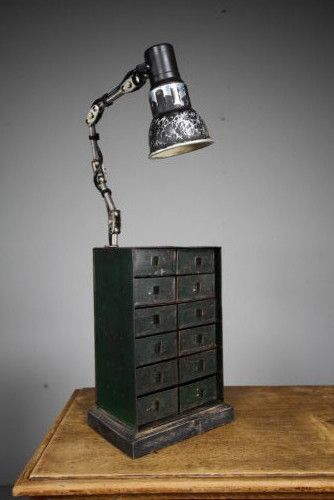
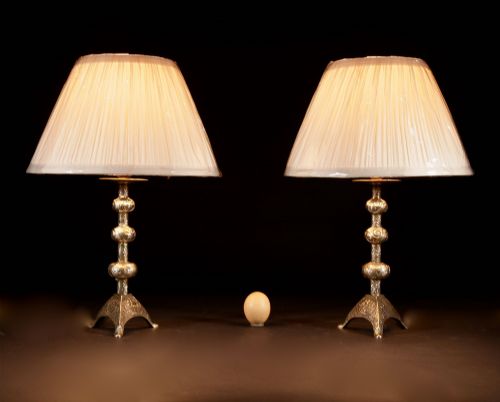
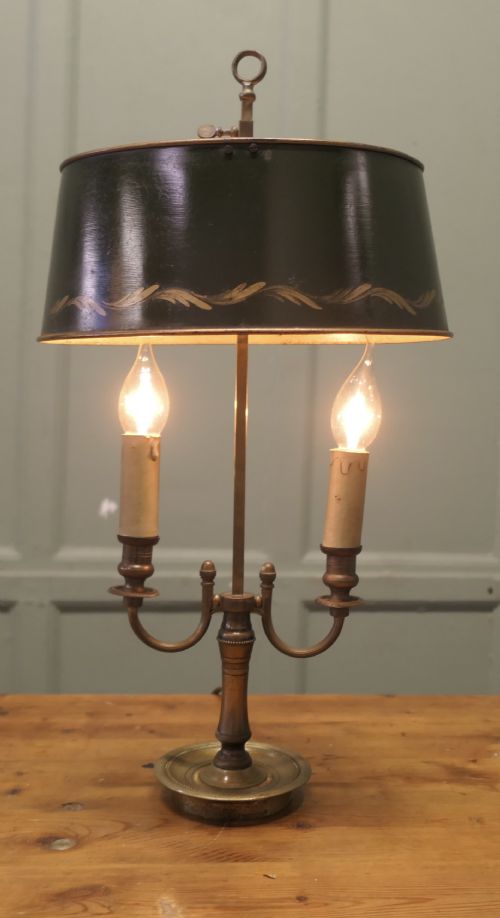
The objects appearing in these listings originate from English, French, and other European workshops, incorporating styles such as Art Deco, Art Nouveau, and the Machine Age. Common variations include adjustable reading lamps, twin bouillotte lamps, and chrome or brass task lights.
Makers and manufacturers represented across the periods utilise specific metals combined with fabric, glass, or marble bases to create balanced desktop illumination.
Materials and Construction
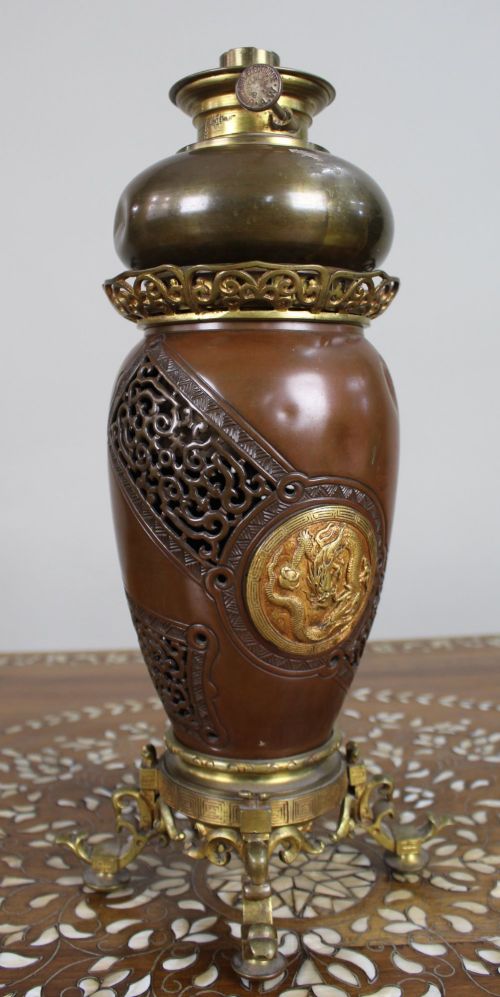
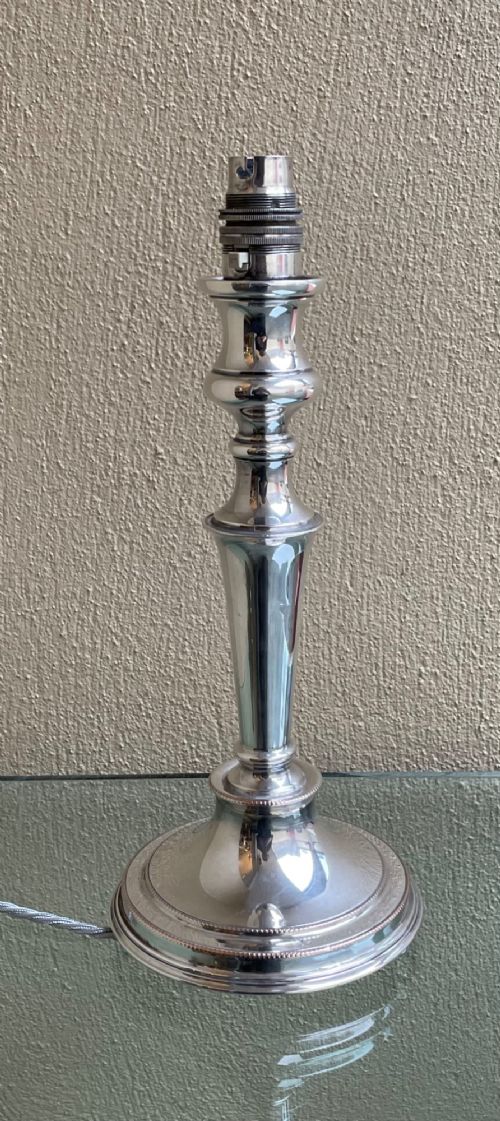
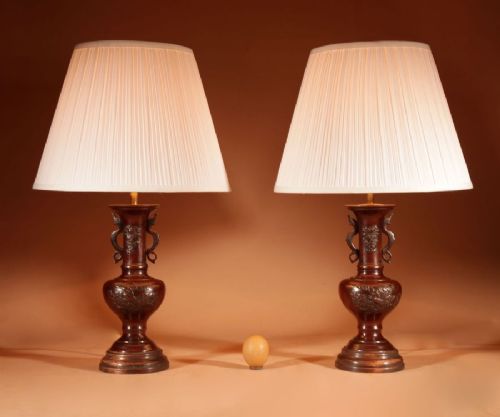
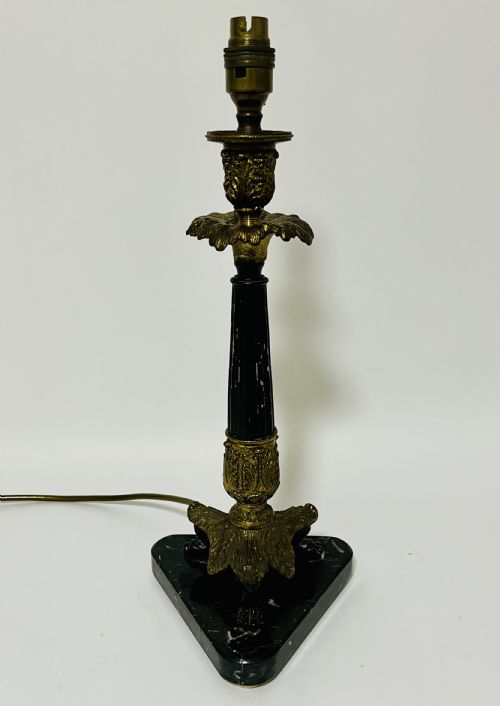
Construction relies heavily on metals such as brass, bronze, copper, steel, and silver plate, often paired with weighted marble or cast bases for stability. Makers shaped these materials through casting, spinning, and plating to achieve both industrial rigidity and decorative surface finishes.
Electrical components, where present, sit alongside traditional metal fittings, patinated white metal, toleware, and occasionally specialised shades made from glass, fabric, or shell.
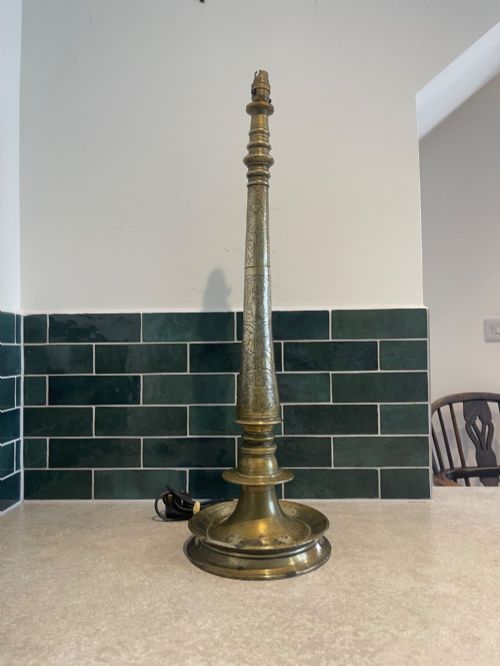
Surface treatments range from polished chrome and gilt metal to patinated finishes that reflect the specific manufacturing era, from Victorian ecclesiastical work to 1930s modernist machine age output.
Vintage Metal Desk Lamp Retail Price Guide 2026
Typical asking prices for vintage metal desk lamp among the pieces listed under this phrase on Sellingantiques today, from the lower quarter to the upper quarter. They describe what is for sale here now, not the wider market.
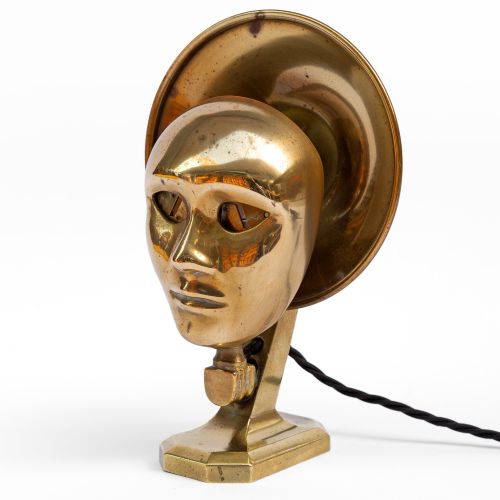
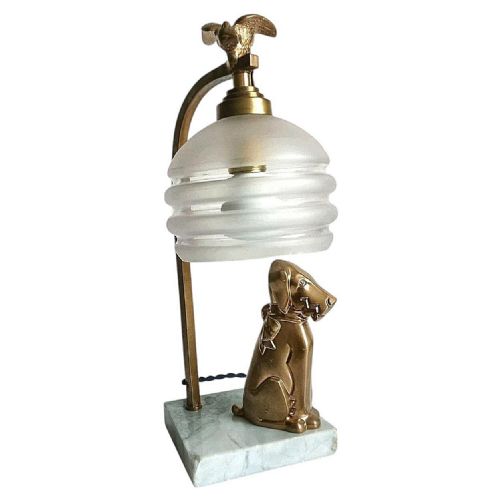
Dogs, parrots, and novelty figures peek out from beneath vintage lamp shades.
Distinctions in Quality
Quality in these pieces rests upon the integrity of the metalwork, the weight and balance of the base, and the retention of original components such as specialised shades and maker fittings. Heavier castings and deliberate structural engineering separate standard utility lighting from superior workshop productions.
The refinement of surface patination, the precision of joints in adjustable reading lamps, and the presence of signed or attributed maker details elevate certain examples above mass-produced alternatives.
Eileen Grey·Herbert Terry·W A S Benson·The Charles Parker Company
The Vintage Metal Desk Lamp Glossary
- Toleware
- Painted or enamelled metalware, typically tin or steel, often finished in green and gold for bouillotte and candle lamps.
- Spelter
- An alloy of zinc used as a cost-effective substitute for bronze in decorative figures and lamp bases during the late nineteenth and early twentieth centuries.
- Ormolu
- Gilded bronze or brass applied to decorative mounts and lamp fittings, common in French Empire and Neoclassical designs.
- Bouillotte
- A type of adjustable desk lamp featuring a central shaft, a shade that moves up and down, and a saucer base designed to hold cards or small items.
- Cloisonné
- An ancient technique for decorating metalwork objects with coloured material held in place by thin metal strips welded to the base.
Vintage Metal Desk Lamp: Frequently Asked Questions
How do I identify a 1930s desk lamp?
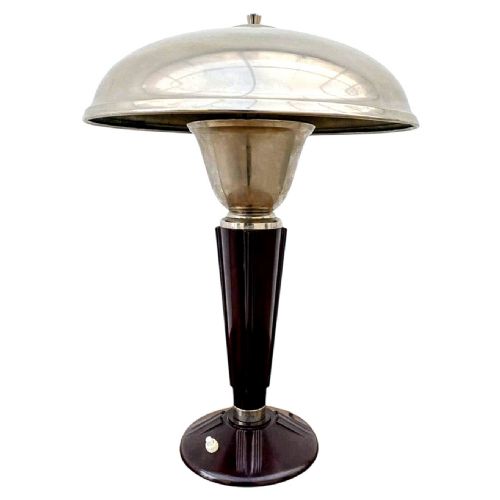
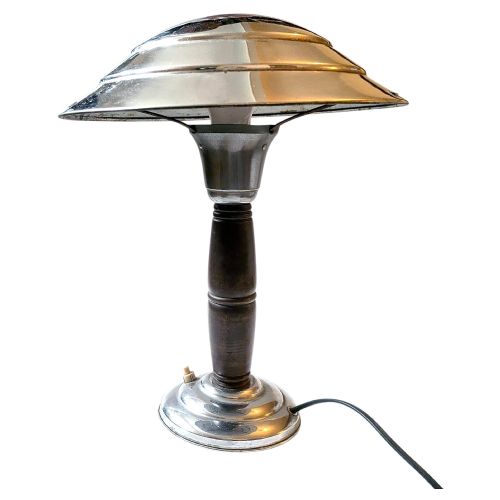
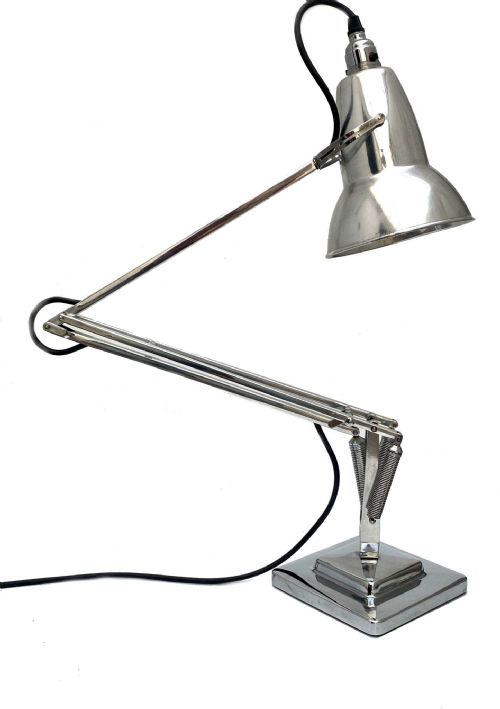
Look for chrome plating, streamlined geometric shapes, and influences from the Machine Age or Art Deco movements. These pieces often discard ornate decoration in favour of functional efficiency.
Materials like Bakelite, nickel, and steel frequently appear alongside adjustable articulated arms or shades designed for targeted task lighting.
Were these lamps originally electric?
Many early pieces began as oil or candle lamps before later conversion to electricity, whilst others from the early twentieth century onwards were built specifically with electrical fittings.
Descriptions often note rewiring work, which ensures modern safety standards while retaining the original metal body, weighted base, and switch mechanisms.
What is the difference between brass and gilt metal?
Solid brass is an alloy of copper and zinc that maintains its metallic composition throughout, developing a natural patina over time. Gilt metal involves a base metal coated with a thin layer of gold leaf or gilt wash.
Gilt finishes provide a bright, reflective surface often seen in French Empire and Neoclassical styles, whereas solid brass offers a heavier, more tactile industrial weight.
How do I care for a metal desk lamp?
Dust the surface regularly with a soft, dry cloth and avoid harsh chemical polishes that can strip original patination or damage delicate platings. For brass and bronze, a gentle wipe preserves the natural ageing process.
Keep electrical components away from moisture and check old wiring periodically for safe domestic use.