




Vintage Metal Coffee Pot
A vintage metal coffee pot brings tactile warmth to a kitchen with its heavy gauge of copper, pewter or brass.
Vintage Metal Coffee Pot
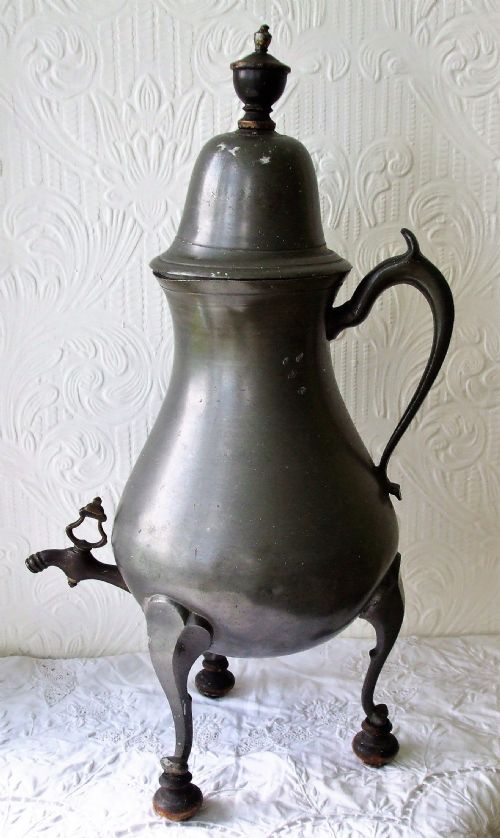
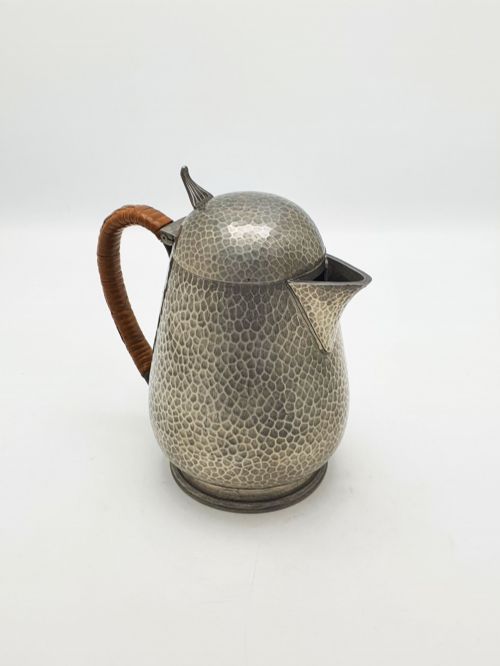
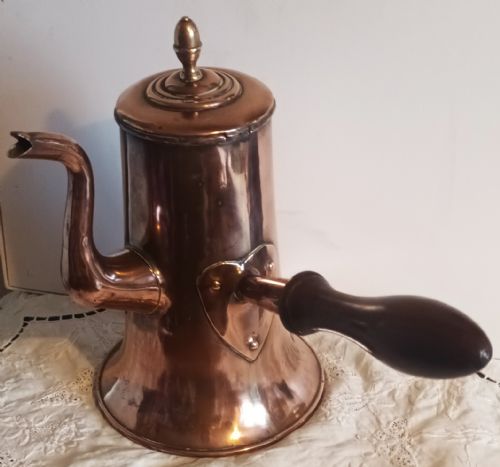
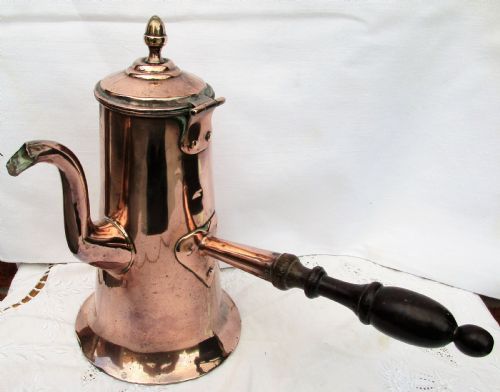
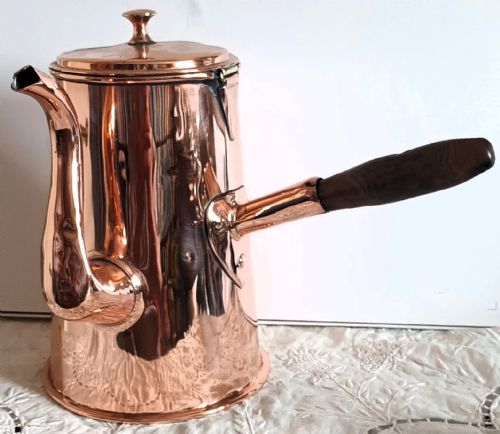
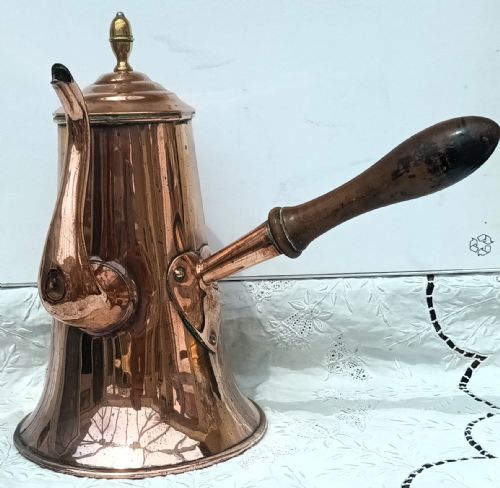
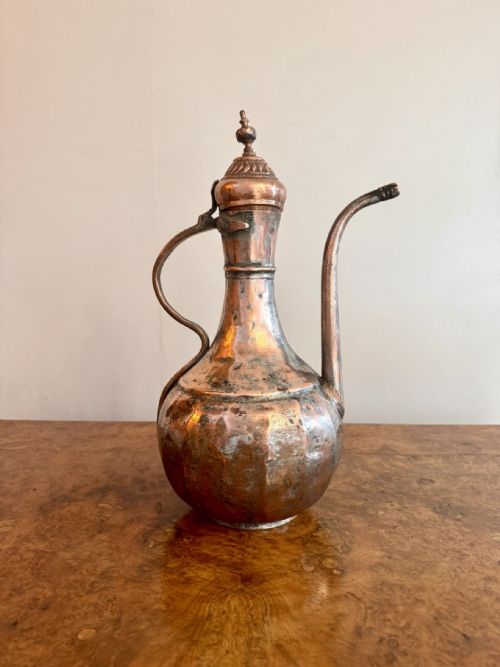
A vintage metal coffee pot spans utilitarian kitchenware and formal service vessels from the eighteenth century through the Art Deco period. Buyers seeking a vintage metal coffee pot encounter Georgian copper shapes, Arts and Crafts pewter designs, and Middle Eastern vessels.
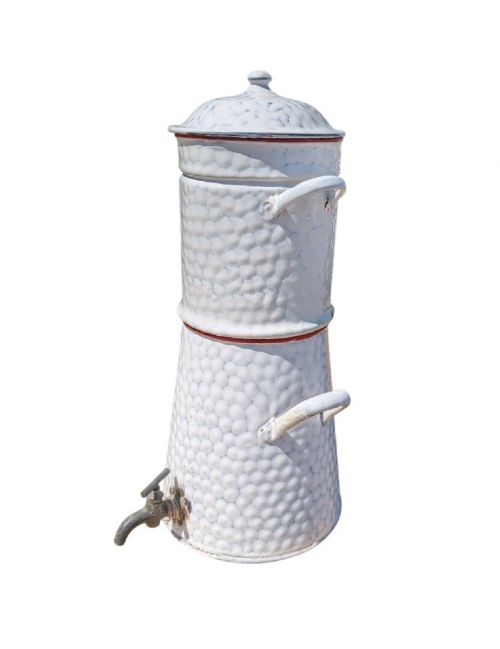
The selection includes coffee urns, toleware, and matching tea sets alongside single pots. Origins range across English workshops, French enamel production, and Dutch or Middle Eastern metalworking traditions.
Forms vary from tall nineteenth-century Georgian pots with wooden insulators to twentieth-century geometric service pieces. Each object reflects the domestic habits and metalworking standards of its specific era.
What varies in quality
The thickness of the metal gauge determines the structural integrity and weight of the vessel. Heavier walls indicate superior craftsmanship designed for daily kitchen use rather than decorative display.
The execution of soldered joints, handle attachments, and spout alignment distinguishes masterwork production from standard workshop output. Original surface patination and intact insulating mounts preserve the integrity of the piece.
The inventory includes coffee urns, tea and coffee sets, pitchers, and individual pots from British, French, and Middle Eastern origins.
William Soutter And Sons·Armada Pewter
The Vintage Metal Coffee Pot Glossary
- Toleware
- Lacquered or enamelled metalware originating in Europe, often featuring painted floral or decorative motifs. This technique decorated utilitarian household containers.
- Old Sheffield Plated
- A composite material made by fusing a thin sheet of silver to a thicker copper base. It represents an early precursor to electroplating.
- Pewter
- A malleable metal alloy consisting primarily of tin, combined with copper and antimony. It was widely utilised for domestic tableware and drinking vessels.
- Arts and Crafts
- A design movement valuing handcraftsmanship and simple forms over mass production. Pieces from this style often display visible hammer marks and natural materials.
Vintage Metal Coffee Pot: Frequently Asked Questions
How do I clean a copper coffee pot?
Wash the vessel gently with warm soapy water and a soft cloth to preserve the natural surface patination accumulated over decades of existence. Avoid harsh abrasive cleaners that strip the historic finish.
Dry the metal thoroughly immediately after washing to prevent water spotting. A mild copper cleaner can restore brightness if desired, though many collectors prefer an untouched surface.
Can I still use these pots for brewing coffee?
Most antique metal pots serve primarily as decorative display items or historic collection pieces due to age and interior wear. Tin linings in older copper vessels may have thinned with use.
Check the interior condition carefully before attempting any culinary application. Modern food safety standards often preclude daily functional use of historic metalware.
What is the difference between pewter and silver plate?
Pewter is a base metal alloy composed mostly of tin, prized for its muted grey lustre and substantial weight. It forms a solid, unlayered body.
Silver plate consists of a thin layer of silver bonded to a base metal core such as copper or Britannia metal. This technique provided the appearance of solid silver at a lower cost.
How do I date an antique coffee pot?
Examine the construction methods, handle materials, and maker marks stamped on the base or body. Georgian pots often feature hand-beaten seams and wooden insulators.
Twentieth-century pieces like Art Deco or Arts and Crafts designs display stylistic geometry or specific guild stamps. Comparing the form against documented period styles narrows the era of production.