

Vintage Metal Chair
These vintage metal chair pieces bring robust construction and outdoor character to a space, spanning Victorian gardens to industrial workshops.
Vintage Metal Chair
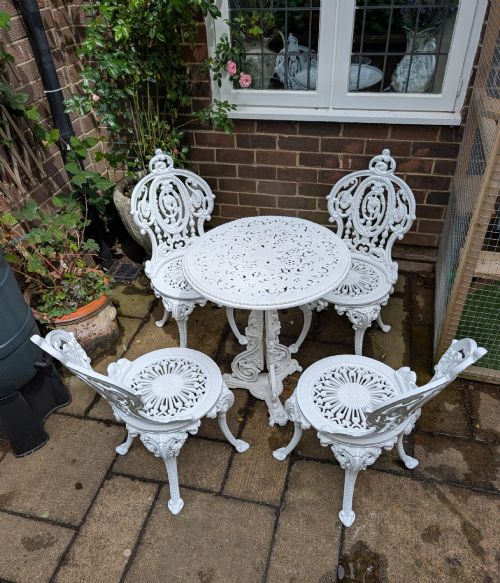
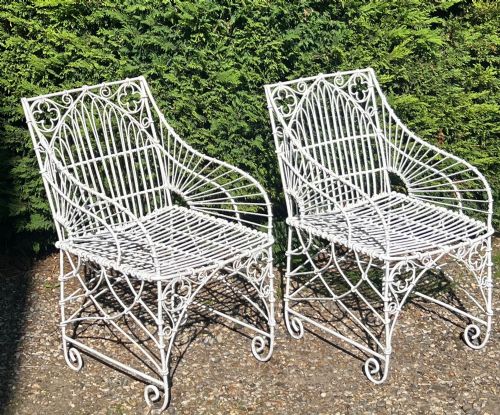
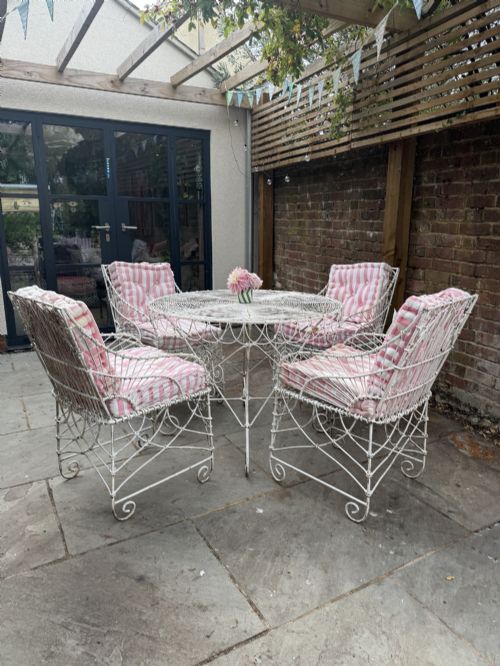
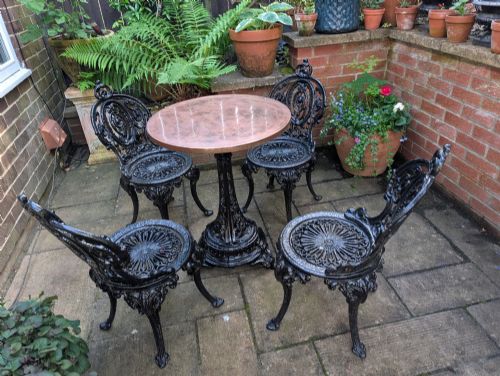
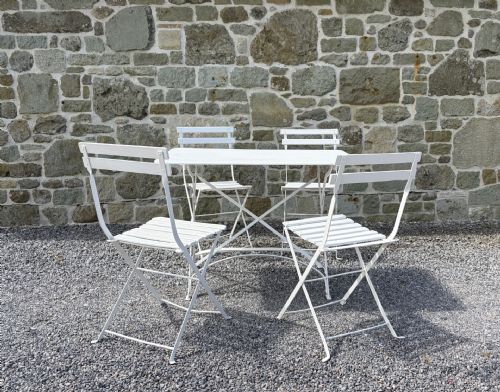
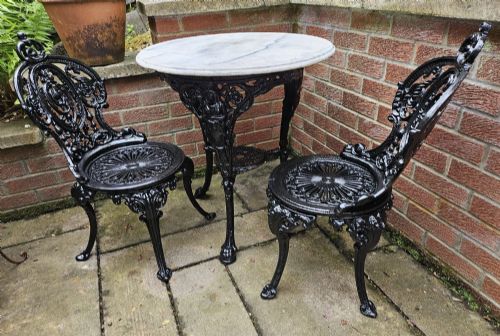
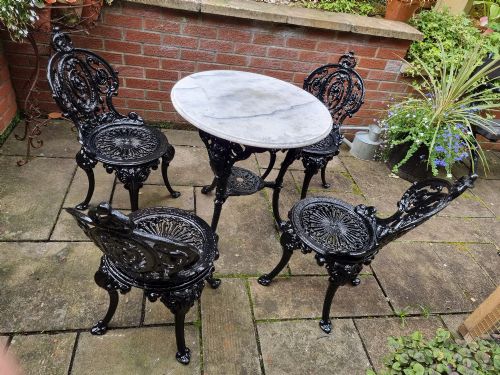
The assortment on this page draws heavily from Victorian cast iron patterns, French bistro sets, and early twentieth-century industrial designs. Pieces range from elaborate Gothic revival garden chairs to simple folding iron seats intended for flexible outdoor dining.
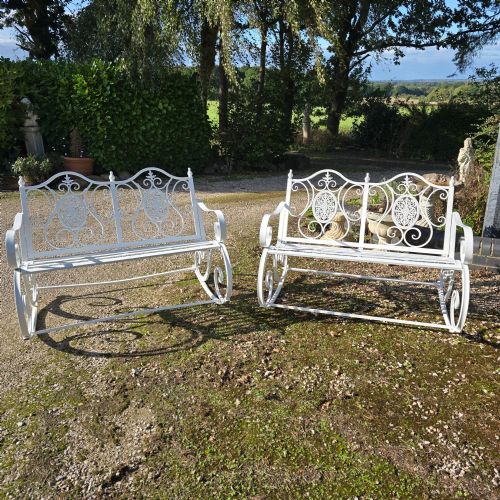
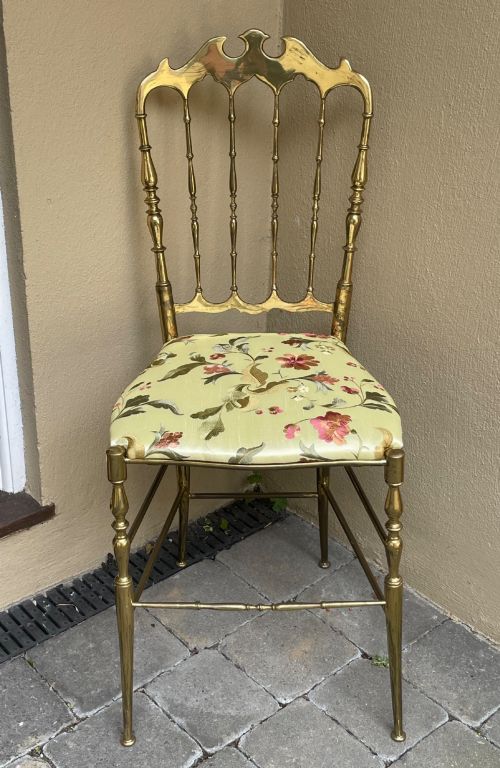
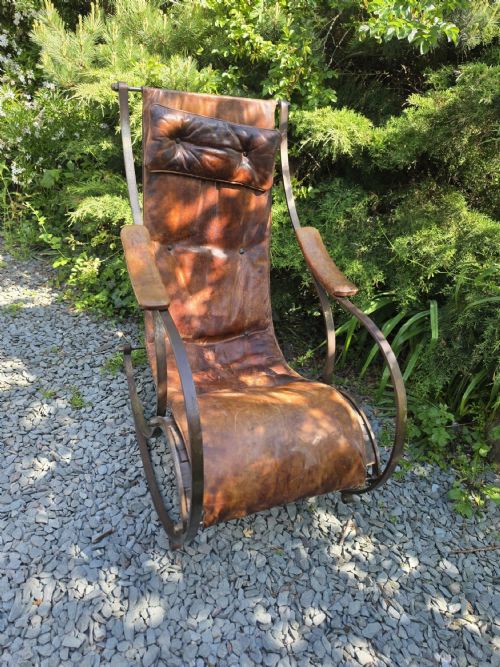
Domestic variants include polished brass salon seating and leather-trimmed rocking chairs alongside robust outdoor benches and dining sets. Each piece reflects the functional requirements of its period, whether built for heavy garden use or factory longevity.
Materials and construction methods
Cast iron and wrought iron form the backbone of these pieces, shaped through founding and forging techniques to create both ornate garden furniture and industrial frames. Cast components often feature intricate relief patterns such as lion masks or Gothic tracery.
Vintage Metal Chair Retail Price Guide 2026
Typical asking prices for vintage metal chair among the pieces listed under this phrase on Sellingantiques today, from the lower quarter to the upper quarter. They describe what is for sale here now, not the wider market.
Listings feature items from the 19th Century, Victorian period, Edwardian era, and 1930s, constructed in iron, brass, steel, and wood.
Assessing quality and manufacture
Quality rests in the weight and integrity of the metalwork, distinguishing heavy cast or wrought construction from lighter modern reproductions. Finer pieces display crisp casting details and well-executed joinery that withstands decades of use.
The sophistication of the design, such as strapwork or shell detailing on French and Regency examples, elevates the standing of a piece. Original surfaces and patinated paint layers further separate standard utility items from more desirable decorative specimens.
Christopher Dresser·Rubery Owen·R W Wingfield·Evertaut
The Vintage Metal Chair Glossary
- Cast iron
- Iron poured into a mould to create rigid furniture components with detailed ornamentation. This technique allowed Victorian makers to produce elaborate garden seats and tables.
- Wrought iron
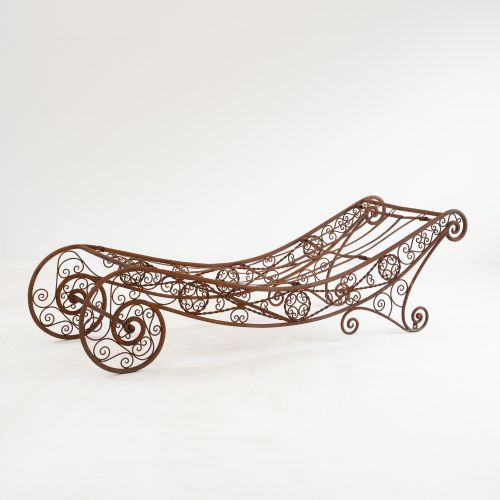
- Iron beaten and heated by hand into shapes, known for its fibrous strength and resilience. It appears frequently in French garden furniture and structural frames.
- Strapwork
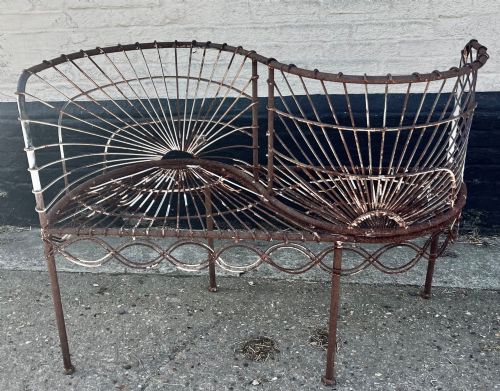
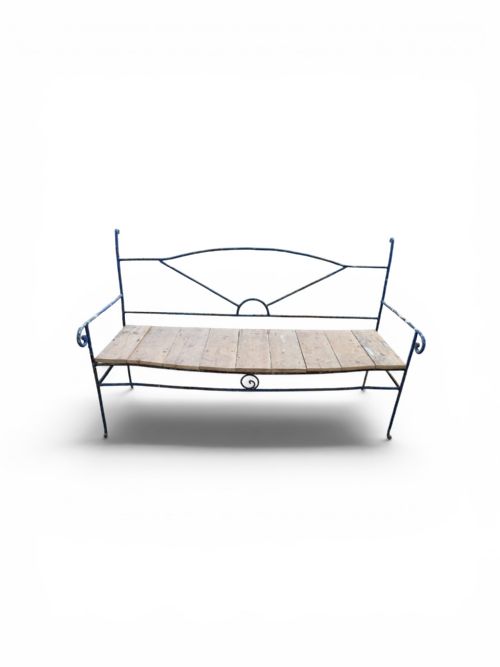
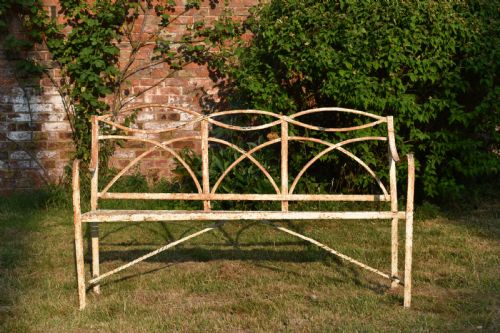
- Flat bands of metal arranged in geometric or interlaced patterns for decoration. Regency garden benches often utilise this technique.
- Industrial
- Pieces designed strictly for utility in factories and workshops, such as revolving stools with iron and wood construction. These items prioritize mechanical function over decorative flourish.
Vintage Metal Chair: Frequently Asked Questions
How do I date a metal chair?
Dating relies on matching the manufacturing technique, material composition, and stylistic motifs such as Victorian Gothic revival or Art Deco geometry to documented periods.
Industrial stamps, workshop labels, and fastener types also provide reliable clues to the era of production.
Can these metal chairs stay outdoors?
Many cast and wrought iron pieces were designed specifically for garden use and withstand outdoor conditions when properly maintained. Iron and steel will weather naturally, so monitoring for oxidation helps preserve the metal.
Brass or indoor salon chairs require protection from dampness and moisture to prevent surface degradation.
What is the difference between cast and wrought iron?
Cast iron is poured into moulds, resulting in rigid, heavy components capable of holding intricate decorative relief patterns. Wrought iron is heated and hammered into shape, offering greater flexibility and fibrous strength.
Garden furniture often combines both methods depending on whether the part requires ornamentation or structural resilience.
How should I clean a vintage metal chair?
Cleaning generally involves removing surface dust and loose debris with a soft brush and mild soapy water. Preserving the original patinated paint or metal finish is preferable to aggressive scrubbing.
Wax or protective coatings can be applied to indoor brass and iron pieces to maintain their condition.