



Vintage Metal Caddy
A vintage metal caddy offers practical storage and decorative charm, ranging from Georgian to Art Deco periods.
Vintage Metal Caddy
A vintage metal caddy encompasses tea canisters, spice boxes, and biscuit tins spanning periods from the Georgian era through to the Art Deco years. Buyers searching this phrase encounter diverse forms including silver plated tea caddies, painted toleware spice boxes, and novelty biscuit tins.
The material vocabulary stretches from basic tinplate and painted iron to fine silver plate, brass, and bronze. Tea canisters and decorative boxes dominate the offerings, alongside related barware and household metalwork.
Materials and construction methods
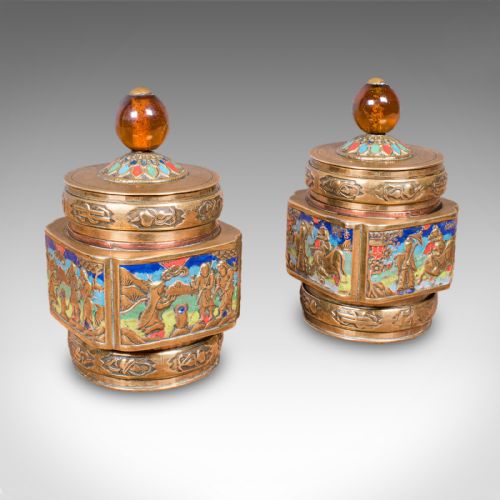
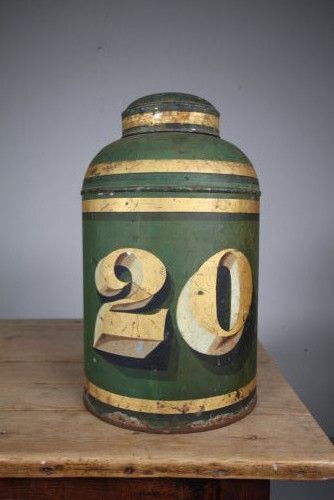
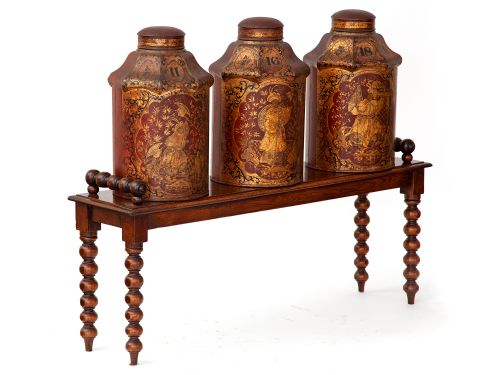
Metalwork utilises sheet brass, tinplate, and copper alloy, often shaped by hand or pressed into form during the nineteenth and early twentieth centuries. Surface treatments include hand-painting on toleware, silver plating over base metal, and detailed champleve enamelling.
Many examples combine metal containers with wooden elements, such as inlaid mahogany or gilt pine. Biscuit tins and grocer shop canisters employ printed lithography or painted finishes on tinplate.
Vintage Metal Caddy Retail Price Guide 2026
Typical asking prices for vintage metal caddy among the pieces listed under this phrase on Sellingantiques today, from the lower quarter to the upper quarter. They describe what is for sale here now, not the wider market.
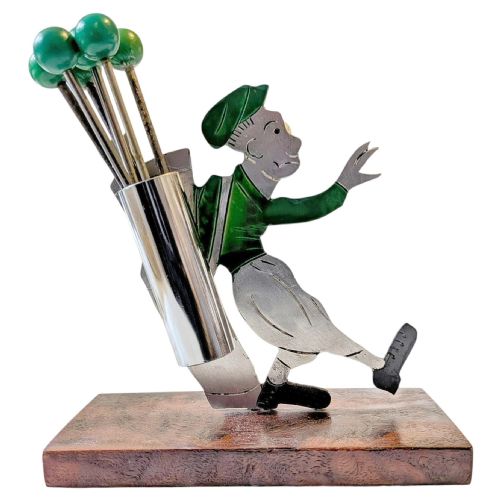
Comical golfer cocktail sticks and novelty biscuit tins shaped like hat boxes prove our ancestors enjoyed a sense of humour.
Indicators of quality
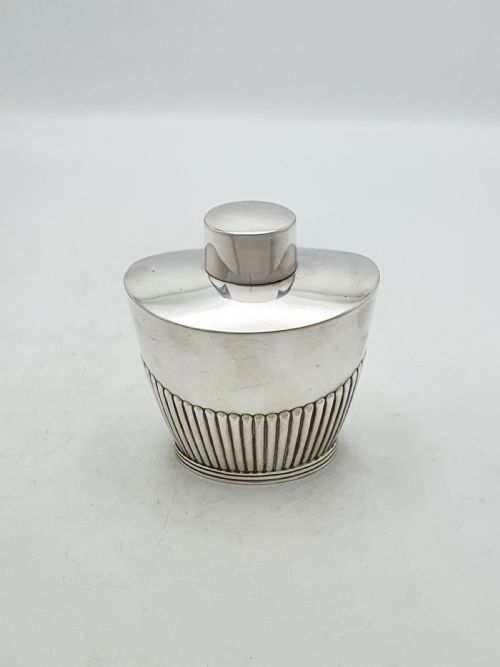
Quality rests upon the weight of the metal, the crispness of surface decoration, and the integrity of any plating or painted finish. Heavier brass and substantial silver plate indicate superior manufacture compared to lighter commercial tinplate.
Fine hand-painted detail on toleware or intricate champleve work separates standard domestic items from superior decorative pieces. The presence of makers' marks or retailer stamps adds historical substance.
Mappin & Webb·Huntley & Palmers·John Grinsell & Sons·Sudre·W.M.F.
The Vintage Metal Caddy Glossary
- Toleware
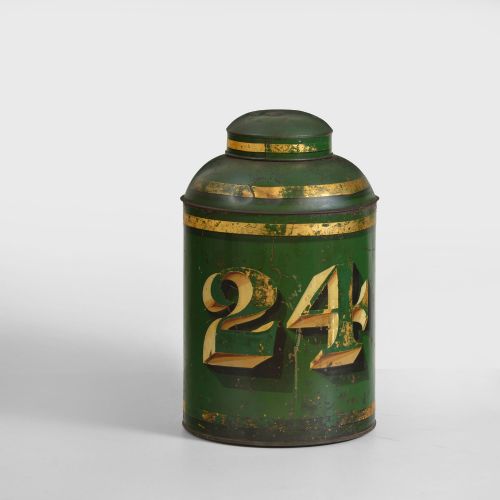
- Painted or enamelled sheet metalware, often associated with domestic kitchen items or decorative canisters from the eighteenth and nineteenth centuries. This technique provided durable colour before modern industrial plastics.
- Silver Plate
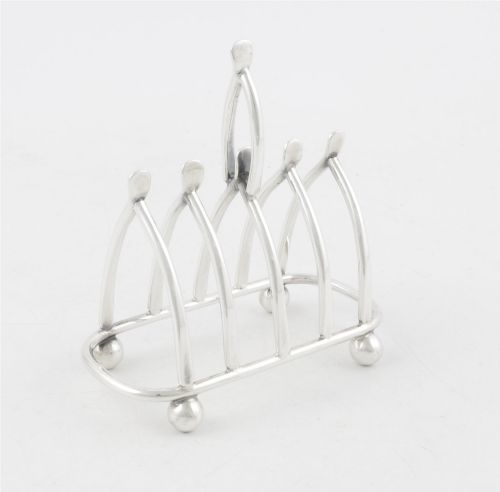
- A thin layer of silver applied to a base metal such as copper or brass, common in nineteenth century tea canisters and toast racks. Old Sheffield plate represents an earlier fusion method of silver and copper.
- Champleve
- An enamelling technique where troughs are carved into the metal surface and filled with vitreous enamel before firing. This decorative method appears on small ornamental boxes and tea caddies.
- Biscuit Tin
- A decorated metal container produced by commercial bakeries for retail sale, highly collectable in novelty shapes from the Edwardian period onwards. Manufacturers such as Huntley and Palmers led this production.
- Canister
- A small box or jar used for holding dry goods such as tea or spices, frequently constructed from metal or ceramic. Metal versions often feature secure lids to preserve contents.
Vintage Metal Caddy: Frequently Asked Questions
What is a vintage metal caddy used for?
These metal containers served originally for storing tea leaves, spices, biscuits, or dry household provisions in domestic kitchens and shops. Today, buyers utilise them as decorative storage for small items or display them as standalone antique objects.
Their robust construction and varied designs allow them to fit easily into modern living spaces while retaining a distinct historical character.
How do I date a metal tea caddy?
Dating relies upon stylistic markers, manufacturing techniques, and any visible maker marks or registration numbers stamped into the base. Georgian and Regency examples often show heavier hand-working and simpler forms, whereas Edwardian and Art Deco pieces incorporate machinery presses and specific decorative motifs.
Comparing the materials, such as early silver plate versus later chrome or standard tinplate, helps narrow down the period of manufacture.
How do I clean an antique metal box?
Cleaning requires a gentle approach to preserve original patinas, aged finishes, and delicate painted or plated surfaces. Soft cloths and mild, non-abrasive cleaners suit most metals, avoiding harsh chemical dips that strip historical character.
Painted toleware and lithographed biscuit tins need particularly careful dusting rather than liquid washing to protect the surface artwork.
Are novelty biscuit tins collectable?
Novelty biscuit tins shaped as books, hat boxes, or animal figures represent a distinct and sought-after branch of metal container collecting. Makers produced these items around the turn of the twentieth century to attract shoppers with whimsical designs.
Their survival in good condition with original paintwork intact makes them popular among decorative antiques enthusiasts.