

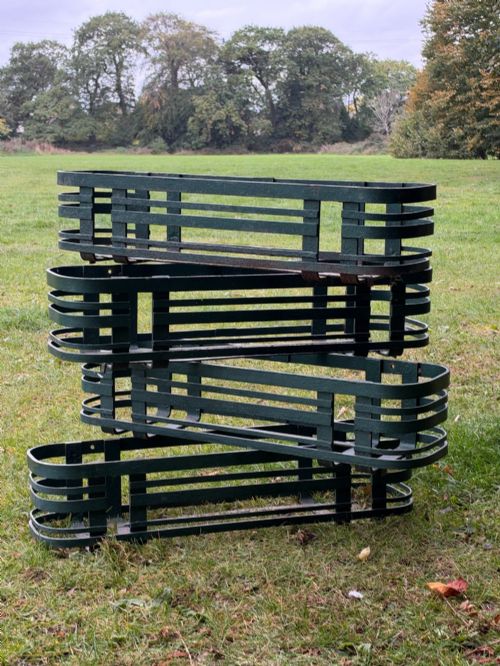
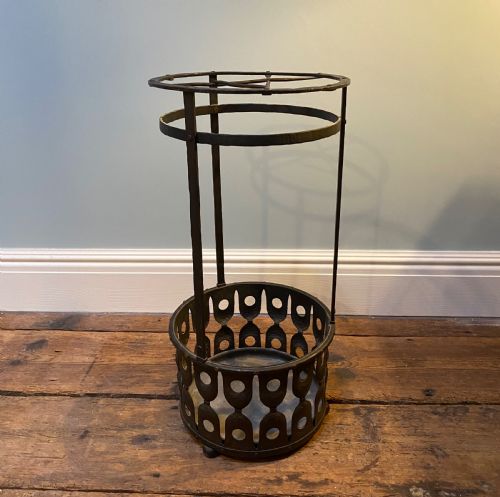
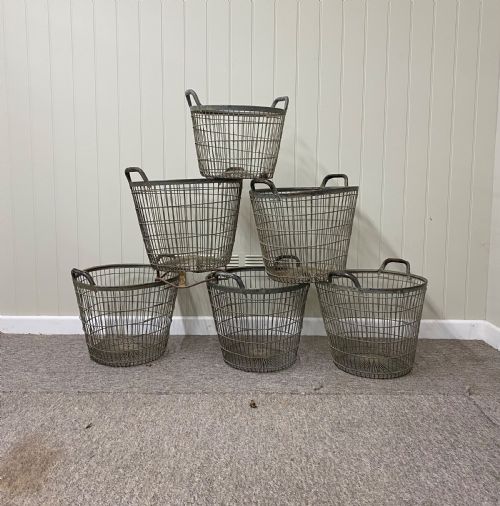
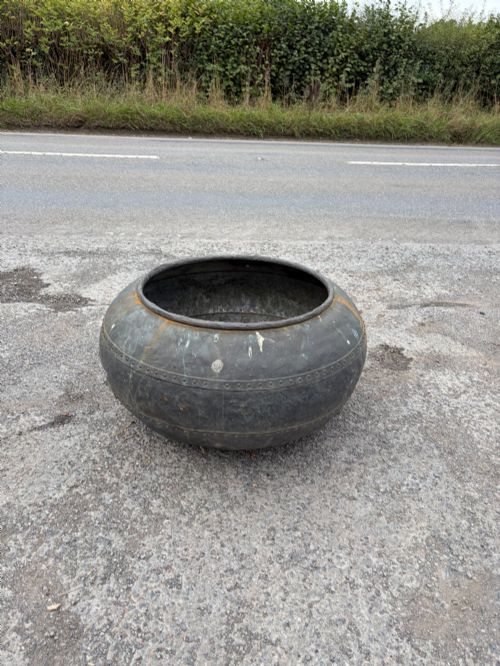

Vintage Metal Basket
These vintage metal basket designs bring robust utility and industrial warmth into contemporary rooms through enduring copper, brass, and iron forms.
Vintage Metal Basket
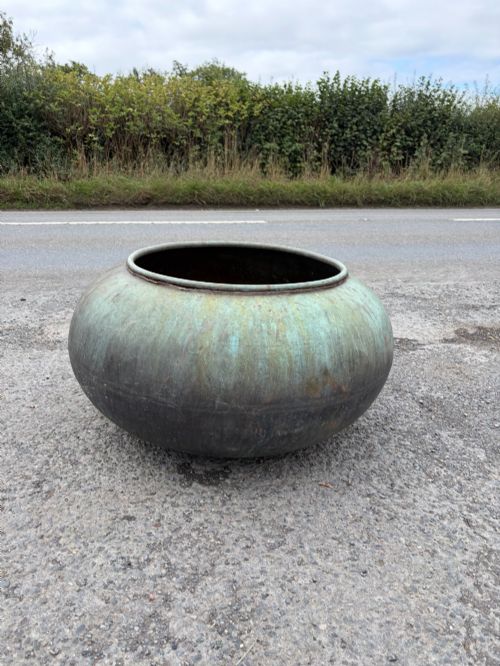
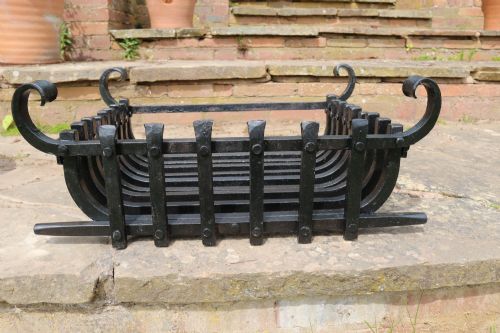
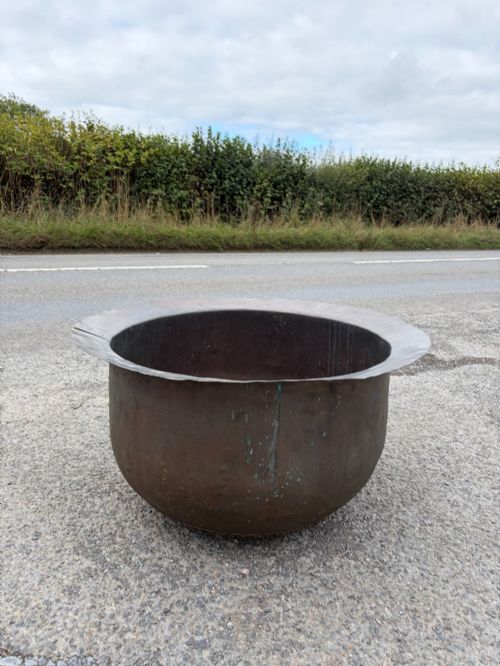
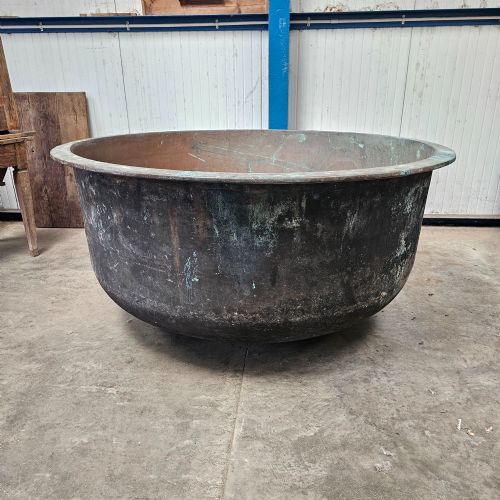
A vintage metal basket satisfies practical storage needs while anchoring a room with substantial industrial character. These utilitarian vessels appear in forms designed originally for hearthside fuel, garden planting, and kitchen service.
The selections span the nineteenth and early twentieth centuries, bringing together heavy copper vessels, wrought iron plant stands, and galvanised storage tubs. Buyers frequently encounter nineteenth-century copper buckets and log bins alongside rustic French garden carriers.
Makers from the Victorian, Edwardian, and Arts and Crafts periods shaped these metals into robust containers intended for daily domestic labour. Today, these functional items transition seamlessly into living spaces as log holders, planters, and decorative storage receptacles.
How They Were Made
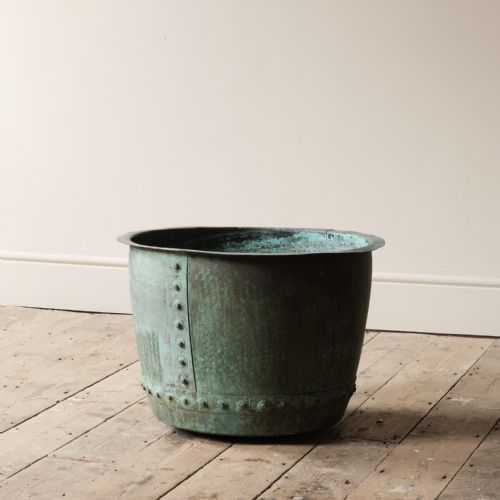
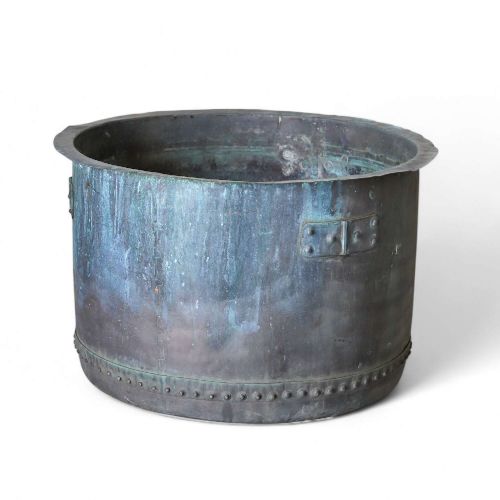
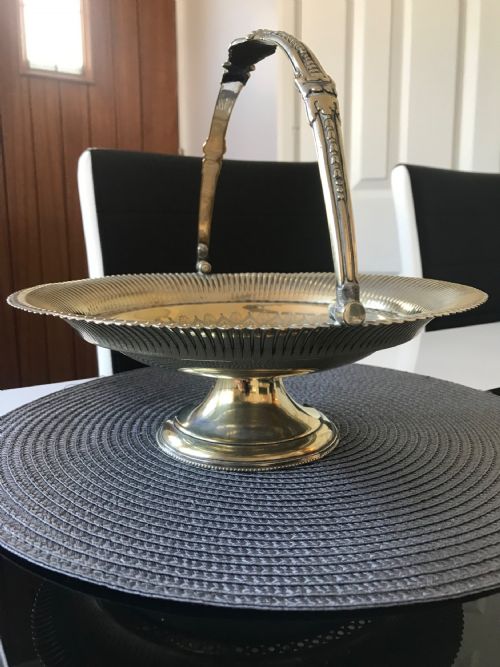
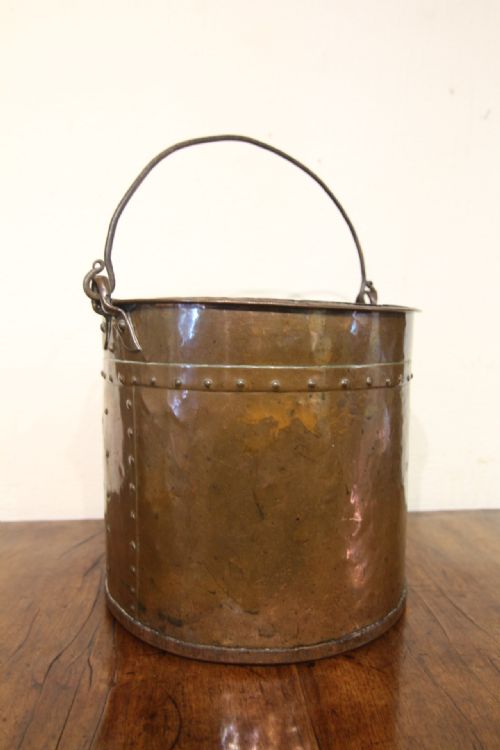
Smiths and metalworkers shaped these pieces from sheets of copper, brass, iron, and silver plate, often joining seams with hand-driven rivets. Wrought iron provided structural strength for handles, frames, and plant stands, while zinc and galvanised metal offered corrosion resistance for outdoor use.
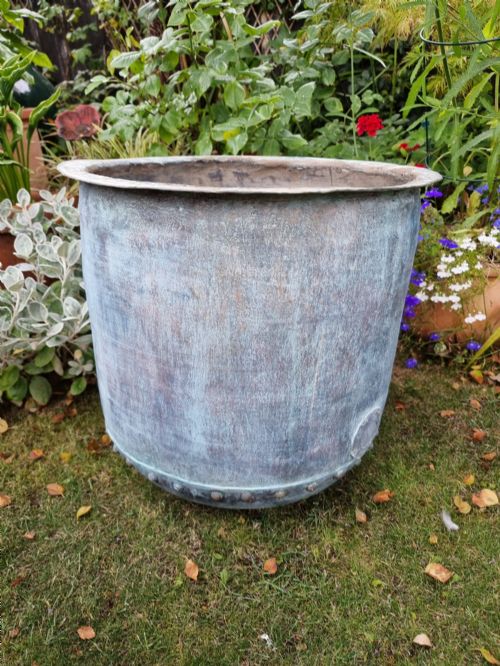
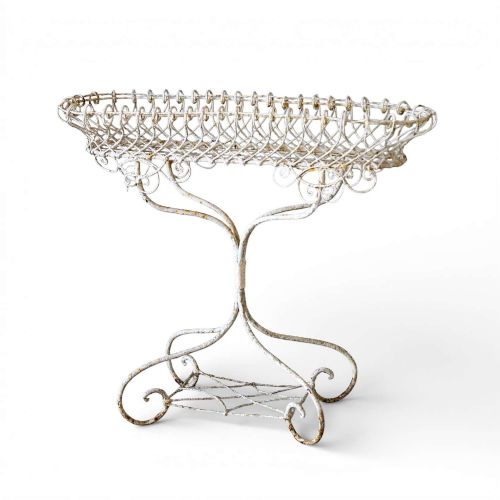
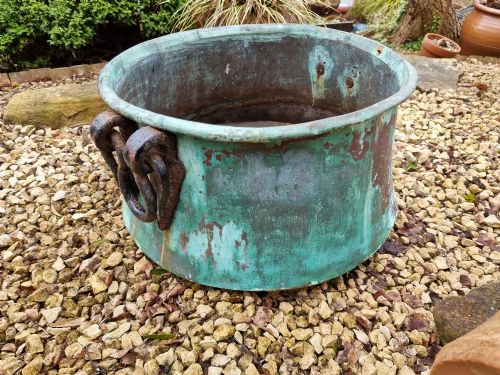
Surface treatments such as applied paint, verdigris finishes, and natural patination developed over decades of exposure to hearth smoke and weather. Wirework construction and scrollwork lattice details added delicate contrast to heavy metal bodies.
Vintage Metal Basket Retail Price Guide 2026
Typical asking prices for vintage metal basket among the pieces listed under this phrase on Sellingantiques today, from the lower quarter to the upper quarter. They describe what is for sale here now, not the wider market.
French grape hottes traded vineyard harvests for quiet retirement as fireside log holders.
What Varies in Quality
Structural integrity sets apart superior examples, particularly where wrought iron handles, swing Bails, and riveted seams meet heavy metal bodies. Thickness of gauge dictates whether a vessel retains its original rigidity or shows distortion from heavy domestic use.
Surface character distinguishes exceptional specimens, with rich natural patination, authentic verdigris, and untouched original iron frames commanding attention. The crispness of hand-driven copper rivets and the elegance of applied brass fittings reveal the maker's hand.
The Vintage Metal Basket Glossary
- Verdigris
- A green patina formed naturally on copper, brass, or bronze surfaces through atmospheric oxidation. This weathered layer indicates genuine age and exposure to the elements.
- Old Sheffield Plated
- An early fusion technique where a thin sheet of silver is fused to a copper core under heat and pressure. This predates modern electroplating methods.
- Cauldron
- A large metal pot with a rounded base and a swing handle, traditionally used over an open hearth for boiling or heating. Examples often feature heavy riveted construction.
- Hotte
- A traditional French carrying basket, notably the grape hotte used during vineyard harvests. Metal versions served rugged agricultural transport duties.
Vintage Metal Basket: Frequently Asked Questions
How do I clean a vintage copper basket?
Wash the metal gently with warm soapy water and a soft cloth to remove surface dust. Avoid harsh chemical polishes that strip away historical patination.
Dry the surface thoroughly to prevent water spotting. Preserving the natural oxidation maintains the character of the piece.
Are these metal baskets safe for indoor plants?
Many copper and galvanised vessels function effectively as cachepots or direct planters for indoor greenery. Lining older iron or unsealed containers protects interior surfaces from moisture.
Ensure proper drainage or use inner nursery pots to guard against lingering dampness. This protects both the container and your floors.
How can I date an old copper log bin?
Examine the construction methods, noting whether the body uses hand-driven rivets or machine-welded seams. Riveted construction and wrought iron swing handles point toward nineteenth-century origins.
Stamp marks, dovetail joints, and associated hardware styles help narrow the decade of production. Compare the patination against pieces from known periods.
What is the difference between a coal scuttle and a log bin?
Coal scuttles generally feature a sloping chute or specialised shovel placement designed for pouring small fuel fragments. Log bins offer open, straight-sided cylindrical or cauldron forms meant for stacking firewood.
Both utilised durable metals like copper and iron to withstand heavy daily fuel transport. Their shapes directly reflect the specific fuel they were built to handle.