




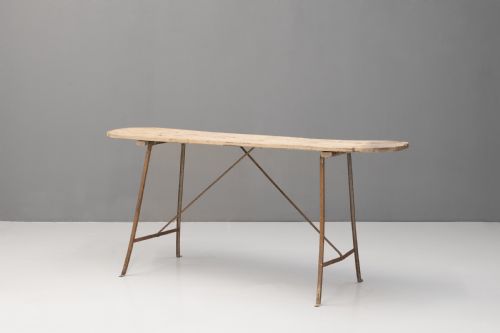
Vintage Metal Base Table
These vintage metal base table options combine durable metal supports with diverse decorative styles from the nineteenth and twentieth centuries.
Vintage Metal Base Table
A vintage metal base table selection encompasses sturdy structural supports paired with various decorative tops and lighting fixtures from past eras. Buyers encounter functional side tables alongside numerous lighting options and decorative objects that utilise metal foundations.
The listings span multiple periods from the eighteenth century through to the Art Deco era of the 1930s. Victorian, Edwardian, and twentieth century pieces dominate the inventory, displaying styles that range from classical revival to industrial Bauhaus influence.
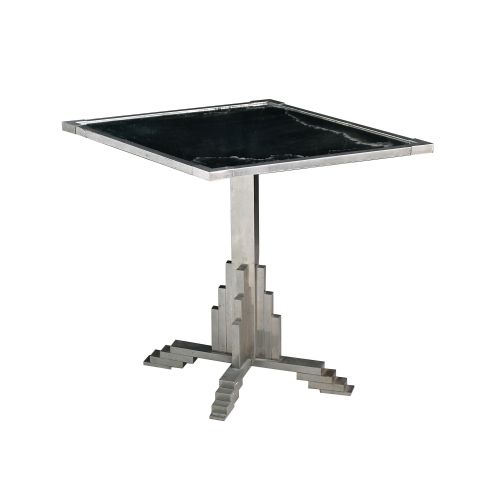
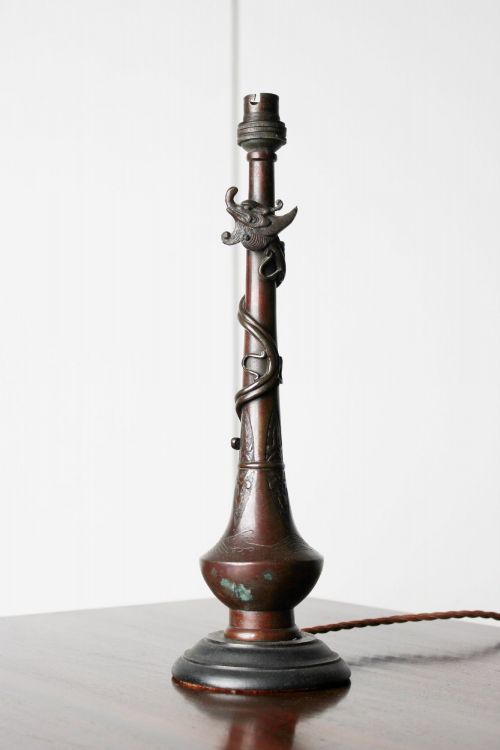
Many items incorporate metal supports beneath glass, marble, mirrored, or wooden surfaces, while others integrate the metal base directly into lamp structures and candlesticks. This variety reflects the adaptability of metal as a foundational material across different design movements.
Materials and manufacturing techniques
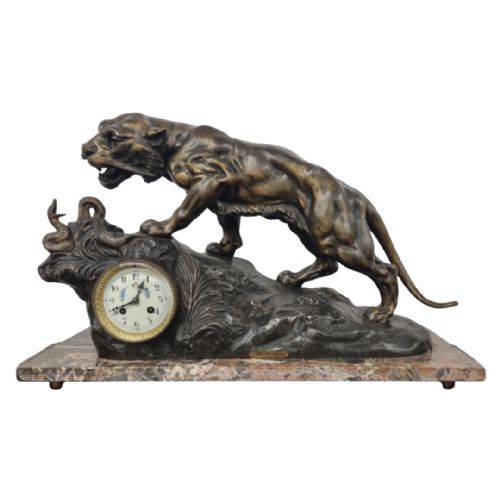
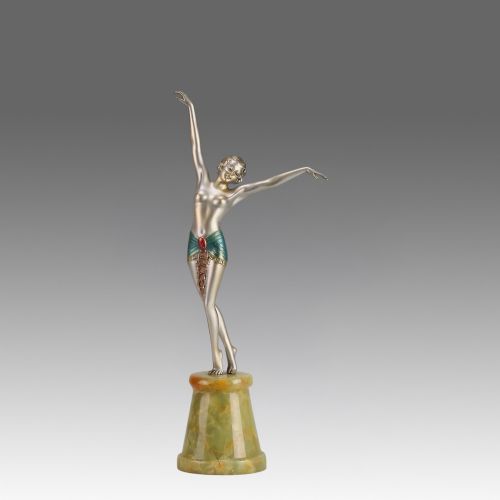
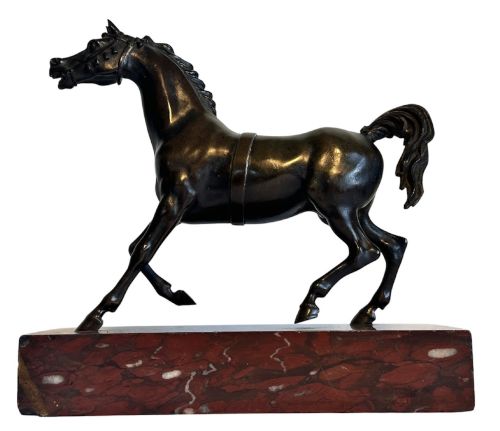
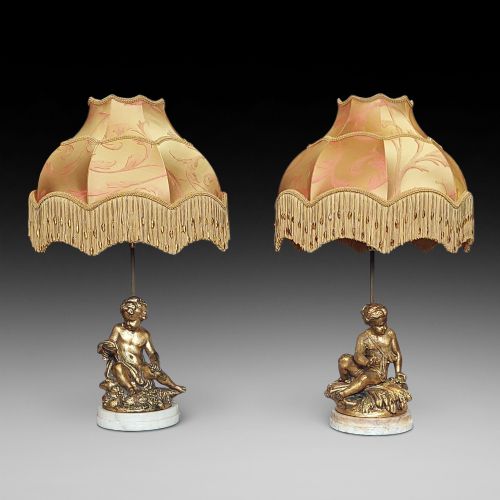
Craftsmen utilised metals such as brass, bronze, silver plate, cast iron, and spelter to construct durable supports and decorative figures. These metals were often cast, pressed, or cold-painted to achieve intricate surface details and distinct patinas.
Combining metal with contrasting materials forms a defining characteristic of these pieces. Marble, alabaster, glass shades, and mirrored tops frequently accompany the metal bases, secured through period manufacturing methods appropriate to each style.
Vintage Metal Base Table Retail Price Guide 2026
Typical asking prices for vintage metal base table among the pieces listed under this phrase on Sellingantiques today, from the lower quarter to the upper quarter. They describe what is for sale here now, not the wider market.
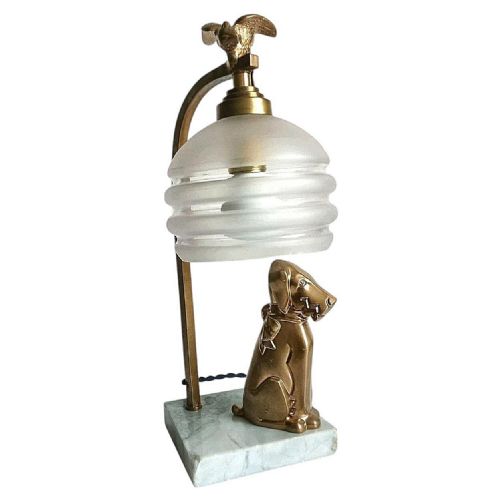
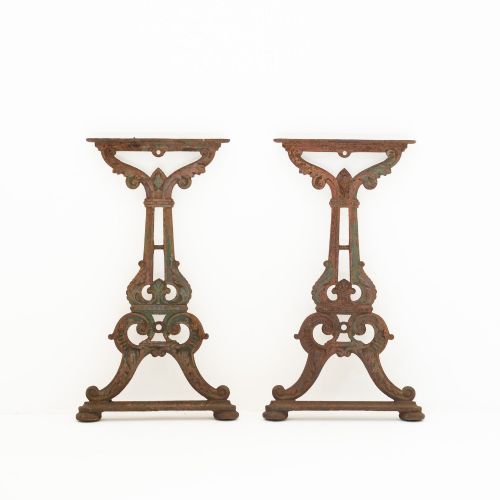
A cast iron base keeps firm company with domestic bronze dogs and parrots.
Factors that separate quality tiers
The sophistication of the casting and the crispness of surface detail distinguish finer examples from standard production pieces. Artistry in sculptural figures and precision in decorative mounts reveal the skill of the original workshop.
The integrity of the materials, such as genuine marble pairing with heavy bronze versus lighter pressed brass or plated substitutes, dictates the overall solidity and tactile presence of the object.
R Varnier·Josef Lorenzl·Muller Bros·Wilhelm Wagenfeld
The Vintage Metal Base Table Glossary
- Spelter
- A zinc alloy frequently used as a cheaper alternative to bronze for casting figures and lamp bases during the nineteenth and early twentieth centuries. It is typically painted or bronze-plated to mimic more expensive metals.
- Cold-painted bronze
- A technique where bronze sculptures are painted with cold oil paint rather than fired in a kiln. This method allows for vibrant polychrome detailing on figures and decorative items.
- Silver plate
- A thin layer of silver applied to a base metal such as copper, brass, or pewter. It provides the appearance of solid silver while utilising a more practical underlying metal structure.
- Cloisonné
- An ancient technique for decorating metalwork objects with coloured glass paste held within thin metal strips. Pieces featuring this method display intricate patterned cells across the surface.
- Bauhaus
- A modernist design movement from the early twentieth century emphasising functionalism and industrial materials. Items from this tradition favour clean geometric lines over ornate historical ornamentation.
Vintage Metal Base Table: Frequently Asked Questions
How do I identify the period of a metal base?
Stylistic cues such as neoclassical motifs, Art Deco geometric forms, or Victorian ornamentation help date the metalwork.
Examining manufacturing marks, construction screws, and the natural patina of the metal provides further chronological context.
Are these metal bases suitable for modern living?
Most pieces integrate easily into contemporary interiors as accent lighting, side tables, or decorative focal points.
Electrical components on older lamps should be inspected by a professional to ensure safety standards are met before daily use.
What is the difference between brass and bronze?
Bronze is an alloy primarily composed of copper and tin, valued for its strength and rich tonal depth in sculptural work.
Brass is an alloy of copper and zinc, typically exhibiting a brighter yellow hue and commonly utilised for candlesticks and hardware.
How should I clean antique metal surfaces?
Gentle dusting with a soft cloth preserves the historic patina and protects delicate finishes like cold-painting or silver plating.
Harsh chemical polishes should be avoided because they strip away desirable age-related oxidation and surface character.