



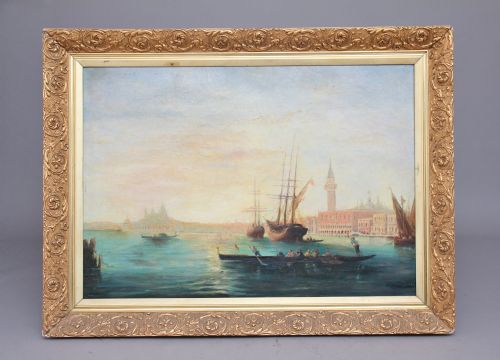
Vintage Maritime Scene Art
Vintage maritime scene art captures coastal life and shipping on canvas and paper through nineteenth and twentieth-century eyes.
Vintage Maritime Scene Art
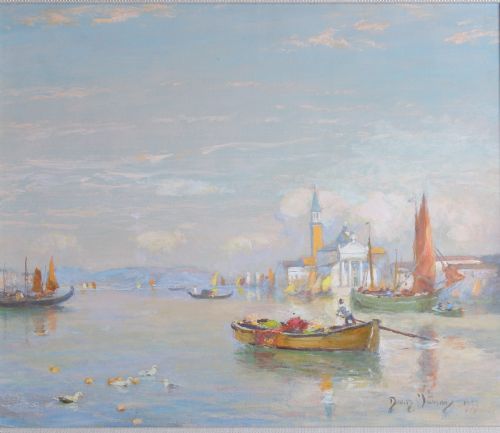
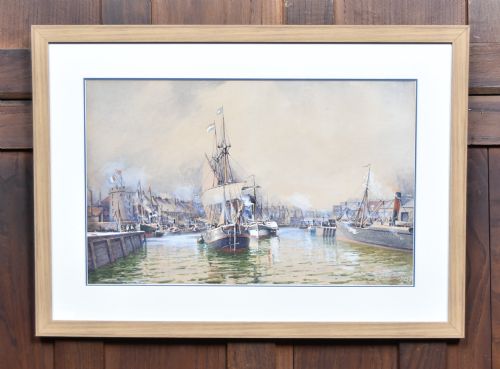
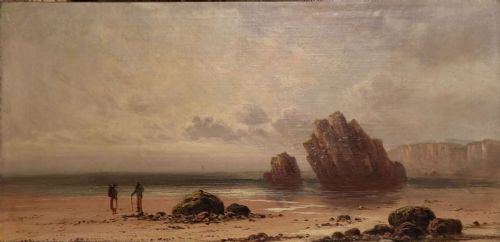
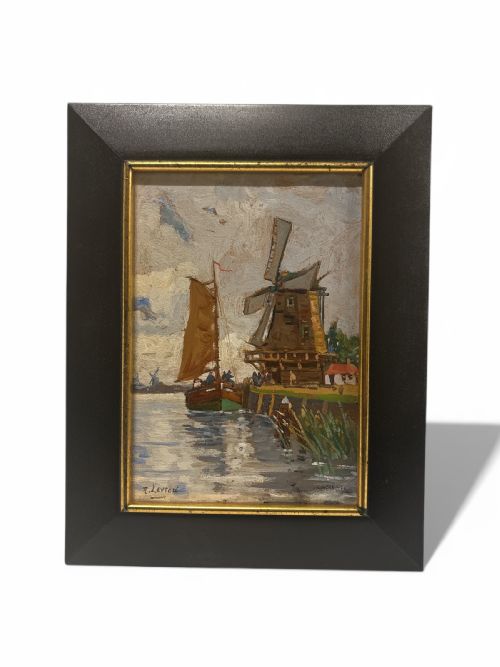
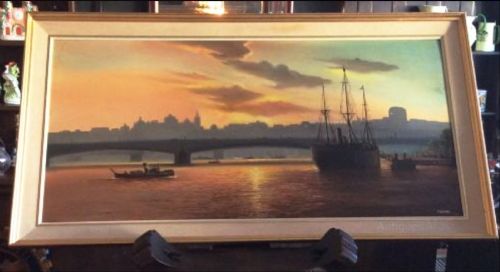
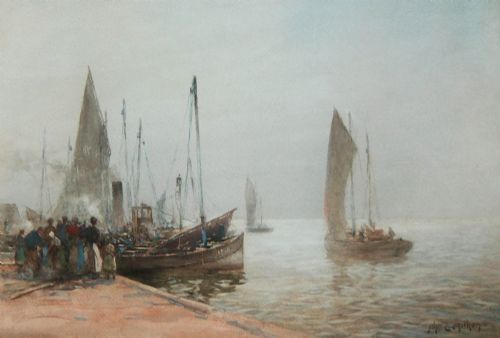
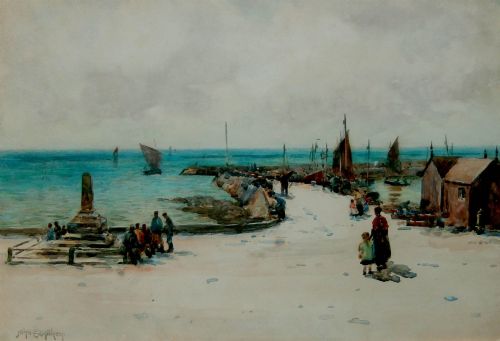
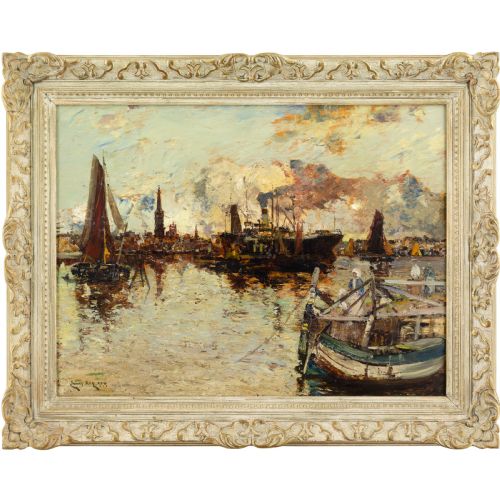
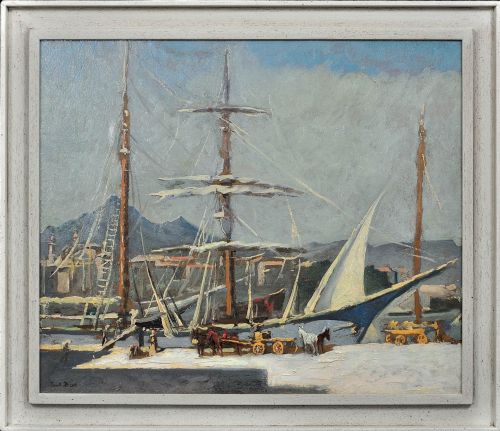
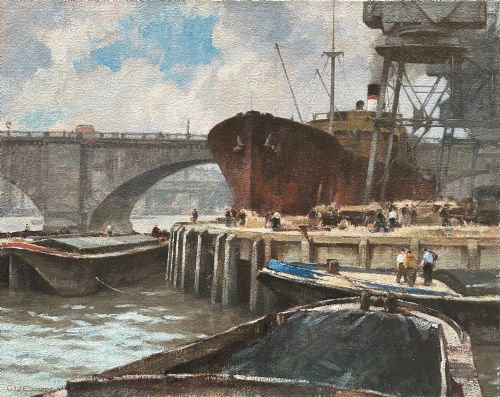
Vintage maritime scene art encompasses oil paintings, watercolours, and framed artworks depicting harbours, rivers, and coastal vistas. When searching this phrase, a buyer encounters coastal views ranging from busy dockyards to quiet anchorages.
The selections span the nineteenth century through the mid-twentieth century, including Edwardian and Victorian depictions of shipping lanes and fishing boats. English and European coastal locations dominate the subjects, alongside serene lagoon and river scenes.
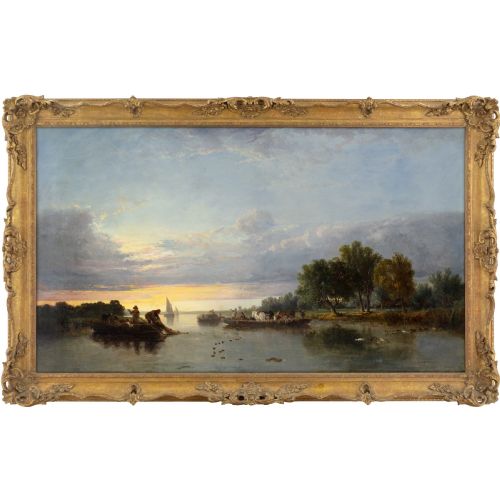
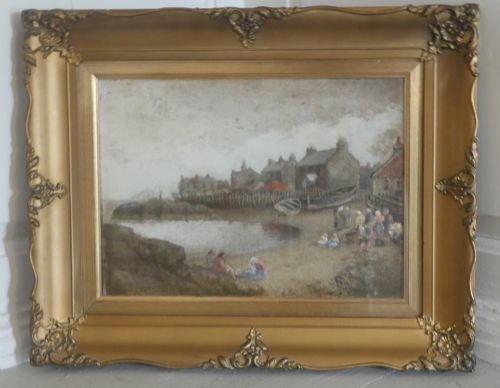
Works appear in various formats, from intimate watercolours on paper to large oil paintings on canvas housed in gilt frames. Both signed artist works and atmospheric pieces by the British school populate the selection.
How they were made
Artists painted primarily with oil paint or watercolour applied to canvas, wood panels, paper, or card. Many works utilise oil on canvas or board to capture the heavy texture of stormy seas and turbulent water.
Traditional framing typically involves wood mouldings finished with gilt ornamentation to complement the maritime subject matter. Paper works utilise protective glass glazing alongside card mounts to preserve the delicate watercolour pigments.
Listings feature oil paintings and watercolours on canvas, paper, and wood spanning the nineteenth to mid-twentieth centuries.
What varies in quality
Execution and atmosphere separate accomplished maritime paintings from simpler decorative watercolours, particularly in the handling of light and water movement. The articulation of rigging, vessel proportions, and turbulent seas demonstrates the painter's direct observation.
The preservation of the original surface, stability of the canvas or paper, and the integrity of the period gilt frame contribute significantly to the standing of an individual artwork.
James E. Aitken·John E. Aitken·William Banks Fortescue·James Kay·Paul Bret·Abraham Hulk I·George F Pennington·Alfred George Morgan·William Edward Webb·Richard Harry Carter·Gyrth Russell·Raymond Picque·William Lee Hankey·Arthur Tucker·Thomas Bush Hardy·Adrian Van Porten·Edward Henry Eugene Fletcher·Donald McIntyre
The Vintage Maritime Scene Art Glossary
- Seascape
- A painting or other work of art that depicts the sea. These works frequently focus on ships, coastal views, and marine weather conditions.
- Gilt frame
- A wooden picture frame coated with gold leaf or metallic paint. Such frames commonly accompany nineteenth and early twentieth-century oil paintings.
- Watercolour
- A painting method in which the paints are made of pigments suspended in a water-based solution. Artists frequently applied this medium to paper for coastal sketches.
- Board
- A rigid flat piece of wood or compressed material used as a painting support instead of stretched canvas.
Vintage Maritime Scene Art: Frequently Asked Questions
What subjects appear in maritime art?
These works depict harbours, sailing vessels, lighthouses, and coastal villages. Scenes range from calm river traffic to steamships navigating rough waters.
Artists recorded specific locations across Britain and Europe, including fishing ports, Venetian lagoons, and busy London bridges.
How do I care for antique watercolours?
Watercolour paintings require protection from direct sunlight to prevent the pigments from fading over time. Keeping them behind glass in a stable environment avoids moisture damage to the paper.
Displaying works away from direct heat sources helps preserve both the paper support and the original frame.
Are these paintings original works?
The selection consists of original hand-painted oil paintings and watercolours created by artists during the nineteenth and twentieth centuries. Many pieces bear artist signatures, dates, or attribution to specific regional schools.
Materials such as canvas, wood panel, and textured paper reflect the authentic period production methods of the artists.
How do I identify the period?
Stylistic clues such as Impressionist brushwork, Victorian framing styles, and the depiction of steamships or traditional sailing luggers help date a piece. Subject matter often reflects the fashion and maritime technology of the era in which it was painted.
Examines signatures, board types, and framing materials to connect the artwork to specific decades like the Edwardian period or mid-twentieth century.