





Vintage Mantel Piece
These vintage mantel piece selections bring period character and functional art to a room, offering everything from mechanical clocks to carved mirrors.
Vintage Mantel Piece
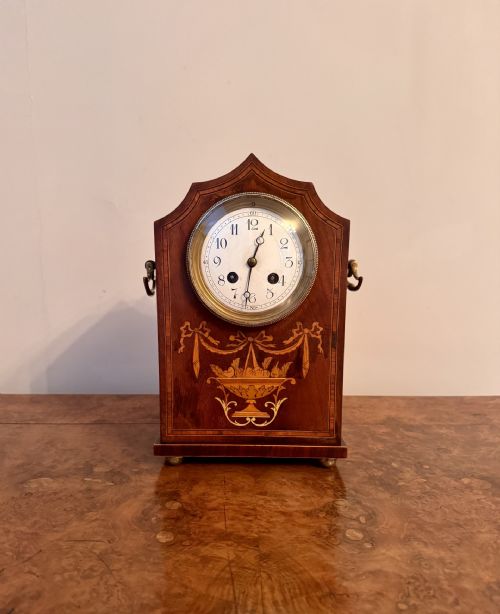
A vintage mantel piece encompasses decorative objects designed to sit atop a fireplace ledge, uniting utility and ornament. When buyers search for this phrase, they encounter a diverse selection ranging from timepieces and mirrors to sculptural groups.
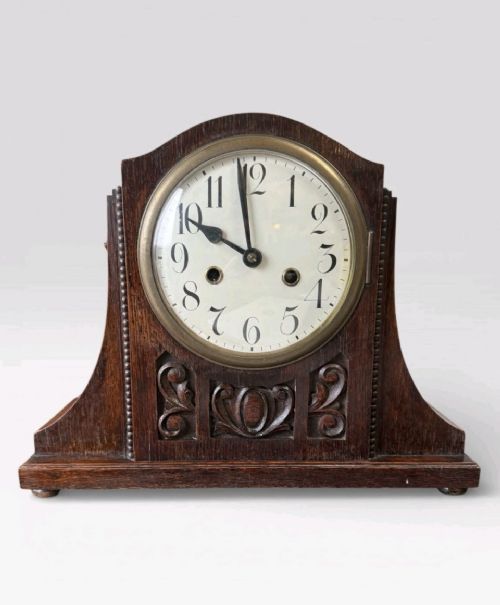
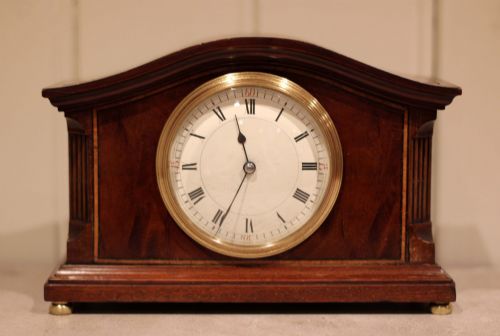
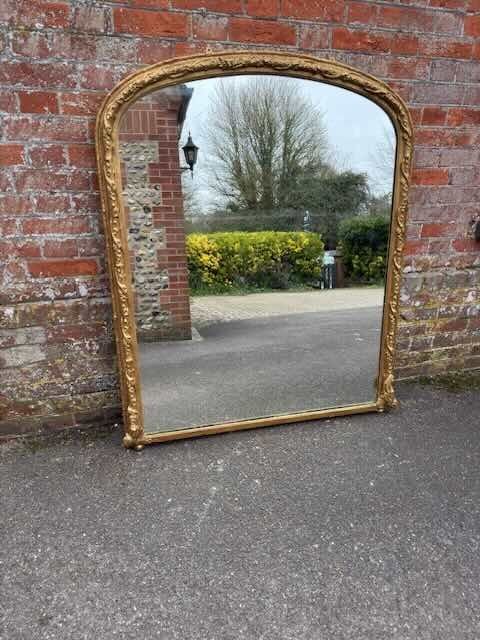
Clocks dominate this category, appearing in mechanical formats from Edwardian, Victorian, and Art Deco eras alongside matching garniture sets. Large overmantle mirrors and carved wooden yacht models also feature prominently.
Origins span British workshops alongside French makers from the nineteenth and early twentieth centuries. Buyers meet items utilising marble, brass, onyx, and polished mahogany.
Materials and construction methods
Woodwork relies on dense timbers like mahogany, rosewood, and sycamore, frequently enhanced with marquetry, satinwood inlay, or carved gesso finished in gilt. Metal elements incorporate brass, bronze, and silver plating.
Mineral components involve varieties of marble, green onyx, and glass. Clock movements utilise mechanical gearing housed within these heavier stone and timber structures.
Vintage Mantel Piece Retail Price Guide 2026
Typical asking prices for vintage mantel piece among the pieces listed under this phrase on Sellingantiques today, from the lower quarter to the upper quarter. They describe what is for sale here now, not the wider market.
The listings show items spanning the Victorian era through the Art Deco period, constructed in marble, brass, mahogany, and giltwood.
Distinctions in quality
Quality rests on the depth of hand-carving in wood and the precision of casting in bronze or brass. Superior pieces display crisp architectural moulding and well-balanced proportions across multi-piece garniture sets.
Materials dictate value through selection, where solid marbles, unblemished onyx, and genuine tortoiseshell outweigh painted substitutes. Maker signatures on clock dials or movements elevate authenticity and historical standing.
Henry Marc·Le Roy et Fils à Paris·Garrards
The Vintage Mantel Piece Glossary
- Garniture clock
- A ornamental clock accompanied by matching decorative pieces such as candelabras or vases designed to sit together on a mantel. These sets create symmetry in interior displays.
- Overmantle mirror
- A large mirror designed to hang specifically above a fireplace mantel. Frames often feature heavy gilding or carved architectural details.
- Marquetry
- The art of applying pieces of veneer to a structure to form decorative patterns. Craftsmen utilise various coloured woods to achieve intricate pictorial designs.
- Timepiece
- A clock that indicates the time without striking mechanisms. These simpler movements were common in domestic settings.
- Animalier
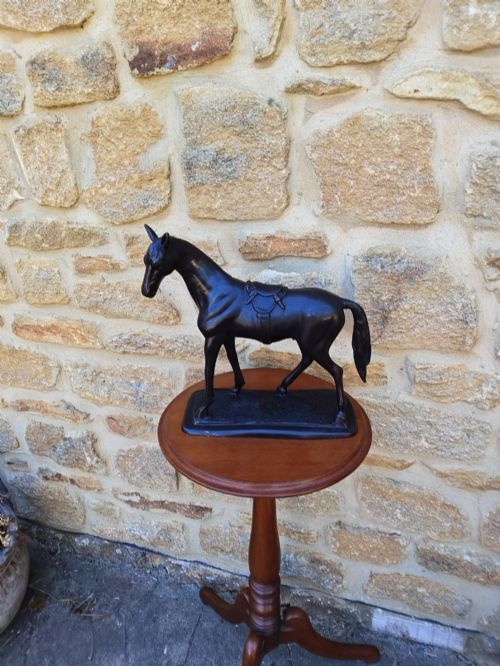
- A nineteenth-century artistic style focusing on the realistic portrayal of animals. Sculptures in this category often depict horses or hounds in bronze.
Vintage Mantel Piece: Frequently Asked Questions
What is a clock garniture?
A clock garniture consists of a central mantel clock flanked by matching decorative objects, such as candelabras or urns. These sets were designed to create a balanced display across a fireplace shelf.
Originating largely in nineteenth-century France, they unify materials like marble, bronze, and brass within a single decorative scheme.
How do I style an overmantle mirror?
An overmantle mirror is hung directly above a fireplace to reflect light and anchor the room's proportions. Large nineteenth-century gilt frames serve as focal points in traditional or eclectic interiors.
Ensure the width of the mirror aligns with or sits slightly narrower than the mantel shelf itself for visual balance.
What materials are common in Art Deco clocks?
Art Deco mantel clocks frequently utilise contrasting stones such as green onyx and grey breccia marble. These mineral bodies are often paired with metal elements like silver-plated bronze.
The aesthetic emphasises geometric lines and clean forms, marking a departure from ornate Victorian styles.
Are mechanical mantel clocks difficult to maintain?
Mechanical clocks require regular winding and occasional professional servicing to ensure the internal gear train functions correctly. Keeping them on a stable, level surface helps maintain accurate timekeeping.
Vintage movements from makers like Henry Marc or Le Roy et Fils reward careful handling with enduring mechanical life.