

Vintage Mahogany Shelf
A vintage mahogany shelf brings warm timber and sturdy utility to a room, offering display space for books and small objects.
Vintage Mahogany Shelf
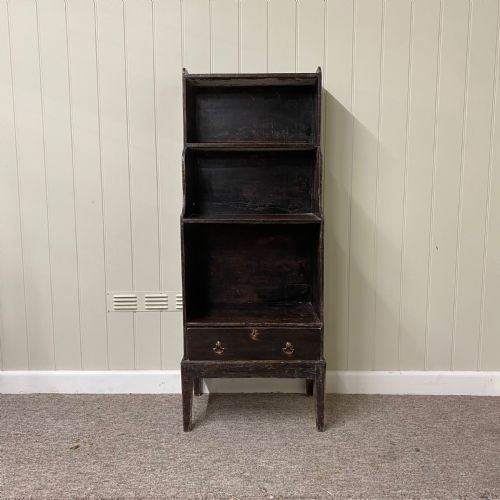
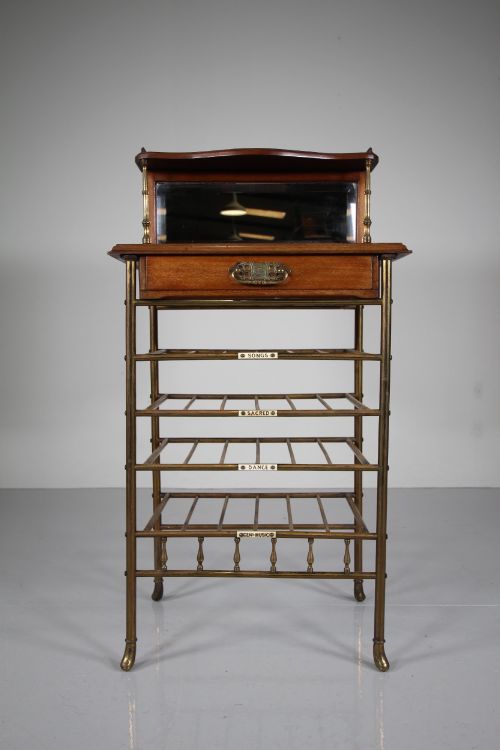
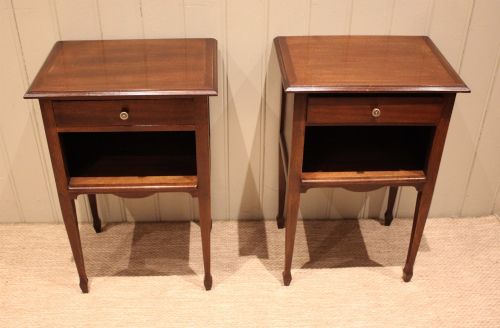
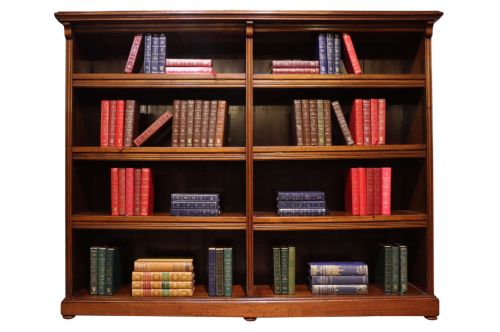
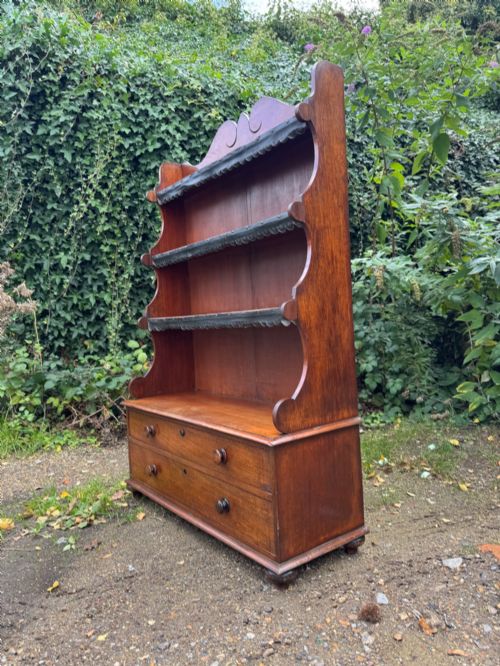
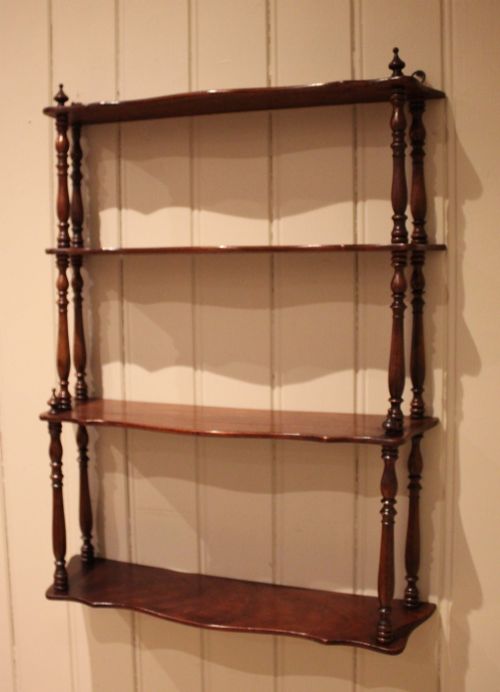
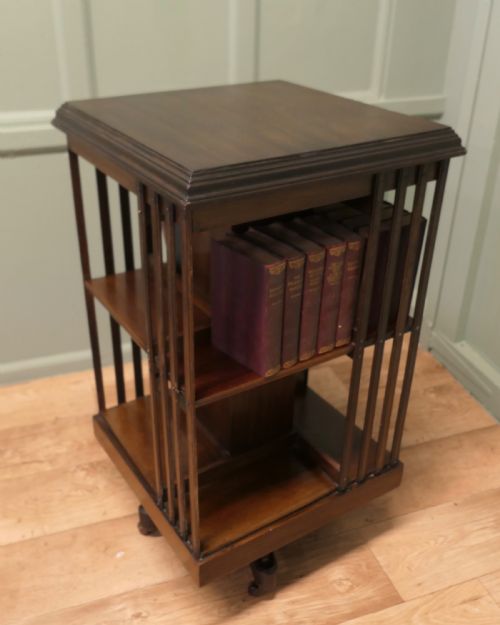
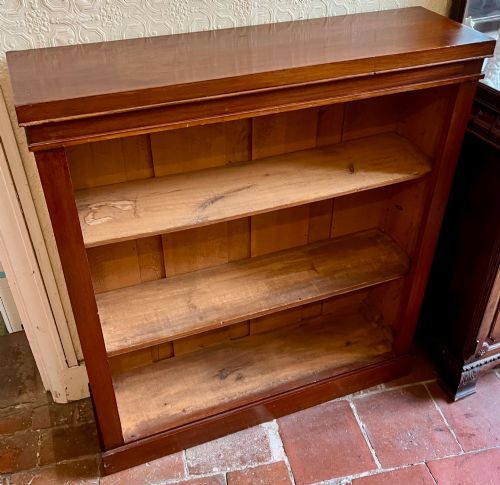
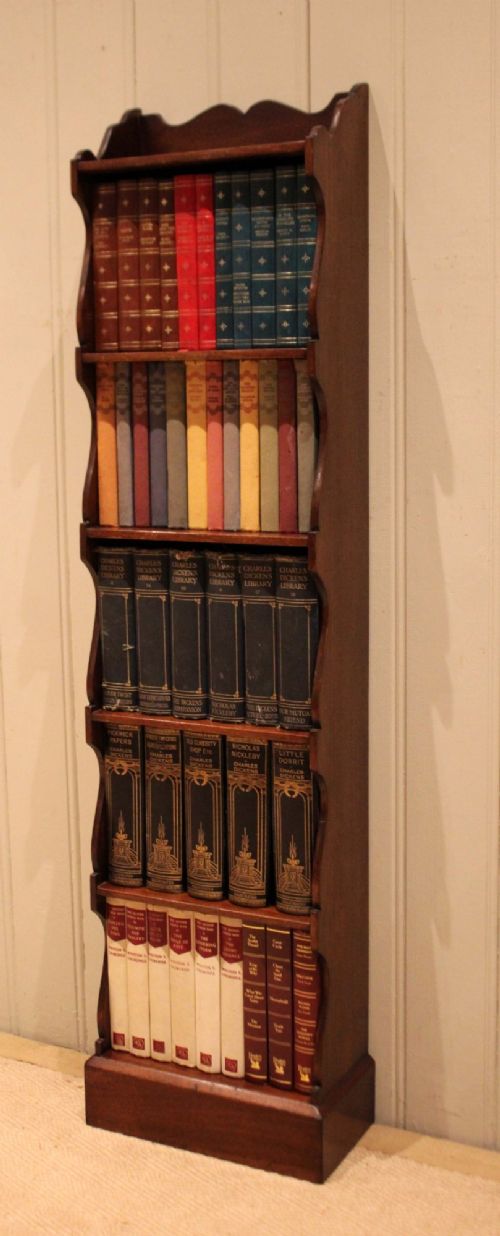
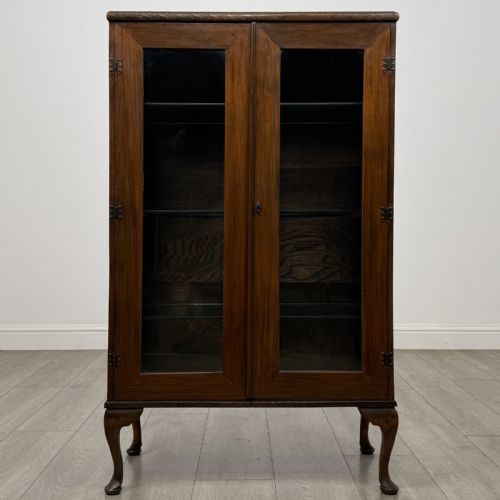
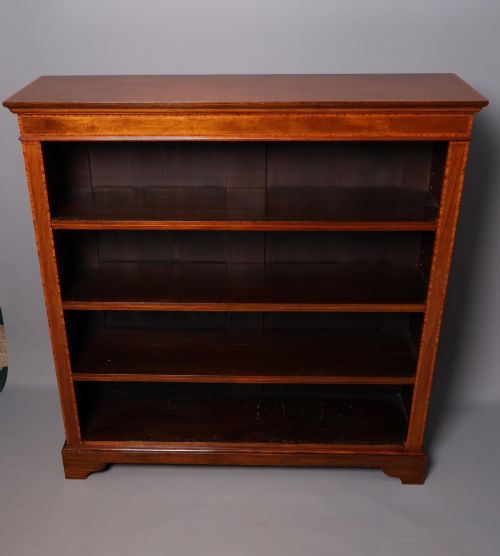
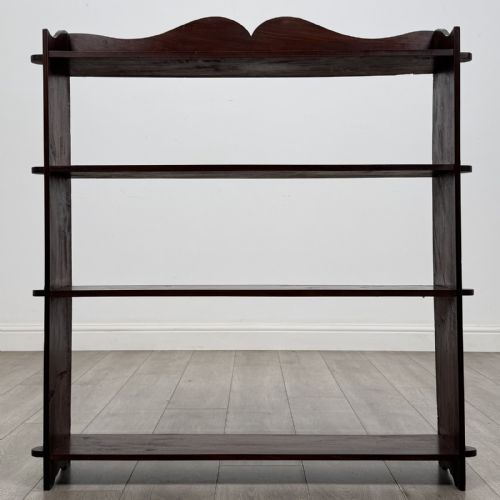
A vintage mahogany shelf spans various practical forms, including open bookcases, tiered what-nots, wall hanging shelves, and display cabinets with glass doors. Pieces range from Victorian and Edwardian examples to items from the early twentieth century, reflecting enduring utility.
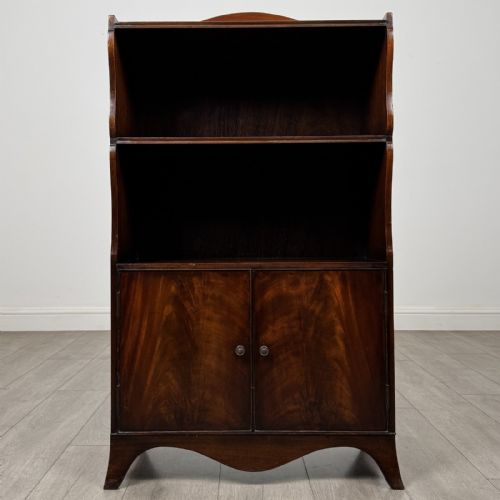
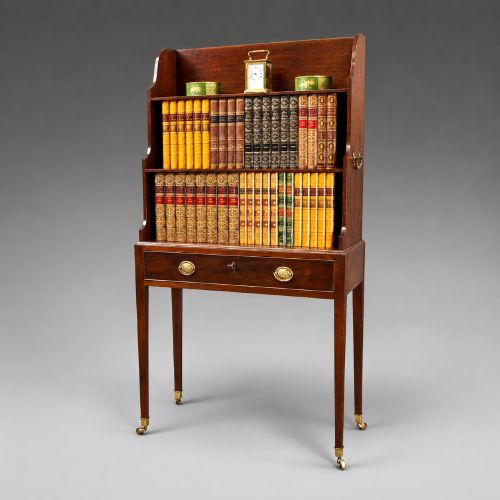
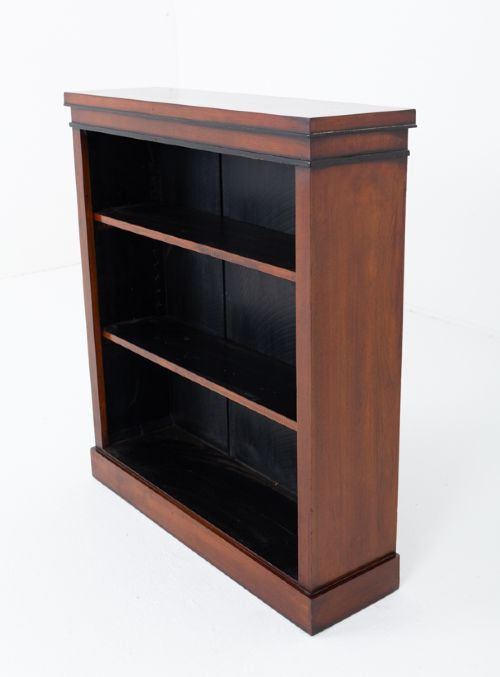
Open bookcases and multi-tiered stands dominate the selection, often featuring adjustable shelves, raised galleries, or shaped sides. Many incorporate subordinate lower shelves or compartments alongside the main display area.
Origins stretch across the nineteenth and early twentieth centuries, encompassing periods such as the Victorian, Edwardian, and Regency eras, as well as Georgian revivals.
Materials and construction methods
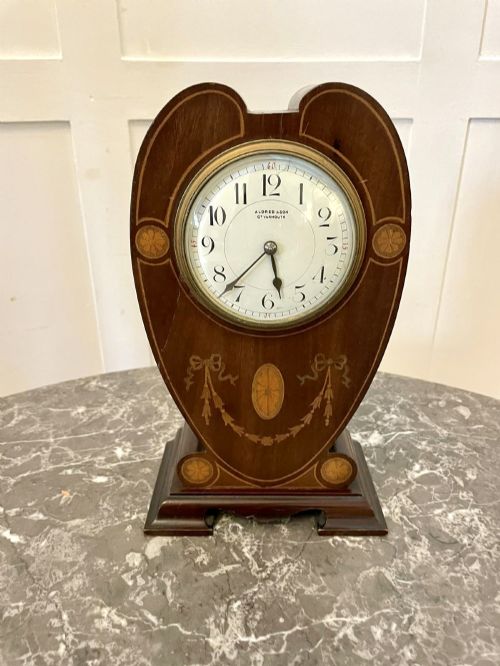
Construction relies predominantly on solid mahogany and flame mahogany veneers, prized for deep red-brown grain patterns and polished surfaces. Artisans frequently integrated contrasting timbers such as satinwood and boxwood for delicate stringing and inlay work.
Structural hardware and decorative accents utilise brass fittings, glass panels, and ormolu mounts, particularly on display cabinets and clocks. Joinery methods support heavy loads in bookcases while maintaining slender profiles in wall-hanging and tiered formats.
Vintage Mahogany Shelf Retail Price Guide 2026
Typical asking prices for vintage mahogany shelf among the pieces listed under this phrase on Sellingantiques today, from the lower quarter to the upper quarter. They describe what is for sale here now, not the wider market.
Several pieces include lower shelves specifically designated for magazines or china.
Distinctions in craftsmanship and design
Quality rests on the selection of timber figure, such as the richness of flame mahogany, and the precision of satinwood inlay or boxwood stringing. Finer pieces demonstrate careful attention to proportion, particularly in slender pillars, shaped sides, and bracket feet.
The sophistication of internal engineering, including smooth mechanisms for adjustable shelves, up-and-over doors, or glazed enclosures, separates standard utilitarian furniture from exceptional cabinet work.
Macey
The Vintage Mahogany Shelf Glossary
- Flame mahogany
- A veneer figure characterised by a distinctive flame-like ripple pattern, highly prized for its decorative visual depth on cabinet fronts and shelves.
- What-not
- An open multi-tiered set of shelves designed for displaying ornaments, books, or small possessions, popular during the Regency and Victorian periods.
- Raised gallery
- A low decorative railing or raised edge running along the top or back of a shelf, designed to prevent items from sliding off.
- Satinwood inlay
- Contrasting light-coloured timber inlaid into the darker mahogany surface in geometric or floral patterns to enhance visual appeal.
- Bracket feet
- Architectural supports projecting beneath the base of a cabinet or bookcase, shaped to lift the body cleanly off the floor.
Vintage Mahogany Shelf: Frequently Asked Questions
How do I clean a mahogany shelf?
Dust regularly with a soft, dry cloth to prevent accumulation. Apply a quality natural beeswax periodically to nourish the timber and maintain the polished lustre without building up heavy residues.
Avoid placing wooden furniture in direct sunlight or near heat sources to prevent the mahogany from drying out or warping over time.
Are the shelf heights adjustable?
Many period bookcases and shelving units feature adjustable shelves supported by traditional wooden racks or metal pins. This allows you to customise the interior layout for different book sizes.
Fixed shelves do appear in smaller wall-hanging units and specific antique cabinets, so checking individual descriptions ensures the piece meets your storage needs.
Can these shelves hold heavy books?
Solid mahogany construction provides robust structural integrity suited to supporting standard library collections and heavy volumes. Larger bookcases often incorporate plinth bases or sturdy bracket feet to distribute weight evenly.
Wall-hanging versions require secure fixing to appropriate wall anchors to ensure safe weight capacity for daily use.
How do I distinguish Edwardian from Victorian pieces?
Victorian mahogany furniture generally tends to feature heavier proportions, darker finishes, and robust architectural details like barley twist supports or deep plinths. Edwardian pieces often display lighter, more slender framing with delicate satinwood inlay and refined proportions.
Cabinetmakers working in the Edwardian era frequently revived earlier styles while favouring brighter finishes and streamlined silhouettes.