


Vintage Low Seating
Vintage low seating brings grounded comfort to a room, offering low-slung proportions and period character.
Vintage Low Seating
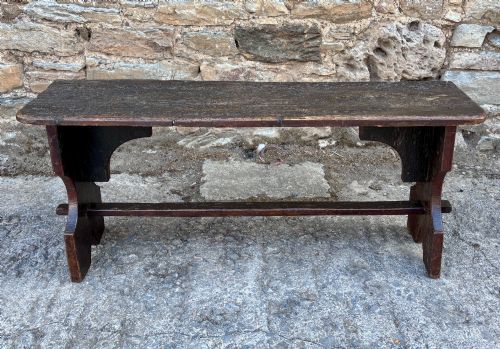
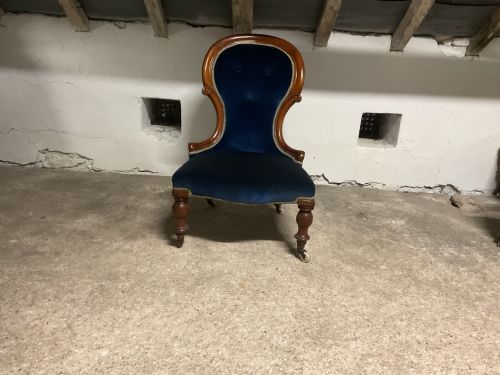
Vintage low seating encompasses stools, armchairs, slipper chairs, nursing chairs, benches, and sofas designed with a reduced height for intimate or domestic use. These pieces span from the eighteenth century through the Edwardian era and into the Art Deco period, capturing centuries of changing interior habits.
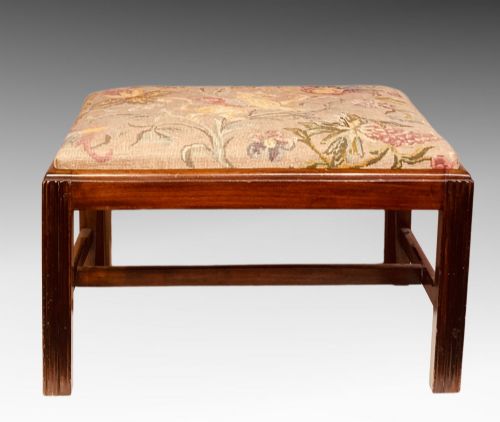
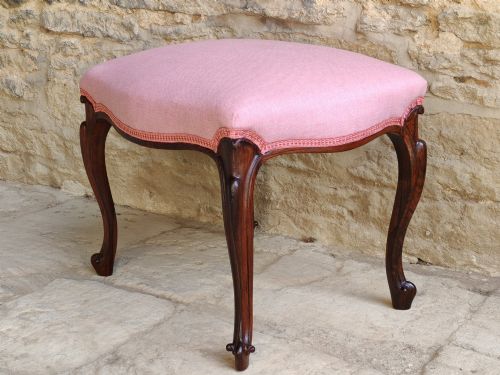
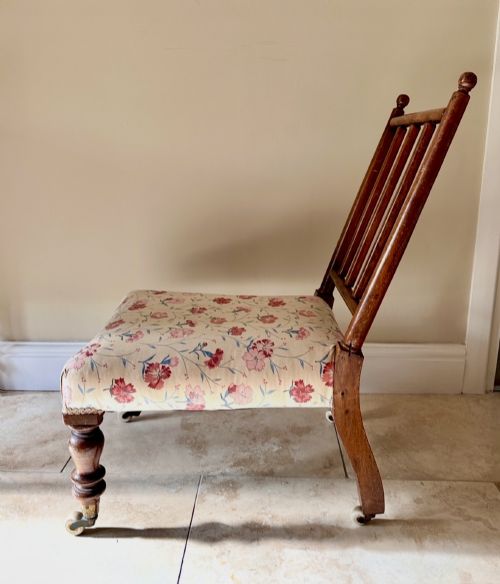
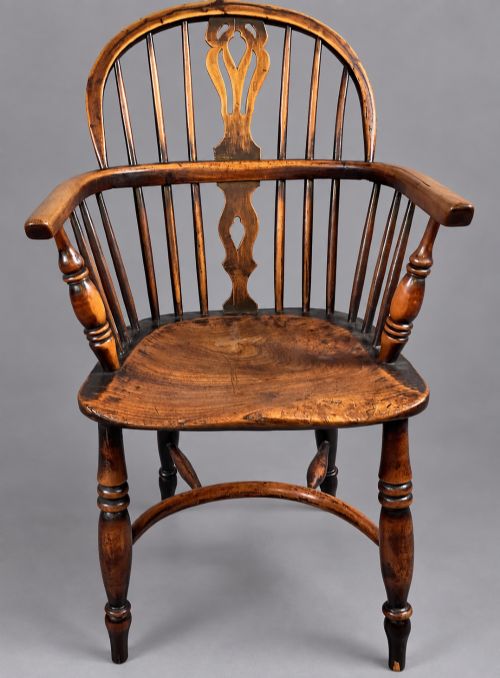
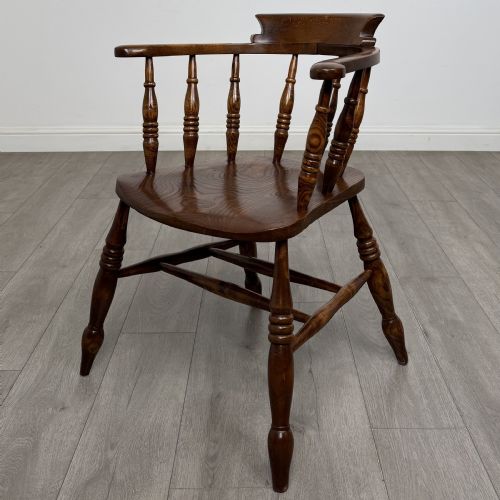
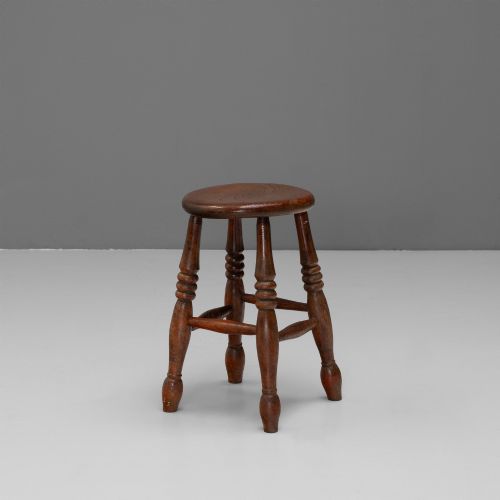
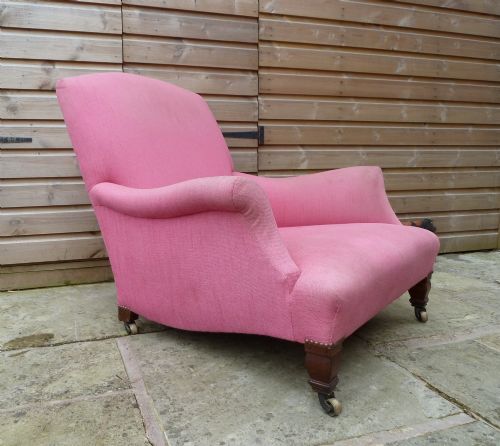
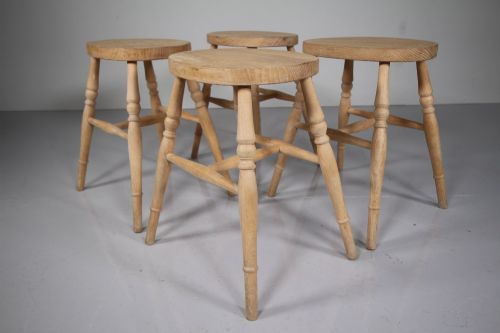
Buyers encountering this group most frequently meet nineteenth-century examples, including walnut nursing chairs, mahogany dressing stools, and spindle-back slipper chairs. Regional vernacular items, such as elm smokers bow armchairs and Eastern European milking stools, appear alongside formal styles influenced by Victorian, Regency, and Queen Anne aesthetics.
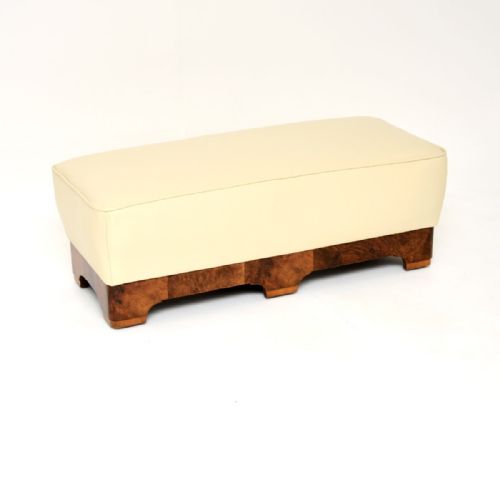
The category bridges formal drawing room seating and rustic country utility, allowing collectors to source everything from burr walnut Art Deco stools to rush-seated low armchairs. Each piece maintains a compact stature designed for firesides, dressing rooms, and low-table settings.
How they were made
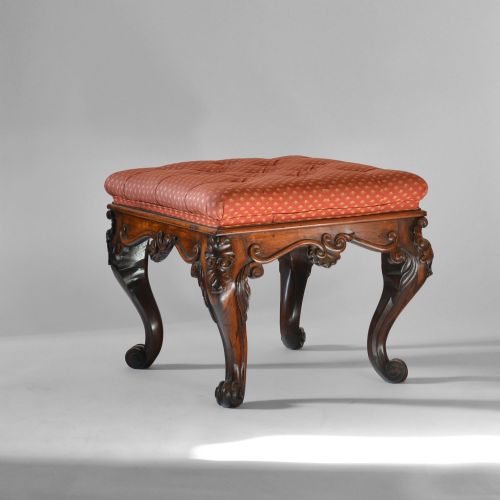
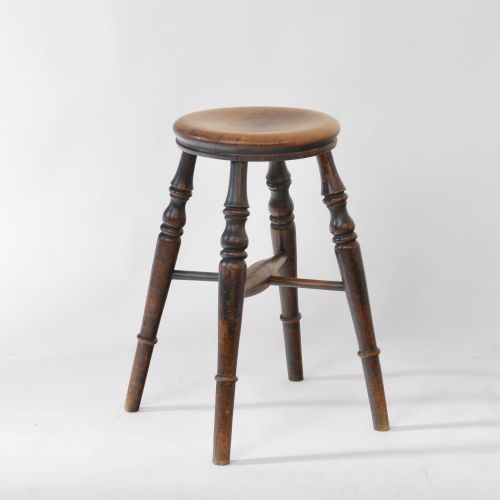
Cabinetmakers and vernacular joiners shaped these pieces from timber frames of mahogany, oak, walnut, rosewood, elm, yew, beech, and sycamore. Turning lathes produced spindle backs, cross stretchers, and cabriole legs, while hand-carving added detail to Victorian gilt oak and Chippendale style frames.
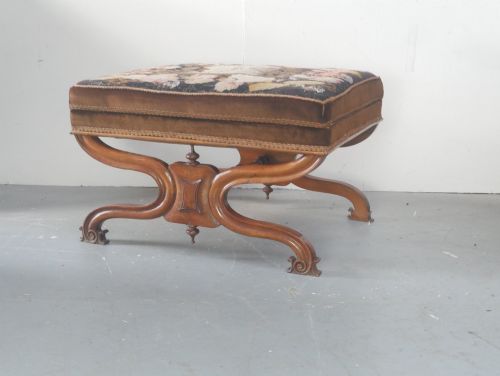
Upholstered forms incorporated fabric, velvet, and leather over button-backed or sprung foundations, sometimes finished with needlework seats or original ochre and green paint.
What varies in quality
The distinction between ordinary and exceptional pieces rests in the integrity of the timber selection and the refinement of the joinery. Figured walnut, burr walnut, and dense rosewood elevate a frame above standard beech or pine, while crisp hand-carving on cabriole legs or ball feet demonstrates superior craftsmanship.
Original surface treatments, such as untouched paint on vernacular milking stools or period upholstery methods, preserve the historic authenticity of the piece. The harmony of proportions between the low seat height and the turned or carved supports determines the visual balance of the finished chair or stool.
Howard and Sons·Liberty Morris and Co·Harry and Lou Epstein
The Vintage Low Seating Glossary
- Slipper chair
- A low-seated upholstered bedroom chair traditionally used by ladies for putting on shoes or garments.
- Nursing chair
- A low Victorian armchair designed to allow a mother to nurse a child comfortably near a hearth.
- Smokers bow
- A low-backed Windsor-style armchair with a curved crest rail, commonly found in vernacular wood.
- Cross stretcher
- An intersecting wooden brace between the legs of a stool or chair that adds structural stability.
- Cabriole leg
- A furniture leg featuring a double curve resembling the leg of an animal, popular in period seating.
Vintage Low Seating: Frequently Asked Questions
What is vintage low seating?
Vintage low seating includes antique stools, slipper chairs, nursing chairs, and low benches designed with reduced heights for bedrooms, dressing rooms, and firesides.
These pieces range from formal nineteenth-century mahogany and walnut designs to rustic vernacular milking stools and Edwardian armchairs.
How were low chairs used?
Nursing chairs and slipper chairs served domestic functions in Victorian bedrooms, allowing women to dress or care for infants close to the warmth of the hearth.
Stools and low benches provided flexible auxiliary seating around dressing tables or throughout country house living spaces.
How do I date these pieces?
Dating relies on identifying stylistic markers such as Victorian cabriole legs, Art Deco burr walnut veneers, or eighteenth-century hearth stool proportions.
Joinery techniques and secondary timbers beneath upholstery further help assign pieces to periods like the Regency or Edwardian era.
Are painted finishes original?
Some vernacular pieces, such as Eastern European milking stools, retain their original ochre or green surface paint applied by rural makers.
Examining the wear patterns and underlying timber helps verify whether the painted finish belongs to the period of manufacture.