
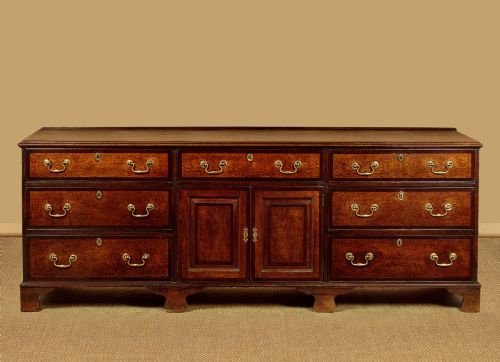
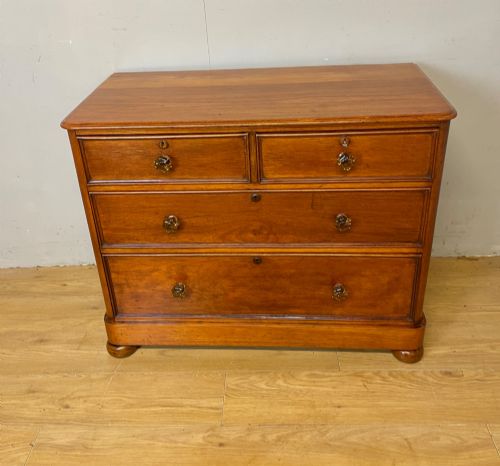
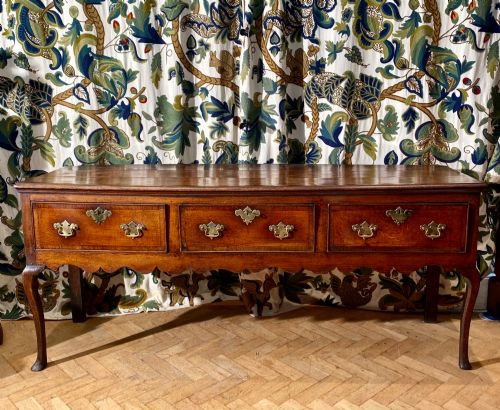
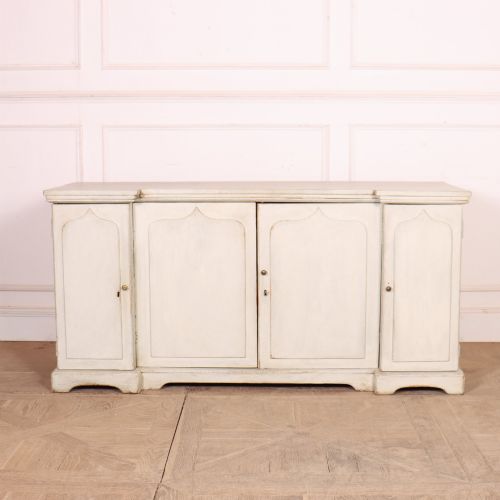
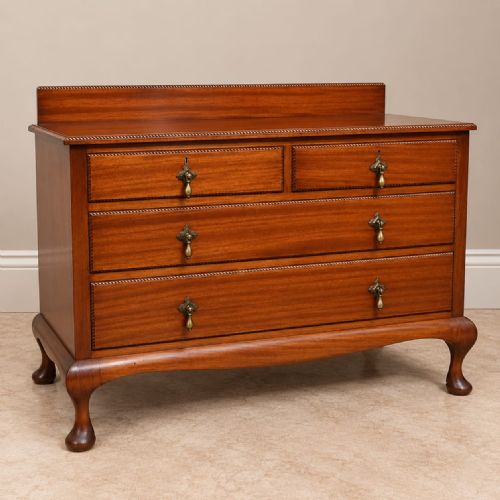
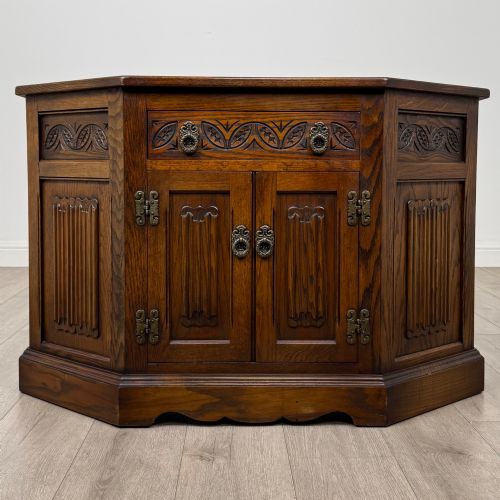
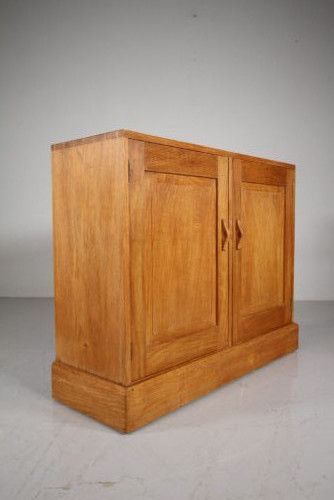
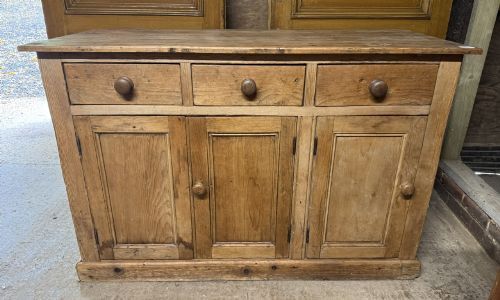
Vintage Low Dresser
A vintage low dresser offers substantial storage and surface space while keeping ceilings and walls visually clear.
Vintage Low Dresser
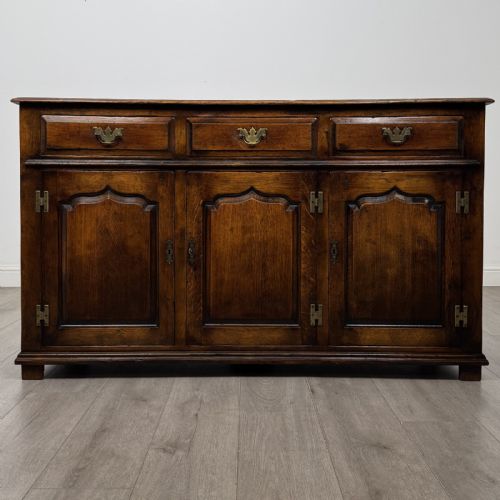
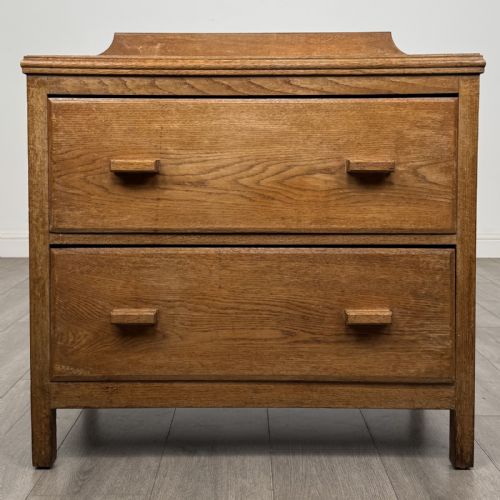
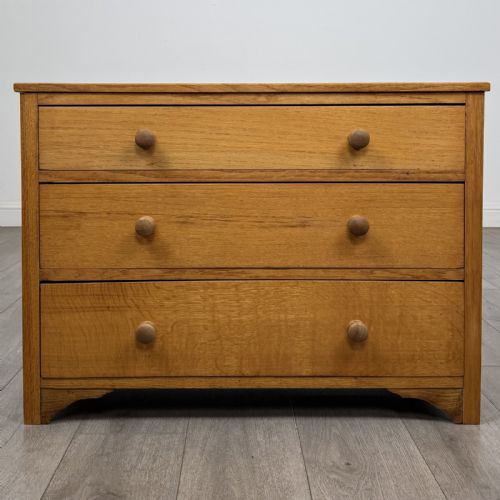
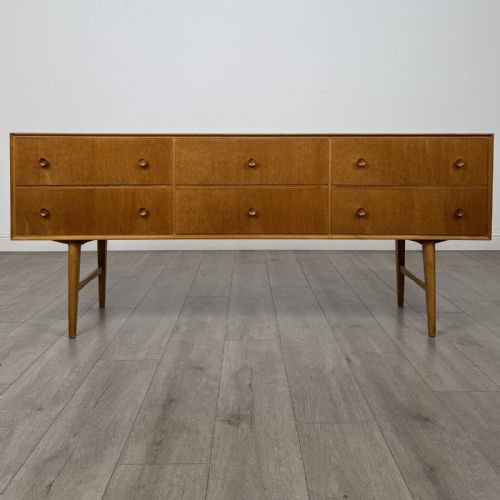
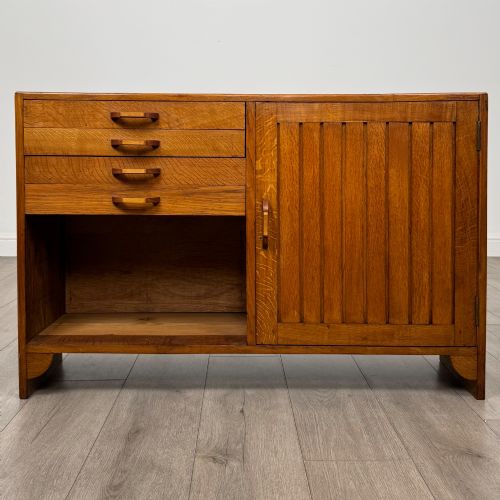
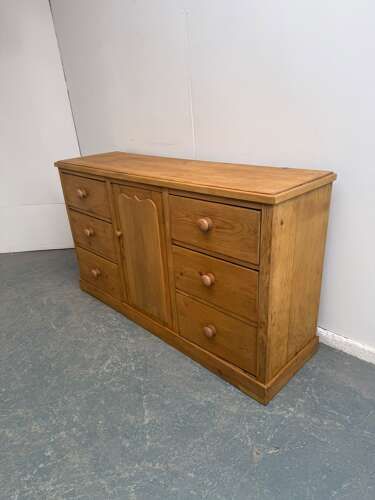
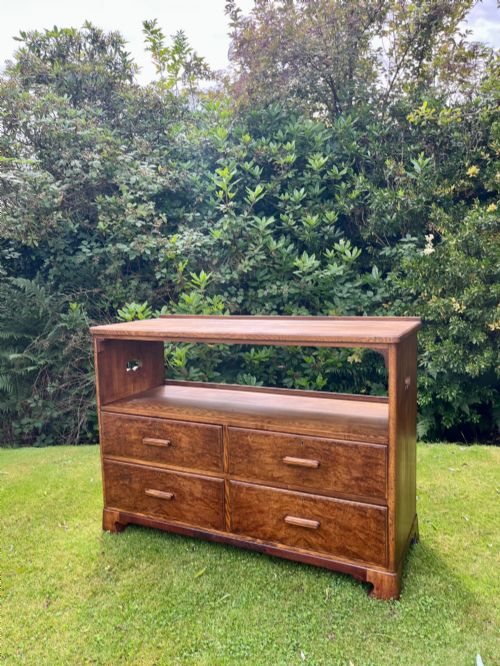
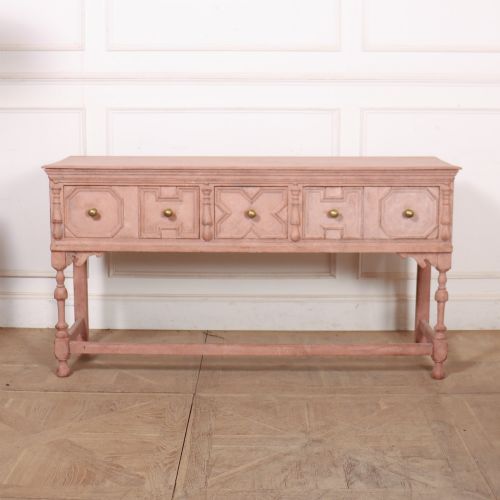
A vintage low dresser primarily takes the form of a dresser base, sideboard, or low chest of drawers used for domestic storage. These pieces sit lower than traditional towering cabinetry, keeping the room open and airy.
The selections span from the 18th century through to the 1930s, encompassing Georgian, Victorian, Edwardian, and Arts and Crafts periods. Oak and pine dominate the forms, frequently styled in English country or regional vernaculars.
Buyers most commonly encounter sturdy oak dresser bases and pine kitchen units, alongside occasional mahogany and teak iterations. Many examples feature functional arrangements of drawers paired with low cupboards or potboards.
Materials and construction methods
Solid timbers such as oak, pine, and mahogany form the primary structure of these low storage units, frequently joined using traditional methods suited to domestic workshops. Grain patterns and natural knots remain visible beneath waxed or polished finishes.
Metal hardware including brass pulls, iron hinges, and functional locks provide operational contrast to the heavy timber frames. Painted wood surfaces also appear, preserving original historic pigments on pine and oak bodies.
Carved details, linenfold panels, and tambour doors demonstrate specific stylistic periods from the 18th century to the 1930s. Potboard tiers and raised galleries are integrated directly into the foundational wooden architecture.
Listings feature oak, pine, and mahogany across periods spanning the 18th century to the 1930s.
Distinctions in quality
The integrity of the timber selection and the weight of the solid wood dictate the baseline quality of each piece. Heavier, dense construction using quarter-sawn oak or seasoned pine signals superior cabinet-making traditions.
Originality of surface finishes, from undisturbed historic paint to deep patinated wax, separates untouched examples from heavily restored alternatives. The retention of original brass hardware and working locks adds substantial character.
The sophistication of regional joinery, such as Cotswold School execution or refined Georgian proportions, elevates certain dresser bases and sideboards above standard utility furniture.
Whytock and Reid·Bowman Brothers
The Vintage Low Dresser Glossary
- Dresser base
- A low wooden sideboard or storage unit featuring drawers and sometimes a lower shelf, historically used in kitchens and dining rooms for food preparation and storage.
- Potboard
- An open lower shelf built into a dresser base designed originally for storing pots and heavy kitchenware.
- Tambour door
- A flexible sliding door constructed from narrow vertical strips of wood glued to a canvas backing, allowing access to tight cabinet spaces.
- Raised gallery
- A low decorative upstand attached to the rear or sides of a chest of drawers or sideboard top to prevent items from sliding off.
- Linenfold
- A style of wood carving used on panel doors that resembles folded vertical folds of fabric, popular in revival and early periods.
- Breakfront
- A cabinet design where the central section projects forward from the flanking sections, creating architectural depth.
Vintage Low Dresser: Frequently Asked Questions
Where were low dressers originally used?
These low storage units primarily served kitchens, dining rooms, and dairies where domestic work required sturdy surfaces and accessible drawer storage.
Over time, homeowners moved these functional pieces into living areas and hallways as general storage sideboards.
How do I distinguish oak periods?
Earlier 18th-century pieces display hand-carved details, pegged joinery, and heavy timber construction characteristic of regional country workshops.
Later Edwardian and 1920s examples show machine-planed timber, standardised drawer linings, and refined hardware fittings.
Can I use a dresser base in a hallway?
The shallow depth and low profile of these sideboards make them ideal for narrow entryways and corridors.
They provide convenient surface space for keys and post while offering enclosed drawer storage for everyday items.
What is the difference between painted and waxed finishes?
Waxed finishes highlight the natural grain, knots, and warm tones of solid oak and pine timbers through regular polishing.
Painted surfaces preserve historical layers of colour, offering a softer aesthetic that suits both rustic and traditional interiors.