

Vintage Low Chest
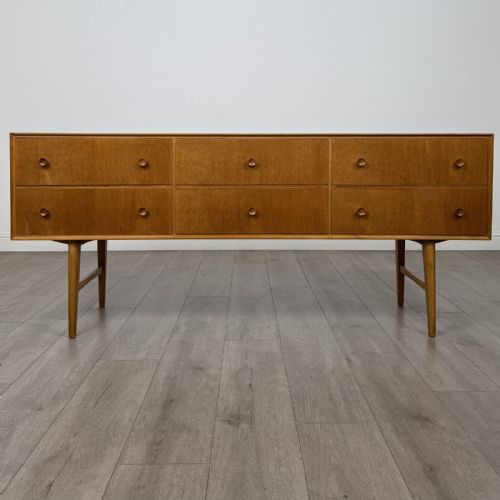
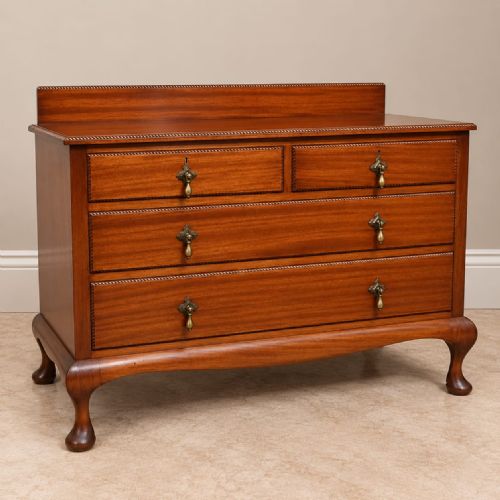
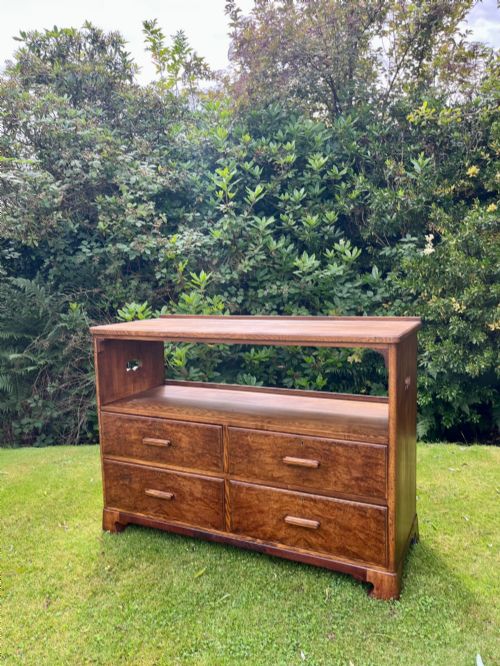
A vintage low chest is a low-slung storage piece built from oak, pine, walnut, or mahogany, offering deep drawers or compartments for practical everyday use.
Vintage Low Chest
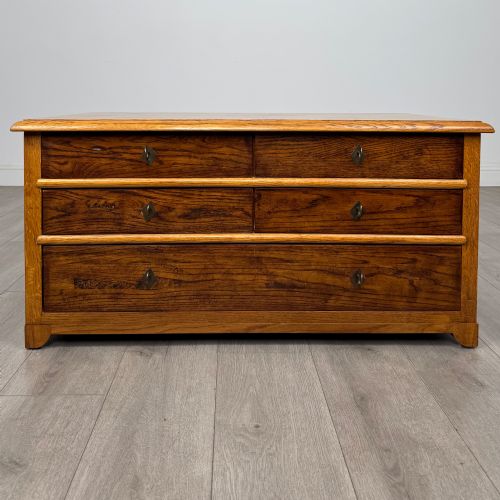
When you search for a vintage low chest, you encounter compact timber cabinetry designed to sit low in a room while holding garments, linen, or household goods. These pieces bridge the gap between utility and proportion, keeping floor space visually open.
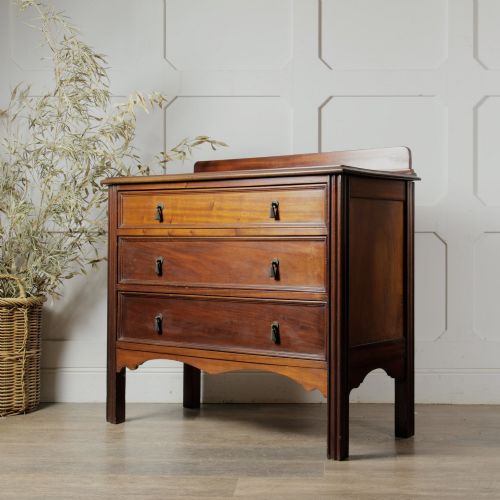
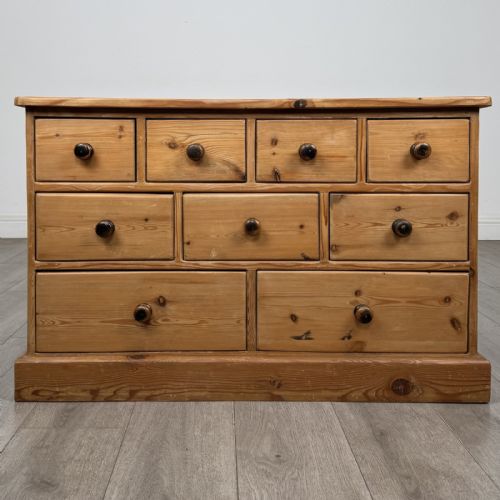
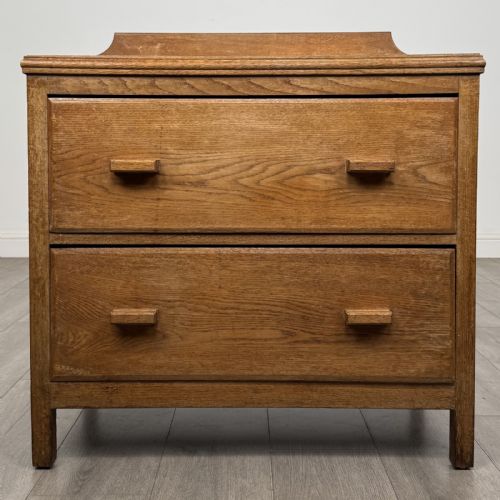
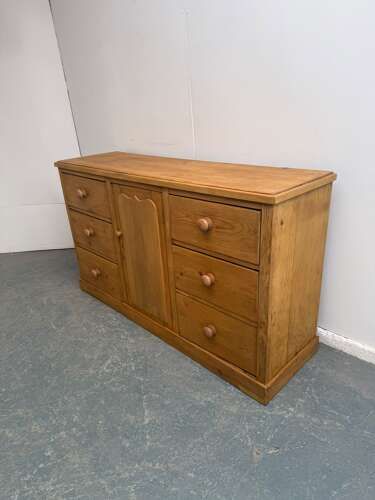
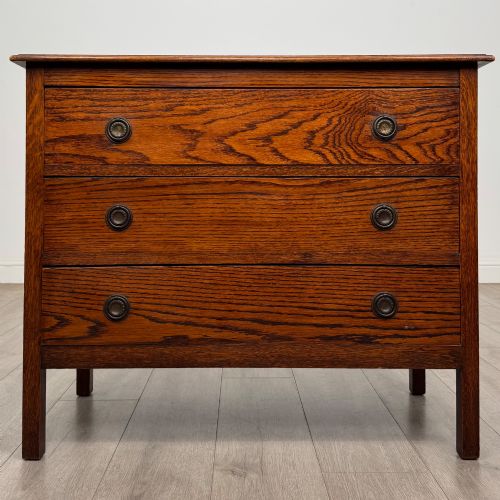
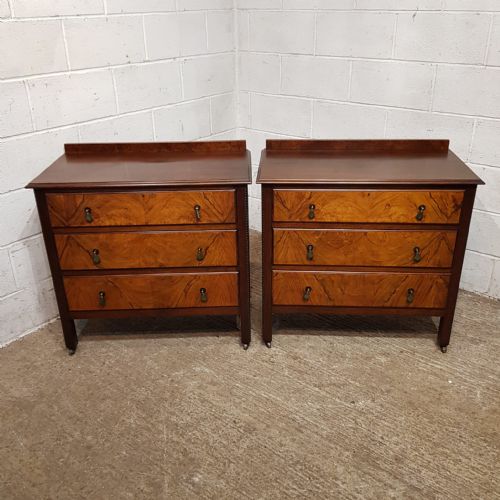
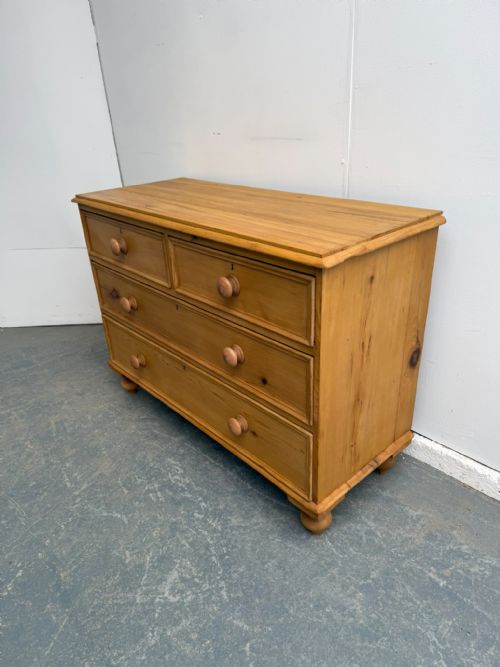
The version you are most likely to meet on this page is an oak or pine chest of drawers from the Victorian, Edwardian, or nineteen-twenties periods. They appear in golden oak, waxed pine, and figured walnut.
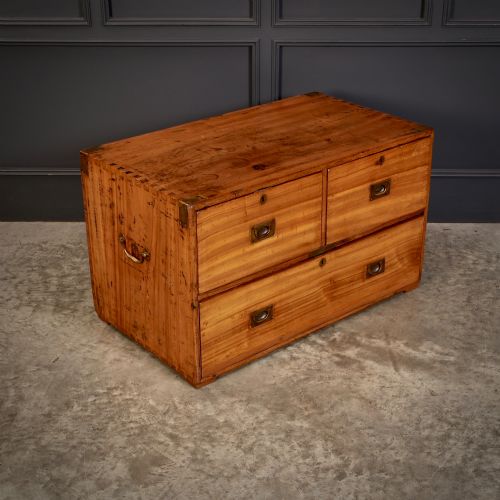
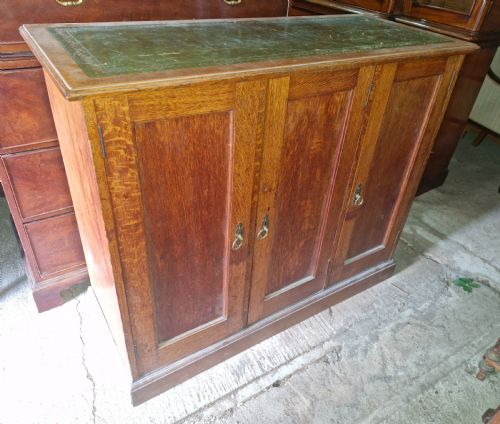
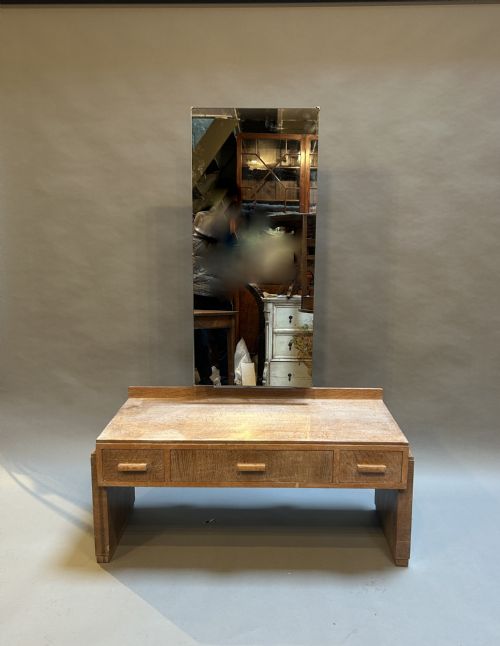
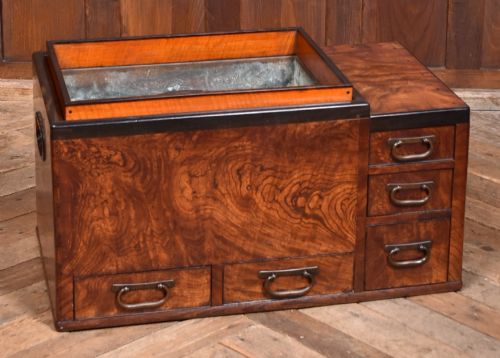
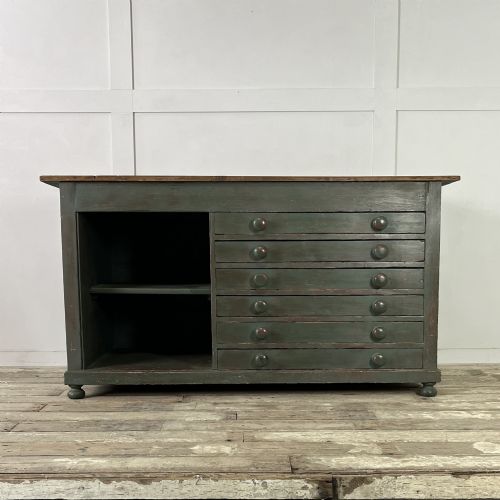
Beyond standard drawer units, the selection encompasses low sideboards, dresser bases, campaign chests, and small cabinets. Each form shares a reduced height and a sturdy timber construction intended for domestic storage.
How they were made
Cabinetmakers built these pieces using solid hardwoods such as oak, mahogany, walnut, and elm, alongside domestic pine for secondary framing and drawer linings. Joinery relied on tight-fitting joints and panel construction to handle the natural movement of timber over decades.
Surfaces received various finishes depending on the workshop and period, ranging from traditional wax polishes on pine and oak to French polish on walnut and mahogany. Hardware included brass drop handles, wooden knob handles, and working brass locks with keys.
Vintage Low Chest Retail Price Guide 2026
Typical asking prices for vintage low chest among the pieces listed under this phrase on Sellingantiques today, from the lower quarter to the upper quarter. They describe what is for sale here now, not the wider market.
The listings span the eighteenth, nineteenth, and early twentieth centuries, featuring woods like oak, pine, walnut, and camphor.
What varies in quality
The distinction between ordinary and superior examples lies in timber selection and cabinetmaking refinement. Pieces featuring figured burr walnut veneers, book-matched grains, or raised galleries demonstrate higher ambition than utilitarian pine units.
Construction details also separate workshop tiers, such as hand-cut dovetails on drawer boxes, original brass ironmongery, and intact backboards. Well-preserved original surfaces without excessive modern intervention retain greater integrity.
Whytock and Reid·Heals·WC Burt
The Vintage Low Chest Glossary
- Gallery
- A raised wooden border or superstructure along the back or sides of a chest top. It prevents items from sliding off the surface.
- Dovetail
- A joint formed by interlocking wedge-shaped fingers, securing drawer corners. This method ensures lasting structural strength under daily pull.
- Campaign chest
- A portable storage unit made in sections with recessed brass handles and corner brackets. Officers utilised these for travel during the nineteenth century.
- Dresser base
- A low sideboard or cabinet featuring drawers and cupboards beneath a flat top. Kitchens and dining rooms originally utilised them for food preparation and tableware storage.
Vintage Low Chest: Frequently Asked Questions
What rooms suit a low chest?
These low timber pieces sit comfortably in bedrooms, hallways, or living spaces where standard tall furniture might block light or overwhelm the proportions of a room.
Their reduced height also allows the top surface to function well for displaying lamps, books, or decorative objects while keeping storage accessible.
How do I care for wax finishes?
Waxed oak and pine surfaces require occasional feeding with a quality beeswax polish to maintain the moisture of the timber and prevent drying out.
Avoid placing these items near direct heat sources or strong sunlight, which can fade the finish and cause the wood joints to shift.
Are the drawer locks original?
Many Victorian and Edwardian chests retain their brass locks, though keys are sometimes replaced over time as pieces pass through different hands.
Working locks with operational keys add to the charm and utility of storage cabinets, particularly on pieces intended for private documents or valuables.
How do I date an oak chest?
Examining the construction methods, handle styles, and secondary timbers helps determine the era in which a piece was built.
Earlier nineteenth-century examples often display hand-sawn boards and pegged joints, whereas later pieces incorporate machine-cut elements and different handle configurations.