

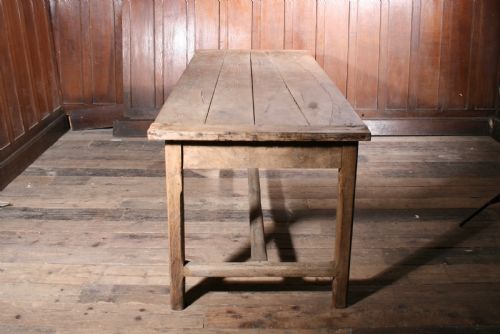
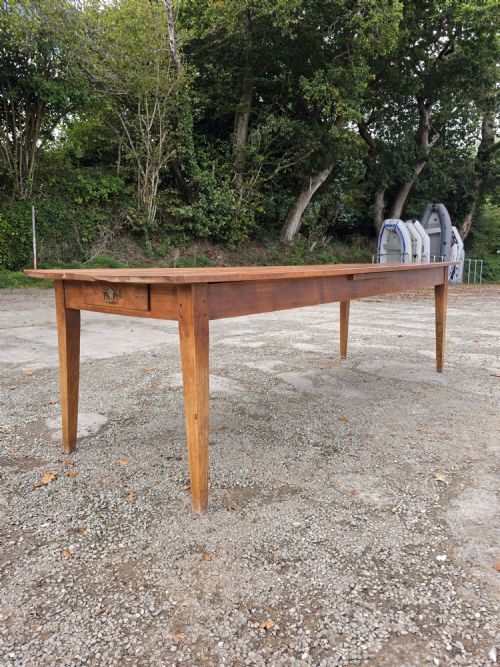
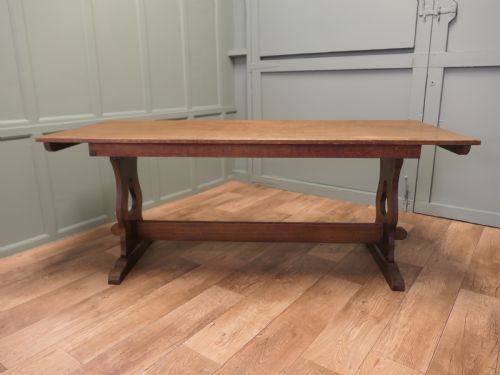
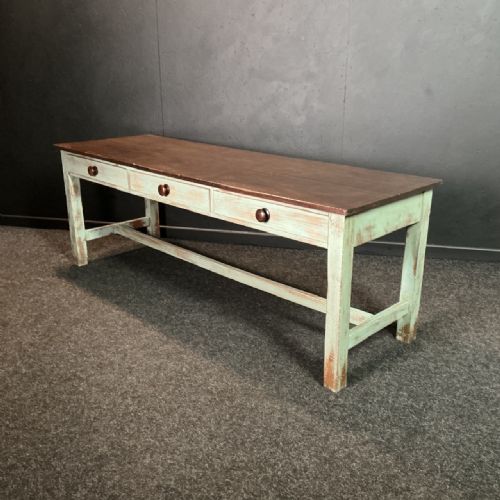
Vintage Long Dining Table
A vintage long dining table brings scale and substance to a room, offering generous proportions built for gathering.
Vintage Long Dining Table
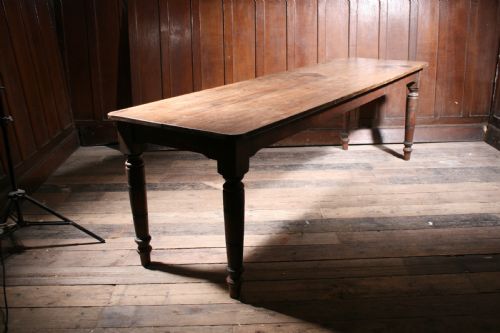
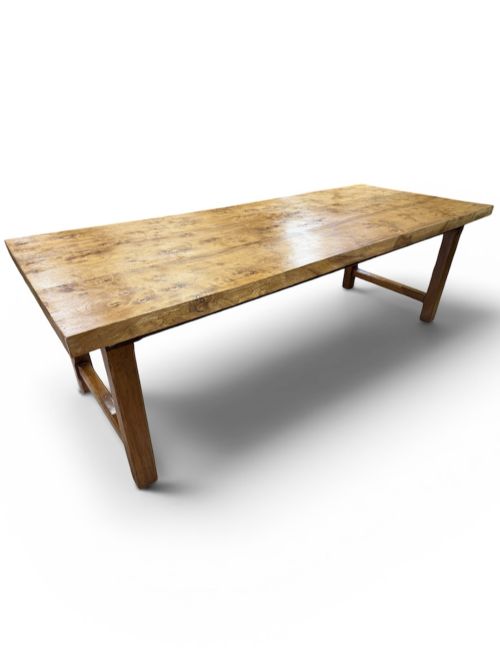
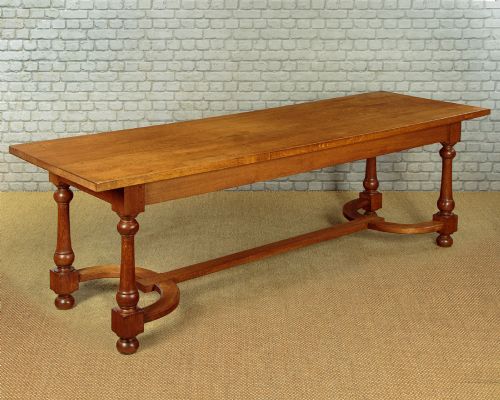
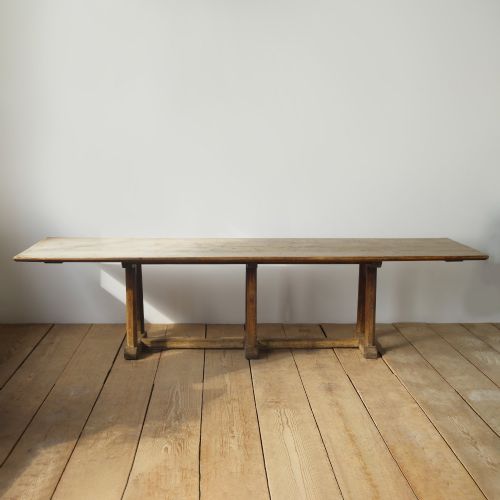
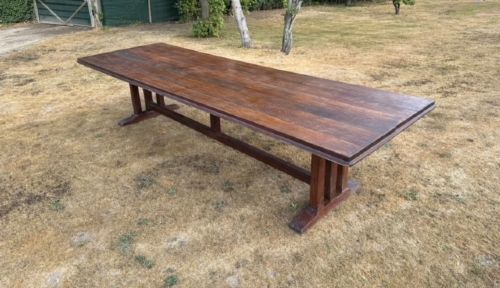
A vintage long dining table satisfies the need for large surface areas suited to communal dining and daily gatherings. These substantial boards reflect utilitarian origins, shaped by practical requirements in farmhouses, taverns, schools and halls.
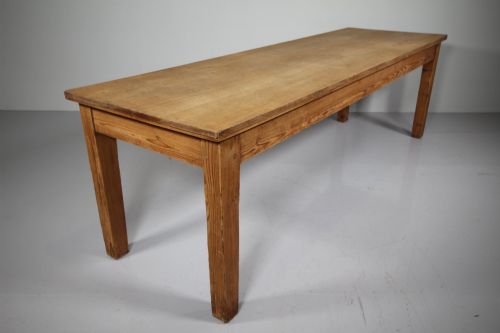
The pieces appearing here span centuries from the eighteenth through to the mid-twentieth, drawing on English, French, and Scandinavian vernacular traditions. Oak and pine dominate the selection, appearing alongside elm, fruitwood, cherrywood, and beech in generous lengths often exceeding two metres.
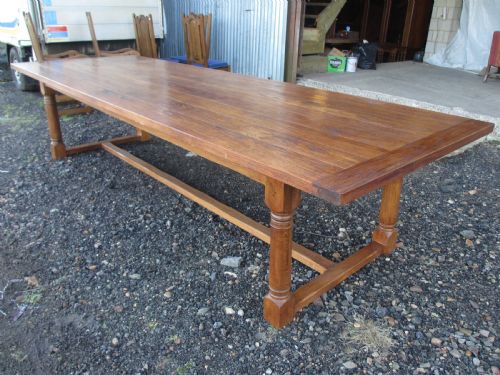
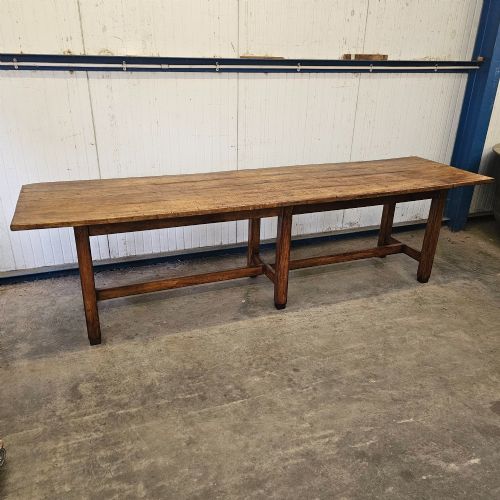
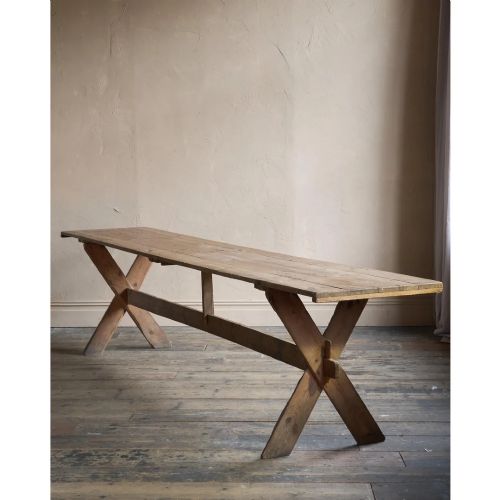
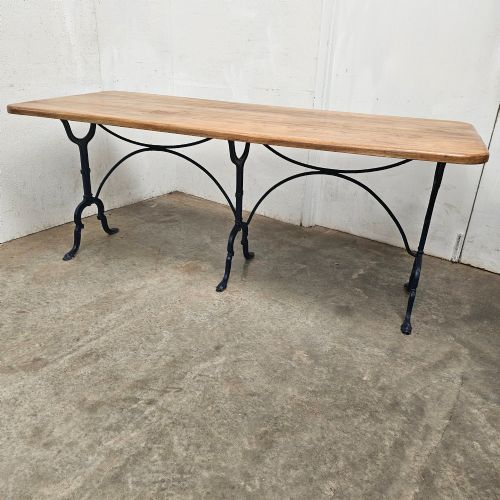
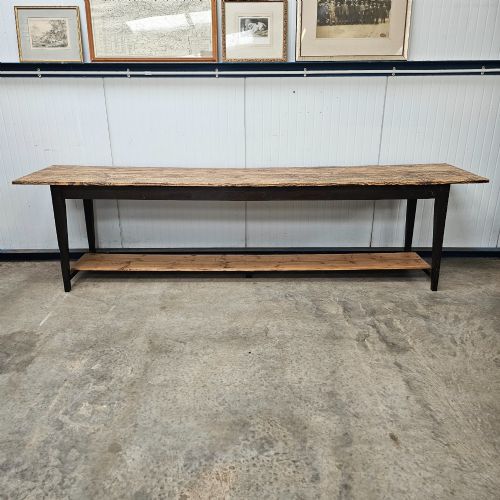
Refectory forms, trestle designs, and twin plank farmhouse boards represent the core of what is available. These formats provide stability and legroom across extended lengths, prioritising function and honest construction over decorative display.
Distinctions in quality
Quality rests in the integrity of the timber selection and the honesty of the construction. Superior examples feature thick, well-seasoned boards that have aged uniformly without excessive structural compromise.
Proportion and balance define the better pieces, where the scale of the base matches the considerable weight of the top. Original joinery and uncompromised structural timbers separate purposeful utility pieces from lesser alternatives.
Vintage Long Dining Table Retail Price Guide 2026
Typical asking prices for vintage long dining table among the pieces listed under this phrase on Sellingantiques today, from the lower quarter to the upper quarter. They describe what is for sale here now, not the wider market.
Formats on this page include refectory boards, trestle designs, and communal harvest tables.
The Vintage Long Dining Table Glossary
- Refectory table
- A long, narrow dining table traditionally used in monastic refectories and later adopted for domestic halls. These pieces often feature stretcher bases for added stability.
- Trestle table
- A table consisting of two or more support frames connected by a longitudinal beam or stretcher. This design allows maximum legroom along the length of the board.
- Farmhouse table
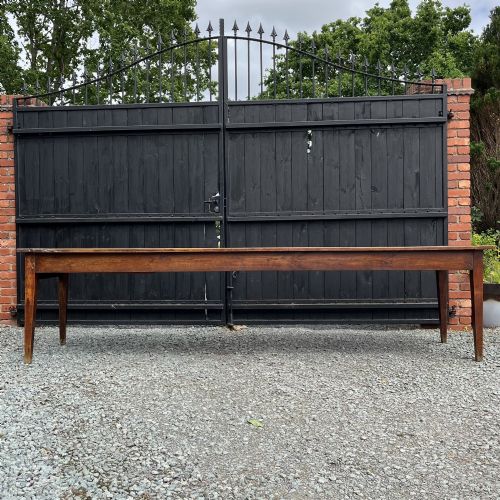
- A heavy utilitarian dining table built from robust timbers such as oak, pine, or fruitwood. They typically exhibit simple lines and sturdy pegged joinery.
- Harvest table
- A narrow dining table designed to seat many guests during seasonal gatherings. Pine and oak versions frequently appear in extended lengths.
- Twin plank table
- A table top constructed from two wide boards joined side by side. This method showcases the breadth of the original timber.
Vintage Long Dining Table: Frequently Asked Questions
How do I measure for a long dining table?
Allow adequate clearance around the perimeter of the table for chairs and comfortable movement within the room. Consider the placement of supporting legs or trestles to ensure diners can sit without obstruction.
Measure doorways and stairwells carefully before purchase, as these substantial tables often present access challenges in domestic settings.
What is the difference between a refectory and a farmhouse table?
Refectory tables typically feature long, narrow proportions with inset legs connected by sturdy stretchers, originally designed for communal dining halls. Farmhouse tables encompass a broader range of vernacular styles with thick plank tops and simple, robust frames.
Both forms prioritise durability and generous length, though refectory styles often lean towards a more formal architectural presence.
How do I care for an antique timber top?
Maintain the wood by applying appropriate natural waxes periodically to nourish the grain and protect against moisture. Avoid placing hot or wet items directly on the surface without adequate protection.
Clean spills promptly with a soft, dry cloth to prevent staining on absorbent historic timbers like pine or fruitwood.
Can these tables be used outdoors?
These pieces are designed for interior environments and exposure to outdoor elements will degrade historic timber and joinery. Fluctuating humidity and direct sunlight can cause boards to warp, split, or weaken structural bonds.
Keep them inside where stable temperatures preserve the integrity of the wood and original finishes.