

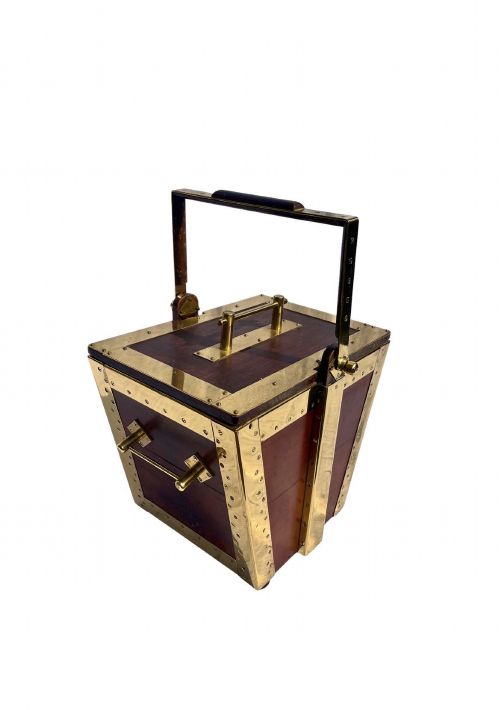


Vintage Log Store
A vintage log store brings warmth and utility to a hearth, offering sturdy containment for fuel through designs shaped in copper, brass, iron, and wood.
Vintage Log Store
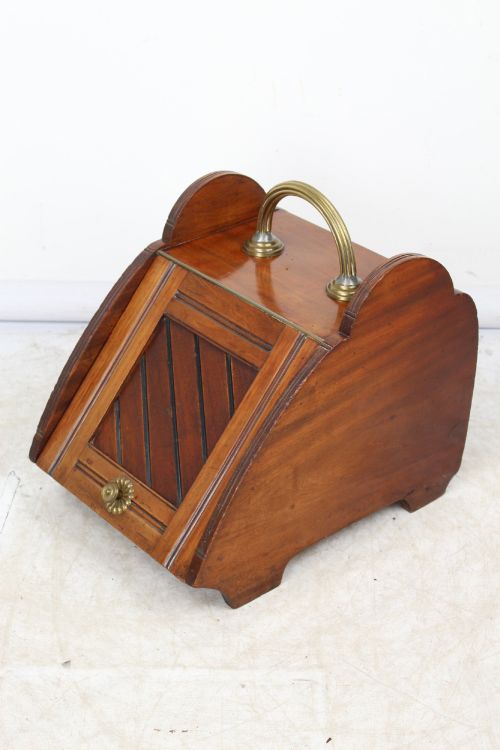
A vintage log store serves the practical purpose of holding fuel near the hearth while adding character to a room through varied forms such as bins, buckets, and boxes. When searching for a vintage log store, buyers encounter examples originating from the Georgian, Victorian, and later periods up to the 1930s. These pieces often overlap in function with coal scuttles and grain measures, adapting traditional utility items for domestic fuel storage.
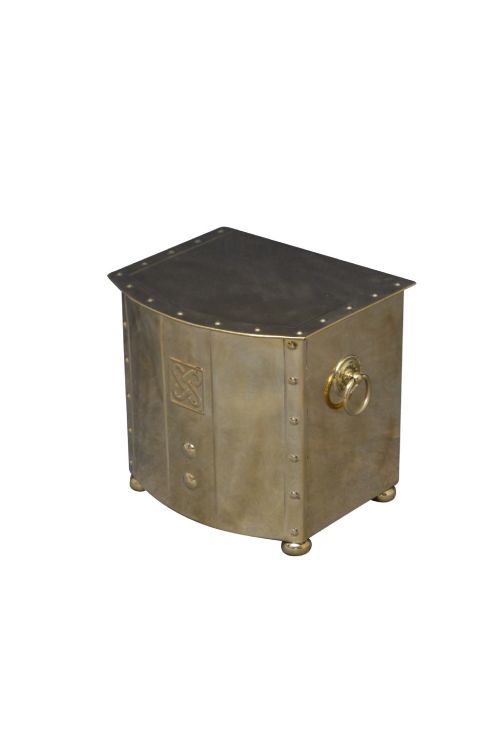
Most pieces seen here demonstrate robust construction in wood or metal, reflecting rural, industrial, and domestic origins. Oak, pine, and mahogany appear alongside heavy copper, brass, and wrought iron. The selection spans straightforward rustic farmhouse designs to more ornate Arts and Crafts and Art Nouveau interpretations.
Materials and construction
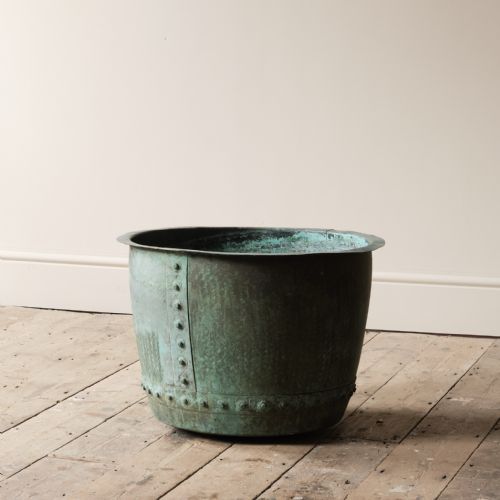
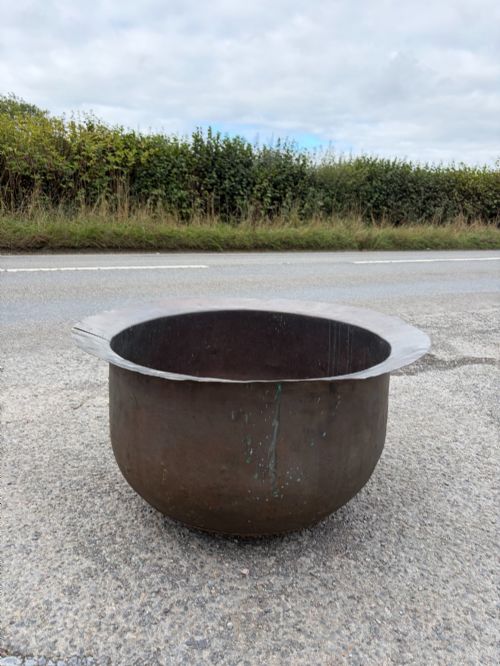
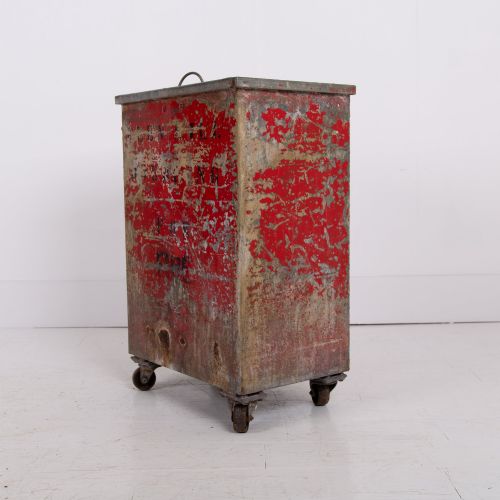
Makers utilised durable metals such as copper and brass, frequently joining plates with visible rivets and attaching swing handles for daily use. Iron appears in blacksmith-made carriers and heavy bins, sometimes incorporating wheels or structural banding.
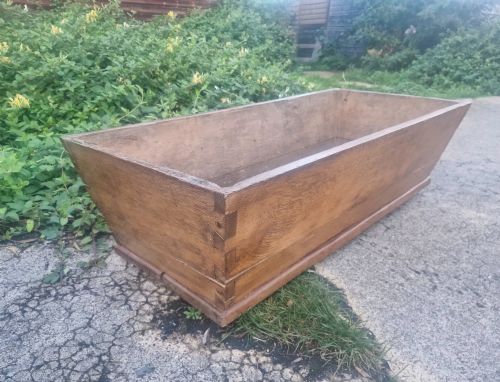
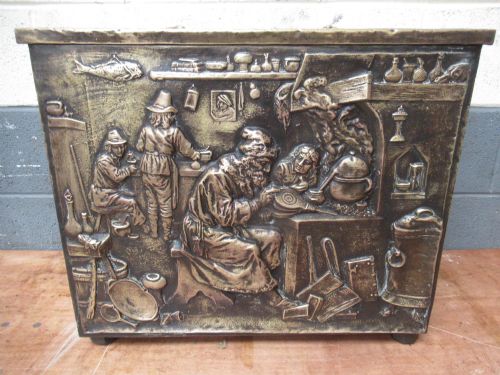
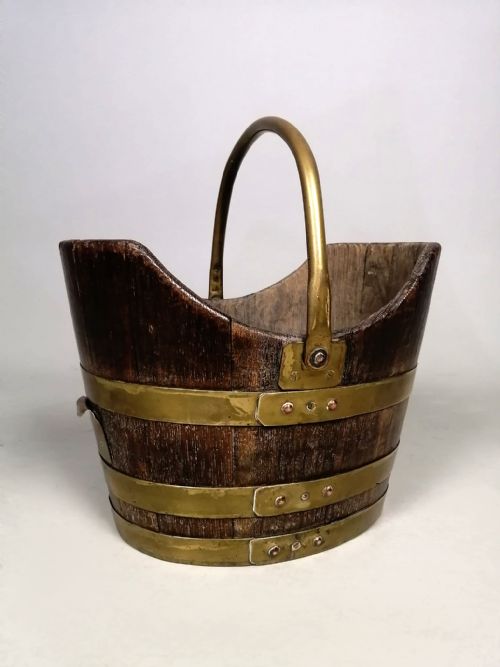
Wooden examples rely on traditional joinery and coopering techniques, uniting staves of oak, pine, or mahogany with metal bands. Selected pieces feature embossed decoration, turned brass accents, or cane construction for lighter storage.
Vintage Log Store Retail Price Guide 2026
Typical asking prices for vintage log store among the pieces listed under this phrase on Sellingantiques today, from the lower quarter to the upper quarter. They describe what is for sale here now, not the wider market.
Listings feature items spanning the 18th, 19th, and early 20th centuries, utilising oak, pine, copper, brass, and wrought iron.
Evaluating quality and execution
Quality in these items rests on the substance of the materials and the integrity of the construction. Heavy gauge metal, secure riveting, and solid timber framing distinguish robust examples from lighter decorative pieces.
Details such as hand-hammered surfaces, original brass fittings, and skilled cooperage elevate certain items. The distinction lies in whether a piece was built for demanding industrial or country house use or manufactured primarily for ornament.
Richard Arkwright Masson Mills
The Vintage Log Store Glossary
- Coopered
- Built from wooden staves joined side by side and bound with metal hoops, much like a traditional barrel. This technique ensures strength for holding heavy loads of logs or peat.
- Coal scuttle
- A domestic vessel designed to hold coal for a fireplace, often featuring a hinged lid, a sloping body, and a handle for pouring. These frequently double as log stores in modern interiors.
- Arts and Crafts
- A design movement valuing traditional craftsmanship, simple forms, and visible construction methods. Pieces from this style often display hand-worked copper or iron.
- Inglenook
- A large fireplace recess designed to accommodate seating alongside the fire. Carriers and bins intended for this space are typically heavy and built from durable iron.
- Embossed
- Ornamented with a raised design pressed or hammered into the surface of the metal. This technique adds texture to copper and brass coal buckets.
Vintage Log Store: Frequently Asked Questions
What is a vintage log store?
A vintage log store is a durable container designed to hold firewood near a hearth, drawing on historical forms like coal buckets, grain measures, and storage bins.
These items range from simple pine boxes to riveted copper vessels, combining domestic utility with period craftsmanship.
How were old log stores used?
Historically, these vessels transported and stored solid fuel such as coal, peat, and logs for household fires. They sat beside hearths in country houses, cottages, and industrial settings for daily replenishment.
Over time, many metal buckets and wooden crates transitioned from agricultural or industrial work into domestic fireside accessories.
How do I date a log store?
Dating relies on identifying materials, manufacturing techniques, and stylistic markers associated with specific periods like the Georgian or Victorian eras. Hand-riveted copper plates, traditional cooperage, and specific decorative motifs point to particular decades of manufacture.
Makers' marks or industrial provenance, when present, also help anchor a piece to a definite time period.
Are these pieces waterproof?
Metal bins and buckets made from copper, brass, or iron generally contain moisture well, though older riveted seams may weep over time. Wooden boxes and wicker baskets are better suited to dry logs rather than wet or muddy fuel.
Many metal vessels also find a second life as indoor plant containers.