



Vintage Linen Couch
A vintage linen couch brings understated texture and classic comfort to a room, drawing on centuries of upholstery traditions.
Vintage Linen Couch
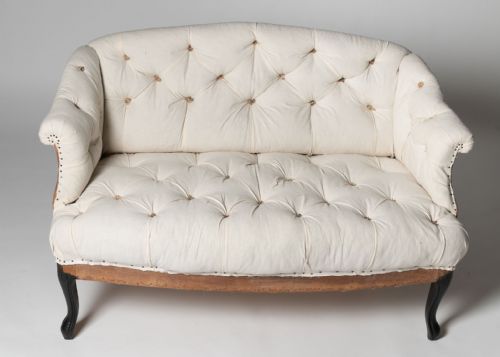
When you search for a vintage linen couch, you encounter a curated selection of seating forms spanning the nineteenth and early twentieth centuries. These pieces encompass traditional sofas, settees, window seats, and daybeds originating from European workshops and country houses.
The versions most frequently met on this page include French provincial settees, Edwardian country house sofas, and Napoleon III buttoned designs. They offer generous proportions and neutral woven upholstery suited to contemporary and traditional interiors alike.
Makers and artisans across these periods utilised substantial timber frames and durable natural textiles to construct seating designed for daily use and formal reception rooms. The resulting forms range from restrained carved walnut structures to low daybeds with caned panels.
How they were made
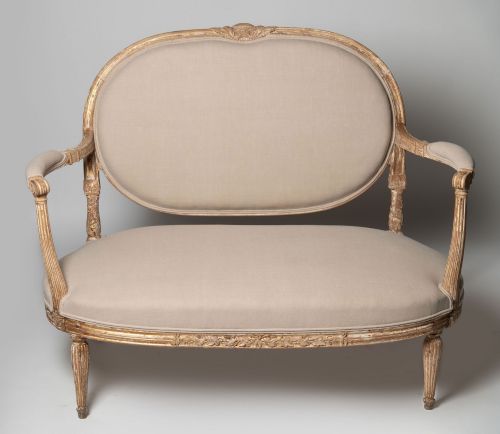
Frames are constructed from sturdy timbers including beech, walnut, and giltwood, often shaped with hand-carved details following Louis XV and Louis XVI style traditions. Joinery methods of the nineteenth and early twentieth centuries ensure structural integrity across larger sofas and smaller window seats.
Upholstery relies on traditional support layers beneath top covers of linen, calico, and hessian, secured frequently with metal tacks. Frames are occasionally painted, bleached, or left with a natural timber finish to highlight the grain and decorative carvings.
Vintage Linen Couch Retail Price Guide 2026
Typical asking prices for vintage linen couch among the pieces listed under this phrase on Sellingantiques today, from the lower quarter to the upper quarter. They describe what is for sale here now, not the wider market.
Listings feature pieces spanning the nineteenth century through the Edwardian era, incorporating timber frames of beech, walnut, and giltwood alongside linen and hessian upholstery.
What varies in quality
The distinction between standard examples and finer pieces rests upon the crispness of the timber carving and the architectural balance of the frame. Superior items exhibit harmonious proportions, refined leg contours, and substantial wooden arm supports rather than heavier, plain constructions.
Material selection and finish application further divide the range, with skilled historical bleaching or original paintwork outlasting simpler modern interventions. The integration of period textiles like linen and hessian reflects the original craftsmanship dedicated to each sofa.
The Vintage Linen Couch Glossary
- Linen
- A strong textile woven from the fibres of the flax plant, prized for its natural texture and durability. It serves as a classic upholstery cover for traditional seating.
- Caned
- A technique where woven rattan or split cane forms decorative panels within a timber frame, often seen on backrests or side sections. This method provides lightweight ventilation.
- Giltwood
- Timber treated with a thin layer of gold leaf or gilt finish, commonly applied to decorative carved mouldings on formal European furniture. It enhances the visual weight of the frame.
- Hessian
- A coarse woven fabric typically produced from jute fibres, utilised historically as a sturdy inner foundation layer beneath top upholstery materials.
- Calico
- A plain-woven unbleached cotton textile used traditionally as an underlying lining beneath final decorative covers on upholstered furniture.
Vintage Linen Couch: Frequently Asked Questions
What is a vintage linen couch?
A vintage linen couch is an antique or early twentieth-century seating piece upholstered in durable woven flax fabric. These items include settees, daybeds, and sofas originating mainly from French and English workshops.
They combine historical timber frames with natural textile covers, offering both functional seating and decorative character for modern homes.
How do I identify the period of a sofa?
Period identification relies on examining the frame style, carved details, and structural proportions. Pieces reflecting Louis XV or Louis XVI designs feature specific cabriole legs and floral carvings, while Edwardian examples often display simpler country house lines.
Material choices like beech or walnut and finishing techniques such as bleaching provide further clues to the date of manufacture.
How do I care for antique linen upholstery?
Caring for antique linen involves gentle vacuuming with a soft brush attachment to remove surface dust without disturbing the fibres. Professional cleaning methods suited to vintage textiles help maintain the fabric integrity.
Keeping the couch away from direct sunlight prevents uneven fading of the natural linen material over time.