

Vintage Lighting Set
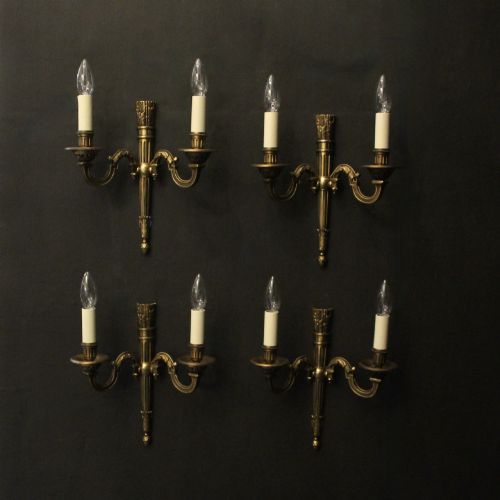
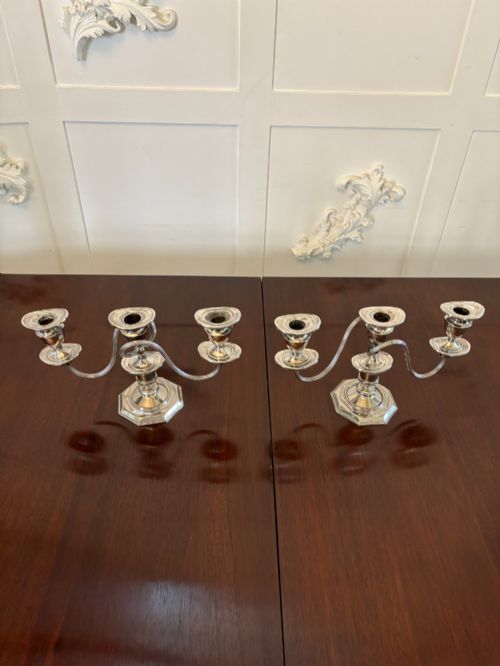
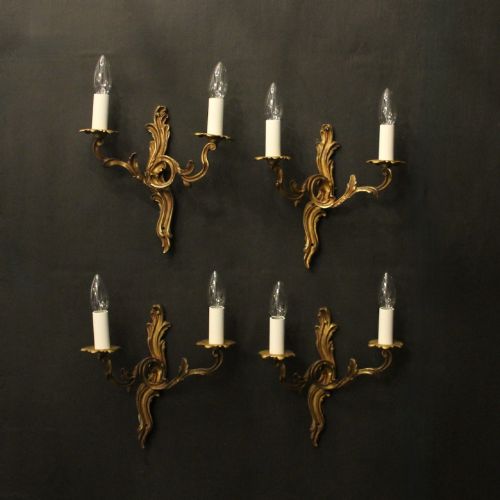
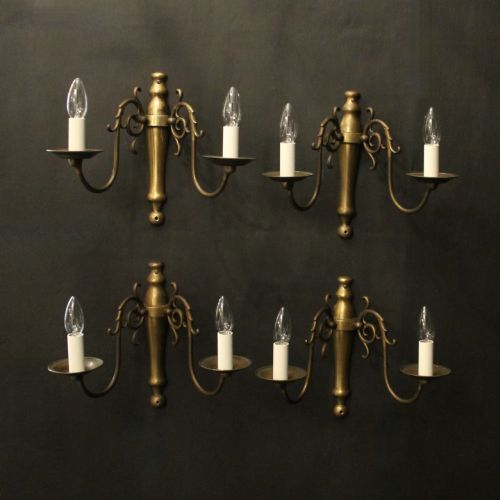
These vintage lighting set groups bring coordinated illumination and distinct period character to a room through matched sconces, candelabras, and wall fixtures.
Vintage Lighting Set
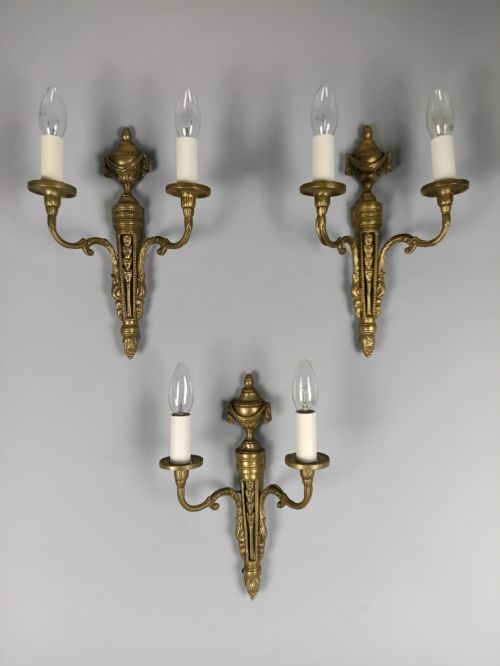
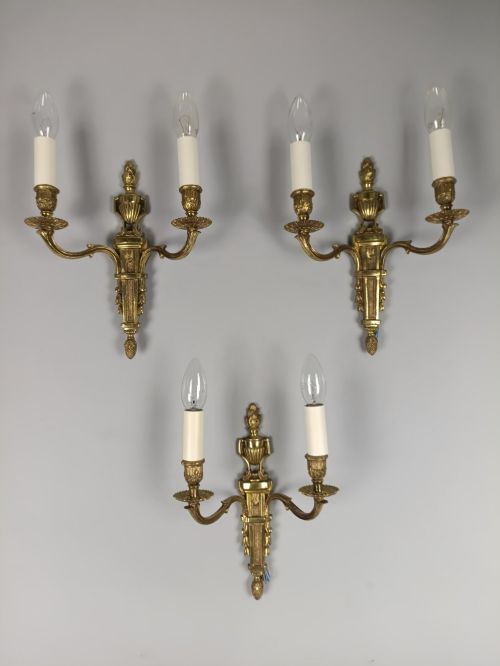
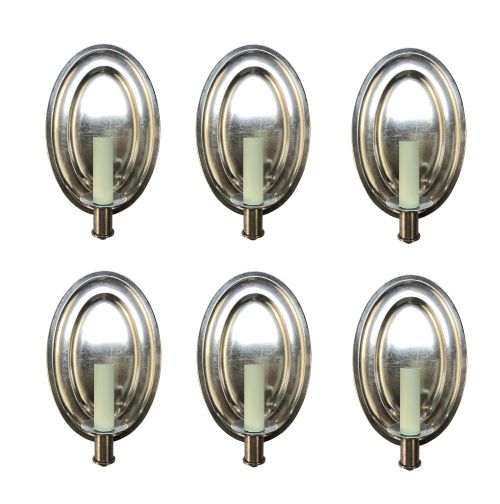
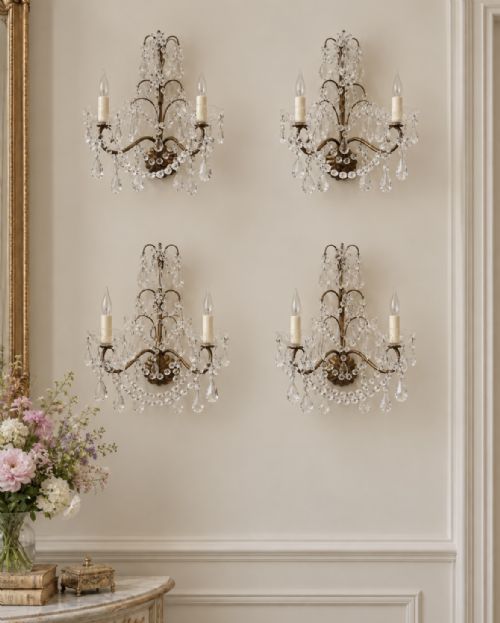
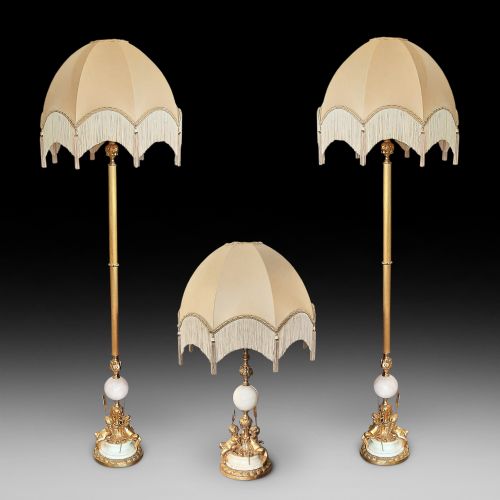
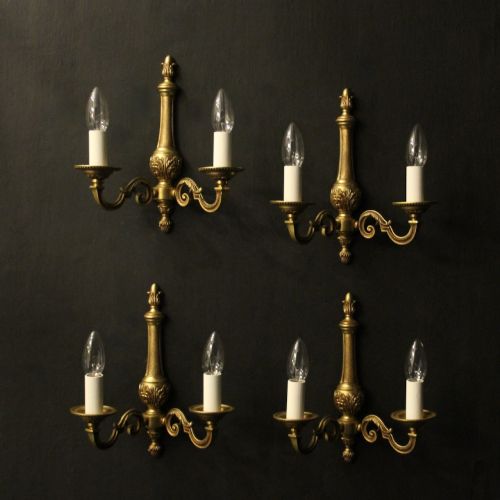
A vintage lighting set typically comprises matched pairs, trios, quartets, or larger groupings of wall lights, sconces, and candelabras designed to create balanced illumination across a space. Buyers searching for a vintage lighting set frequently encounter French gilded twin-arm wall lights from the 1920s and 1930s, alongside English and Italian brass or silver-plated variants.
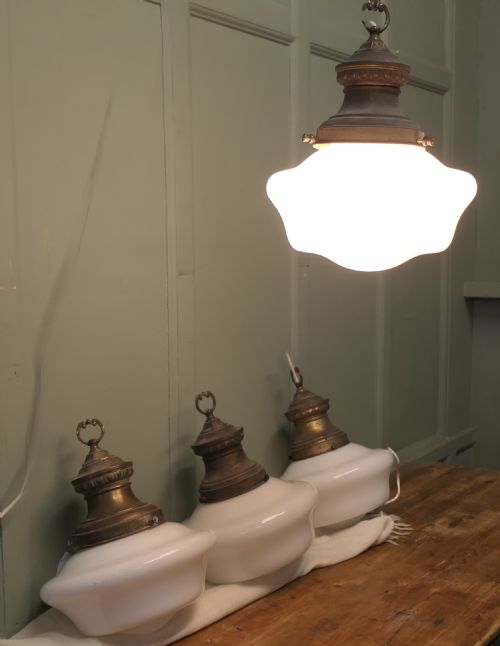
The selections span diverse historical styles including French Rococo, Neoclassical, Art Deco, and industrial designs. These pieces originate from domestic and continental workshops, appearing as sets of three, four, or six matching fixtures intended for symmetrical interior placement.
Materials and construction methods
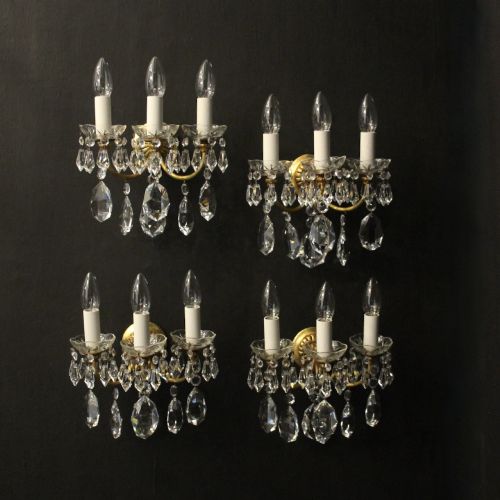
The physical construction relies heavily on cast and gilt brass, bronze, and ormolu, often paired with clear crystal drops, glass shades, or alabaster components. Metalwork is frequently chased, gilded, or silver-plated to achieve rich surface textures and reflective qualities.
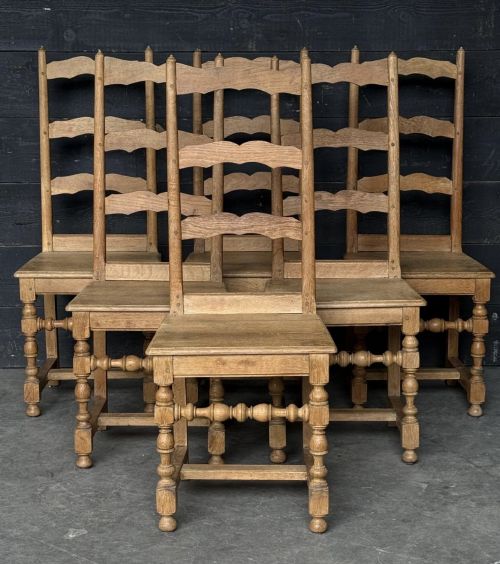
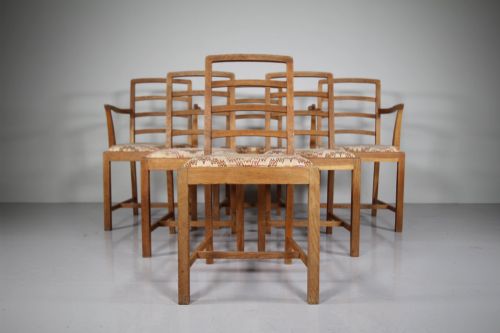
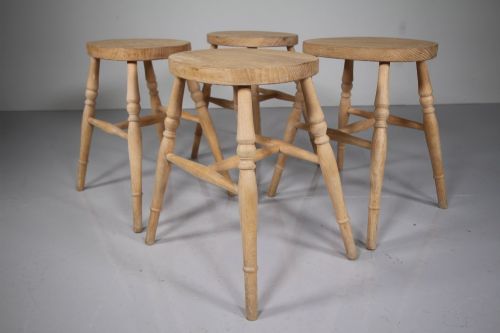
Makers utilised traditional foundry techniques to shape intricate arms, backplates, and sconce nozzles, integrating electrical wiring into older frames during later updates. Oak timber and giltwood also appear in related seating and architectural furnishing sets within the broader selection.
Vintage Lighting Set Retail Price Guide 2026
Typical asking prices for vintage lighting set among the pieces listed under this phrase on Sellingantiques today, from the lower quarter to the upper quarter. They describe what is for sale here now, not the wider market.
Materials documented in the collection include brass, silver plate, crystal, alabaster, oak, and gilt bronze.
Assessing quality and craftsmanship
Quality rests upon the crispness of the metal casting and the depth of the original gilding or silver plating. Finer sets display sharply chiselled detail on foliage, scrollwork, and figural elements rather than soft, smoothed surfaces.
The integrity of the structural joints, the matching weight of individual components within the set, and the preservation of original glass or crystal elements distinguish superior examples from standard production.
Heals of London·Smith & Sissons & Co
The Vintage Lighting Set Glossary
- Ormolu
- Gilt bronze produced by applying a finely ground high-carat gold-mercury amalgam to a bronze object before firing. This technique creates a durable, golden matte and polished finish seen on many French wall lights.
- Sconce
- A wall-mounted lighting fixture designed to hold candles or electric lamps. These fixtures project outward from the wall surface to distribute illumination.
- Garniture set
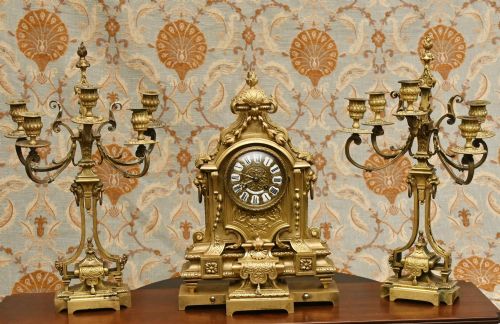
- A matching set of ornamental objects, typically consisting of a clock flanked by candelabras or urns. They are designed for display on a mantelpiece or sideboard.
- Champleve
- An enamelling technique where troughs are dug into a metal surface and filled with vitreous enamel powder before firing. This colourful decoration appears on nineteenth-century candlesticks and desk sets.
- Twin arm
- A configuration featuring two branching candleholders or lamp holders extending from a single backplate. This layout is common in sets of French wall lights.
Vintage Lighting Set: Frequently Asked Questions
How were these wall lights used?
Historically, these fixtures held candles to illuminate hallways, drawing rooms, and dining spaces before the widespread adoption of electricity. Many surviving examples have since been adapted for electrical wiring while retaining their original aesthetic form.
They function today as both ambient wall illumination and decorative wall art.
How do I care for gilt bronze?
Gilt bronze and ormolu surfaces require gentle dusting with a soft, dry brush to prevent the accumulation of dirt. Harsh chemical cleaners must be avoided, as they can strip away the delicate gold finish.
Periodic inspection of the mounting brackets ensures the fixtures remain securely attached to the wall.
How can I tell different periods apart?
Stylistic details provide clear indicators of period origin, such as the flowing asymmetrical scrolls of Rococo designs versus the clean geometric lines of Art Deco pieces. Material choices, casting methods, and mounting hardware also shift between the nineteenth century and the early twentieth century.
Comparing the weight, fastening screws, and backplate construction helps differentiate older hand-finished pieces from later reproductions.