
Vintage Light Fixtures
Vintage light fixtures bring period character and ambient illumination to a room, spanning styles from French chateau chandeliers to art deco pendants.
Vintage Light Fixtures
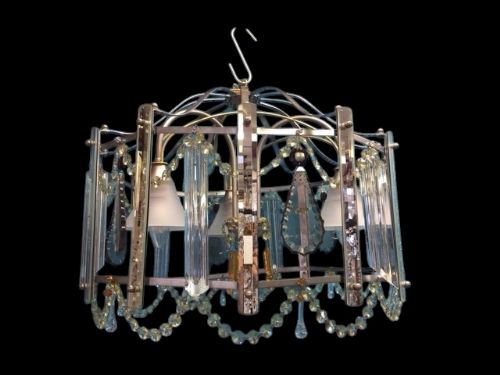
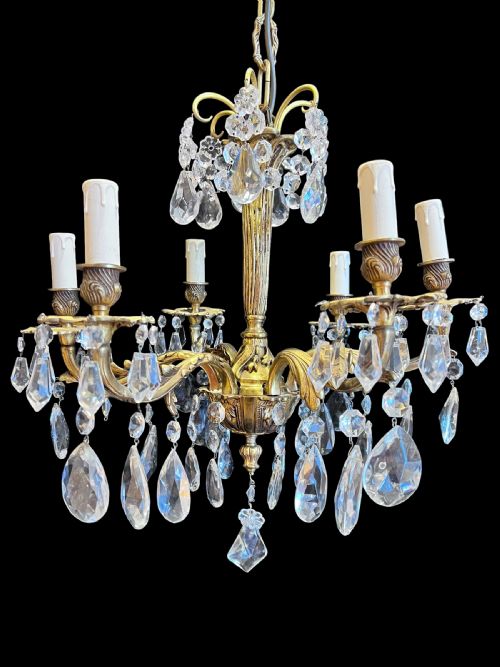
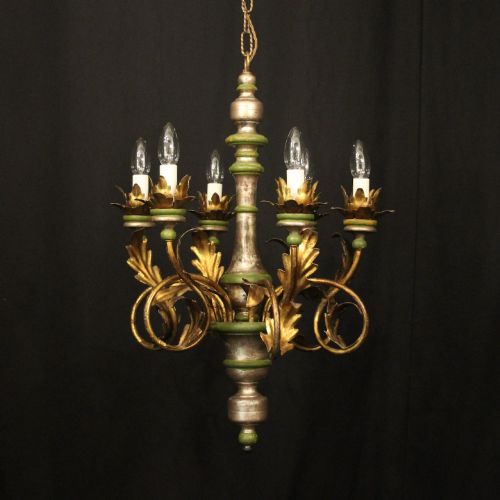
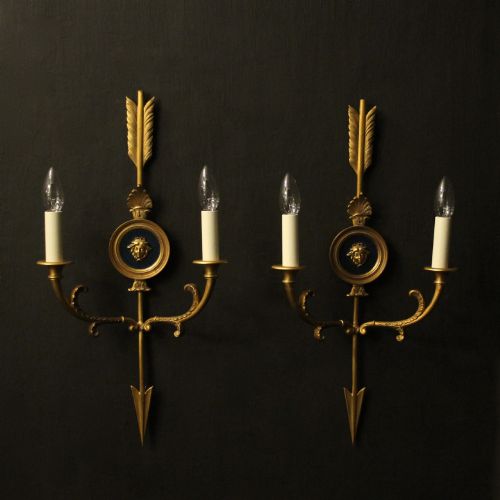
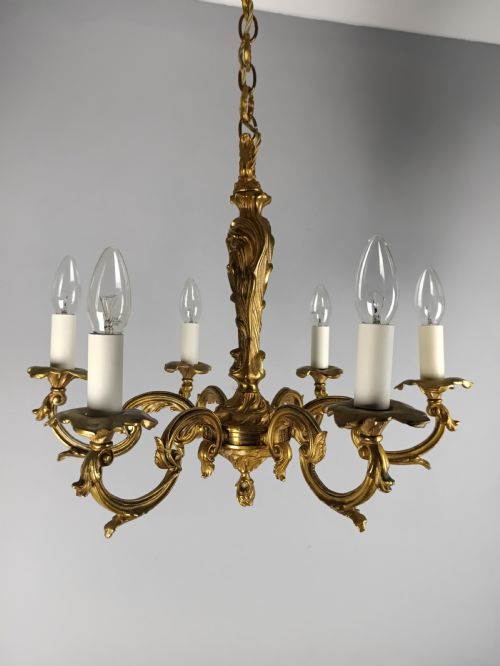
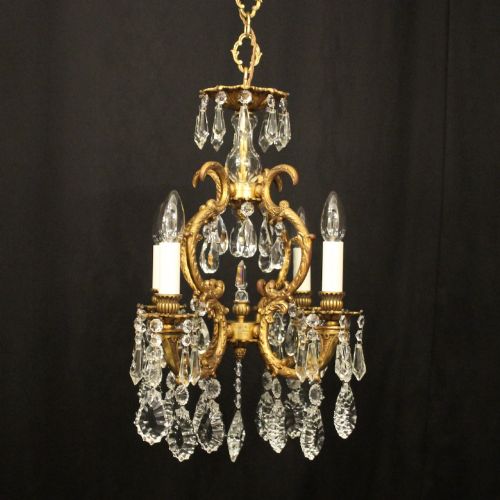
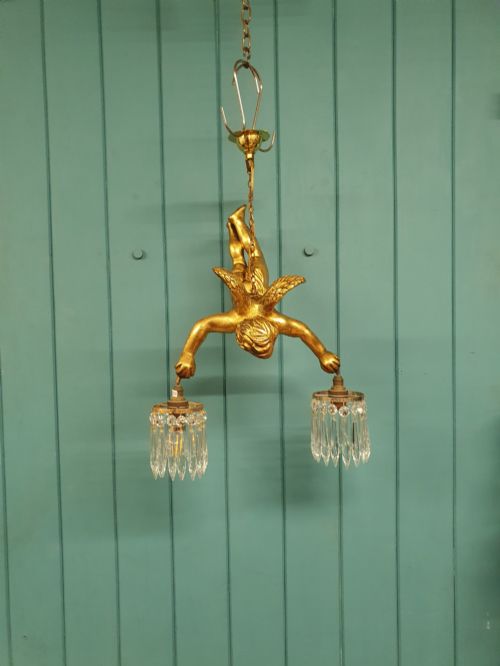
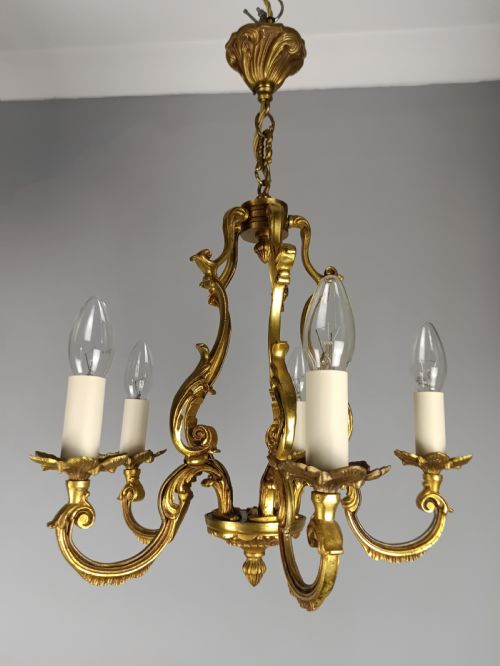
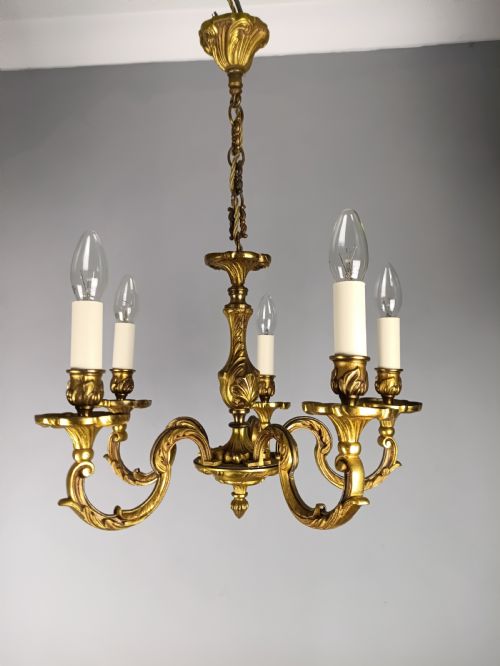
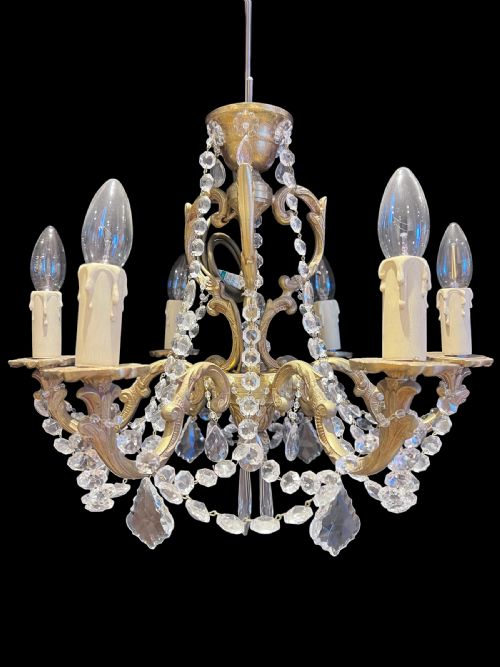
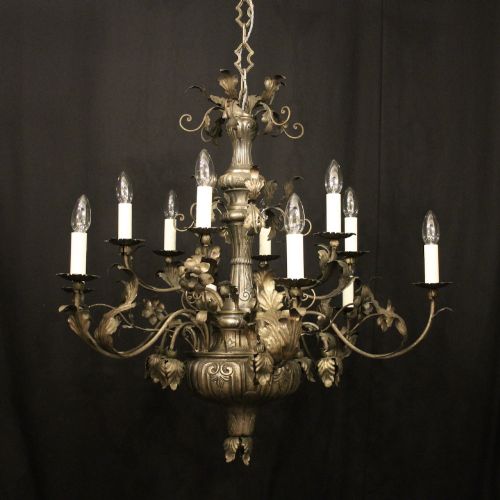
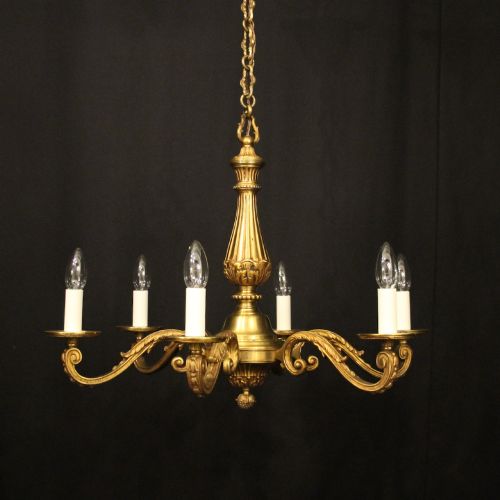
Vintage light fixtures encompass a diverse array of domestic and architectural illumination, predominantly featuring chandeliers, ceiling lights, and wall sconces. When buyers search for vintage light fixtures, they encounter forms that range from grand multi-armed chandeliers hung with crystal lustres to functional copper street lanterns and brass Pullman lamps. These pieces originate from periods including the Victorian era, Edwardian times, and the early decades of the twentieth century.
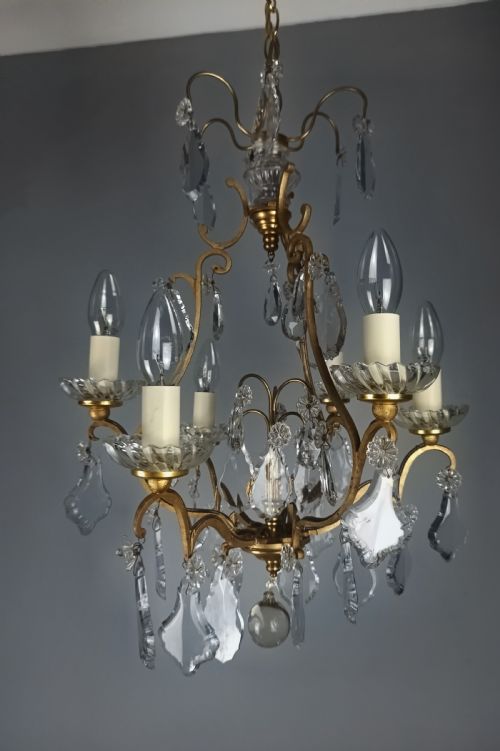
The selection heavily reflects European craftsmanship, with French designs such as birdcage, tent and waterfall, and lyre chandeliers appearing alongside Italian and English models. Materials vary from heavy cast brass and gilt bronze to delicate cut glass, porcelain flowers, and opalescent glass shades. Buyers will find that ceiling lights and wall lights dominate the selection, offering options suitable for both prominent central placement and targeted room accentuation.
Materials and construction methods
Makers utilised a combination of cast and spun metals, principally brass, copper, bronze, and iron, to form the foundational structures and armatures of these fixtures. Gilt bronze and gilded brass surfaces often received meticulous surface treatments to achieve a lasting golden sheen, while iron and copper provided sturdy support for exterior and industrial lanterns. Structural stability was paramount, requiring solid metal joinery to safely suspend multiple candle-arms or heavy glass bowls.
Glass and crystal elements were integrated extensively, utilising cut glass pendants, moulded slip shades, bevelled glass panes, and beaded strands to refract and diffuse the light. Artisans shaped crystal lustres and employed porcelain flowers for decorative ornamentation, securing these delicate components with wire or metal pins. Craftsmanship in styles like Art Deco involved sleek chrome paired with geometric glass, whereas earlier Victorian pieces incorporated ornate gasolier fittings and opalescent shades.
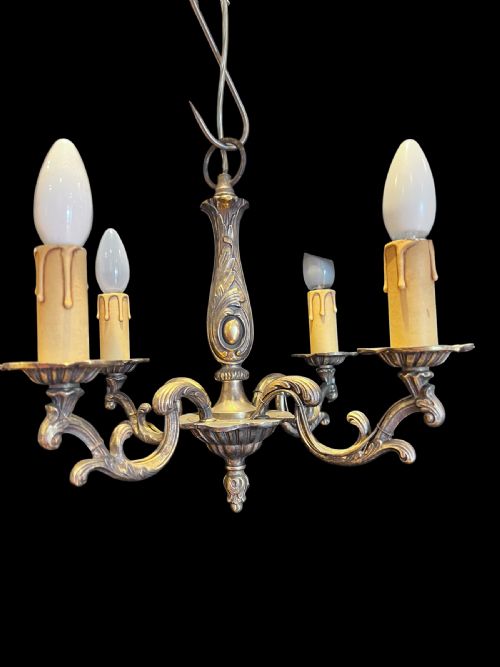
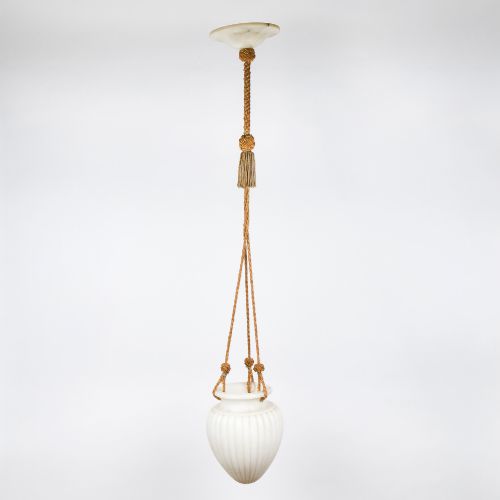
Listings feature various forms including girandoles, multi-light chandeliers, and hall lanterns in brass, copper, and cut glass.
Assessing quality in vintage lighting
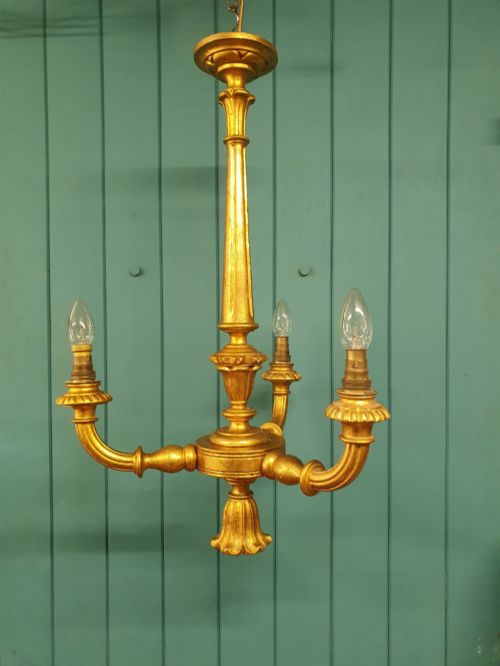
Quality separates fixtures by the crispness of metal casting and the depth of hand-applied gilding on bronze and brass components. Superior examples display intricate chiselling on metal mounts and retain matching sets of original crystal lustres or hand-cut glass shades rather than modern replacements. The integration of decorative elements, such as carved giltwood or porcelain floral details, reveals the artisan's investment of time and skill.
Proportion and structural complexity also dictate the tier of a fixture, seen in multi-tiered tent and waterfall configurations or complex multi-light arrangements. Weight and gauge of the metal signify higher standard manufacturing, ensuring that arms and wall brackets support the intended number of lights securely. Consistency across matched pairs of wall lights or girandoles further indicates superior workshop output.
Émile-Jacques Ruhlmann
The Vintage Light Fixtures Glossary
- Chandelier
- A branched decorative ceiling fixture designed to hold multiple lamps or candles. These fixtures typically hang from a central chain or rod.
- Lustre
- A cut glass or crystal pendant suspended from a lighting fixture to refract light. They are commonly faceted to catch illumination from multiple angles.
- Slip Shade
- A type of moulded glass shade that slots directly into a metal frame, frequently utilised in Art Deco ceiling lights. These shades diffuse direct bulb glare.
- Gasolier
- A lighting fixture adapted from or designed for gas lighting, originating in the nineteenth century. These items often feature complex key valves and brass tubing.
Vintage Light Fixtures: Frequently Asked Questions
Are vintage light fixtures safe to use?
Many older fixtures retain original wiring that requires professional rewiring to meet current electrical standards. Qualified electricians can safely update internal components while preserving the historic exterior metalwork and sockets.
Buyers should have antique chandeliers and wall lights inspected and tested before permanent installation. This ensures the structural suspension and electrical capacity are suitable for modern home use.
Can I hang a chandelier on a standard ceiling?
Installation depends on the weight of the fixture and the structural support available in the ceiling joists. Heavier bronze and crystal chandeliers require reinforced mounting boxes to bear the load safely.
Ceiling height also dictates placement, particularly for multi-tier or waterfall designs that require adequate clearance below. Professional installation is recommended for large or complex hanging lanterns.
What is the difference between a sconce and a girandole?
A sconce is a general term for any wall-mounted light fixture designed to project illumination outward into a space. They are frequently produced in matching pairs for balanced room placement.
A girandole specifically refers to an ornamental wall light that incorporates a reflective mirror backplate to enhance the emitted light. These decorative pieces were popular in period interiors for maximising candle or gas illumination.