


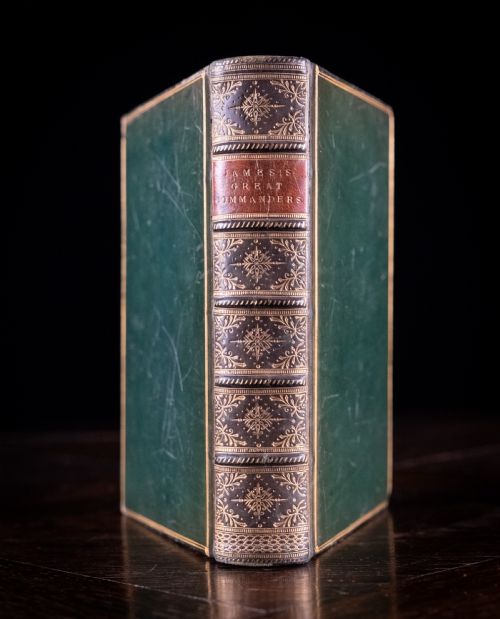


Vintage Library Tool
These vintage library tool pieces are practical and decorative study furnishings that bring period character to any room.
Vintage Library Tool
When you search for a vintage library tool, you are looking at items designed for reading rooms, studies, and writing desks from the nineteenth and early twentieth centuries. The selection here spans functional furnishings and desktop accessories rather than a single uniform category of object.
The most common forms you will encounter on this page include leather-bound books, writing desks, and library steps. These objects reflect the traditional pursuits of reading, writing, and study across Victorian and Edwardian periods.
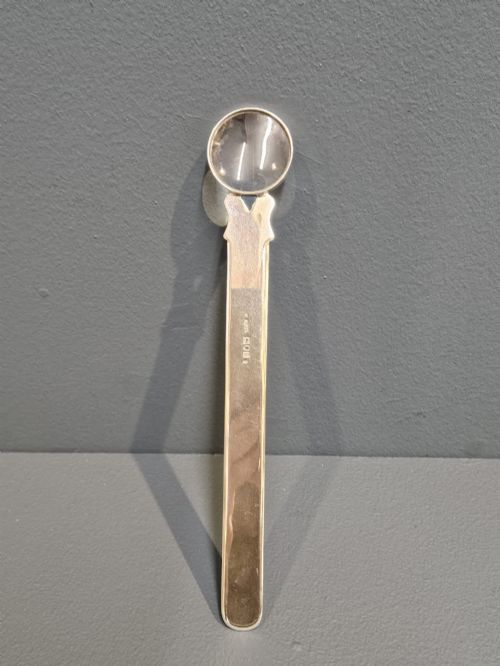
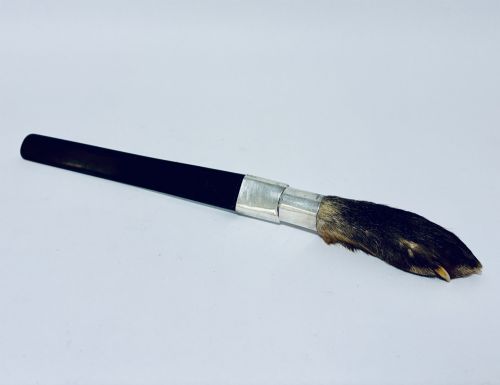
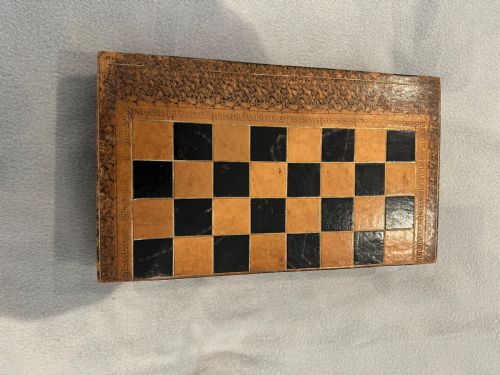
Other examples range from page turners and desk blotters to games boards disguised as faux books. Such pieces demonstrate how nineteenth-century craftspeople integrated utility with the appearance of fine book bindings.
How they were made
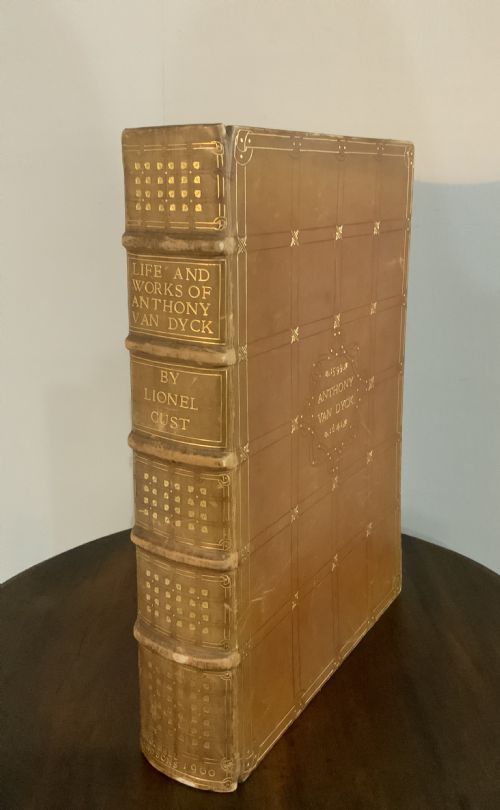
Makers utilised traditional materials such as mahogany, walnut, wood, and brass for structural items like desks and library steps. Leather and cardboard formed the basis for book bindings and desk blotters, often decorated with gold leaf and gilt tooling.
Surface decoration relies heavily on hand-tooling with gold leaf, creating intricate patterns on leather surfaces. Wood elements show traditional joinery and polish suited to nineteenth-century domestic interiors.
Vintage Library Tool Retail Price Guide 2026
Typical asking prices for vintage library tool among the pieces listed under this phrase on Sellingantiques today, from the lower quarter to the upper quarter. They describe what is for sale here now, not the wider market.
Several items disguise themselves as books, hiding chess boards and games behind leather spines.
What varies in quality
The distinction between standard examples and finer pieces rests on the precision of the hand-tooling and the quality of the materials selected. Finer book bindings feature crisp gilt tooling and well-preserved leather, while sturdier furniture demonstrates solid timber construction such as mahogany or walnut.
Wear across the surface often distinguishes heavily used utilitarian items from those kept primarily for display. The integrity of internal mechanisms in desks and the stability of steps also determine the overall standard of an individual piece.
The Vintage Library Tool Glossary
- Gilt tooled
- A method of pressing gold leaf into leather using heated metal tools to create decorative patterns and lettering. This technique defines the spines and covers of many nineteenth-century volumes.
- Page turner
- A handheld implement designed for separating book leaves without damaging the paper. They frequently incorporate materials like silver and bone.
- Library steps
- Free-standing wooden stair units used to reach high bookshelves in private studies. Victorian examples often feature folding designs or leather-inset treads.
- Desk blotter
- A desktop pad designed to absorb excess ink during handwriting. They often feature leather surrounds and decorative corners.
- Faux book
- An object constructed to resemble a volume while serving another function, such as a games board or storage box. These items reflect the Victorian preference for disguised utility.
Vintage Library Tool: Frequently Asked Questions
What is a library tool?
A library tool encompasses items used for reading, writing, and maintaining a study or collection of books. This category includes everything from page turners and blotters to desks and steps.
The pieces listed here date mainly from the Victorian and Edwardian eras, reflecting the domestic habits of those periods.
How do I date a leather bound book?
Dating leather-bound books often relies on publisher inscriptions, style of typography, and the nature of the gold leaf tooling. Victorian and Edwardian volumes frequently display specific design motifs characteristic of their decade.
Examining the paper quality and any accompanying library labels also helps narrow down the period of production.
Where were library steps placed?
Library steps were positioned beside tall bookcases in private homes and libraries to provide safe access to upper shelves. They were designed to remain in the room as part of the furniture scheme.
Many examples from the nineteenth century fold down or double as small tables when not in use.
How do I care for leather desk accessories?
Leather items require protection from direct sunlight and excessive dryness to prevent cracking. Gentle dusting keeps the surface clean without disturbing gilt tooling.
Specialist leather balms can be applied sparingly to maintain suppleness on older bindings and blotters.