



Vintage Library Bust
A vintage library bust brings scholarship and character to a room, offering sculpted likenesses of poets, emperors and thinkers.
Vintage Library Bust
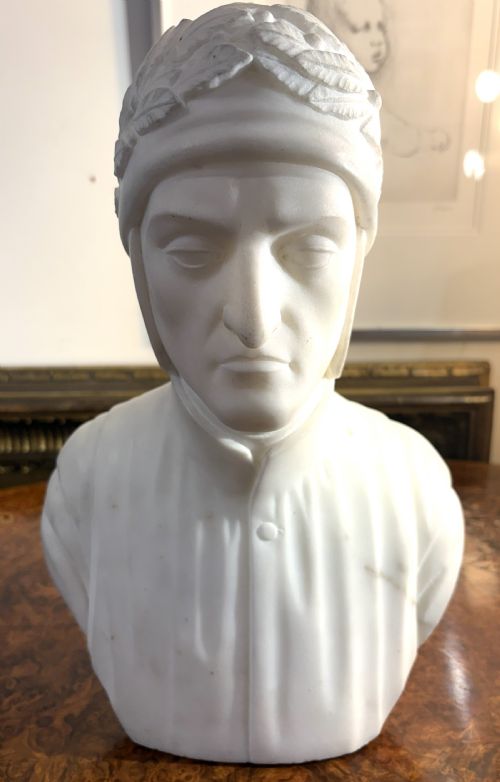
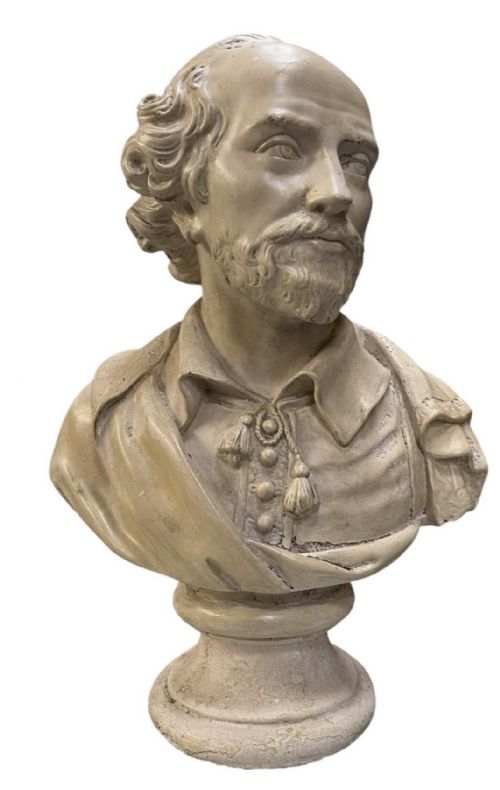
A vintage library bust captures historical figures, literary giants like William Shakespeare, Dante Alighieiri and John Milton, and classical emperors. These sculptural pieces serve as traditional desk ornaments or bookends, bringing an academic atmosphere to private studies and reading rooms.
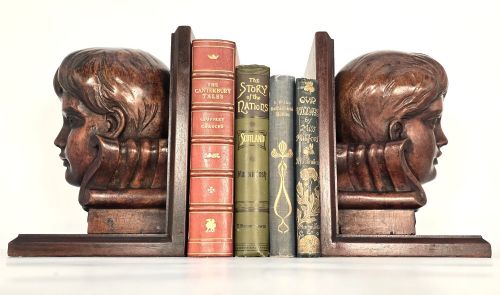
Most examples found on this page date from the nineteenth century up through the Edwardian period and the Art Deco era. The selection ranges from carved mahogany bookends to larger freestanding figures mounted on heavy plinths.
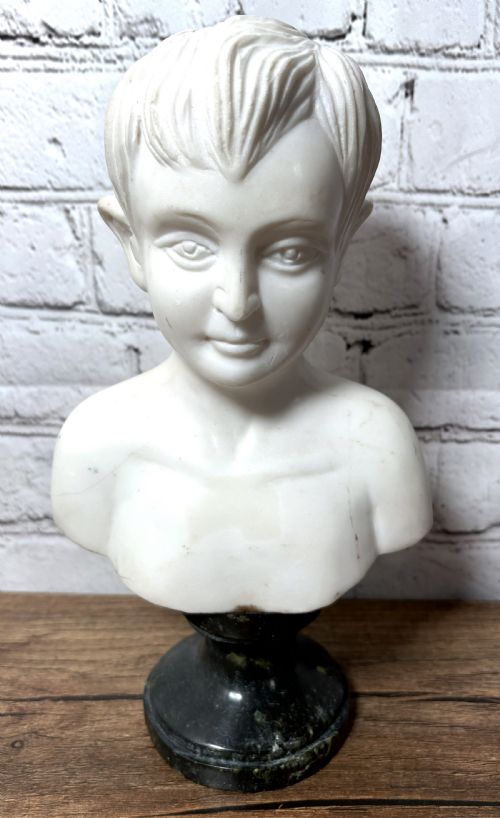
The most common subjects are literary icons and classical rulers, reflecting the nineteenth-century taste for classical revival and neoclassical decor. Buyers encounter both white marble carvings and painted plaster casts in various sizes.
Materials and construction methods
Plaster was widely utilised for affordable library busts, often finished with polychrome paint or monochrome tones to simulate heavier materials. Workshops produced these using detailed moulds taken from original sculptures, sometimes signed by skilled modellers.
Carved marble provided a more durable and prestigious medium for library pieces, frequently paired with contrasting black marble plinths. Artisans also turned to cast metal, oak and mahogany, particularly when fashioning functional bookends for heavy volumes.
Vintage Library Bust Retail Price Guide 2026
Typical asking prices for vintage library bust among the pieces listed under this phrase on Sellingantiques today, from the lower quarter to the upper quarter. They describe what is for sale here now, not the wider market.
The listings span the Victorian, Edwardian and Art Deco periods, encompassing materials from carved mahogany and stone to painted plaster and marble.
Judging the quality of a bust
The choice of base material influences the overall substance and stability of the piece. Solid marble and dense hardwoods command greater presence than lightweight plaster, while signed works by notable sculptors elevate the standing of the object.
The Vintage Library Bust Glossary
- Plaster
- A workable composition material poured into moulds to create detailed sculptural forms. It is frequently painted or sealed to resemble stone.
- Neoclassical
- A revival style drawing inspiration from the classical art and culture of ancient Greece and Rome. It emphasises proportion, symmetry and heroic subjects.
- Bookends
- A pair of heavy supports placed at either end of a row of books to keep them upright. In libraries, these often took the form of matched portrait busts.
- Plinth
- A heavy block or base upon which a bust is mounted. It elevates the sculpture and provides physical stability.
Vintage Library Bust: Frequently Asked Questions
Where should I place a library bust?
These pieces suit bookshelves, mantelpieces and heavy mahogany desks where they sit comfortably alongside leather-bound volumes. Their vertical form makes them ideal for filling narrow spaces or corners.
Ensure the surface is stable and level, particularly with heavier marble or metal specimens that carry significant weight.
How do I clean a plaster bust?
Dust plaster sculptures gently with a soft dry brush or a feather duster to prevent surface grime from settling into the porous material. Avoid using water or liquid cleaners, which can soften the plaster or ruin painted finishes.
Marble and metal pieces tolerate a slightly damp cloth better, though thorough drying remains essential to protect any aged surfaces.
How can I tell plaster from marble?
Plaster feels lighter in the hand and tends to feel warmer to the touch than natural stone. Inspecting the underside or any discreet edge often reveals the matte texture of composition material.
Marble is cold, heavy and displays subtle veining or crystalline structure beneath the polished surface.
Were these busts made for reading rooms?
Nineteenth-century libraries and studies commonly displayed portraits of classical figures and literary masters to inspire scholarly pursuits. Makers produced both freestanding portraits and matched pairs to function as practical bookends.
This tradition placed historical thinkers at the centre of domestic study spaces.