

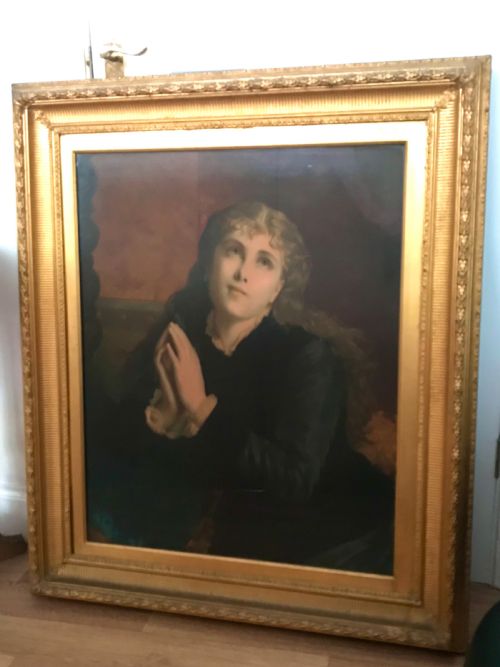
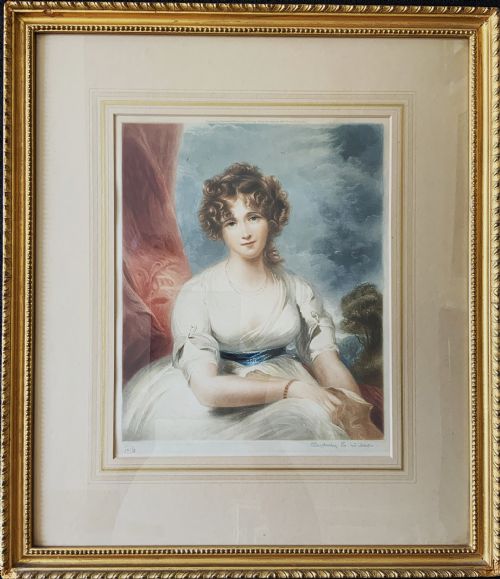


Vintage Leaf Prints Framed
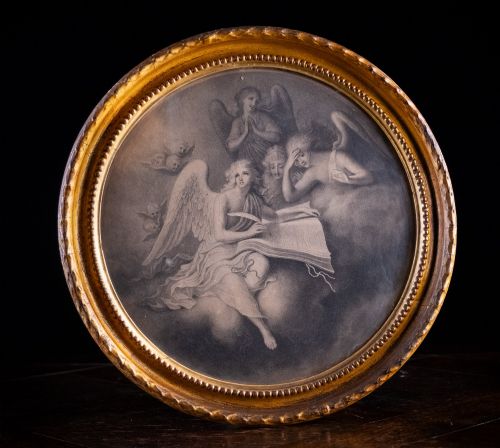
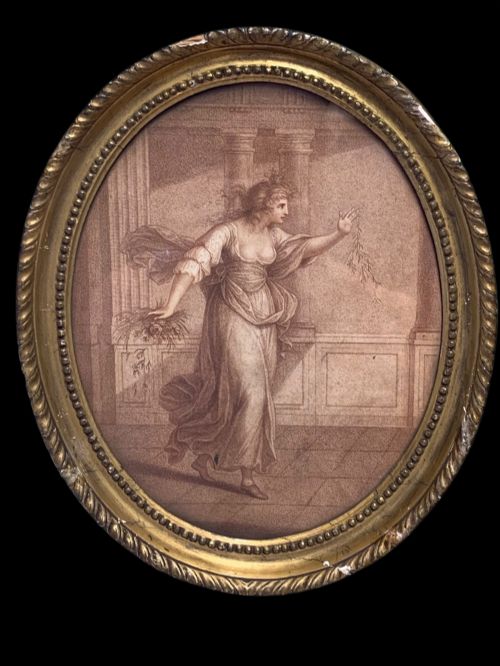
These vintage leaf prints framed bring botanical studies into your home through botanical engravings and coloured foliage prints housed in period frames.
Vintage Leaf Prints Framed
When you search for vintage leaf prints framed, you encounter botanical plates, hand-coloured engravings, and foliage illustrations that capture natural specimens. These works frequently date from the eighteenth and nineteenth centuries, spanning periods such as the Georgian and Victorian eras.
The most common examples on this page are eighteenth-century botanical engravings by makers such as Georg Wolfgang Knorr, alongside Victorian foliage prints from publications like L'illustration Horticole. They arrive secured behind glass within wooden, giltwood, or gesso frames.
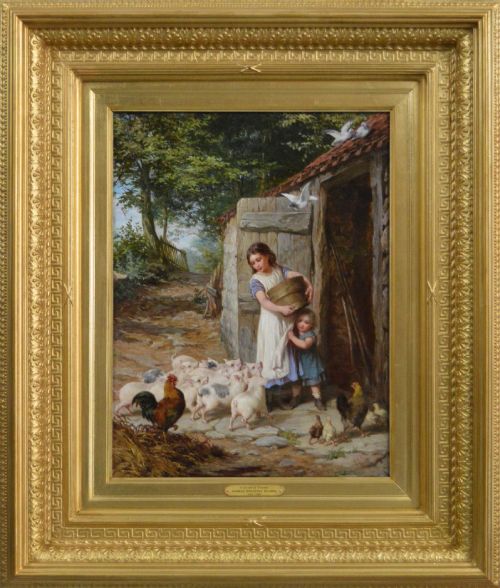
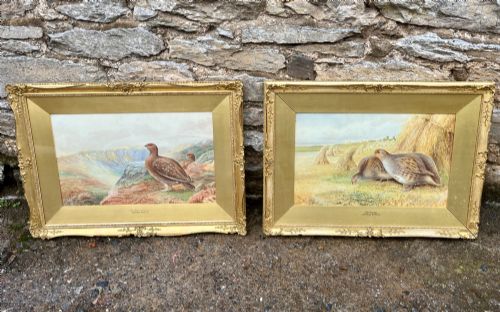
Beyond pure botany, the selection extends to paired bird prints, sporting art, and topographical scenes. Yet the core appeal remains the framed botanical study depicting leaves and plants.
What varies in quality
Quality rests in the precision of the original engraving and the delicacy of the hand-applied watercolours. Finer examples retain crisp ink lines and vibrant pigments without fading.
The enclosing frame contributes substantially to the overall standard. Hand-carved giltwood and gesso frames demonstrate superior craftsmanship compared to simpler wooden surrounds.
Several botanical plates managed to survive centuries of damp British houses simply because someone thought the leaves looked rather nice.
Georg Wolfgang Knorr·George Augustus Holmes·George Rankin·Sydney Wilson·Frank Dadd
The Vintage Leaf Prints Framed Glossary
- Engraving
- A printmaking technique where an artist cuts lines into a metal plate to hold ink. This method produces sharp, permanent lines on paper.
- Gesso
- A plaster-like mixture applied to wooden frames as a base for gilding. It allows artisans to mould intricate decorative scrollwork.
- Giltwood
- Wood carved and covered with a thin layer of gold leaf or gold paint. It provides a reflective, ornate border for artwork.
- Botanical engraving
- A scientific illustration printed from an engraved plate, usually depicting plants and leaves. These plates were often hand-coloured with watercolours.
- Chrystoleum
- A Victorian method of applying a coloured print to convex glass and oiling it to make it transparent. The reverse is then painted by hand.
Vintage Leaf Prints Framed: Frequently Asked Questions
How do I hang heavy framed prints securely?
Use sturdy wall anchors and picture wire rated for the combined weight of the wood, glass, and paper. Ensure the fixings engage directly with wall studs where possible.
Check the integrity of the original frame backing before hanging. Older frames may require updated D-rings or replacement wire to support the weight safely.
Where should I place botanical prints at home?
Position them away from direct sunlight to prevent the watercolours and paper from fading over time. Rooms with stable humidity levels, such as hallways or studies, protect the organic materials.
Grouping pairs together creates a balanced display on a wall. Match frames of similar periods, such as giltwood or dark wood, to maintain visual harmony.
How do I identify a nineteenth-century frame?
Examine the construction corners, backing boards, and surface finish for signs of age. Nineteenth-century frames often utilise gesso mouldings over pine or hardwood bases.
Look for hand-applied gold leaf and minor age-related wear on the gilding. Hand-carved details and old fixings confirm the period manufacture of the surround.
Can I remove the prints from their frames?
Opening period frames risks damaging the fragile historic paper and brittle backing materials. Many pieces rely on original sealing methods that protect the interior from dust.
Leaving the print undisturbed inside its frame preserves its structural integrity. Conservation experts advise against altering historic mountings unless restoration is strictly necessary.