




Vintage Ladderback
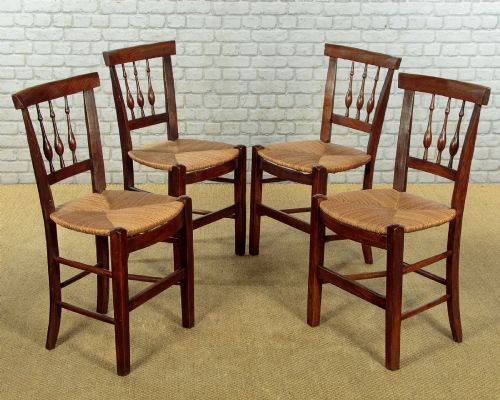
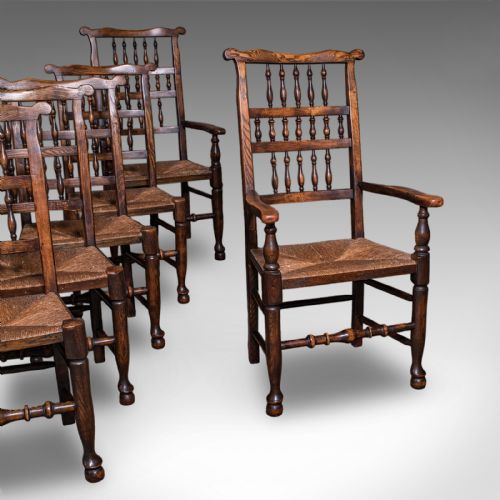
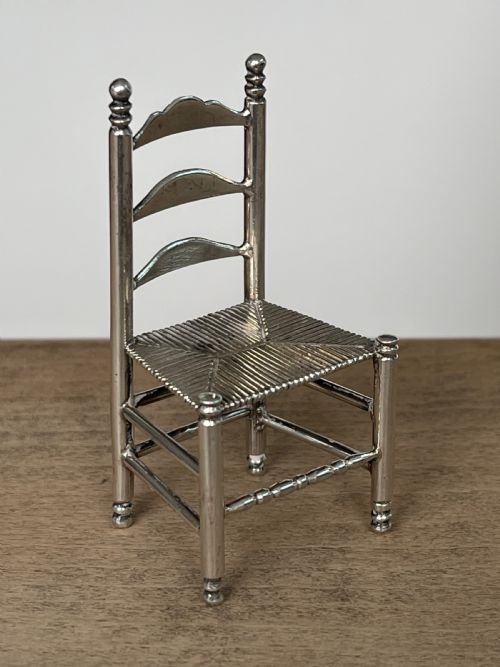
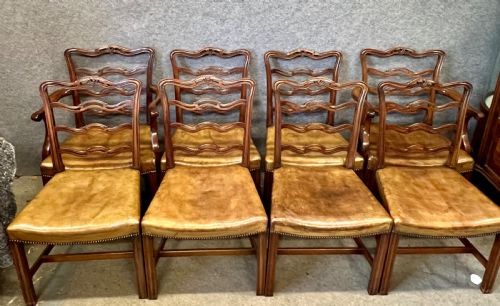
These vintage ladderback chairs combine practical dining seating with traditional country craftsmanship, offering sturdy frames and woven seats that anchor a rustic interior.
Vintage Ladderback
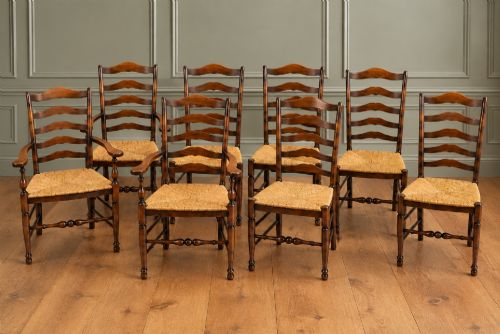
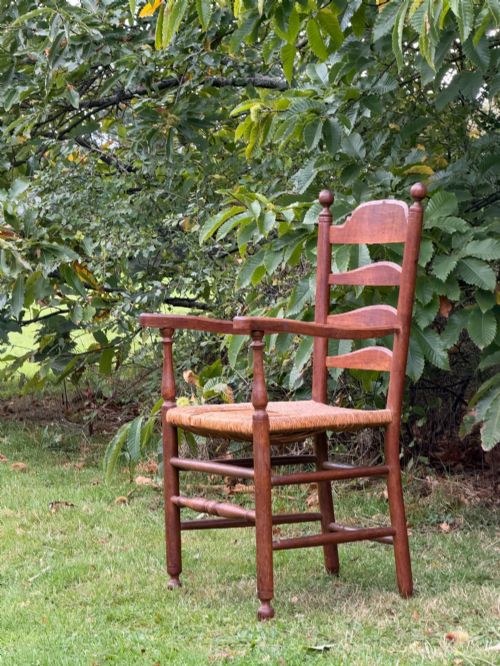
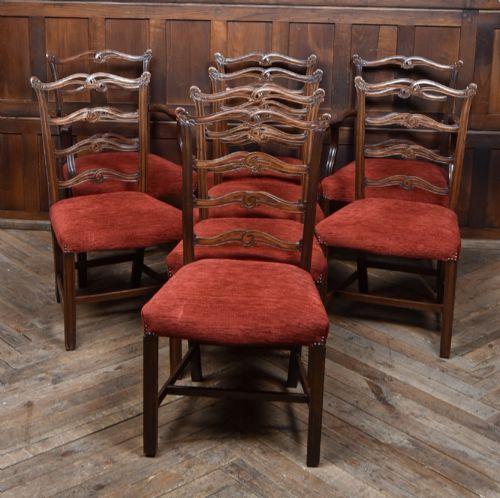
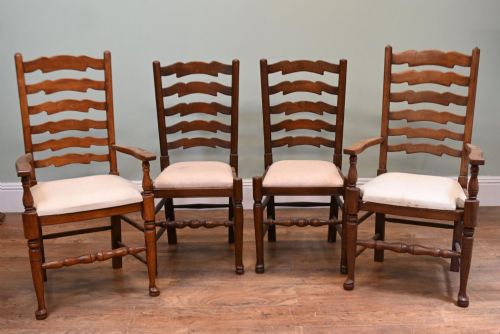
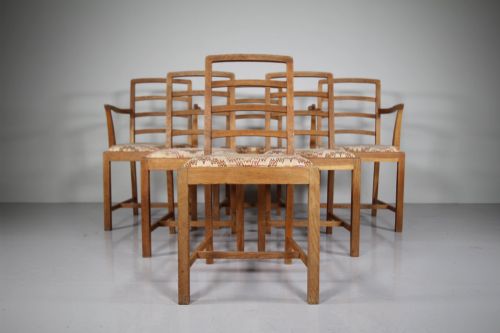
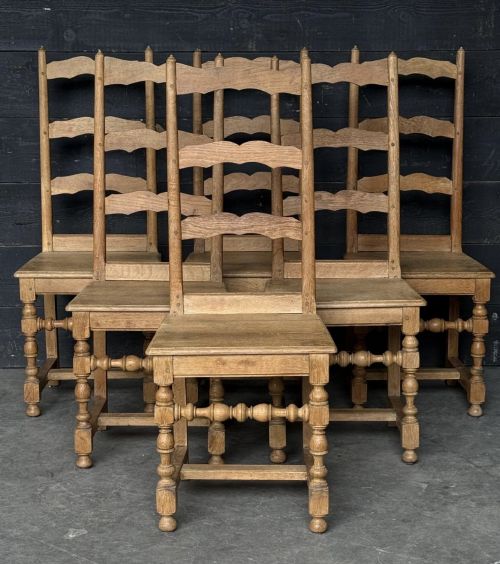
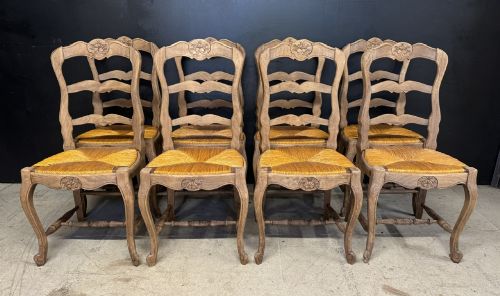
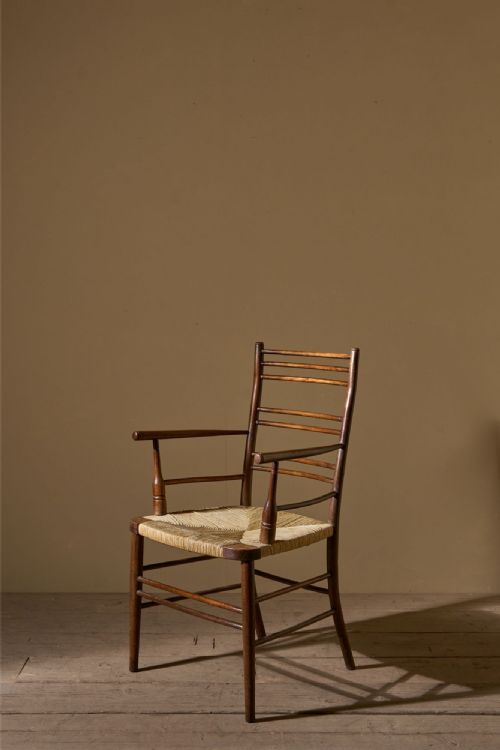
When you search for vintage ladderback, you encounter seating built around horizontal slats spanning upright rear posts. The listings on this page show these chairs appearing primarily as dining sets, single armchairs, and rocking chairs.
The forms range from English and French farmhouse seating to Arts and Crafts interpretations and provincial rocking chairs. Many examples originate from the nineteenth and early twentieth centuries, constructed in oak, elm, ash, and beech.
Rural workshops and makers produced these seats for everyday domestic use, resulting in straightforward profiles that suit both period dining rooms and contemporary kitchens.
How they were made
Makers constructed the frames using native hardwoods such as oak, elm, ash, mahogany, and beech, often combining multiple timbers within a single chair for structural strength.
Seats utilised woven natural materials including rush and sea grass, wound tightly around the lower frame to create a resilient platform.
Joinery relied on traditional pegged mortise and tenon joints, while turned wooden components shaped on a lathe formed the uprights and stretchers.
Vintage Ladderback Retail Price Guide 2026
Typical asking prices for vintage ladderback among the pieces listed under this phrase on Sellingantiques today, from the lower quarter to the upper quarter. They describe what is for sale here now, not the wider market.
Listings feature eighteenth, nineteenth, and early twentieth-century examples, incorporating Arts and Crafts, Regency, and French provincial styles.
What varies in quality
Quality depends on the integrity of the wooden frame and the tightness of the woven seat. Original rush seating shows an even patina and firm tension, whereas loose or rewoven cords alter the original handle of the piece.
Proportion and wood selection separate standard utility seating from finer workshop productions. Better examples display carefully turned finials, balanced slat heights, and hardwood frames free from excessive distortion.
Heals of London·Liberty and Co·Lawrence Neal
The Vintage Ladderback Glossary
- Ladderback
- A chair design featuring horizontal wooden slats, or rungs, set between the rear upright posts. These slats often graduate in width from top to bottom.
- Rush
- Dried marsh grass twisted into cord and woven tightly to form a seat. It provides a durable, flexible surface that yields slightly to the sitter.
- Carver
- An armchair, traditionally placed at the head of a dining table, sharing the design motifs of the matching side chairs. These pieces offer arm supports for added comfort.
- Spindle back
- A variation of regional seating where vertical turned spindles fill the space between the top rail and the seat. This construction lightens the visual weight of the frame.
Vintage Ladderback: Frequently Asked Questions
How do I clean a rush seat?
Dust the woven surface gently using a soft brush attachment on a vacuum. Avoid applying excess water, as moisture weakens dried natural plant fibres over time.
For stubborn marks, wipe lightly with a slightly damp cloth and dry immediately with a clean towel.
Can I mix these chairs with a modern table?
Wooden country seating adapts well to contemporary dining tables due to simple horizontal slats and natural timber tones. The varied heights of nineteenth-century backs create visual interest around plain surfaces.
Selecting pieces with matching wood finishes or similar rush seats helps unify the overall arrangement.
How do I identify a nineteenth-century example?
Examine the construction marks on the underside of the seat and the wear patterns on the lower stretchers. Hand-turned wooden components often display subtle irregularities absent in later machine-made reproductions.
Timber shrinkage and dry joints indicate age, while nineteenth-century vernacular pieces show tool marks from regional workshops.
Are these chairs suitable for daily kitchen use?
Solid hardwood frames and tightly woven rush seats provide robust support for regular dining. Selecting designs intended for farmhouse kitchens ensures the construction handles everyday domestic activity.
Placing felt pads beneath the legs prevents excessive wear on hard kitchen flooring.