





Vintage Kuba Carpet
These vintage kuba carpet pieces are woven tribal rugs from the Caucasus, offering geometric patterns and rich wool texture that anchor a room.
Vintage Kuba Carpet
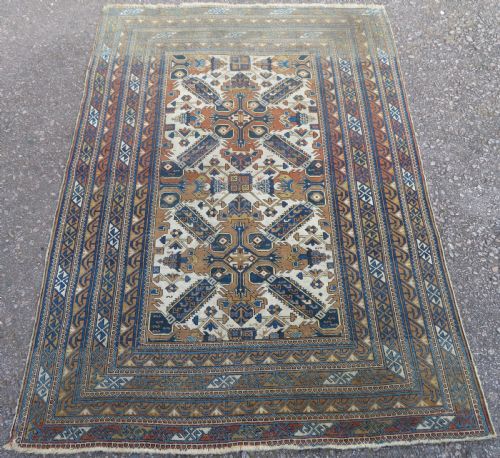
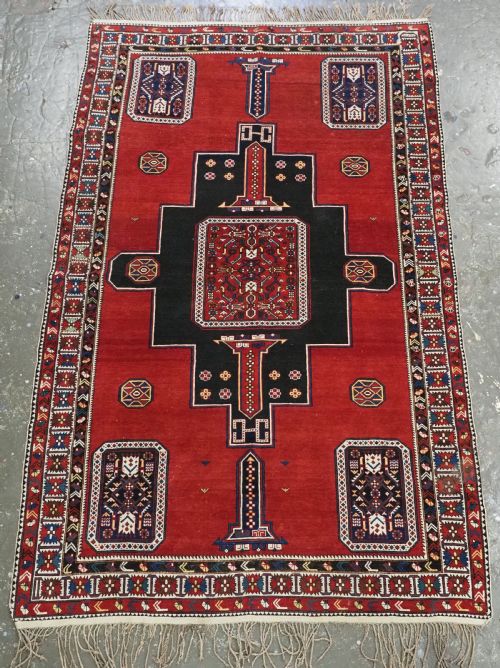
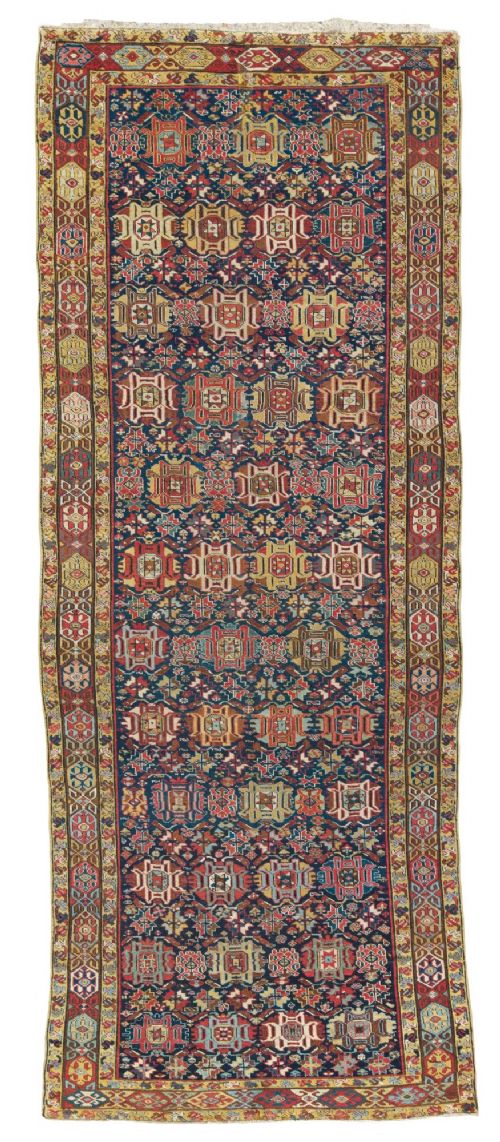
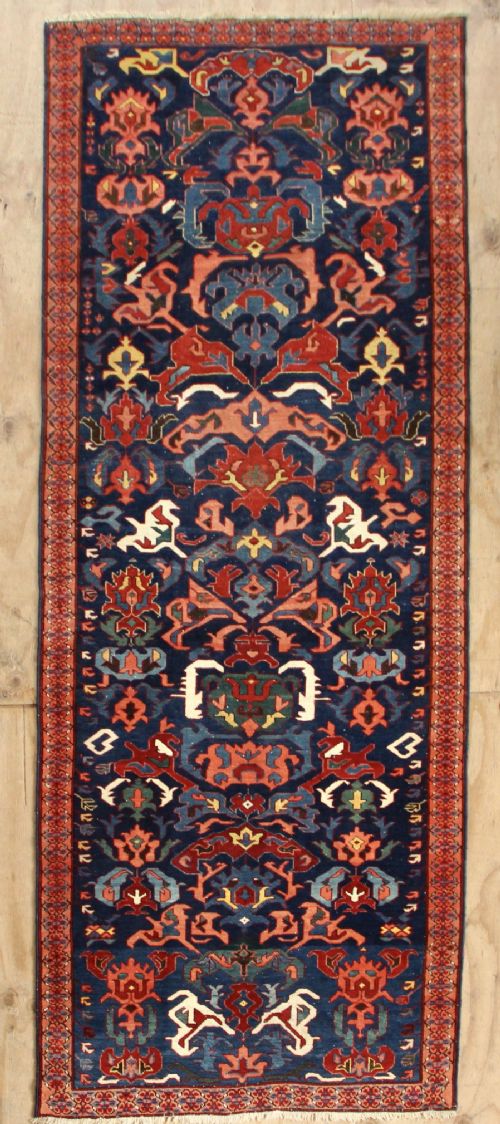
A vintage kuba carpet is a woven floor covering originating from the Kuba region in the Eastern Caucasus, often grouped under Caucasian or Caucasian Tribal styles. These textiles appear in various formats on this page, including standard rugs, long runners, narrow runners, kellehs, and kilims.
The pieces visible here span the late nineteenth and early twentieth centuries, specifically covering dates from 1850 up to 1910. Buyers encounter distinct regional sub-types such as Seychour, Konagkend, Alpan, Karagashli, and Afshan designs.
Makers utilised traditional formats ranging from square-proportioned rugs to elongated runners suited for hallways. Each piece demonstrates the distinctive geometric and medallion vocabulary typical of Caucasian weaving traditions.
How they were made
Weavers constructed these rugs using wool for the pile and foundation yarns, alongside cotton elements in specific examples. The materials provide a durable structure designed to withstand generations of use.
The construction relies on traditional hand-knotting techniques executed on vertical looms, resulting in dense pile surfaces or flatweave kilim structures depending on the specific type. Natural dyeing methods yielded the palette of white grounds, bright tones, and soft faded colours recorded across the inventory.
Vintage Kuba Carpet Retail Price Guide 2026
Typical asking prices for vintage kuba carpet among the pieces listed under this phrase on Sellingantiques today, from the lower quarter to the upper quarter. They describe what is for sale here now, not the wider market.
Listings span production dates from 1850 to 1910, constructed from wool and cotton materials within Caucasian tribal traditions.
What varies in quality
Quality in these textiles rests upon the crispness of the geometric drawing and the complexity of regional designs like the cruciform medallion or shield motifs. Finer examples display precise execution in motifs such as the Seychour patterns.
The condition of the wool pile creates a division between heavily worn examples and those retaining full pile or distantly distressed surfaces. Colour preservation also dictates distinction, separating bright palettes from softly faded alternatives.
The Vintage Kuba Carpet Glossary
- Kuba region
- A major carpet-producing area in the Eastern Caucasus known for distinctive geometric designs and fine knotting. Pieces from this district often feature crisp medallion work.
- Seychour
- A specific sub-type associated with the Kuba region, frequently distinguished by white grounds and particular floral or cross motifs. These rugs are scarcer in the market.
- Konagkend
- A design attribution within the Kuba grouping, typically recognised by specific medallion structures such as cruciform arrangements. These examples often display bright palettes.
- Soumak
- A flatweave technique where wrap-around weft threads create a sturdy structure without a cut pile. This method produces a smoother reverse side.
- Kelleh
- A longer format of oriental rug, traditionally proportioned between a standard rug and a full carpet. These pieces suit narrow spaces or gallery placement.
- Kilim
- A tapestry-woven carpet lacking a pile, produced by tightly interweaving warp and weft strands. These items offer a flat, durable surface.
Vintage Kuba Carpet: Frequently Asked Questions
Where were vintage kuba carpets made?
These carpets originate from the Kuba region situated in the Eastern Caucasus, an area renowned for distinctive tribal weaving traditions.
The local workshops and nomadic groups produced structured geometric rugs that dealers classify under Caucasian styles.
What is a Seychour kuba rug?
A Seychour is a specific regional variant within the Kuba classification, known for scarcer white grounds and intricate detailing.
These pieces display precise geometric or stylized floral elements that distinguish them from standard village weaves.
How do I style a runner rug?
Runners serve as practical floor coverings for corridors, staircases, and narrow hallways where standard rectangular rugs do not fit.
Their elongated proportions help guide movement through a space while adding wool texture and traditional pattern to timber floors.
What materials make up these carpets?
The pieces utilise natural wool for the pile and structural foundation, occasionally incorporating cotton threads in specific woven areas.
These traditional materials contribute to the resilience and tactile quality characteristic of nineteenth-century Caucasian textiles.