

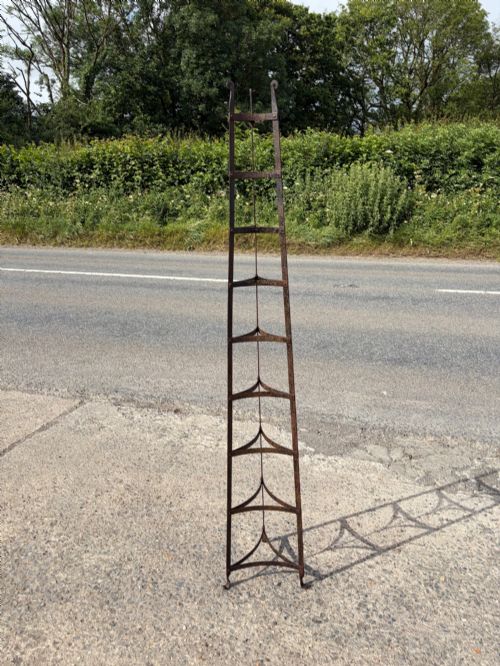


Vintage Kitchen Storage Rack
A vintage kitchen storage rack brings honest utility and timeless character to domestic spaces through time-tested timber and metal forms.
Vintage Kitchen Storage Rack
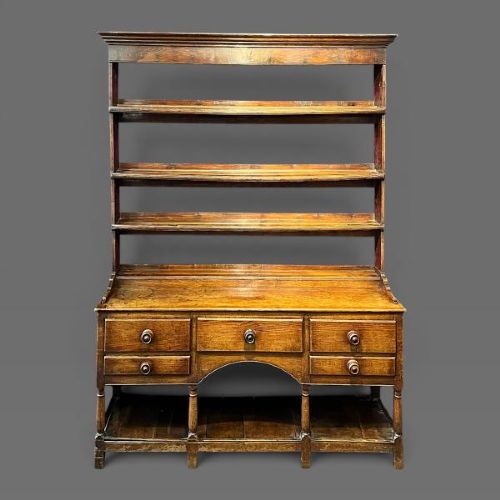
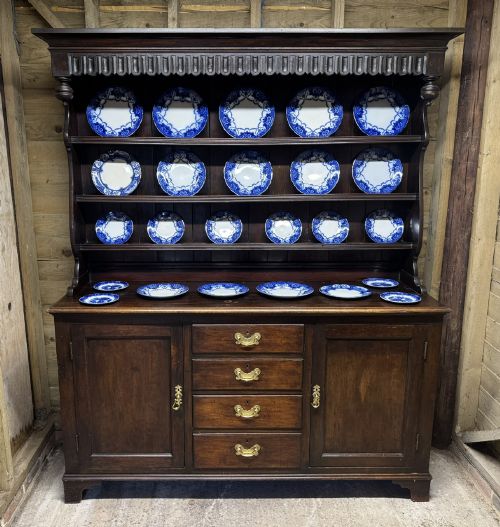
When you search for a vintage kitchen storage rack, you encounter practical furniture designed to hold plates, cookware, and provisions. These pieces range from robust oak dressers with integrated plate racks to sturdy wrought iron pan stands and bakers racks.
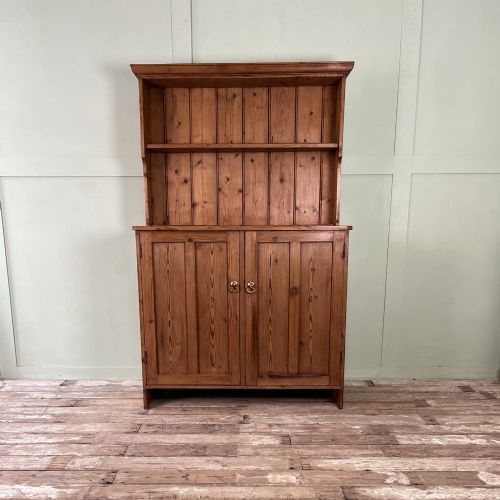
The selections span multiple eras, offering 18th-century country oak pieces, Victorian pine cottage furniture, and Edwardian designs. You are most likely to meet solid oak dressers and multi-tiered iron pot stands originating from English and French country traditions.
Forms vary from grand Welsh dressers to compact wall-mounted plate racks and field kitchen drainers. Each variation serves the fundamental purpose of organising culinary spaces with traditional craftsmanship.
Materials and Construction
Construction relies heavily on solid hardwoods and durable metals, notably oak, pine, wrought iron, and brass. Cabinetmakers and blacksmiths utilised these resilient materials to withstand the heavy demands of daily kitchen work.
Joinery methods reflect the period of origin, employing traditional techniques suitable for heavy-use furniture. Metal stands feature forged iron components, while wooden dressers utilise sturdy pegged joints and carved wooden bases.
Vintage Kitchen Storage Rack Retail Price Guide 2026
Typical asking prices for vintage kitchen storage rack among the pieces listed under this phrase on Sellingantiques today, from the lower quarter to the upper quarter. They describe what is for sale here now, not the wider market.
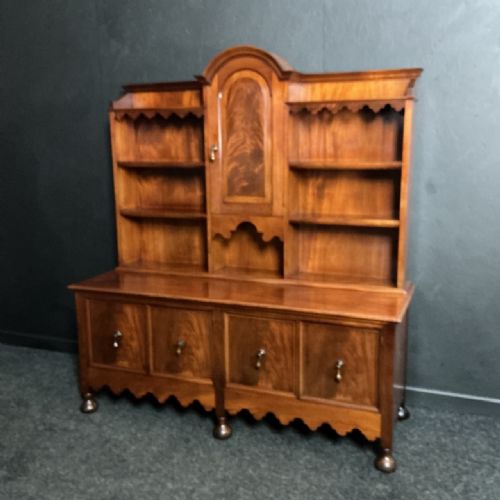
Listings feature items spanning the eighteenth century through to the 1930s, constructed predominantly from oak, pine, wrought iron, and mahogany.
Assessing Quality and Character
Quality separates pieces through the selection of timber and the integrity of the original hardware. Superior examples feature dense grain patterns in flame mahogany or solid honey oak, alongside well-preserved patination.
The refinement of carved details and the balance of structural proportions distinguish standard utility items from exceptional workshop creations. Original iron tiering and intact plate rack fixtures elevate the overall execution of the piece.
The Vintage Kitchen Storage Rack Glossary
- Plate Rack
- A wooden framework designed to hold dinner plates vertically for drying and display. This feature is commonly integrated into the upper section of traditional kitchen dressers.
- Welsh Dresser
- A traditional piece of dining room or kitchen furniture featuring lower cupboards and drawers beneath open upper shelving. These items provide substantial storage and display capacity.
- Bakers Rack
- A tall metal or wooden shelving unit originally utilised for cooling baked goods. They offer open multi-tiered storage suitable for modern culinary equipment.
- Pot Stand
- A tiered metal structure designed to hold heavy cookware and pans off the floor. Wrought iron versions provide exceptional stability and industrial character.
- Patina
- The surface sheen and colour developed on wood and metal through age and use. A rich patina indicates genuine antiquity and careful maintenance.
Vintage Kitchen Storage Rack: Frequently Asked Questions
How do I clean a wooden kitchen rack?
Maintain wooden surfaces by dusting regularly with a dry cloth and occasionally applying natural beeswax to nourish the timber.
Avoid using harsh chemical sprays or excessive water, which can damage the historic finish and dry out the grain.
Are iron pan stands strong enough for daily use?
Wrought iron and metal stands were originally forged to support heavy cast iron cookware in busy kitchens.
They remain exceptionally robust and easily handle modern heavy pots, pans, and heavy kitchen equipment.
Where should I place a vintage dresser?
Kitchen dressers look best against a primary dining or kitchen wall where they can securely anchor and display tableware.
Ensure placement avoids direct heat sources and prolonged direct sunlight to protect the aged wood and joinery.
How can I date an oak kitchen piece?
Examine the construction methods, nail types, drawer dovetailing, and the overall style of carving or handles.
Earlier pieces from the eighteenth century often display hand-sawn timber marks and pegged joints, unlike later factory-made alternatives.