



Vintage Kitchen Armoire
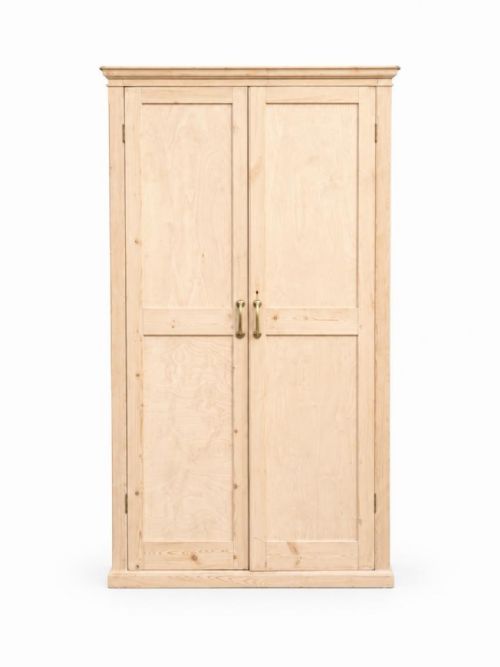
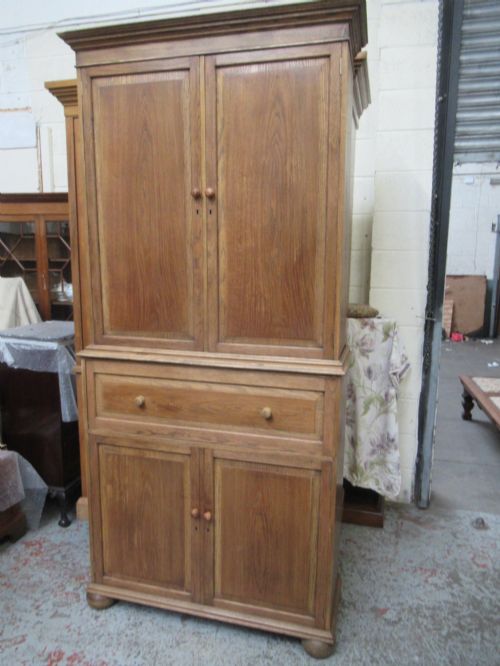
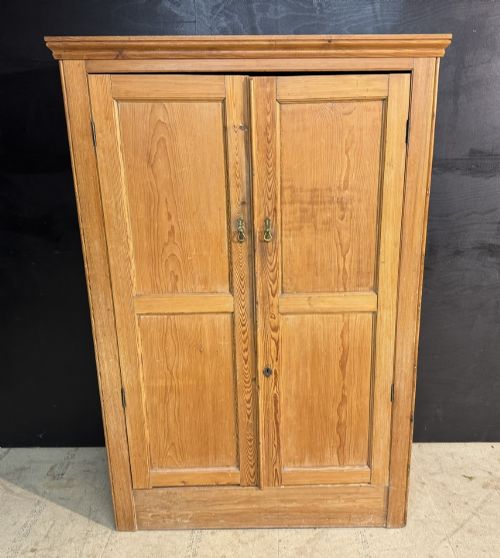
These vintage kitchen armoire pieces are sturdy timber cupboards designed for food storage and utility, offering practical presence and classic character for a home.
Vintage Kitchen Armoire
A vintage kitchen armoire search brings up large timber storage pieces, most frequently encountered as housekeeper's cupboards, larder cupboards, and two-door kitchen cupboards. These utility pieces originate across the nineteenth century, with additional examples spanning the Georgian and Edwardian eras.
The regional variety is broad, taking in English country workshop pieces alongside Gustavian Swedish cabinets and Chinese noodle cabinets from around 1920. Buyers find both natural wood surfaces and later painted finishes, often utilising pine, softwood, and elm.
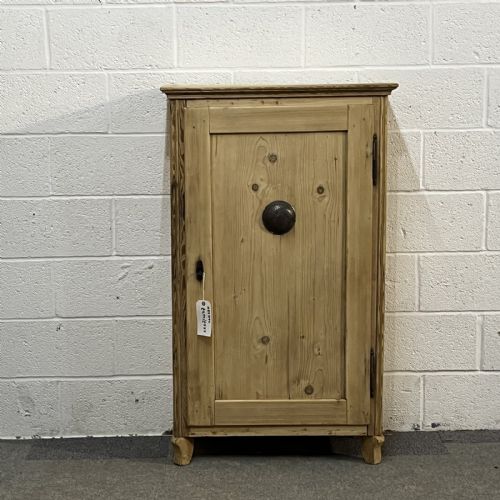
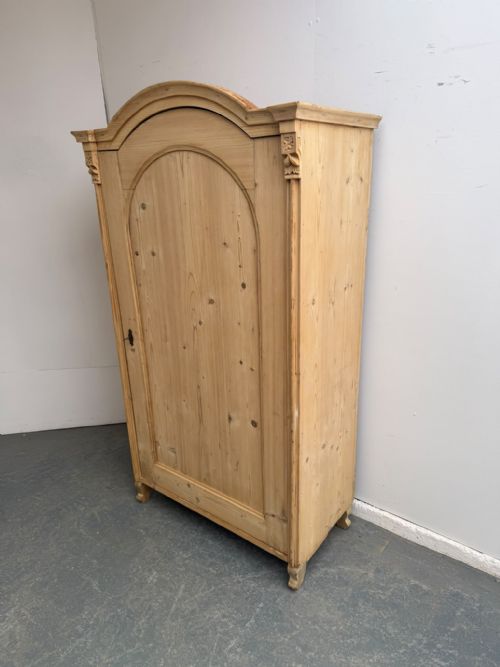
Forms range from wide arched designs to smaller upright cupboards and storage cabinets. Their original purpose was domestic storage, and today they function well as focal points for kitchen or dining room organisation.
Materials and construction
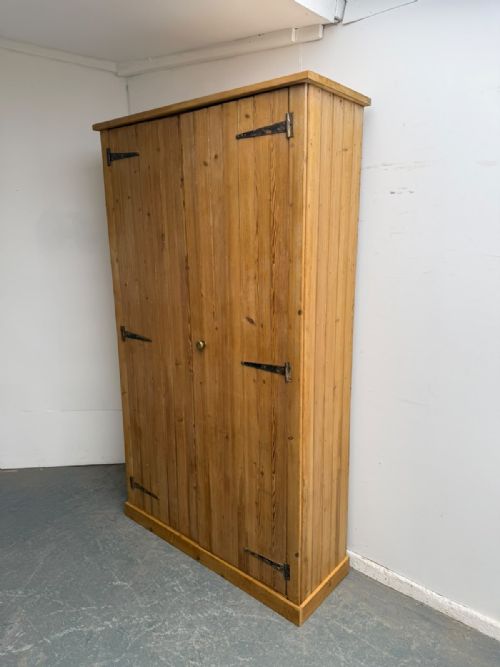
Construction relies heavily on solid pine, softwood, and elm, built by joiners to withstand daily domestic use. Surfaces frequently show the marks of age, with options left in bare or waxed wood alongside pieces finished in later green paint or other painted schemes.
Hardware details involve functional iron and brass fittings that secure the large double doors typical of these storage cupboards. Joinery techniques prioritize utility and strength, utilising traditional timber assembly suited to heavy household use.
Vintage Kitchen Armoire Retail Price Guide 2026
Typical asking prices for vintage kitchen armoire among the pieces listed under this phrase on Sellingantiques today, from the lower quarter to the upper quarter. They describe what is for sale here now, not the wider market.
One Chinese noodle cabinet from nineteen twenty finds itself sharing storage duties with sturdy nineteenth-century pine housekeepers' cupboards.
Distinguishing quality
Quality rests in the balance of proportions and the integrity of the original timber frame, separating heavy utilitarian boxes from finer architectural cabinets. Superior examples display thoughtful joinery, well-balanced panel doors, and pleasing proportions that anchor a room.
The character of the surface finish plays a major part in the appeal, whether through honest unpainted softwood or well-applied historic painted coats. Pieces retaining original hardware and sound structural timber command greater interest among collectors.
The Vintage Kitchen Armoire Glossary
- Housekeeper's cupboard
- A large storage piece traditionally used in substantial homes to store linens, dry goods, and tableware. These items usually feature tall double doors and internal shelving.
- Larder cupboard
- A specialised storage cabinet designed for food preservation and kitchen provisions. They often incorporate ventilation panels or deep shelving to keep contents cool.
- Gustavian
- A Swedish neoclassical style originating in the late eighteenth century and extending into the nineteenth. It is known for light, restrained decoration and pale painted finishes.
- Softwood
- Timber derived from conifers such as pine, commonly utilised in country furniture. It provides a workable material that takes paint and wax effectively.
- Elm
- A dense hardwood valued for its toughness and interlocking grain, frequently employed in regional cabinetry. It offers high resistance to splitting under heavy use.
Vintage Kitchen Armoire: Frequently Asked Questions
What is a housekeepers cupboard?
A housekeeper's cupboard is a large storage unit traditionally kept in the domestic quarters of a large home. It served as the central storage point for household linens, dry foodstuffs, and tableware.
Today, these substantial pieces translate well into modern kitchens as larder units or freestanding pantries, providing deep shelving and a strong architectural presence.
How do I care for antique pine furniture?
Antique pine and softwood benefit from stable indoor environments away from direct heat sources and excessive moisture. Regular dusting with a dry cloth keeps the surface clean without risking the wood.
Waxed finishes can be maintained with traditional beeswax applied sparingly and buffed gently. Painted surfaces require only a soft damp cloth to remove marks.
Are these cupboards suitable for modern kitchens?
These cupboards adapt readily to contemporary kitchen layouts as freestanding larders or crockery stores. Their deep shelves and tall doors offer practical capacity for modern storage needs.
Placing one in a dining room or hallway also works well for linens, glassware, or general household organisation.
How can I tell the period of a kitchen cupboard?
Dating relies on examining construction methods, timber types, and hardware details such as hinges and locks. Georgian and nineteenth-century pieces often display hand-planed boards and pegged joints.
Stylistic cues like arched panels or regional paint choices also point toward specific eras and workshops.