



Vintage Jelly Mould
These vintage jelly mould examples bring tactile culinary history to your kitchen with copper, earthenware, and glass pieces from past centuries.
Vintage Jelly Mould
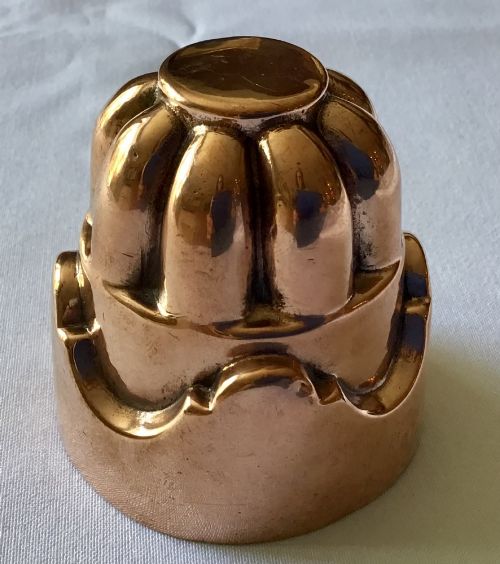
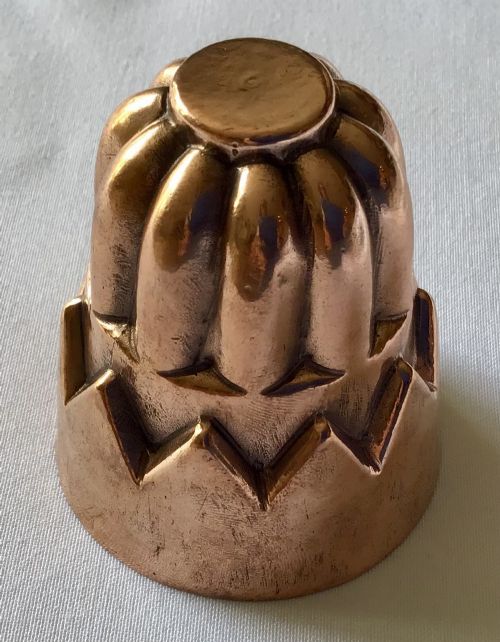
When you search for a vintage jelly mould, you encounter kitchenware shaped to form decorative shapes for the table from the eighteenth and nineteenth centuries.
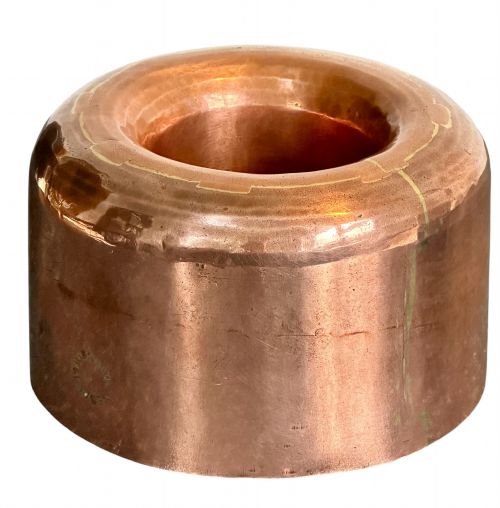
The most common examples you meet on this page are copper and earthenware kitchenalia, spanning Georgian and Victorian periods.
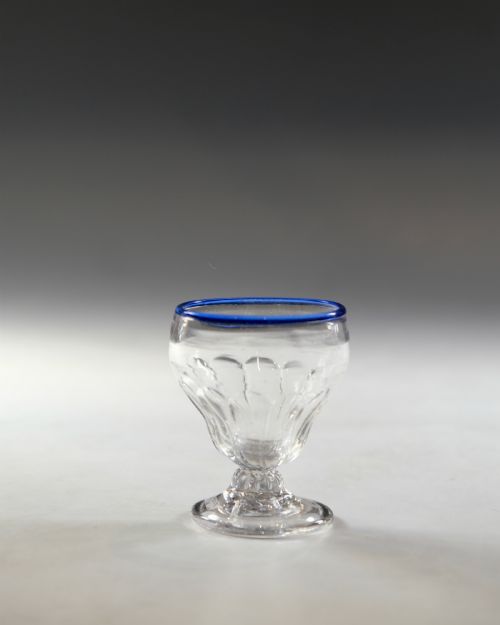
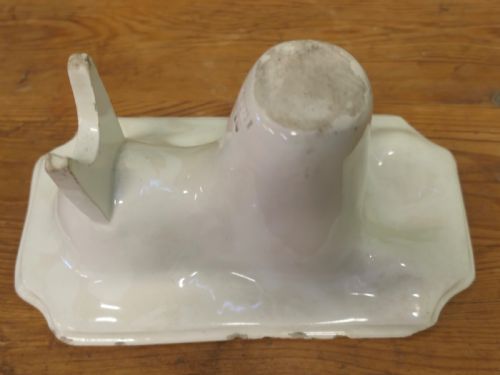
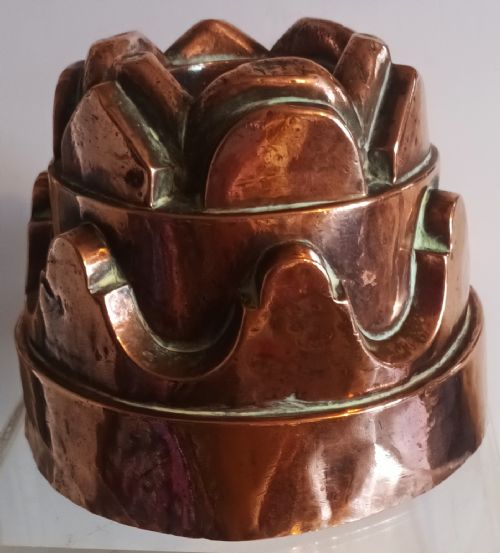
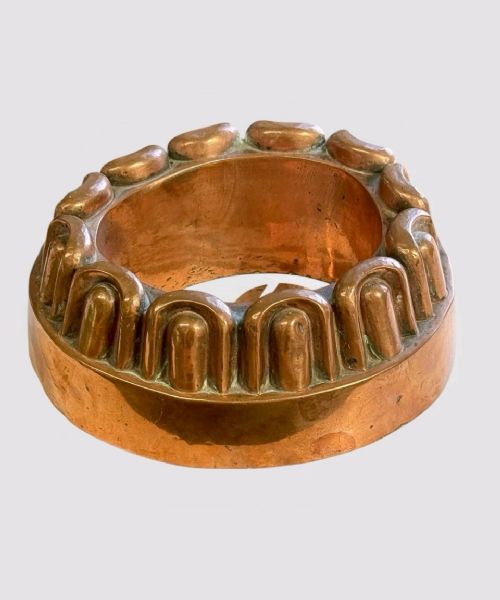
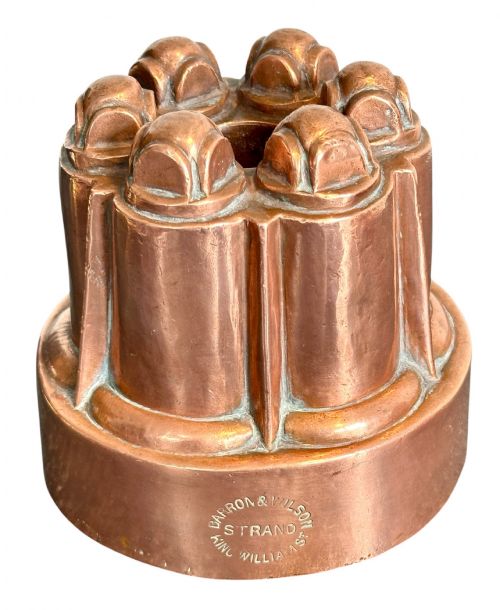
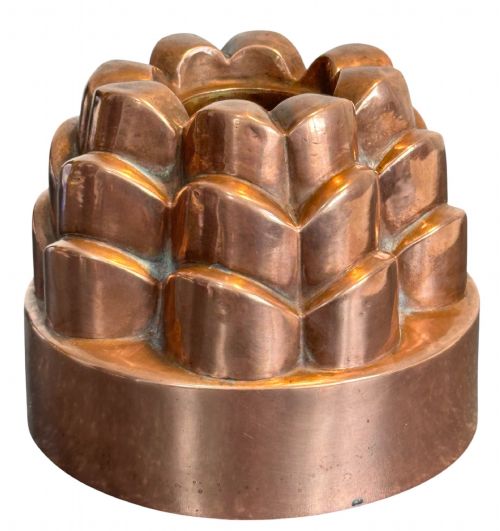
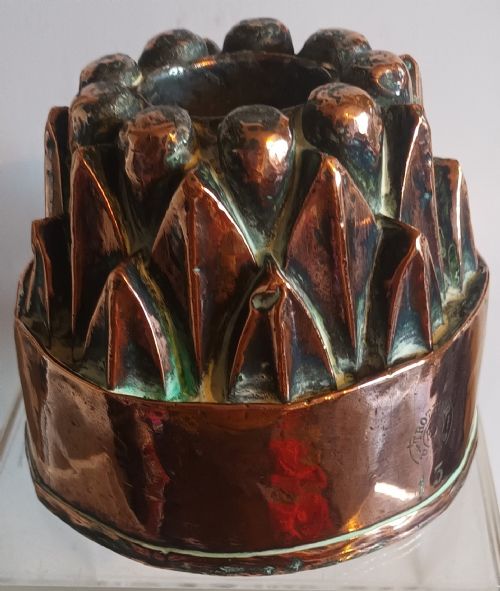
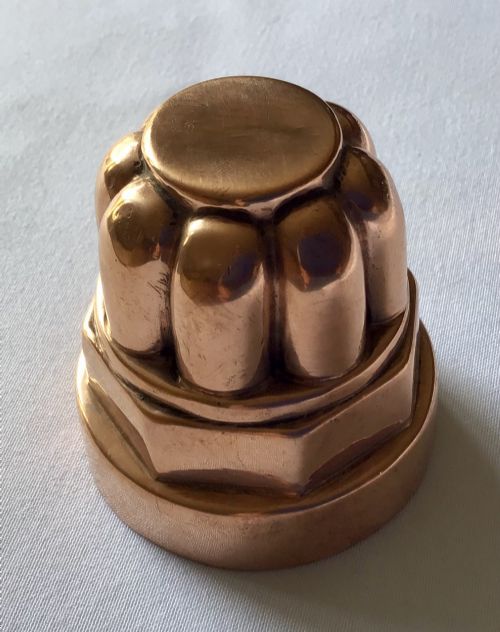
These culinary items range from miniature copper vessels to earthenware designs depicting lions, grapes, and wild boars.
How they were made
Makers formed the metal vessels from heavy gauge copper, often lining them with tin for safe food contact during the nineteenth century.
Ceramic examples utilised creamware and earthenware, shaped with glazes and detailed pictorial designs like castle tops or animals.
Vintage Jelly Mould Retail Price Guide 2026
Typical asking prices for vintage jelly mould among the pieces listed under this phrase on Sellingantiques today, from the lower quarter to the upper quarter. They describe what is for sale here now, not the wider market.
Listings span the eighteenth and nineteenth centuries, featuring copper, earthenware, creamware, and glass materials.
What varies in quality
The distinction between standard kitchenalia and finer items rests in the crispness of the moulded detail, such as the definition on a cat or wild boar motif.
Original tin linings and maker marks, such as those from Harrods or specific French workshops, separate utilitarian pieces from more collectable examples.
The Vintage Jelly Mould Glossary
- Creamware
- A fine earthenware developed in Yorkshire featuring a pale yellowish glaze. It provided a smooth surface for detailed kitchenalia.
- Kitchenalia
- Domestic utensils and culinary equipment collected for display or historical interest. These items reflect past domestic life.
- Tin lined
- A protective coating applied to the interior of copper vessels. This layer prevented food from reacting with the metal.
- Bonnet glass
- A tall eighteenth century glass vessel used for serving jellies and syllabubs. They often featured ribbed or fluted sides to catch the light.
Vintage Jelly Mould: Frequently Asked Questions
What materials are these moulds made from?
The pieces available utilise traditional materials including heavy copper, earthenware, creamware, and lead glass.
Copper items frequently feature tin linings on the interior for culinary use, while ceramic versions display glossy glazes.
How were these moulds used originally?
Cooks utilised these vessels to shape jellies, custards, and ice creams for formal dining tables.
The intricate interior designs transferred distinct pictorial motifs onto the set food before serving.
How do I identify Victorian pieces?
Victorian examples often display specific architectural motifs like castle tops or detailed animal shapes.
These pieces typically date from the nineteenth century and reflect the period's preference for ornate culinary presentations.
Can I still use these for cooking?
Many copper and ceramic items remain structurally robust, though collectors generally display them as kitchenalia.
If you use copper vessels for food preparation, you should check the integrity of the interior tin lining.