




Vintage Japanese Carvings
These vintage japanese carvings are remarkable works of artistry in wood, bringing centuries of skilled craftsmanship directly into your home.
Vintage Japanese Carvings
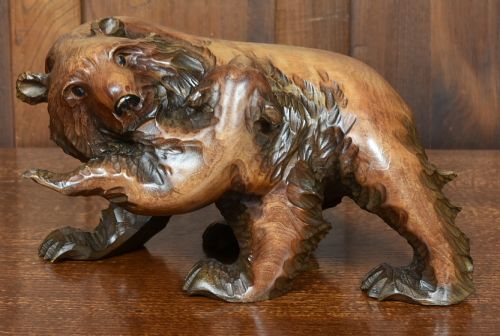
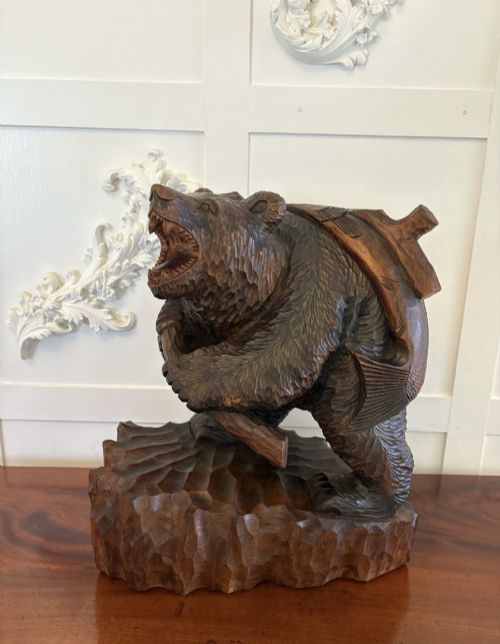
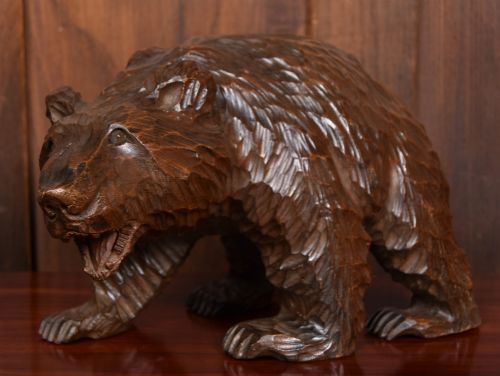
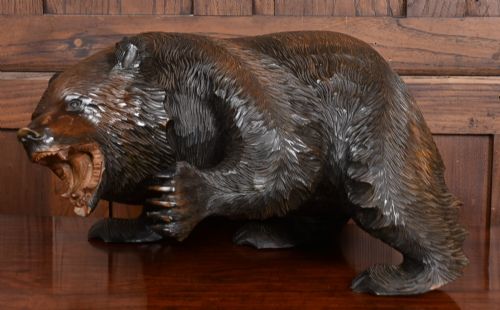
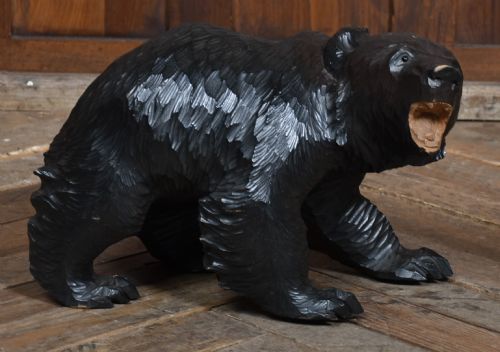
When you search for vintage japanese carvings, you encounter a fascinating array of sculptural forms originating predominantly from the nineteenth century and the early twentieth century. The selection spans traditional animal figures, detailed human representations, and decorative plaques shaped by skilled artisans working within distinct historical styles. Most frequently, you meet hand-carved bears known as kibori kuma, alongside intricate netsuke, okimono, and functional items like table lamps.
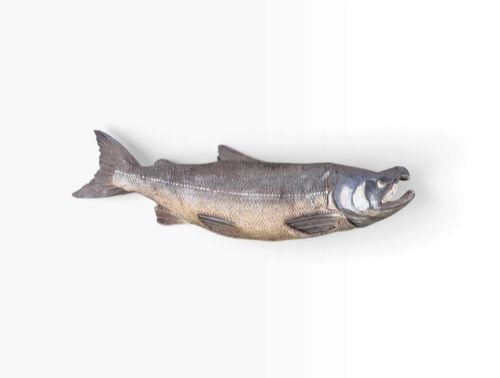
The pieces reflect diverse aesthetic traditions ranging from folk art and Mingei to the refined craftsmanship of the Meiji period. Makers utilised native timbers to capture both natural subjects, such as cats, toads, rabbits, tigers, and fish, as well as cultural figures including geisha and Daruma. Whether you examine a small paperweight or a substantial wall plaque, each sculpture demonstrates a deep engagement with organic materials and traditional iconography.
How they were made
Makers of these sculptures relied heavily on traditional woodworking techniques, employing specialised chisels and knives to shape various timbers. The material palette recorded in the listings centres on boxwood, linden wood, hardwood, root wood, and cherry amber, each selected for its grain and suitability for detailed carving. Artisans frequently applied dark stains, wax, or simple finishes to enhance the natural texture and depth of the wood.
Certain pieces exhibit specific regional methods, such as the nata-tsukuri style which leaves deliberate hatchet marks on the surface for a rugged, textured appearance. Carvers also incorporated intricate openwork and smoothing techniques to define fur, clothing folds, and facial expressions with precision. The combination of these specific timbers and hand-carved finishes defines the physical character of the entire group.
Vintage Japanese Carvings Retail Price Guide 2026
Typical asking prices for vintage japanese carvings among the pieces listed under this phrase on Sellingantiques today, from the lower quarter to the upper quarter. They describe what is for sale here now, not the wider market.
The listings feature wood sculptures primarily dated to the nineteenth century and the year 1900, created from boxwood, linden wood, and root wood.
What varies in quality
The distinction between standard examples and the finest works rests upon the precision of the carving and the expressiveness of the subject. Master carvers achieved a remarkable sense of life and movement in animal and human figures, whereas lesser pieces display stiffer lines and less anatomical accuracy. Proportional balance and the clever utilisation of the natural wood grain also elevate certain sculptures above others.
Surface finish and the preservation of original details further differentiate the range. Pieces that retain their crisp chisel marks, intended coloration, and undamaged extremities demonstrate superior craftsmanship and careful stewardship over time. The presence of signatures on smaller items like netsuke adds an additional layer of distinction, indicating individual artistry.
The Vintage Japanese Carvings Glossary
- Kibori Kuma
- A traditional style of Japanese wood-carved bear, originating notably from Hokkaido. These sculptures often depict bears holding fish or adopting lively poses.
- Netsuke
- A small carved toggle historically used to secure a pouch or small container to a traditional Japanese kimono sash. They are prized for their miniature detail and intricate craftsmanship.
- Okimono
- A Japanese decorative statue or ornament designed for display on a household shelf or tokonoma alcove. These figures typically portray animals, people, or legendary scenes.
- Mingei
- A Japanese folk craft movement that values utilitarian objects made by nameless artisans using traditional methods. Items in this style emphasise natural simplicity and unpretentious beauty.
- Nata-Tsukuri
- A woodworking technique involving the use of a hatchet or small cleaver to shape the timber, leaving visible, textured facets on the finished surface.
Vintage Japanese Carvings: Frequently Asked Questions
What are kibori kuma?
Kibori kuma are traditional Japanese wood-carved bears, often depicted carrying fish in their mouths. They represent a distinct regional carving tradition that became widely collected.
These sculptures vary in size from small desk ornaments to large decorative figures. They remain among the most recognisable forms encountered in nineteenth-century Japanese woodwork.
How were netsuke used?
Netsuke functioned as practical toggles attached to the cords of traditional Japanese hanging pouches or boxes. They were slipped behind the sash of a kimono to prevent the pouch from falling.
Over time, these functional fasteners evolved into highly collectible miniature sculptures. Artisans carved them from dense materials like boxwood and cherry amber to withstand daily wear.
What is an okimono?
An okimono is a standalone decorative sculpture intended for display within a traditional Japanese room. Unlike netsuke, they served no practical fastening purpose and existed purely for aesthetic appreciation.
These pieces frequently depict animals, such as rabbits or toads, as well as human figures. They showcase the refined technical skill of Meiji period carvers.
How do I identify Meiji period pieces?
Meiji period carvings often display a high degree of naturalism and technical refinement. Artisans during this era produced works that catered to both domestic and international tastes.
Examining the fine details of fur, expression, and the choice of dense hardwoods helps distinguish pieces from this era. Signatures or specific stylistic markers can also provide clues to their origin.
Where should I place root wood lamps?
Root wood lamps and sculptures suit spaces where natural textures and organic forms can stand out. Their rustic appearance complements both traditional and eclectic interior schemes.
Ensure they are placed away from direct heat sources to protect the historic timber. Proper placement highlights the natural grain and irregular contours of the root material.