




Vintage Iron Stool
These vintage iron stool designs combine robust industrial utility with enduring material honesty, offering a practical seating choice for contemporary interiors.
Vintage Iron Stool
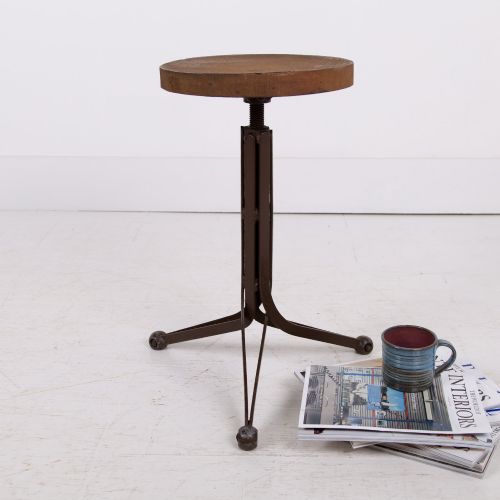
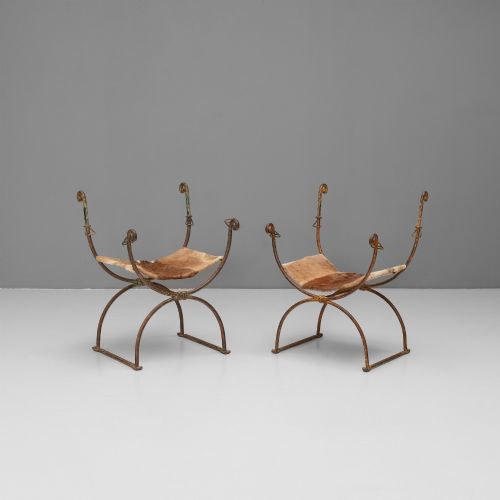
A vintage iron stool brings workshop heritage into domestic spaces through robust metal frames and purposeful seating forms. Buyers searching for a vintage iron stool typically encounter sturdy workshop seating, revolving machinist chairs, and heavy iron-based bar stools originating from the nineteenth and twentieth centuries.
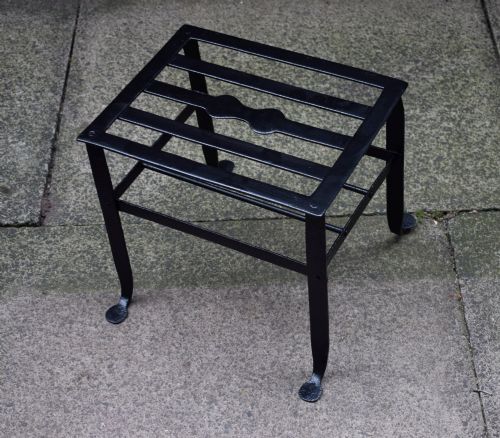
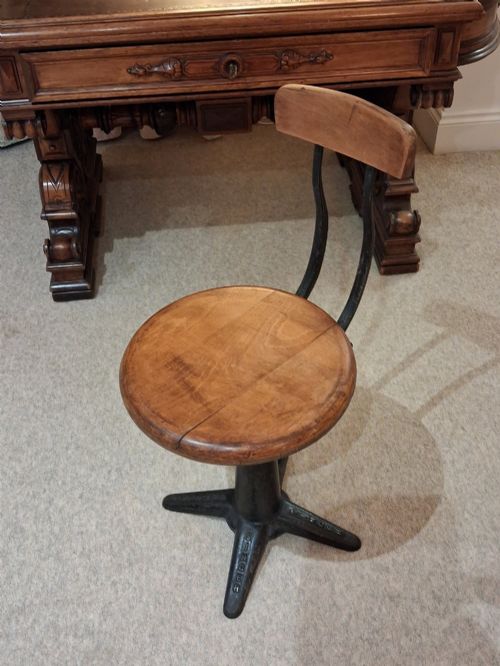
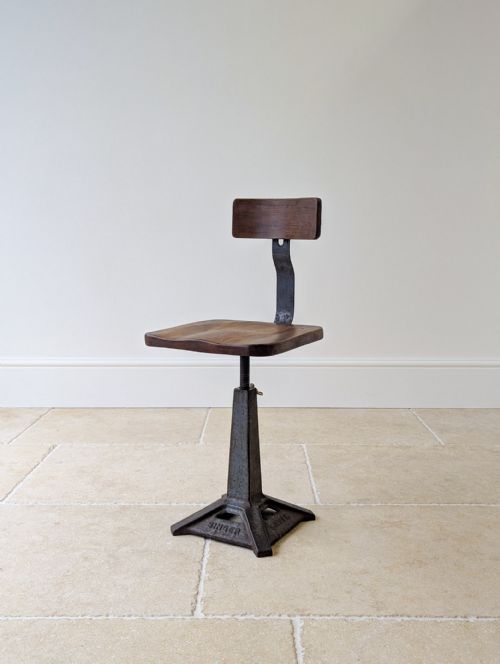
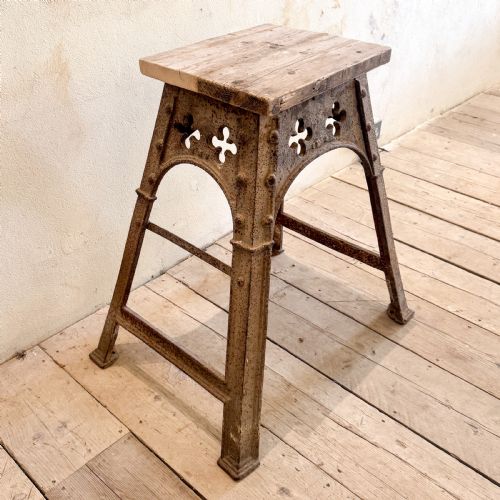
The selection on this page spans utilitarian fireplace footmen, workshop chairs, and revolving iron stools reflecting Victorian industrial progress and early twentieth-century manufacturing. These pieces combine heavy cast iron or wrought iron frameworks with timber seats, creating durable seating solutions designed for prolonged daily use.
How they were made
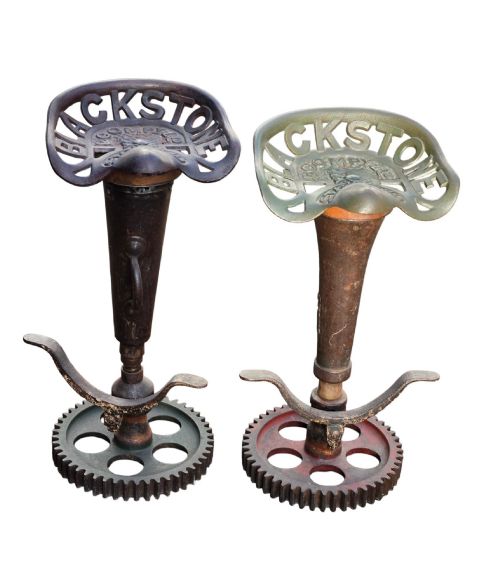
Makers utilised heavy cast iron and wrought iron for the structural bases and frames, often incorporating operational elements such as gear cogs and threaded adjustment spindles. These resilient metal components were paired with wooden seats fashioned from elm or hardwood to provide a stable, functional surface.
Construction techniques prioritized mechanical endurance, utilising riveted joints and bolted iron frames that endure decades of workshop or domestic service. Individual components frequently combined foundry-cast iron bases with shaped timber tops, reflecting the practical demands of nineteenth and twentieth-century industrial environments.
Vintage Iron Stool Retail Price Guide 2026
Typical asking prices for vintage iron stool among the pieces listed under this phrase on Sellingantiques today, from the lower quarter to the upper quarter. They describe what is for sale here now, not the wider market.
Some industrial stools keep factory gear cogs right under the seat, ready to make you feel like you are operating heavy machinery over breakfast.
What varies in quality
Quality in a vintage iron stool rests upon the original manufacturer's engineering integrity and the retained balance between metal and timber components. Examples featuring marked foundry seats or complex mechanical adjustment mechanisms demonstrate superior industrial heritage compared to simpler utilitarian frames.
The condition of the timber seat relative to the heavy iron base determines the overall integrity of the piece. Retained manufacturer markings, original operational mechanisms, and honest surface patination distinguish workshop examples produced by established firms like Singer, Blackstone and Co, or Evertaut.
Singer·Blackstone and Co·Rubery Owen·Evertaut
The Vintage Iron Stool Glossary
- Cast iron
- A hard, brittle alloy of iron and carbon formed by pouring molten metal into a mould. It provides the heavy, rigid bases typical of industrial seating.
- Wrought iron
- Tough, malleable iron beaten or rolled into shape rather than cast. It offers high tensile strength for structural framework components.
- Machinist stool
- Workshop seating designed for factory operatives, usually featuring an adjustable height mechanism and a revolving seat. These pieces prioritize ergonomic utility over ornamental detail.
- Footman
- A metal stand placed before a fireplace to keep kettles or dishes warm. These early examples utilise sturdy iron construction suited to domestic hearth use.
- Revolving seat
- A seat top mounted on a threaded spindle or pivot allowing rotational movement. This mechanism permits height adjustment in workshop environments.
Vintage Iron Stool: Frequently Asked Questions
What defines a vintage iron stool?
A vintage iron stool is typically characterised by a heavy cast or wrought iron frame paired with a wooden seat, originating from nineteenth or twentieth-century workshops. These pieces were originally built for industrial utility rather than domestic decoration.
They combine functional mechanics, such as revolving seats or adjustable height spindles, with enduring metal and timber materials that suit modern interiors.
How do I identify workshop chairs?
Workshop chairs often display maker stamps, foundry marks, or functional mechanics like gear cogs and threaded iron spindles. The inclusion of durable elm or hardwood seats fixed to heavy iron bases indicates industrial manufacture.
Examining the construction reveals whether the piece originated from factories, machine shops, or administrative workspaces during the Victorian or early twentieth-century periods.
Are these stools suitable for daily use?
These industrial stools were originally constructed for heavy factory environments, making them exceptionally robust for everyday domestic seating. Their solid metal frames and sturdy timber tops provide reliable structural stability.
Placing them at kitchen islands, bars, or desks allows you to utilise their original height and swivel functions in a contemporary home.
How should I care for iron and wood?
Maintain the metal framework by dusting regularly and preserving the existing surface patination without harsh chemical cleaning. Wood seats benefit from occasional conditioning to prevent the natural timber from drying out.
Keeping these pieces away from excessive moisture protects both the iron components and the hardwood tops from unnecessary deterioration.