



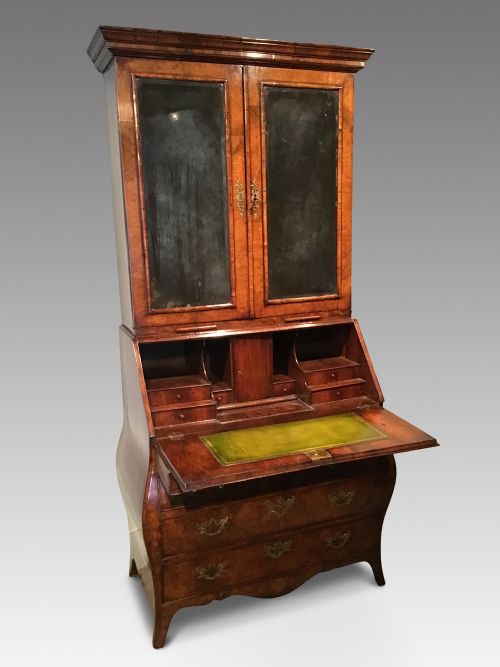
Vintage Interior Doors
These vintage interior doors offer solid timber construction and period character, bringing authentic architectural division and historic charm into a modern home.
Vintage Interior Doors
Vintage interior doors encompass substantial timber panels and architectural joinery originating from the Georgian, Victorian, and Edwardian eras, through to the 1930s. Buyers searching for vintage interior doors typically encounter solid pine, oak, and walnut constructions that retain their original proportions and heavy build quality.
Materials and construction
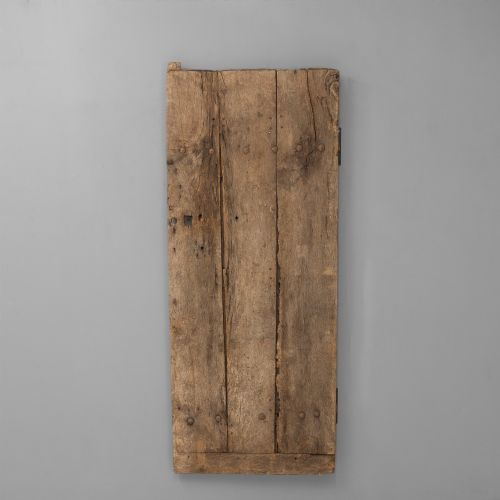
Makers constructed vintage interior doors using dense domestic and imported timbers such as pine, oak, and walnut, frequently joined with traditional mortise and tenon techniques. This sturdy framing method ensures the heavy timber panels hang true and withstand decades of daily use without losing structural integrity.
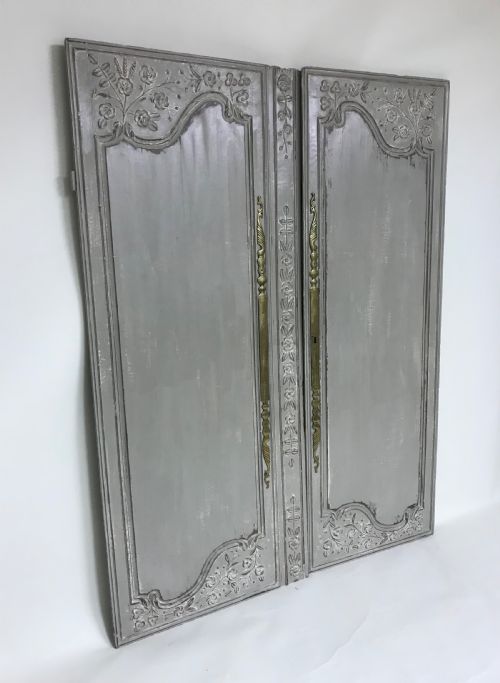
Surface treatments vary from waxed finishes and stripped bare wood to historic painted layers, while associated hardware incorporates cast iron, brass, and polished steel. Etched or glazed glass inserts occasionally appear in specific designs, adding decorative detail to the timber framework.
Vintage Interior Doors Retail Price Guide 2026
Typical asking prices for vintage interior doors among the pieces listed under this phrase on Sellingantiques today, from the lower quarter to the upper quarter. They describe what is for sale here now, not the wider market.
One unexpected door offers an etched design originally destined for a Victorian bathroom.
Assessing build and condition
Quality in vintage interior doors rests upon the integrity of the timber frame, the weight of the wood, and the retention of original hardware such as locks and knobs. Heavier hardwood examples with deep panel moulding and tight joints sit firmly at the upper end of the scale.
Subsequent alterations, such as trimmed edges or stripped paintwork that removes historic patina, influence the overall character and desirability of the piece. Intact original surfaces and uncompromised structural proportions distinguish superior examples from heavily modified utility items.
John Lübschitz
The Vintage Interior Doors Glossary
- Mortise and tenon
- A traditional woodworking joint where a projecting tongue fits snugly into a corresponding cavity to secure the frame. This method provides exceptional structural strength for heavy wooden doors.
- Patina
- The surface sheen and subtle colour changes developed through age, wear, and polishing over many decades. It serves as a key indicator of genuine antique age.
- Panel moulding
- Decorative strips of timber fitted around the recessed sections of a door face. Finer examples feature intricate carving or stepped profiles.
- Stripped pine
- Woodwork that has had layers of modern paint removed to reveal the raw grain beneath. This finish highlights the natural knot patterns and texture of the soft timber.
Vintage Interior Doors: Frequently Asked Questions
Can vintage interior doors be trimmed to fit modern door frames?
Most solid timber doors allow for minor adjustments along the edges, though substantial trimming risks compromising the structural joinery and traditional proportions.
Professional carpenters typically assess the specific framing before any reduction is attempted to preserve the integrity of the piece.
How do I care for stripped pine interior doors?
Applying a traditional beeswax or clear nourishing oil helps protect the bare timber from moisture and daily handling marks without sealing the grain permanently.
Avoid harsh modern chemical cleaners that strip the natural oils and dull the historic finish of the wood.
Are original locks and handles usually included?
Some pieces retain their original brass or iron hardware, while others are supplied as bare timber panels ready for alternative fixings.
Listing details specify whether associated items like locks or brass knobs remain attached to the door.
How can I date a wooden interior door?
Stylistic clues such as the number of timber panels, the depth of the mouldings, and the type of wood used point towards specific historical periods.
Victorian examples often feature heavy four-panel configurations, whereas Georgian pieces tend to display fielded panels and finer proportions.