



Vintage Ink Sketch
A vintage ink sketch brings direct, unedited mark-making into a room, capturing a moment through swift line and tone.
Vintage Ink Sketch
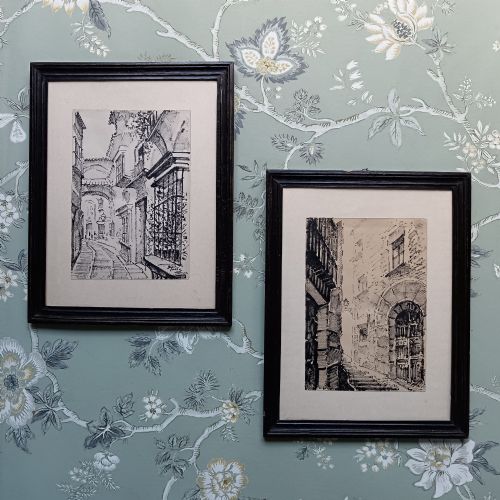
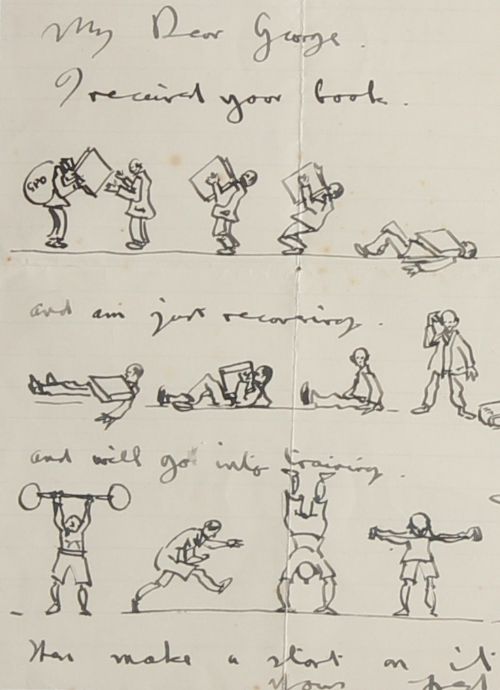
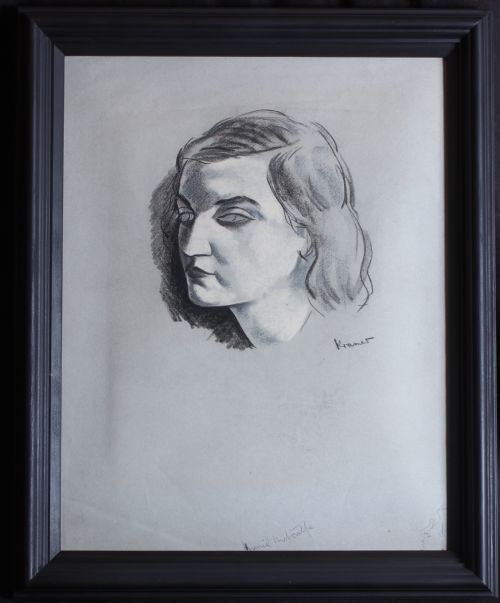
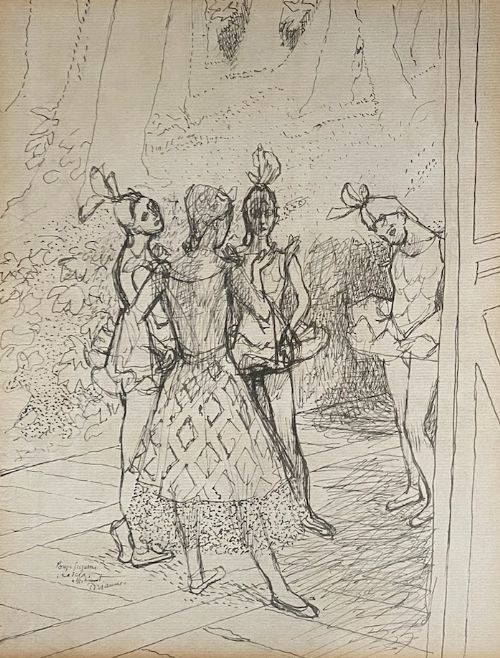
When you search for a vintage ink sketch, you encounter original works on paper spanning from the eighteenth century through to the mid-twentieth century and beyond. These pieces range from rapid architectural plans and theatrical backstage scenes to intimate portraits and sweeping rural landscapes.
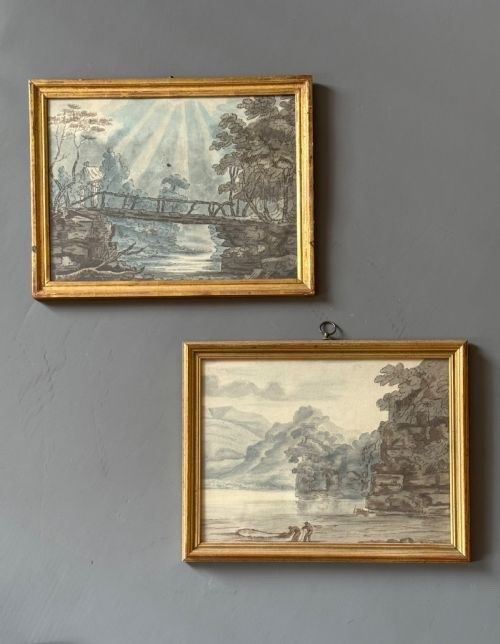
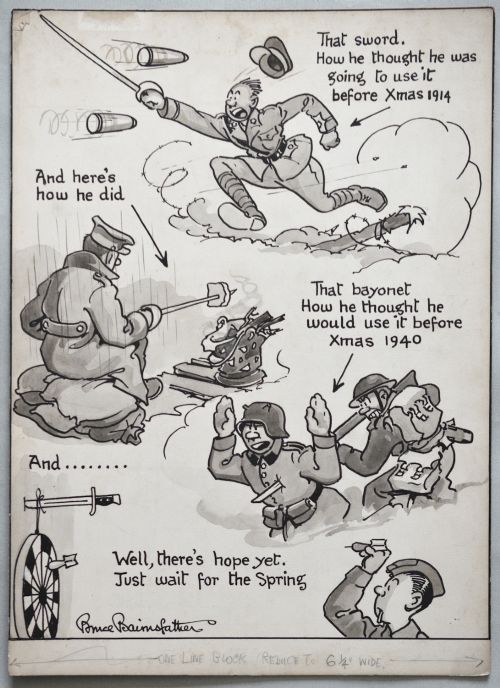
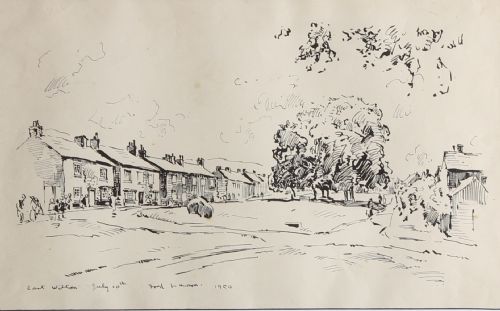
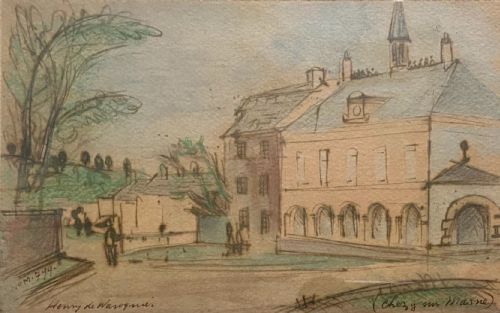
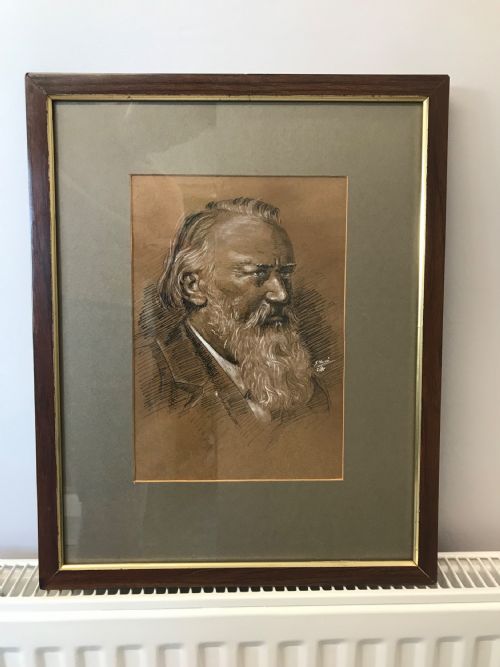
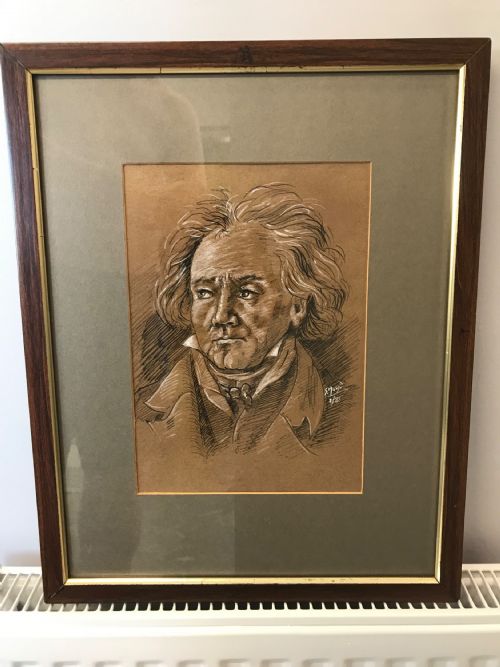
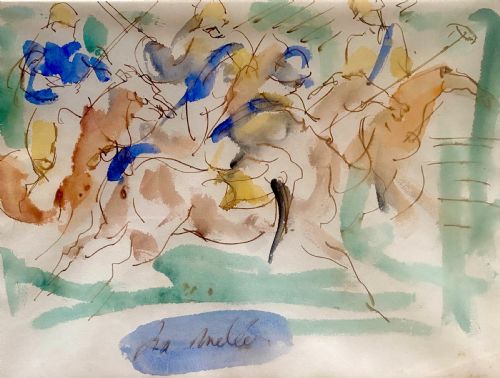
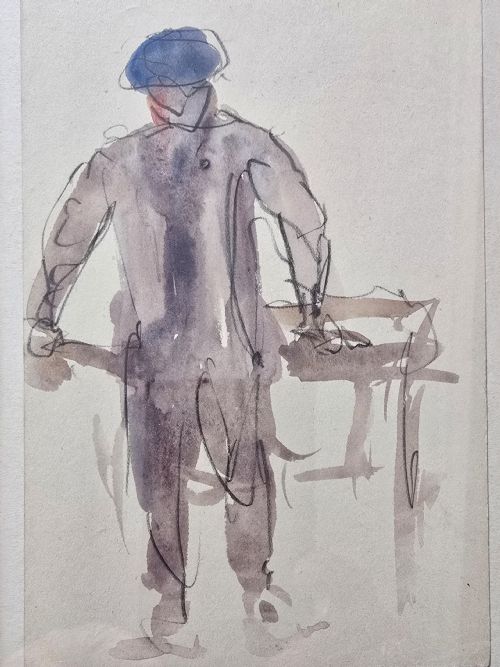
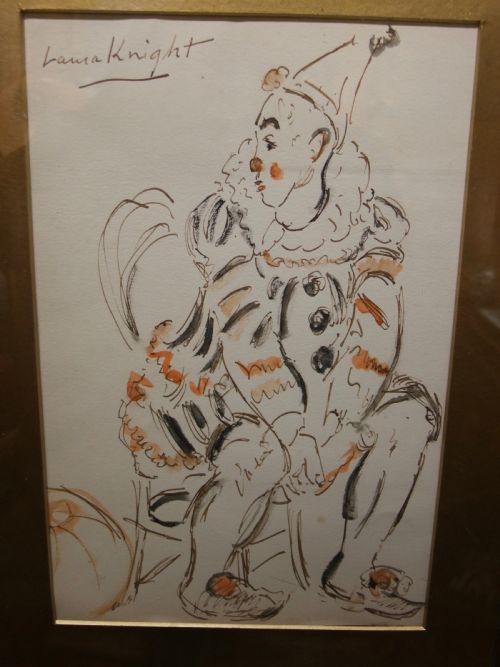
The most common versions on this page are mid-century British topographical drawings, particularly landscapes and townscapes, alongside early twentieth-century character studies and European mixed media works. Artists utilised pen and ink often combined with watercolour wash, gouache, or charcoal to build form directly upon paper.
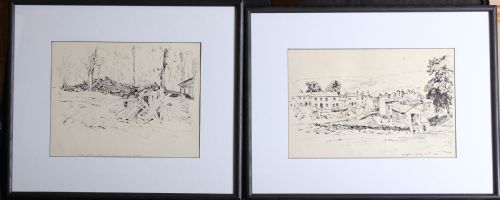
Works appear in various formats including framed artwork, loose original drawings, and historical instructional sheets. Collectors find examples reflecting specific regional schools, such as Modern British and Gothic Revival, demonstrating both professional draughtsmanship and personal artistic exploration.
How they were made
Makers laid down their compositions using liquid ink applied with metal nibs, quills, or reed pens directly onto paper surfaces. This created permanent, precise lines that defined the primary contours and focal points of the subject.
Artists frequently augmented these linear foundations with washes of diluted ink, watercolour, or gouache to introduce depth, shadow, and atmospheric tone. Supports consisted primarily of various grades of drawing paper, sometimes mounted within period wooden frames behind protective glass.
Vintage Ink Sketch Retail Price Guide 2026
Typical asking prices for vintage ink sketch among the pieces listed under this phrase on Sellingantiques today, from the lower quarter to the upper quarter. They describe what is for sale here now, not the wider market.
Listings feature paper, ink, wash, gouache, charcoal, and watercolour across periods spanning the eighteenth century to the mid-twentieth century.
What varies in quality
The strength of the draughtsmanship dictates the primary distinction between standard examples and superior works. Confident, economical pen strokes demonstrate an artist's total mastery over the medium, whereas hesitant lines result in static compositions.
The integration of secondary media also influences the overall merit of a piece. Skilful application of wash or gouache elevates a basic linear outline into a fully realised tonal study, whereas heavy-handed colouring can obscure the clarity of the initial ink work.
Jacob Kramer·Fred Lawson·Bruce Bairnsfather·Maurice Brianchon·Henry de Waroquier·Edward Dayes·Louis Wain·Lucien Freud·Lawrence Stephen Lowry·Joseph Hansom·John Duncan Fergusson·Kees van Dongen·Dame Laura Knight
The Vintage Ink Sketch Glossary
- Wash
- A thin, transparent layer of diluted ink or watercolour applied with a brush to create tonal variation and shadow. Artists used this technique to add depth behind crisp pen lines.
- Gouache
- An opaque watercolour paint containing a binding agent, producing a heavier and more matte finish than standard watercolour. It appears in highlights and dense colour blocks alongside ink.
- Draughtsmanship
- The skill and technique of making drawings, particularly those involving precise lines and structural accuracy. High levels of draughtsmanship separate professional studies from amateur sketches.
- Topographical drawing
- An artwork depicting a specific physical location, townscape, or building with geographical fidelity. These pieces served as visual records before the widespread use of photography.
Vintage Ink Sketch: Frequently Asked Questions
How do I care for works on paper?
Keep drawings out of direct sunlight to prevent the ink and paper from fading over time. Maintain stable humidity levels in the room to protect the paper substrate and any accompanying wash.
Ensure pieces remain securely framed behind protective glass with conservation-grade mounts that prevent direct contact between the artwork and the glass surface.
How can I tell the period of a drawing?
Examine the paper quality, watermark evidence if visible, and the framing style which often reflects the era in which the artwork was created or first mounted. Stylistic indicators, such as Art Deco curves or modernist abstraction, provide clear chronological markers.
Subject matter and inscriptions naming specific historical events, architectural projects, or artists also help establish an accurate date range for the piece.
What is the difference between an ink sketch and a painting?
An ink sketch relies primarily on linear mark-making with pen and ink as the dominant structural element. Paint may be present, but it usually acts as a secondary wash to support the drawing.
A painting places pigment as the primary vehicle for colour and form, where brushwork builds the entire image rather than outlining a pre-existing linear composition.