




Vintage Indian Bench
A vintage Indian bench brings tactile warmth and history into a room through dense tropical hardwoods and traditional artisan carving.
Vintage Indian Bench
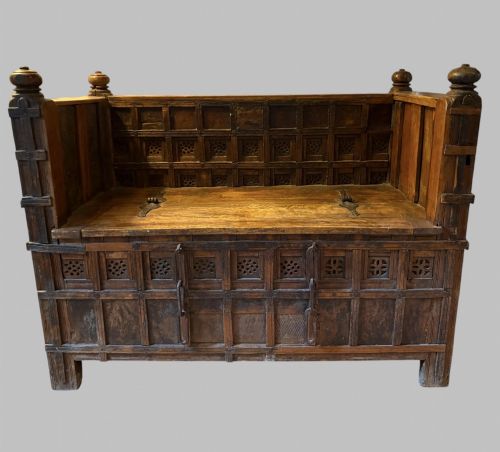
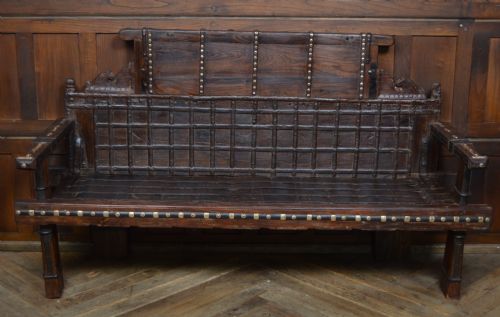
A vintage Indian bench encompasses low seating forms including daybeds, hall benches, and settled boxes originating from various regional traditions. These pieces reflect distinct stylistic intersections, notably Anglo-Indian and colonial designs alongside vernacular Indian rustic work.
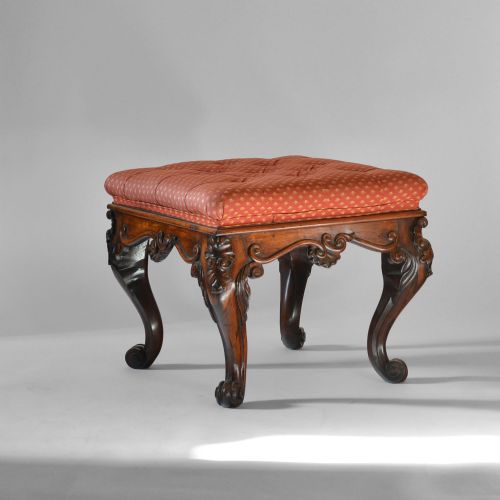
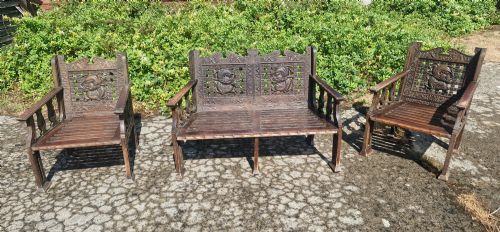
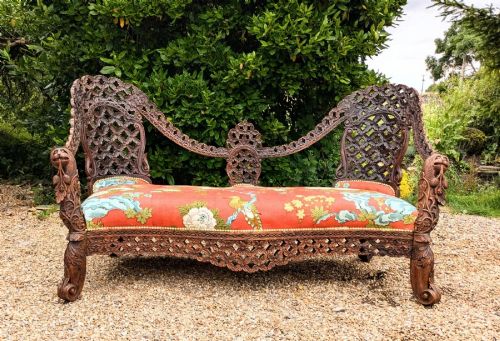
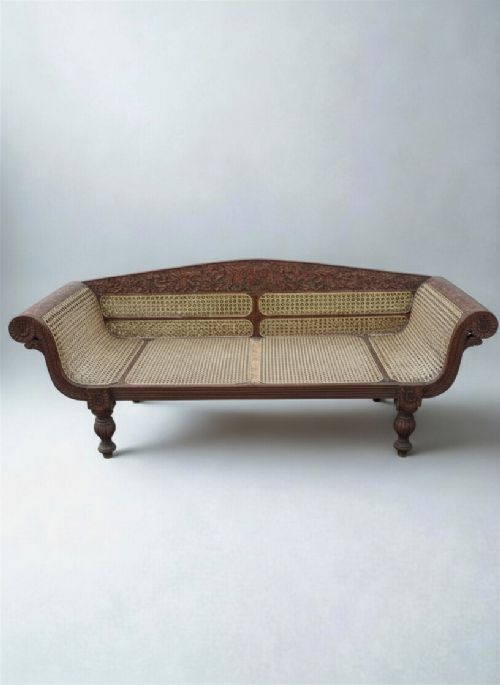
Buyers encountering this selection will frequently find nineteenth-century daybeds and caned settees alongside carved hardwood seating. Forms range from compact stools and window seats to substantial conservatory suites and Bombay sofas.
The materials and construction styles point to diverse historical workshops across the subcontinent, utilising durable timbers suited to domestic utility and decorative interiors.
How they were made
Construction relies upon dense tropical hardwoods such as teak, rosewood, and mahogany, shaped by traditional joinery methods. Many pieces incorporate woven cane panels to create breathable seating surfaces for warmer climates.
Vintage Indian Bench Retail Price Guide 2026
Typical asking prices for vintage indian bench among the pieces listed under this phrase on Sellingantiques today, from the lower quarter to the upper quarter. They describe what is for sale here now, not the wider market.
Some benches feature carved wooden elephants complete with sculpted bodies and tusks, standing ready to guard your hallway.
What varies in quality
Quality rests upon the crispness of the hand-carving and the integrity of the structural timber. Pieces retaining original cane work or authentic brass detailing demonstrate superior craftsmanship compared to later alterations.
Proportion and balance distinguish finer examples, particularly in complex forms like Bombay sofas and daybeds where structural harmony dictates visual appeal.
The Vintage Indian Bench Glossary
- Anglo-Indian
- Furniture made in India during the British colonial period, combining British furniture forms with local Indian decorative carving and timber selection. This style reflects the aesthetic exchange between British patrons and native craftsmen.
- Daybed
- A long seating item designed for reclining, functioning as both a sofa and a bed. Nineteenth-century examples often feature caned panels and turned hardwood frames.
- Caning
- A seating material woven from peeled rattan or similar plant stems, creating a resilient and open mesh surface. It provides ventilation in warmer environments.
- Box settle
- A high-backed wooden bench featuring a storage compartment beneath the seat. This form combines practical seating with concealed domestic storage.
Vintage Indian Bench: Frequently Asked Questions
Where should I place a vintage Indian bench?
These benches suit entrance halls, living rooms, and conservatories where their structural form can function as a primary focal point. A narrow hall bench or window seat fits transitional spaces, while daybeds serve well in larger reception rooms.
Positioning away from direct heat sources helps preserve dense hardwoods and woven cane components over time.
How do I care for nineteenth-century hardwood?
Maintenance involves gentle dusting with a dry cloth and occasional application of appropriate wood wax to nourish the grain. Avoiding excessive moisture protects both the timber and delicate cane work.
Keeping the piece in a stable environment prevents timber movement and preserves the original finish.
What distinguishes an Anglo-Indian daybed?
An Anglo-Indian daybed merges British nineteenth-century furniture proportions with traditional Indian carving techniques and tropical timbers. These items frequently display detailed floral or figural motifs executed in rosewood, teak, or mahogany.
Such pieces often incorporate caned seating platforms designed for colonial climates.
Can I use a box settle for storage?
The integrated compartment beneath the seat of a box settle provides practical storage for household textiles or small items. Original hinges and internal construction support everyday utility.
Careful handling of the lid preserves the historical joinery of the timber frame.