




Vintage Incense Burner
A vintage incense burner is a vessel for aromatic smoke, bringing ancient ritual forms and metalwork into modern rooms.
Vintage Incense Burner
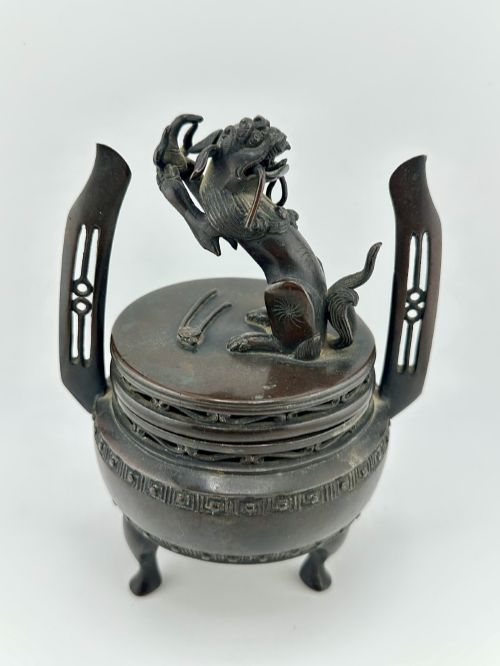
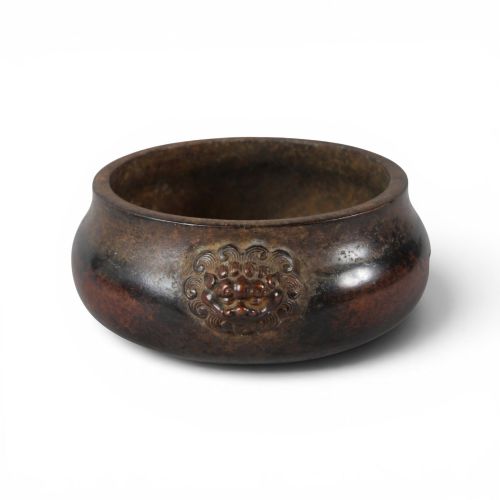
A vintage incense burner covers a wide range of ritual vessels, including tripods, lidded censers, and bowls designed to hold aromatic materials. Buyers searching for a vintage incense burner encounter diverse cultural traditions, from Chinese bronze and cloisonne pieces to Japanese metalwork and Tibetan ritual objects.
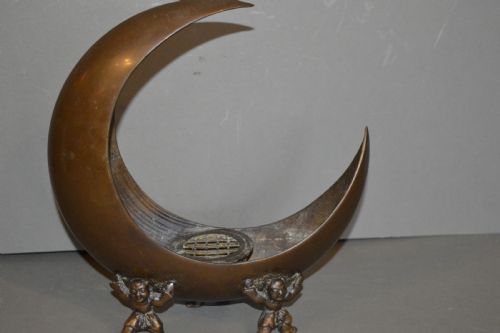
The selections span multiple centuries, incorporating pieces from the seventeenth century through to the Edwardian period and the Taisho era. Forms range from scholar's censers and archaistic tripod vessels to crescent moon shapes and decorative bowls.
Materials and construction
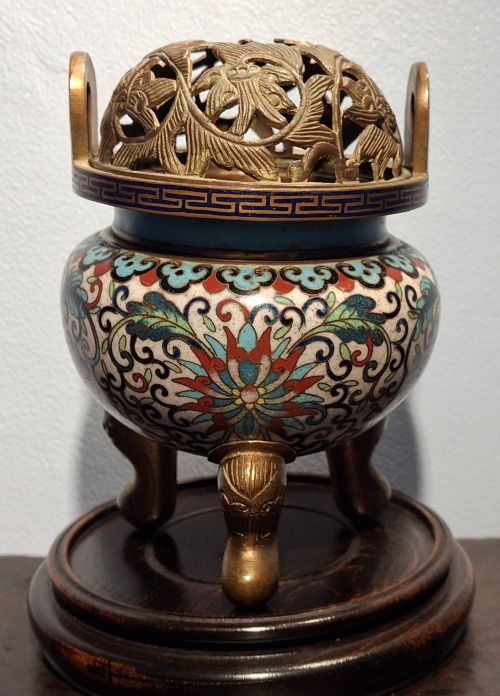
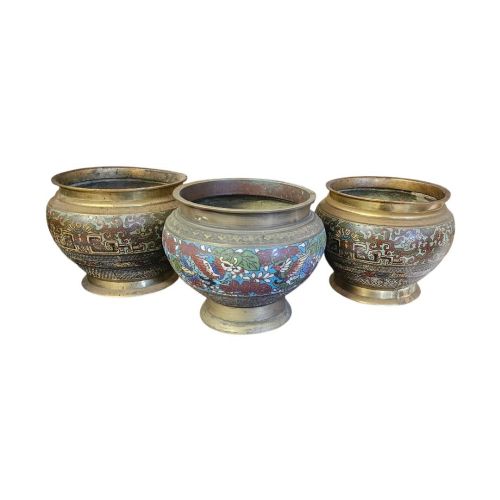
Metalworking dominates the construction of these pieces, with cast bronze and brass forming the structural core of most censers. Craftsmen utilised intricate techniques such as champleve and cloisonne enamel, embedding coloured glass pastes into metal compartments to create vivid floral and geometric patterns.
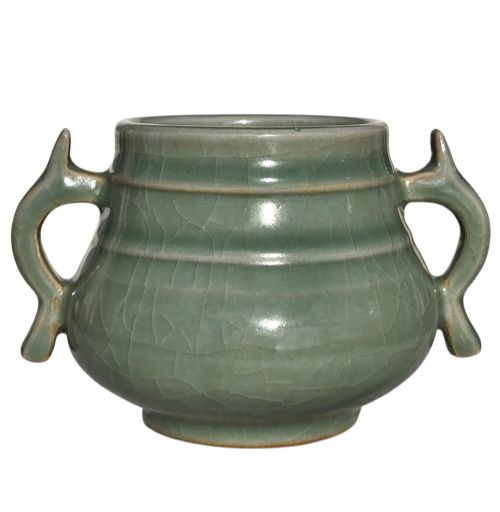
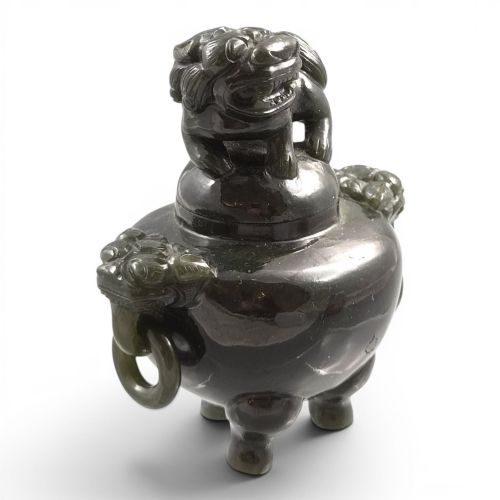
Surface decoration often involves pierced lids featuring lotus and floral motifs, alongside cast figural elements like Qilin finials, Foo Dogs, and Mahakala imagery. Materials extend to dark green jade, ceramic bodies with celadon glaze, and combined silver details.
Listings feature items from the seventeenth, eighteenth, and nineteenth centuries, alongside Edwardian and Taisho period examples.
Judging execution and finish
Quality rests in the precision of the casting and the density of the metal, where heavier scholar's pieces demonstrate superior substance and balance. The execution of surface enamelling, whether cloisonne or champleve, determines the crispness of the cell work and the harmony of the colour palette.
Finer examples retain original pierced covers with well-defined details such as mythical beasts and floral lattice work. The integration of maker or period marks also influences the standing of a vessel within its specific tradition.
The Vintage Incense Burner Glossary
- Tripod censer
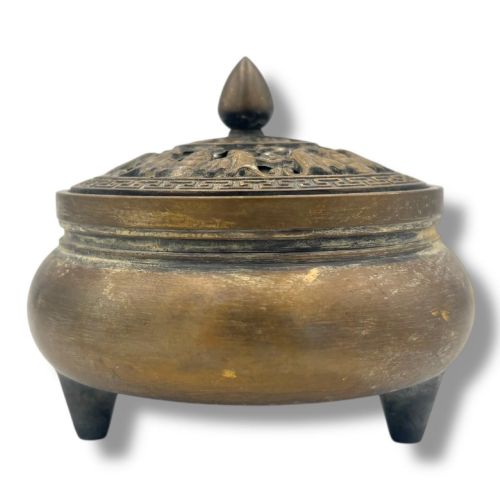
- A three-legged incense burner designed to stand stably on surfaces while elevating the vessel body. These vessels frequently feature matching pierced lids for smoke release.
- Cloisonne enamel
- A technique where thin metal wires are soldered to a metal base to create compartments, which are then filled with enamel paste and fired. This method produces intricate, colourful surface patterns.
- Archaistic
- A stylistic choice where later makers consciously emulate the form, decoration, and patination of much older ritual bronzes. Such pieces pay homage to ancient dynasties.
- Celadon glaze
- A pale green ceramic glaze that mimics the appearance of jade, often applied to vessels with subtle crackle patterns. It originates from traditional East Asian ceramic kilns.
- Qilin
- A mythical hooved chimerical creature appearing in East Asian art and mythology, frequently cast as a decorative finial on vessel covers.
Vintage Incense Burner: Frequently Asked Questions
How do I use an antique incense burner?
These vessels were originally designed to burn solid incense or plant resins using charcoal discs placed inside the metal or ceramic bowl. The smoke then drifted upward through the pierced openings of the matching lid.
For modern use, ensure the interior is clean and place heat-resistant material at the base if necessary to protect the antique metal or ceramic from thermal shock.
What is a Koro?
A Koro is a Japanese term for an incense burner, typically featuring a body raised on legs and a fitted lid designed for burning aromatic woods or incense.
These pieces often incorporate fine metalwork, such as mixed bronzes and silver details, reflecting traditional Japanese craftsmanship.
How do I identify Chinese bronze censers?
Chinese bronze censers often feature tripod legs, handles, and cast marks referencing earlier periods such as the Xuande or Qing eras. The patination of the bronze generally shows age through natural oxidation and handling.
Examination of the interior and casting seams reveals the manufacturing methods used by traditional workshops.
Can I date a piece by its mark?
Maker or reign marks found on the base of censers indicate the aesthetic style or dynasty being honoured rather than a strict manufacturing date. Many later pieces bear historical period marks as a sign of respect to earlier master craftsmen.
Context is gained by evaluating the metal composition, weight, and enamel work alongside the marked inscription.