


Vintage Hound Painting
A vintage hound painting brings the movement and atmosphere of the field straight into a room.
Vintage Hound Painting
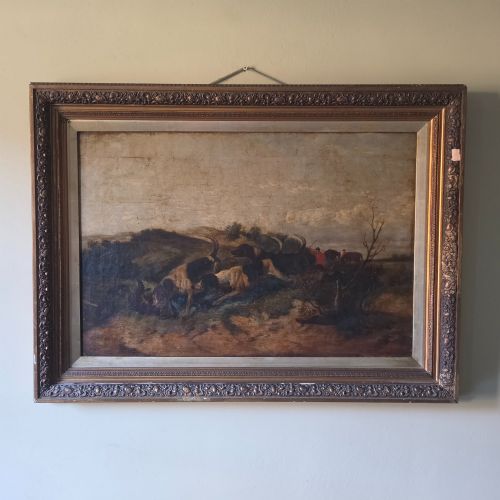
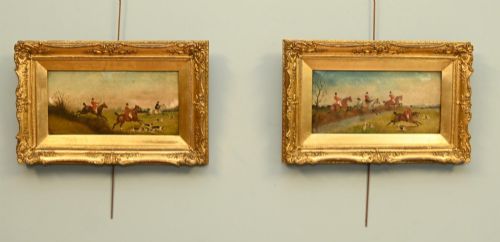
A vintage hound painting captures the energy of traditional field sports through depictions of hounds, packs, and sporting landscapes. The pieces on this page span several centuries, moving from the seventeenth century through the Georgian and Victorian eras into the mid twentieth century.
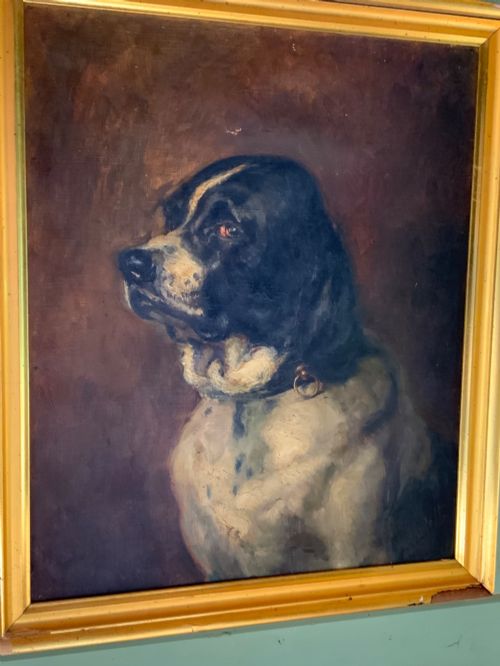
Buyers will encounter various formats, from detailed watercolours on paper to large oil paintings on canvas and wood panels. Many works focus on individual portraits of breeds like foxhounds and retrievers, while others set the animals within wider coaching scenes or hunting landscapes.
The origins of these works are predominantly British and European, reflecting a strong tradition of sporting art. Alongside traditional framed artwork, the selection includes related decorative objects that share the same aesthetic focus on canine subjects.
Materials and Technique
Artists relied primarily on oil paint applied to canvas or wood panels, alongside watercolour on paper for lighter, more portable compositions. These mediums allowed painters to render the texture of a dog coat and the play of light across an outdoor landscape with precision.
Frames often incorporate wood and gold leaf, matching the period of the artwork they enclose. The combination of durable oil paints and traditional canvas preparation explains why so many nineteenth and early twentieth century examples survive in clear condition.
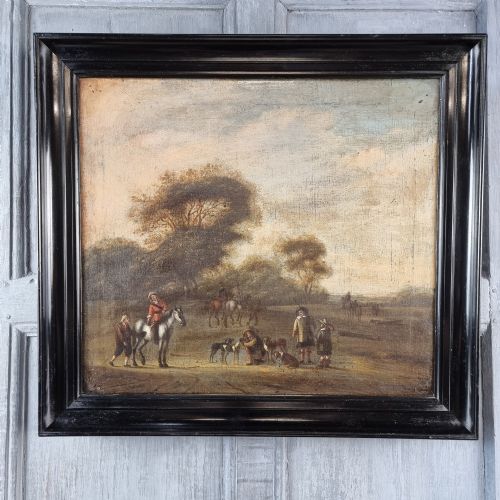
Hounds occasionally share the canvas with reluctant peasants and tavern landladies.
Judging Quality
Quality rests upon the artist's ability to capture the anatomy and distinct character of the animal rather than just a generic silhouette. Superior pieces display a confident handling of brushwork in the rendering of fur, muscle, and the surrounding terrain.
The depth of the composition and the preservation of the original pigment also separate standard decorative pictures from works of true artistic merit. Evidence of a named hand or a well-documented sporting provenance elevates the standing of a piece.
Arthur Wardle·George Wright·Sir Edwin Landseer·John Sanderson-Wells·Henri Schouten
The Vintage Hound Painting Glossary
- Oil on Canvas
- Pigment mixed with drying oil applied to stretched fabric. This technique forms the foundation for many traditional sporting scenes.
- Sporting Art
- Genre depicting blood sports, horses, dogs, and rural pursuits. It flourished in Britain throughout the eighteenth and nineteenth centuries.
- Watercolour
- Pigment suspended in a water-based solution applied to paper. This medium was frequently used for sketches in the field.
- Gold Leaf
- Extremely thin gold beaten into sheets used for gilding frames. It provides a traditional metallic border to historical paintings.
- Canvas
- Heavy woven fabric used as a surface for painting. It offers durability and a distinct texture for oil applications.
Vintage Hound Painting: Frequently Asked Questions
How do I care for an old oil painting?
Keep the piece away from direct sunlight and steady fluctuations in room temperature to protect the canvas and pigment. Dust the surface gently with a soft, dry brush without applying pressure.
Avoid using liquid cleaners or water on the painted surface or the frame. Professional conservation is recommended if the canvas requires deeper attention.
What is Victorian sporting art?
Victorian sporting art focuses on rural pursuits, horses, and dogs during the nineteenth century. These works reflect the cultural importance of hunting and field sports in Britain at the time.
Artists aimed for anatomical accuracy in depicting the animals, often placing them within detailed countryside or kennel settings.
How can I tell the age of a painting?
Examine the materials of the canvas, stretcher bars, and the construction of the frame for period-specific markers. Craquelure, or the fine pattern of cracking in the paint, often indicates age in oil works.
Signatures, artist inscriptions, and labels on the reverse provide further clues to the date of creation.
Where should I hang a dog portrait?
These works suit studies, libraries, and living spaces decorated with traditional wooden furniture and earthy colour palettes. They pair well with other framed artwork or historical prints.
Ensure the wall does not receive intense heat from radiators or damp conditions from exterior walls.