


Vintage Horse Ornament
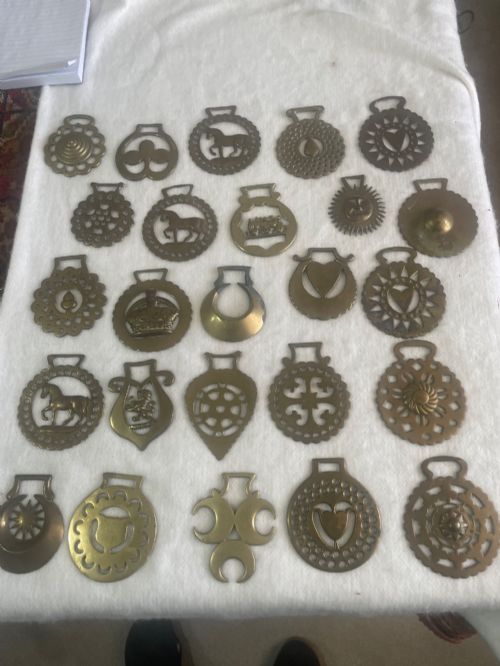
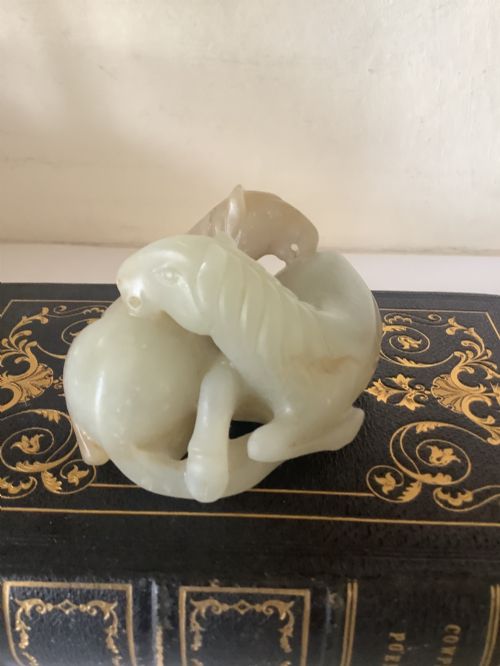
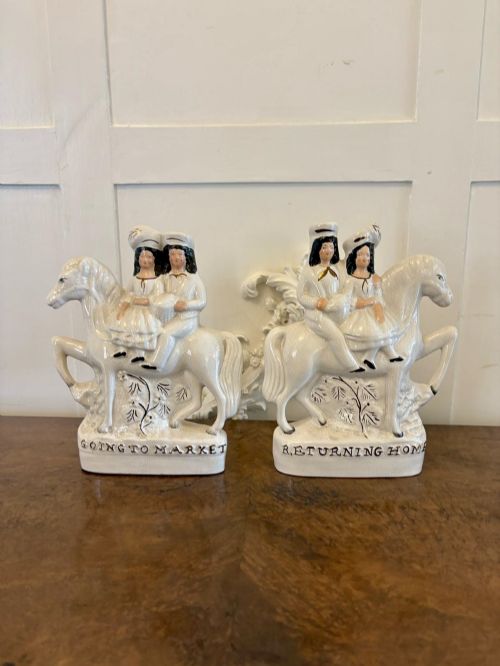
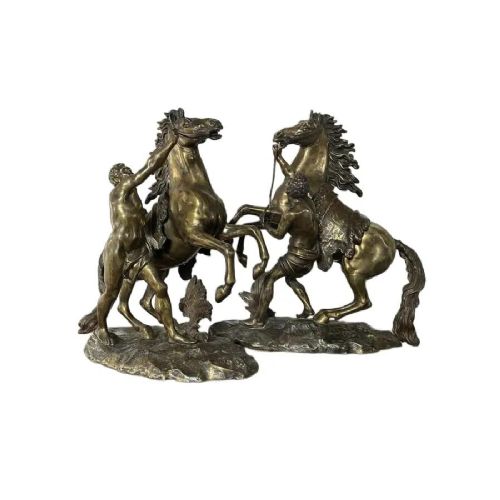
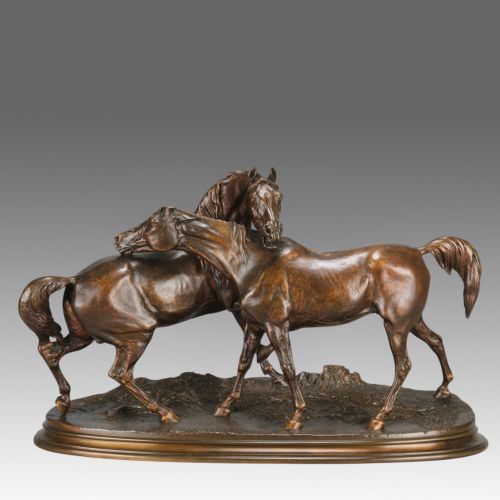
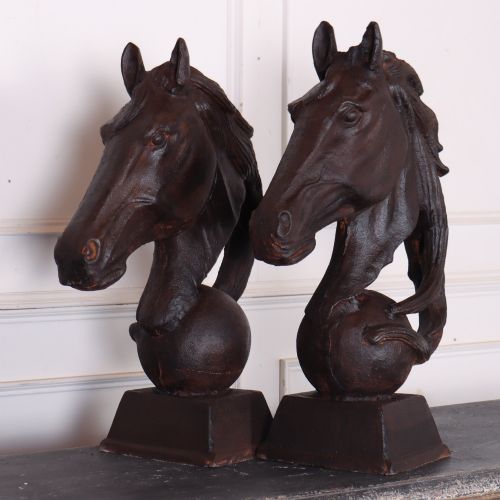
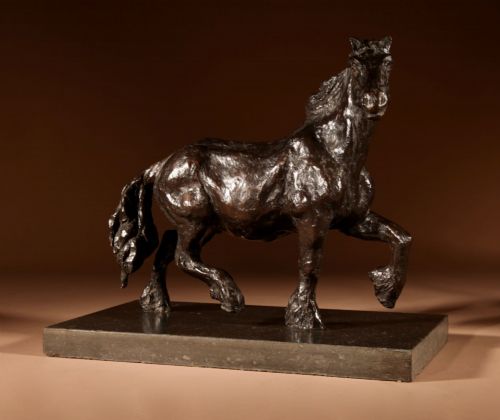
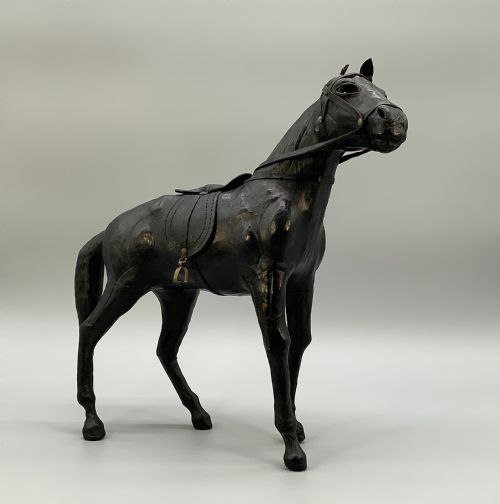
A vintage horse ornament captures the spirit of the animal in bronze, brass, iron, wood, and earthenware.
Vintage Horse Ornament
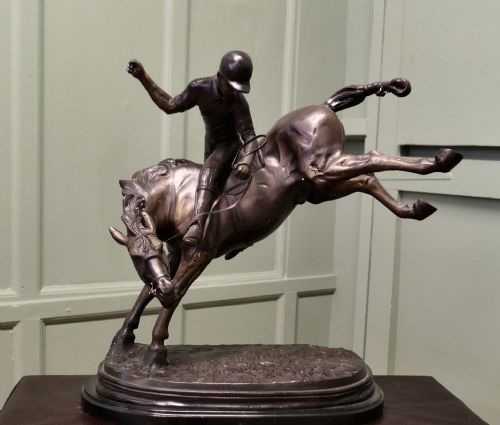
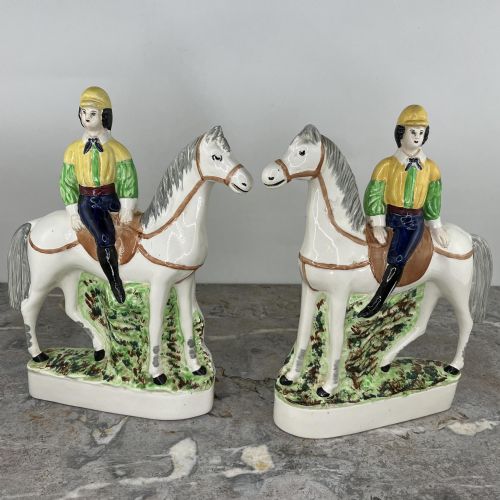
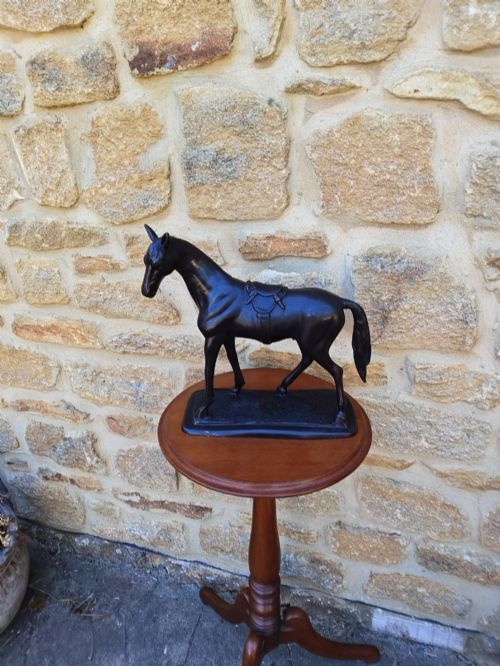
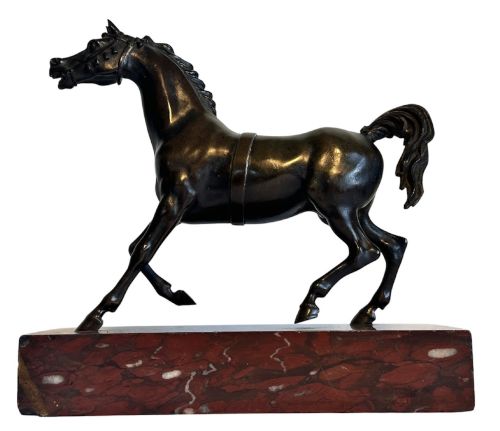
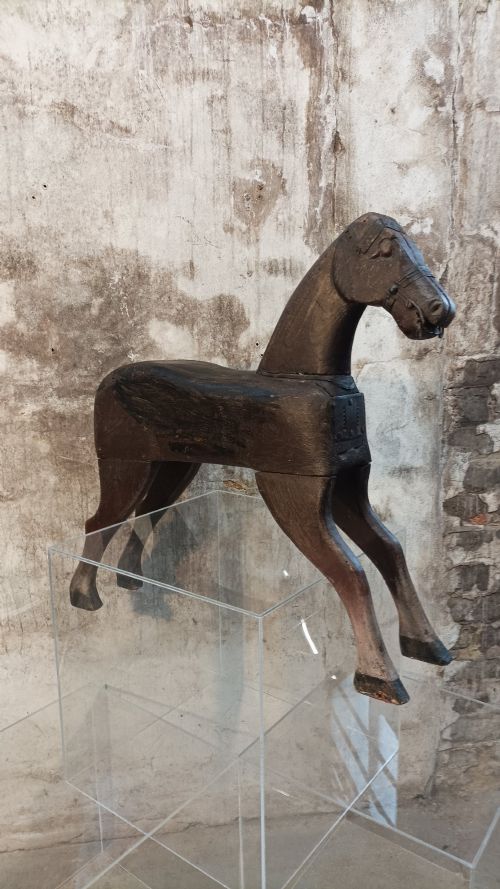
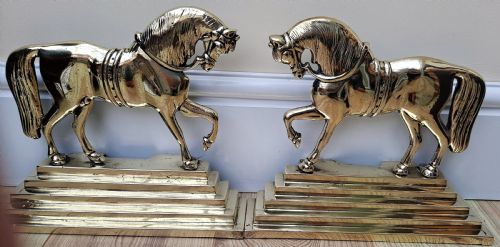
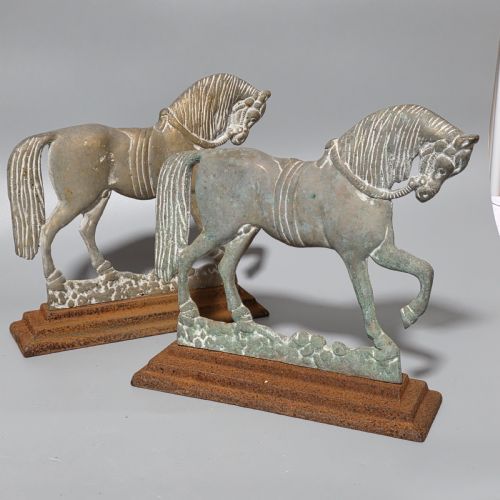
A vintage horse ornament spans utilitarian objects and purely decorative sculptures created across the nineteenth and twentieth centuries. Buyers encounter heavy cast iron doorstops, bronze animalier studies, carved wooden folk art pieces, and glazed ceramics.
The selections range from practical brass door porters and hitching posts to grand tour bronzes, car mascots, and equestrian figures. Stylistic influences cross Victorian, Edwardian, Art Deco, and folk traditions, reflecting diverse global origins.
How They Were Made
Metal pieces utilise casting techniques in bronze, brass, and iron, sometimes finished with silver gilt, paint, or patination. Wood and leather models rely on carving and binding, while ceramic examples incorporate earthenware bodies beneath coloured glazes.
Makers shaped these sculptures using traditional foundry methods or hand-carving tools. Surface treatments vary from polished metal to painted folk art finishes and sancai glazes.
Vintage Horse Ornament Retail Price Guide 2026
Typical asking prices for vintage horse ornament among the pieces listed under this phrase on Sellingantiques today, from the lower quarter to the upper quarter. They describe what is for sale here now, not the wider market.
Listings feature materials spanning bronze, brass, cast iron, wood, leather, earthenware, and silver.
What Varies in Quality
The standard of modelling defines the success of a sculpture, separating rigid anatomical castings from works that capture dynamic movement and muscle tension. Finer pieces demonstrate careful attention to proportion, stance, and surface detail.
Material integrity and original surface finishes also dictate value. Castings with crisp chasing, well-preserved patinas, and authentic wear outlast items with softened details or later repaint layers.
P J Mêne·Franz Bergman·Rene Lalique
The Vintage Horse Ornament Glossary
- Animalier
- A nineteenth-century artistic movement dedicated to the realistic portrayal of animals. This style produced many of the detailed bronze sculptures found in equine collections.
- Doorstop
- A heavy utilitarian object designed to hold doors open, frequently cast in iron or brass as horse heads or full figures. These practical items doubled as decorative ornaments.
- Sancai
- A traditional three-colour glaze used on pottery, notably seen on Chinese ceramic horses. The technique allows colours to mix fluidly across the earthenware body.
- Hitching post
- A sturdy post placed outside buildings for securing horses, occasionally cast with ornate iron horse heads. These architectural fixtures survive as sculptural garden or interior ornaments.
Vintage Horse Ornament: Frequently Asked Questions
What periods do these horse ornaments come from?
The pieces span the nineteenth and twentieth centuries, encompassing Victorian, Edwardian, and Art Deco periods.
Craftsmen produced these items across distinct eras, ranging from nineteenth-century Grand Tour bronzes to mid-century modern interpretations.
How were heavy brass and iron doorstops used?
Heavy brass and iron pieces served as functional door porters and doorstops in homes and public buildings.
Their substantial weight held heavy interior doors open while doubling as decorative equine ornaments.
Are these bronze horses solid or hollow?
Bronze sculptures utilise traditional casting methods that often produce hollow forms depending on the size and foundry.
Heavier items like doorstops rely on solid cast iron or brass for utility, whereas fine art bronzes involve careful hollow casting.
How do I care for antique metal horse sculptures?
Preserving metal surfaces requires gentle dusting with a soft cloth and avoiding abrasive chemical cleaners.
Maintaining the original patina protects the historical value of bronze, brass, and copper pieces over time.