





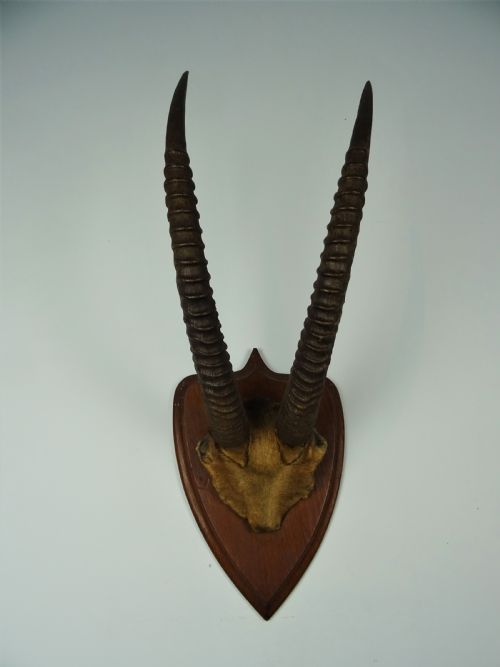


Vintage Horn Decor
These vintage horn decor pieces bring authentic nineteenth-century and early twentieth-century natural history and sporting tradition straight into a modern interior.
Vintage Horn Decor
Vintage horn decor encompasses a striking range of natural specimens and metal wind instruments originating from the late nineteenth century through to the 1920s. When you search for vintage horn decor, you encounter everything from mounted red deer antlers and rams' skulls on stands to brass coaching horns and taxidermy trophy heads.
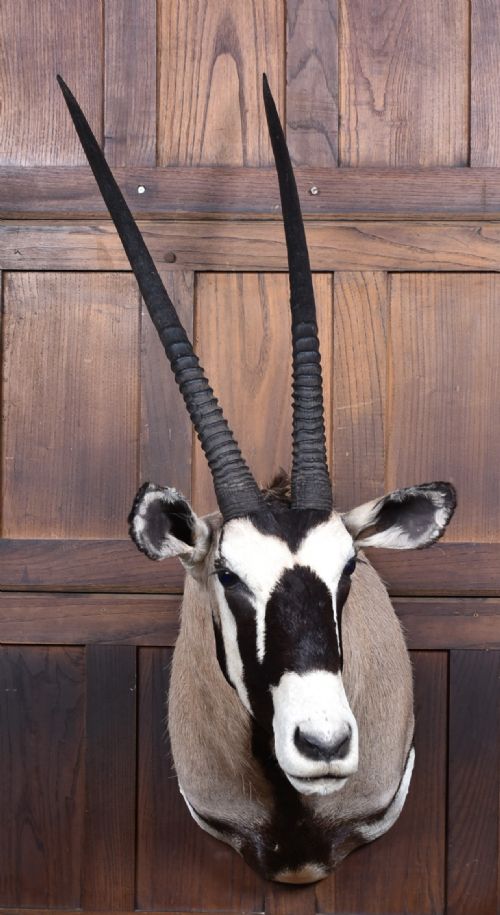
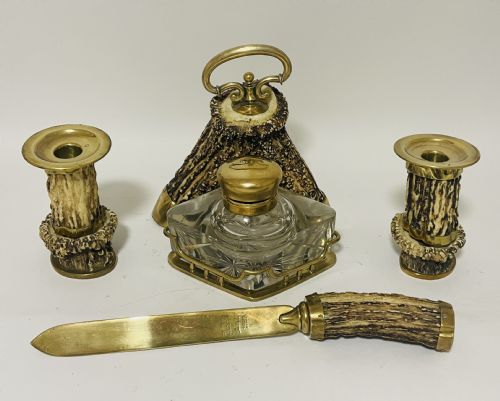
The pieces on this page lean heavily into Victorian and Edwardian sporting, Highland traditional, and natural history aesthetics. Buyers typically find items such as copper coaching horns, antler desk sets, and taxidermy specimens including springbuck, gemsbok, and koodoo.
Originating predominantly from British country house and sporting traditions, these items serve as bold decorative objects or functional equestrian accessories. The selection bridges the gap between utilitarian hunting gear and dramatic interior ornamentation.
Materials and construction
Natural horn, antler, and bone form the core organic palette, frequently mounted on carved wooden shields or paired with taxidermy hide. Artisans utilised brass and copper to construct durable coaching horns and mount desk accessories.
Vintage Horn Decor Retail Price Guide 2026
Typical asking prices for vintage horn decor among the pieces listed under this phrase on Sellingantiques today, from the lower quarter to the upper quarter. They describe what is for sale here now, not the wider market.
Some nineteenth-century cows managed to contribute more than milk, living on indefinitely as resonant table gongs.
Factors that distinguish quality
Quality in these pieces rests upon the integrity of the natural material and the precision of the mounting or metalworking. Antlers and horns with good symmetry and intact points command attention, while metal horns display clean soldered seams and well-preserved brass or copper finishes.
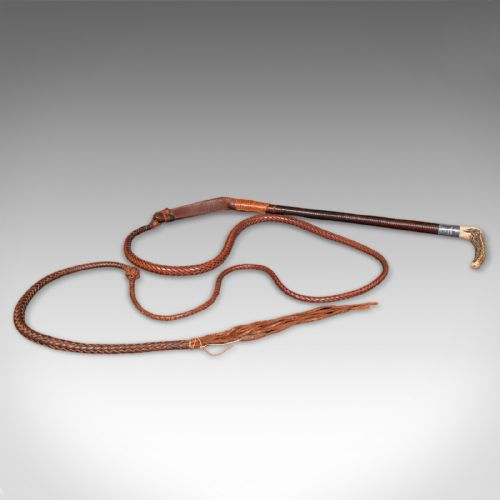
Maker attribution elevates certain items, particularly those stamped by established firms like Swaine Adeney or Edward Gerrard and Sons. The crispness of the carving on wooden shields and the quality of the silver collars on whips further separate standard utility items from finer examples.
Swaine Adeney·Edward Gerrard and Sons
The Vintage Horn Decor Glossary
- Taxidermy
- The art of preparing, stuffing, and mounting the skins of animals for display. This technique preserves specimens like the springbok and koodoo for study and interior ornamentation.
- Coaching horn
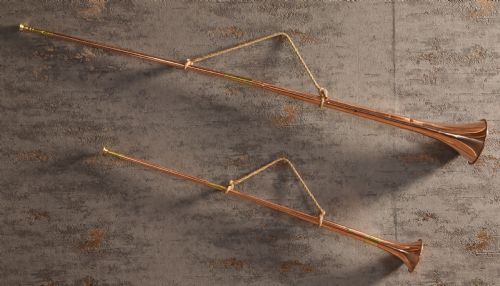
- A long brass or copper wind instrument used by coachmen to signal arrival or departure. Nineteenth-century examples often feature brass bells and decorative tubing.
- Antler
- The shed or harvested bony growth of a deer, used here in mounted sets and desk accessories. These natural formations display distinctive points and branching structures.
- Table gong
- A percussion instrument consisting of a resonant metal or horn plate struck with a mallet. Cow horn table gongs combine natural horn with striking surfaces for domestic use.
Vintage Horn Decor: Frequently Asked Questions
What is vintage horn decor?
Vintage horn decor comprises nineteenth and early twentieth-century items made from animal horn, antler, bone, and associated metals like brass and copper. These include taxidermy trophies, mounted antlers, coaching horns, and equestrian accessories.
Such pieces reflect Victorian and Edwardian sporting culture, bringing tactile natural history elements into residential and commercial spaces.
How were coaching horns used?
Coaching horns were utilised by guards on horse-drawn mail and stagecoaches to alert toll-keepers and clear the road ahead. Their long brass and copper construction produced a loud, carrying note.
Today, these instruments survive as decorative brassware, valued for their warm metal patinas and association with historic travel.
How do I style taxidermy trophies?
Taxidermy trophy heads and mounted antlers make a dramatic focal point when hung securely on a plain wall. They pair well with wood-panelled rooms, leather armchairs, and traditional country house interiors.
Keep direct sunlight away from the hide and horns to preserve the natural colours and prevent the organic material from drying out.
How do I date these items?
Dating relies on stylistic clues, mounting techniques, and maker marks stamped into leather or silver collars. Victorian pieces often feature heavy carved wooden shields and ornate brass mounts.
Early twentieth-century items, such as those from the 1910s and 1920s, frequently show cleaner taxidermy taxidermy preservation methods and distinct workshop stamps.