

Vintage Home Office Furniture
Vintage home office furniture brings period character to a workspace through solid timber desks, writing tables and bureaus spanning the nineteenth and twentieth centuries.
Vintage Home Office Furniture
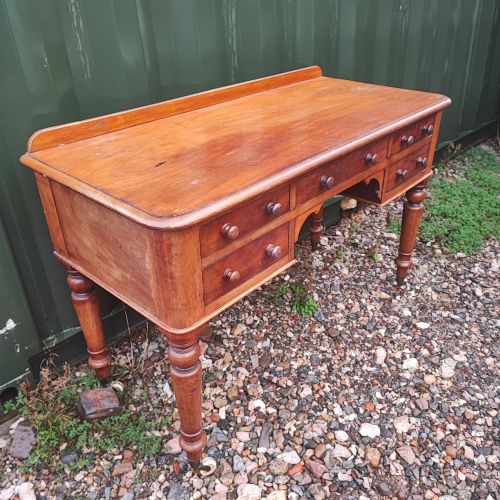
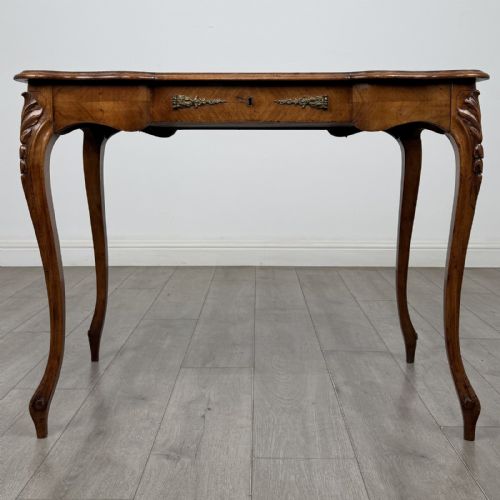
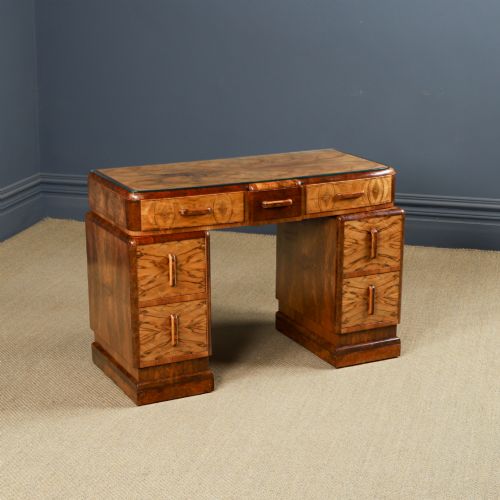
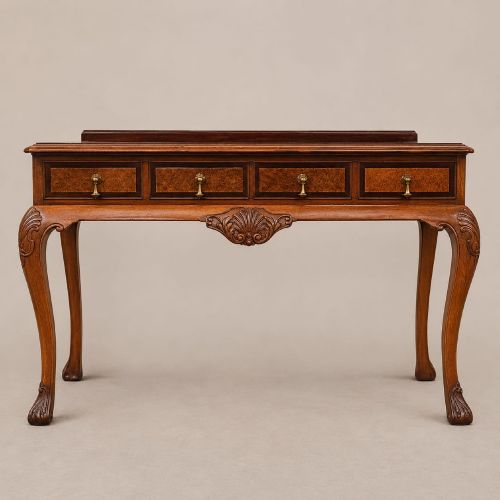
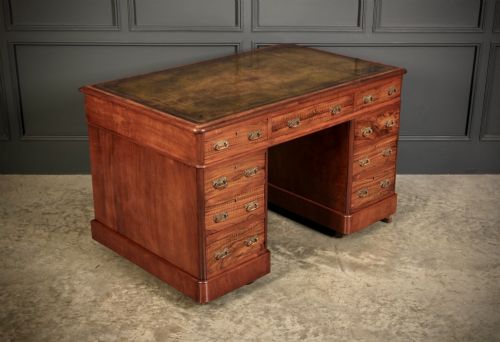
Vintage home office furniture centres on timber desks, writing tables and bureaus designed for practical study and administration. These pieces span periods from the early nineteenth century through the Edwardian era and into the Art Deco twentieth century.
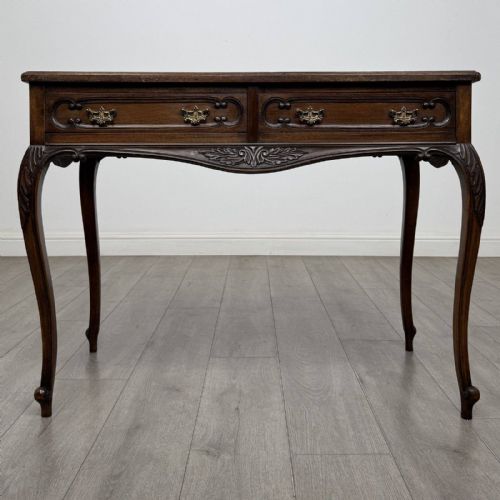
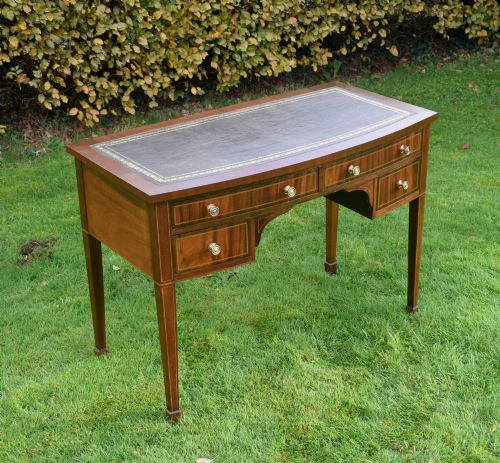
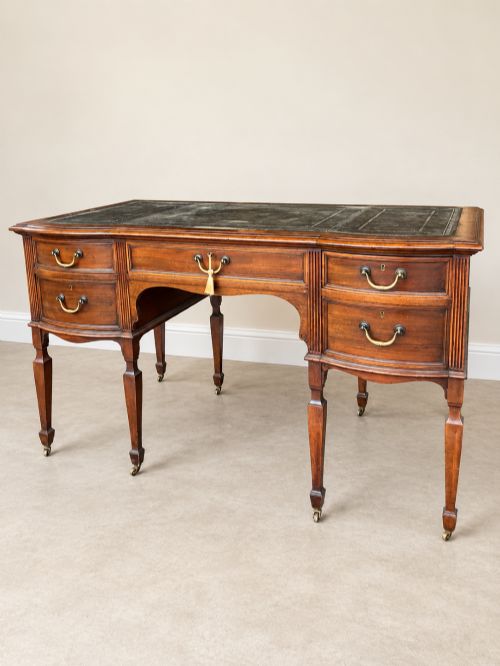
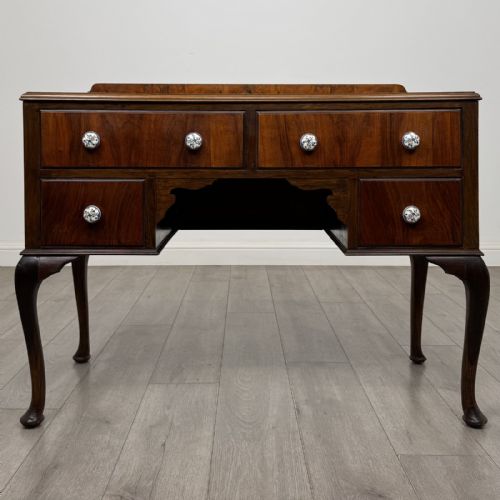
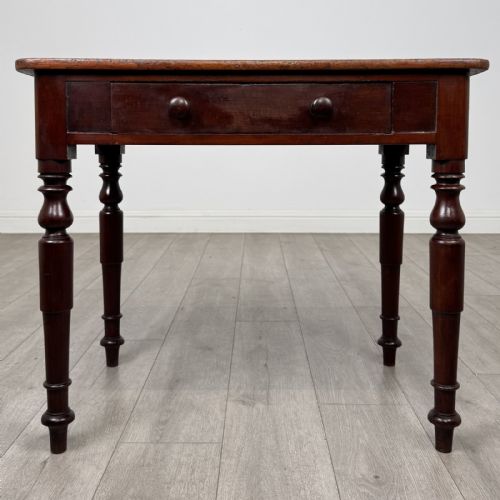
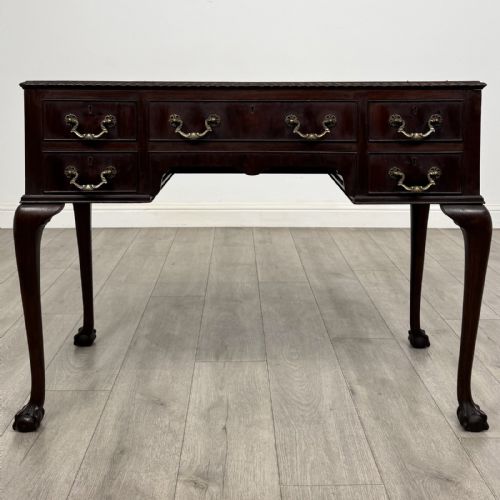
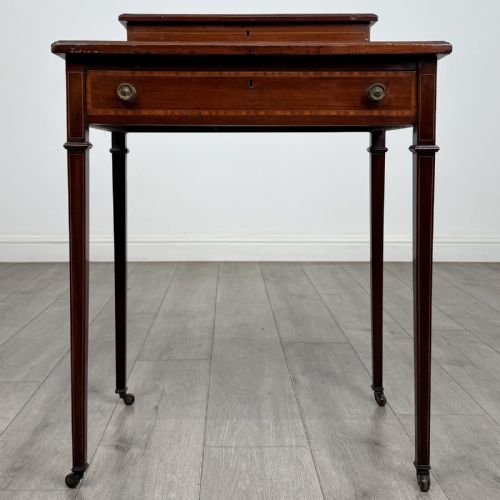
Pedestal desks and kneehole desks appear frequently in oak, mahogany and walnut, offering banks of drawers and leather writing surfaces. Writing tables and bureaus provide more compact alternatives for domestic studies.
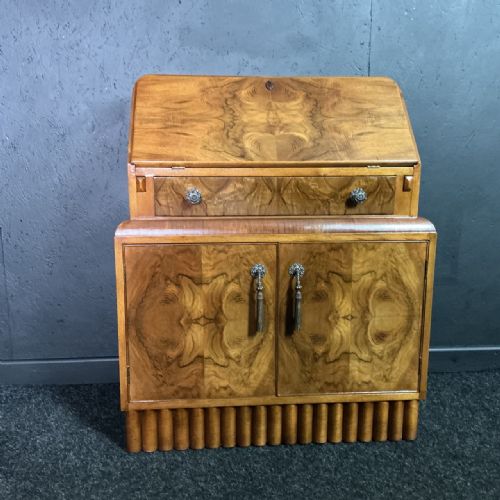
Styles range from Victorian and Edwardian traditionalism to Art Deco, Scandinavian revival and Aesthetic movement designs. Pieces reflect the craftsmanship of their respective decades, incorporating tambour shutters, cylinder tops and fitted pigeonholes.
Materials and construction methods
Makers utilised dense hardwoods such as mahogany, oak, walnut and burr walnut for structural durability and rich grain patterns. Satin birch and ash also feature in specific regional and period pieces.
Insets of tooled leather frequently provide the writing surface on pedestals and tables, complemented by brass handles, locks and escutcheons. Traditional joinery underpins the construction of drawers, tambour fronts and pedestals.
Vintage Home Office Furniture Retail Price Guide 2026
Typical asking prices for vintage home office furniture among the pieces listed under this phrase on Sellingantiques today, from the lower quarter to the upper quarter. They describe what is for sale here now, not the wider market.
Roll top desks hide messy paperwork behind sliding wooden tambour shutters, perfect for an impromptu tidy-up when unexpected guests arrive.
Standards of craftsmanship
Quality rests upon the selection of timber, particularly figured veneers like burr walnut and the choice of solid mahogany or oak. Superior pieces display thoughtful grain matching and robust internal drawer construction.
The precision of hardware, such as original brass locks and pulls, distinguishes higher tier output. Maker attribution, through stamps or labels from prominent firms, further elevates a piece.
Wylie and Lochhead Glasgow·F.H. Marshall and Co Glasgow·Heal and Son·Jenners·Maurice Adams
The Vintage Home Office Furniture Glossary
- Pedestal desk
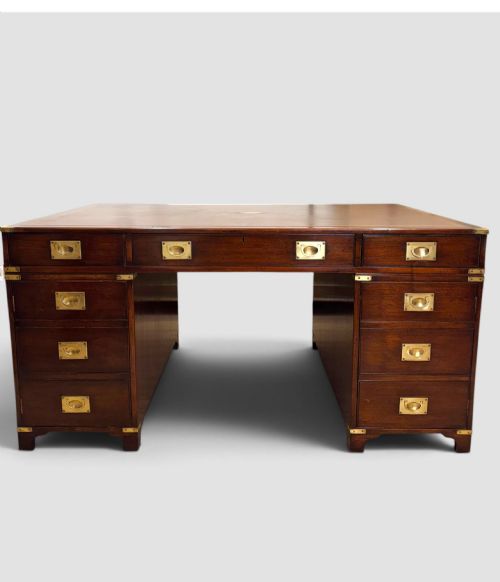
- A heavy freestanding desk comprising two supporting banks of drawers beneath a top with a leather writing insert. These units offer substantial storage and a finished back for placement away from walls.
- Tambour top
- A sliding slatted wooden shutter that rolls in a track to cover the writing surface and pigeonholes of a desk. This mechanism allows a workspace to be concealed when not in use.
- Partners desk
- A large double-sided desk designed for two people to work opposite one another, featuring drawers and cupboards on both faces. These pieces were traditionally utilised in libraries and administrative offices.
- Kneehole desk
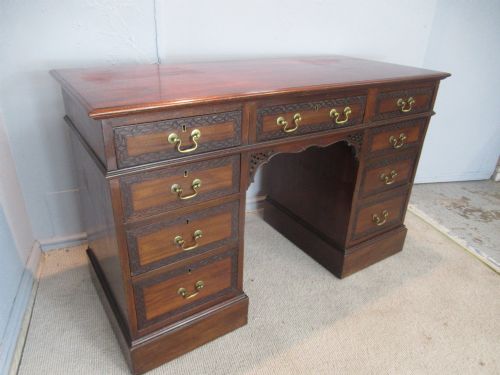
- A compact desk featuring a central recess for the legs, flanked by smaller pedestals of drawers. They suit tighter spaces than full partners desks while maintaining formal proportions.
- Writing bureau
- A desk featuring a hinged sloping flap that folds down to reveal a writing surface and internal compartments. They often combine a bookcase top with drawer storage below.
Vintage Home Office Furniture: Frequently Asked Questions
What is a partners desk?
A partners desk is a large double-sided workspace featuring drawers and cupboards accessible from both faces. These heavy pieces allowed two people to work opposite each other in traditional libraries or offices.
They require substantial room to stand freestanding in a modern study. Their finished backs and substantial proportions mark them out as statement furniture.
How do I identify an Edwardian desk?
Edwardian desks typically date from the early twentieth century and frequently utilise mahogany or oak. They often draw on earlier Georgian or Victorian proportions while retaining lighter framing.
Look for refined brass hardware and simpler decorative carving compared to heavier nineteenth-century examples. Many examples focus on practical domestic utility.
What is a tambour top desk?
A tambour top desk uses a flexible shutter made of narrow wooden slats that slide along a track. This mechanism rolls back to expose the pigeonholes and writing surface.
This clever design allows the user to lock away paperwork quickly without closing heavy wooden lids. It remains a sought-after feature for organised home workspaces.
How do Art Deco desks differ?
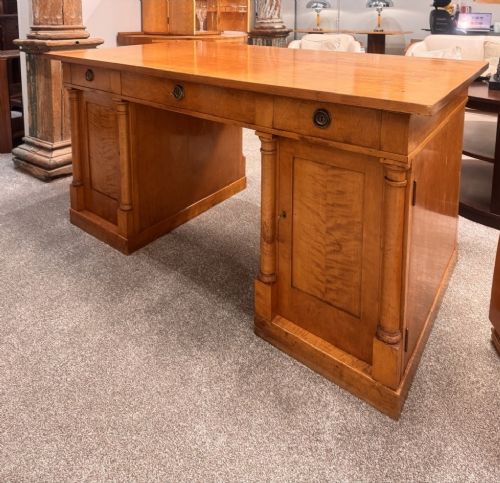
Art Deco desks from the 1920s and 1930s embrace streamlined geometric forms and exotic timbers like satin birch and burr walnut. They often feature curved D-end configurations and modernist styling.
These pieces break away from traditional Victorian revival heavy ornamentation in favour of sleek surfaces. They suit contemporary interiors seeking a distinct twentieth-century silhouette.