


Vintage High Jewellery
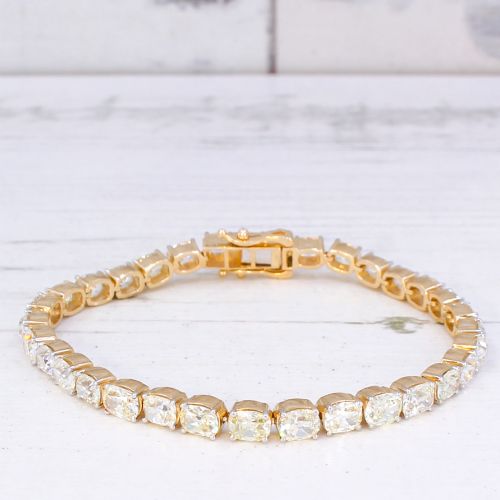
Vintage high jewellery comprises precious gemstone rings, bracelets, brooches and lockets spanning periods from the Victorian era to the mid-twentieth century.
Vintage High Jewellery
Vintage high jewellery encompasses sophisticated pieces created across multiple historical eras, including the Victorian, Edwardian, Art Deco, Retro and Mid-Century periods. Buyers exploring this category encounter a diverse array of forms, from diamond eternity rings and gemstone drop earrings to elaborate platinum brooches and gold lockets.
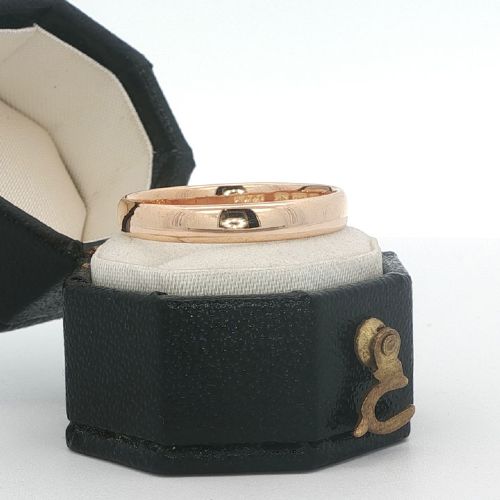
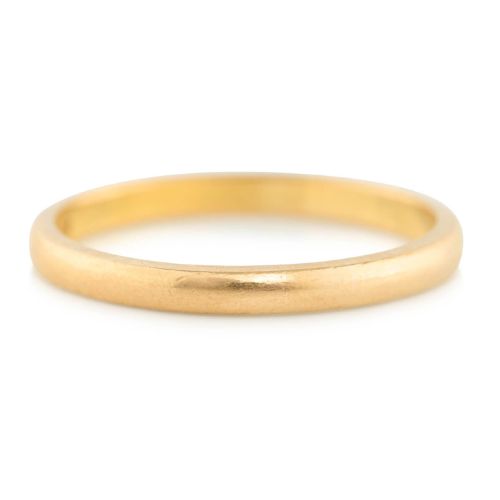
The pieces represented in these selections frequently feature substantial carat weights of diamonds, blue zircons, rubies and sapphires. Specific items range from simple 22ct gold wedding bands to complex signed creations by notable makers utilising platinum and high karat gold settings.
How they were made
Construction relies heavily on precious metals such as platinum, 18ct yellow gold, 14ct white gold and high karat gold variants, providing durable foundations for intricate stone settings. Goldsmiths and lapidaries employed specialised techniques to mount old mine cut diamonds and large coloured gemstones securely within detailed cluster and solitaire arrangements.
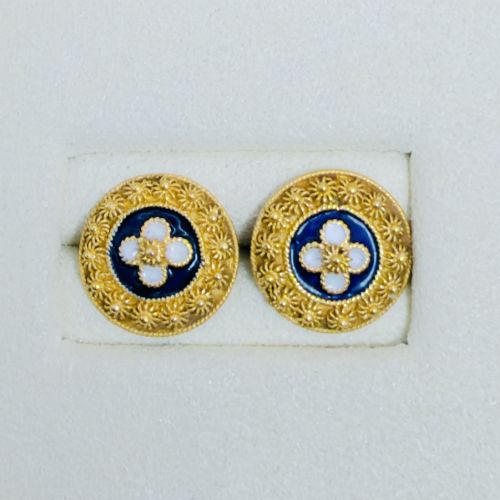
Decorative elements involve fine enamelling, millegrain edges and structured platinum frameworks typical of Art Deco and Belle Epoque design. Leather work also appears in auxiliary items like period jewellery boxes designed to house these valuable adornments.
Listings include platinum and various gold purities up to 22ct, paired with diamonds, blue zircons, rubies and sapphires.
What varies in quality
Quality differences emerge through the stone selection, notably the carat weight, clarity and cut of diamonds and coloured stones like Burmese rubies or high zircons. Superior examples exhibit exceptional gem grading combined with balanced proportions and rigorous attention to metalwork detail.
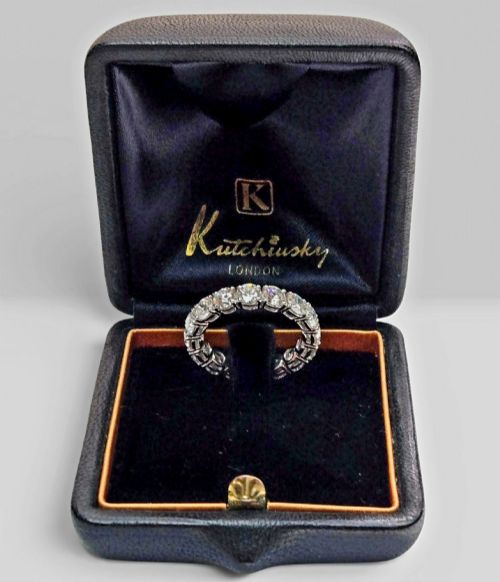
The presence of maker signatures or retail provenance, such as pieces by Boucheron, Kutchinsky or E. Wolfe & Co., distinguishes exceptional items from standard workshop productions of the same era. The precision of the setting work and the integrity of the metal further define the upper tier of the range.
Kutchinsky·Boucheron·E. Wolfe & Co.
The Vintage High Jewellery Glossary
- Old mine cut
- A diamond cut shape characterised by a cushion outline, high crown and small table, prevalent in antique pieces. This traditional facet arrangement produces a distinctive soft candlelit sparkle.
- Platinum
- A dense, strong and ductile precious metal used extensively in Edwardian and Art Deco jewellery for secure stone settings. Its natural white lustre does not tarnish or fade over time.
- High Zircon
- A natural gemstone known for strong brilliance and fire, frequently utilised in large carat weights in antique cluster rings and brooches. It occurs in various colours, with blue being particularly prominent in vintage designs.
- Full Eternity Ring
- A band entirely set with a continuous line of gemstones symbolising unending affection. These items require precise stone calibration to maintain structural continuity around the finger.
Vintage High Jewellery: Frequently Asked Questions
What periods do these pieces span?
The items range from Victorian and Edwardian origins through the Art Deco and Retro movements into the 1950s and 1960s.
Each period brings distinct stylistic traits, from delicate Belle Epoque platinum work to bold mid-century yellow gold designs.
How are these gemstones usually cut?
Many older stones feature old mine cuts with deep pavilions and small tables, developed before modern round brilliant standards.
Coloured stones and zircons also appear in step cuts and mixed cuts designed to maximise brilliance within period settings.
What metals are common in these settings?
Platinum is frequent in Edwardian and Art Deco pieces due to its strength in holding delicate stone arrangements.
Yellow and white gold in various purities, including 14ct, 18ct and 22ct, appear across wedding bands, lockets and cluster rings.
Can signed pieces be found here?
Certain items carry maker marks or retailer stamps from established houses like Boucheron, Kutchinsky and E. Wolfe & Co.
These signatures provide clear attribution to specific workshops operating during the mid-twentieth century.